The 1970s marked a challenging era for automotive engineers as emissions regulations began to tighten, threatening the performance characteristics that enthusiasts cherished. Amidst these restrictions, innovative engineers employed clever tactics to ensure that performance vehicles continued to deliver excitement on the road.
Understanding the Malaise Era
The Malaise Era, a term coined to describe the automotive landscape of the 1970s, was characterized by a significant decline in performance and an overall lack of excitement in vehicle design. This period saw the introduction of stringent emissions regulations aimed at combating air pollution, which had a profound impact on how cars were engineered. Vehicles that once roared down highways were now stifled by government mandates designed to reduce exhaust emissions. The Clean Air Act of 1970 is often regarded as a pivotal moment in this transformation, setting forth regulations that manufacturers had to adhere to or face hefty fines.
As a result, many automakers opted to prioritize compliance over performance, leading to a general malaise in the industry. Engines that had once delivered thrilling horsepower were now equipped with smog pumps and catalytic converters, resulting in a notable decrease in power. This shift left performance enthusiasts yearning for the days when muscle cars ruled the streets. Yet, amid these challenges, a group of dedicated engineers sought innovative solutions that would allow them to retain the excitement associated with performance vehicles.
Innovative Engineering Solutions
To navigate the restrictive landscape of the 1970s, engineers turned to innovative fuel management systems that optimized engine performance while complying with emissions standards. One such advancement was the development of electronic fuel injection (EFI), which allowed for precise control of the air-fuel mixture entering the engine. This technology not only improved fuel efficiency but also enhanced throttle response, ensuring that drivers still felt the thrill of acceleration, even if the raw horsepower numbers had diminished.
Additionally, turbocharging and supercharging emerged as popular solutions to boost power without increasing engine size or emissions. Turbochargers, in particular, gained traction as they utilized exhaust gases to spin a turbine, forcing more air into the engine and increasing its power output. Cars like the 1978 Ford Mustang Turbo and the 1979 Saab 99 Turbo showcased how this technology could deliver exhilarating performance while adhering to stricter emission regulations. The clever use of alternative materials also played a role in improving efficiency and performance. Lightweight materials such as aluminum and fiberglass began to replace heavier steel components, allowing for better power-to-weight ratios in performance vehicles.
Performance Cars in Disguise
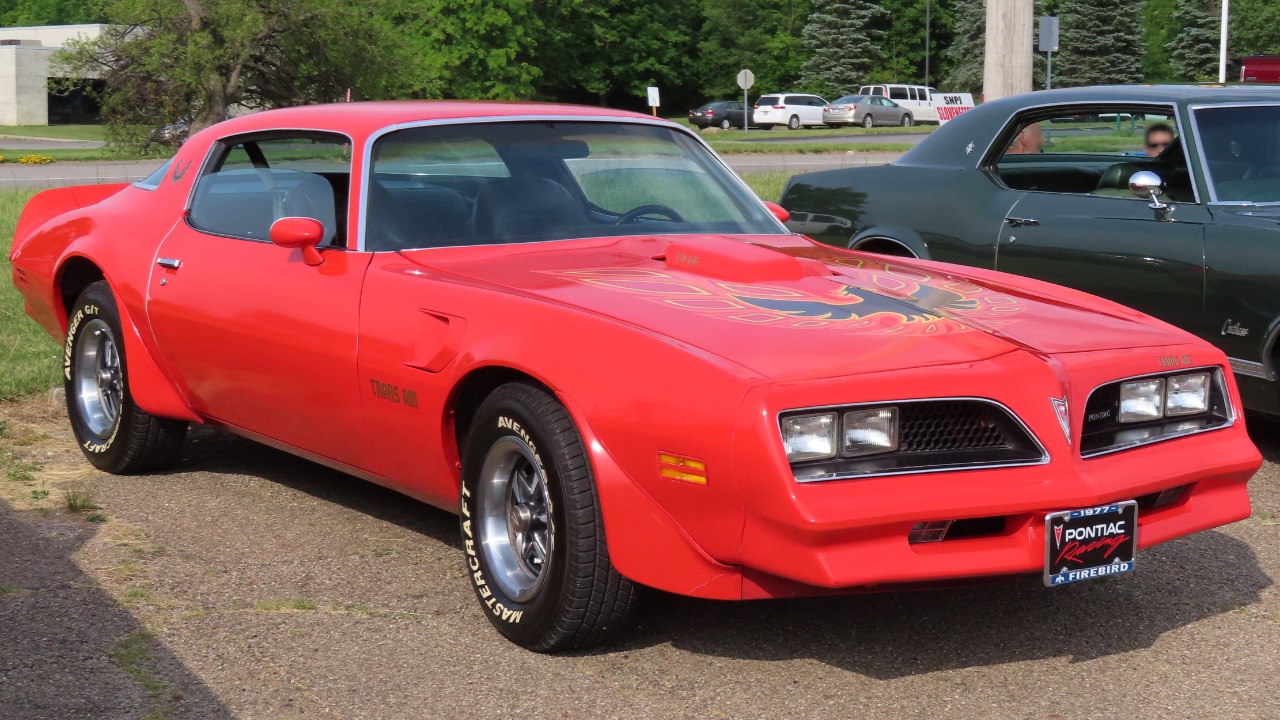
Despite regulatory constraints, several iconic performance vehicles managed to mask their capabilities, much to the delight of enthusiasts. The Pontiac Trans Am, particularly the 1977 model, serves as a prime example of how engineers cleverly disguised performance enhancements. While the car was marketed as a high-performance muscle car, it was equipped with a variety of modifications that allowed it to maintain a semblance of power in a heavily regulated environment. Under the hood, the 400 cubic inch V8 engine, paired with a four-speed manual transmission, offered a thrilling driving experience that belied the restrictions imposed by emissions regulations. The sleek design and bold graphics further contributed to its allure, making it a favorite among enthusiasts.
Marketing played an essential role in maintaining the image of performance during the Malaise Era. Automakers like Pontiac skillfully crafted advertisements that emphasized the excitement and power of their vehicles, even when the reality was that many models were underpowered relative to their predecessors. Engineers often worked behind the scenes to ensure that certain features were retained or enhanced, even if they had to be hidden from regulatory scrutiny. By focusing on styling, handling, and innovative features, manufacturers managed to keep the spirit of performance alive, albeit in a more subdued form.
Aftermarket Modifications and the DIY Culture
With factory models increasingly constrained by emissions regulations, the aftermarket industry flourished in the 1970s, catering to performance enthusiasts eager to enhance their vehicles. Car clubs and communities became vital in promoting a culture of modification, where enthusiasts shared tips and tricks for maximizing performance. Popular modifications included installing high-performance exhaust systems, upgrading carburetors, and tuning engines to extract every ounce of power possible. These aftermarket enhancements allowed many enthusiasts to reclaim the performance that factory models had lost.
One notable example of this DIY culture is the rise of the “muscle car resurrection” movement, where enthusiasts would purchase older models, such as the 1970 Chevrolet Chevelle or the 1971 Dodge Charger, and breathe new life into them through extensive modifications. Car shows and meet-ups became avenues for enthusiasts to showcase their projects, share knowledge, and foster a sense of camaraderie. This grassroots movement not only kept performance culture alive but also set the stage for future generations of automotive enthusiasts who would continue to challenge the status quo.
The Legacy of 1970s Performance Engineering
The engineering innovations that emerged during the 1970s laid the groundwork for future performance standards, influencing modern automotive design and technology. Many of the methods developed during this era, such as electronic fuel injection and turbocharging, have become industry staples. Automakers today continue to build upon the legacy of their 1970s counterparts, often incorporating advanced technologies that balance performance with environmental considerations.
Moreover, the challenges faced by engineers during the Malaise Era shaped public perception of performance cars, leading to a greater appreciation for the intricate balance between power and efficiency. The ingenuity displayed by engineers who worked tirelessly to keep the spirit of performance alive amidst regulatory constraints is a testament to their passion for the craft. As we enjoy the high-performance vehicles of today, we owe a debt of gratitude to those who navigated the tumultuous waters of the 1970s and innovated under pressure.
Continuing the Fight Against Emissions
The battle between performance and environmental regulations continues to this day, as manufacturers strive to create vehicles that meet stringent emissions standards without sacrificing the thrill of driving. Innovations in hybrid technology and electric vehicles are paving the way for a new generation of performance cars that promise to merge excitement with sustainability. Companies like Honda have been at the forefront of this movement, continuously pushing the envelope to create vehicles that are both environmentally friendly and exhilarating to drive. Their ongoing commitment to innovation is documented in various releases, showcasing how they navigate the complexities of compliance while keeping performance alive.
As the automotive industry moves forward, the lessons learned from the 1970s remain relevant. Engineers and designers are now tasked with finding ways to harness cutting-edge technology to improve performance while adhering to environmental regulations. Future trends, such as the development of hydrogen fuel cells and advanced battery technologies, hold promise for a new era of performance vehicles that are not only powerful but also sustainable. The legacy of the 1970s serves as a reminder that engineers can rise to the occasion, adapting their craft to meet the demands of an ever-changing world.
More from Fast Lane Only
- Unboxing the WWII Jeep in a Crate
- 15 rare Chevys collectors are quietly buying
- 10 underrated V8s still worth hunting down
- Police notice this before you even roll window down
*Research for this article included AI assistance, with all final content reviewed by human editors.