The Dodge Viper, an iconic American supercar, was marred by numerous controversies and disagreements throughout its production history. One such overlooked disagreement played a crucial role in the delays and ultimate fate of this legendary vehicle.
Background of the Dodge Viper
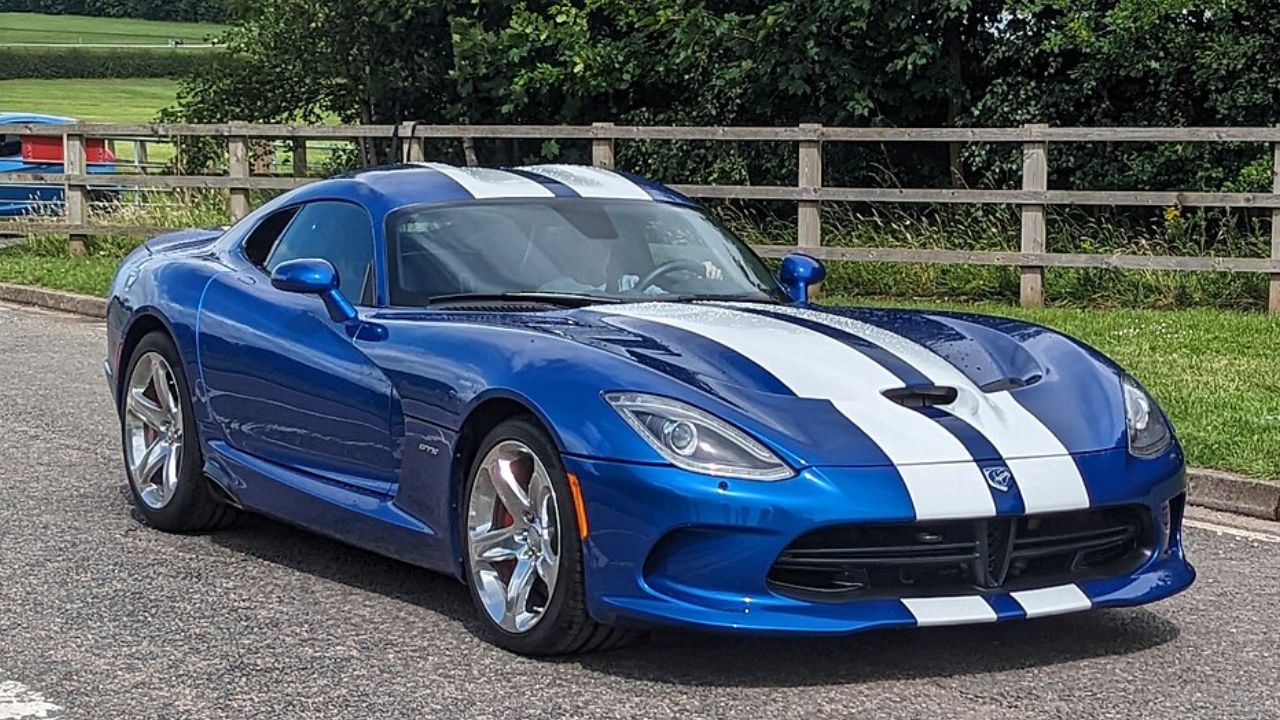
When the Dodge Viper burst onto the scene in the early 1990s, it was more than just a car; it was a bold statement in American automotive design. Launched in 1992, the Viper combined raw power with a minimalist aesthetic, drawing inspiration from classic muscle cars while pushing the boundaries of performance. Equipped with an 8.0-liter V10 engine producing 400 horsepower, it was designed to compete with European supercars like the Ferrari F355 and the Porsche 911 Turbo, making it a thrilling addition to the sports car market.
The Viper’s sleek, snake-like silhouette and lack of electronic aids provided a driving experience that appealed to purists. Its hand-built nature and the use of lightweight materials set it apart from its competitors, emphasizing a focus on performance over comfort. This unique approach not only captured the attention of car enthusiasts but also solidified the Viper’s place in automotive history, representing a time when American engineering was poised to reclaim its dominance in the supercar segment.
The Disagreement: Key Players and Issues
The internal conflict that ultimately played a significant role in the Viper’s development involved several key players, including executives, engineers, and designers at Chrysler Corporation. One of the most notable figures was Bob Lutz, the former Vice Chairman of Chrysler, who championed the Viper’s project. His vision clashed with the perspectives of engineers who were concerned about the car’s safety features and performance capabilities. This disagreement highlighted a fundamental tension between the desire for innovation and the need for practicality.
The specific issues that led to this conflict revolved around design choices, performance goals, and budget constraints. While Lutz and his team were focused on creating a high-performance vehicle with minimal compromises, engineers raised valid concerns regarding safety standards and production costs. The Viper’s design was unconventional, featuring a lack of stability control and ABS brakes, which made it a risky proposition in terms of both safety and marketability. As personal rivalries and corporate politics came into play, the disagreement escalated, creating delays that would impact the Viper’s production timeline.
Consequences of the Disagreement
The consequences of this disagreement were far-reaching. The timeline for the Viper’s production was significantly affected, with delays pushing the launch of subsequent models back further than expected. For instance, the Viper GTS, which was originally slated for earlier production, didn’t hit the market until 1996, four years after the original model. This delay not only affected the car’s sales but also its market positioning against competitors like the Chevrolet Corvette, which continued to evolve and capture consumer interest during this time.
As a result of the delays, the Viper struggled to gain traction in the market. While it had a dedicated fan base, its sales were eclipsed by the Corvette, which offered a more refined driving experience and better accessibility for everyday consumers. The missed opportunities for technological advancements during this period meant that the Viper fell behind in terms of features that could have kept it competitive. This gap not only hindered sales but also affected the overall brand image of Dodge as a manufacturer of performance vehicles.
Impact on the Viper’s Legacy
The disagreement and subsequent delays ultimately contributed to the Viper’s discontinuation in 2017. As the automotive landscape evolved with increasing emphasis on safety, efficiency, and technology, the Viper remained largely unchanged in its raw and aggressive design. This decision reflected the ongoing tensions between traditional performance and modern expectations, leaving the Viper somewhat out of touch with market demands. The legacy of the Viper became one of missed opportunities, where personal and corporate conflicts overshadowed its potential.
Among enthusiasts and collectors, the perception of the Viper post-discontinuation has been mixed. While it is still celebrated as a groundbreaking American supercar, the narrative surrounding its struggles and eventual demise often overshadows its achievements. The Viper remains a symbol of what American automotive engineering can accomplish, but it also serves as a cautionary tale about the pitfalls of internal disagreements and a lack of unified vision within a company.
The Forgotten Disagreement in Automotive History
This disagreement has often been overlooked in discussions of the Viper’s legacy and its place in automotive history. Unlike more prominent rivalries, such as those between Ford and Ferrari, the internal conflicts within Chrysler during the Viper’s development have received scant attention. This oversight may stem from the Viper’s status as a niche vehicle compared to mass-market models, but it underscores the importance of internal harmony in successfully bringing innovative vehicles to market.
Other automotive disputes, such as the rivalry between Honda and Toyota in the 1990s, have shaped the industry and are frequently cited in discussions of corporate strategy and innovation. The Viper’s story serves as a reminder that internal disagreements can be just as consequential as external competition. The lessons learned from the Viper’s development resonate with current and future automotive projects, emphasizing the need for collaboration and alignment of vision among all stakeholders.
Looking Forward: The Future of American Supercars
The legacy of the Dodge Viper continues to influence new American supercars and performance vehicles. As manufacturers like Ford and Chevrolet push the envelope with electric and hybrid performance models, the Viper’s raw power and design philosophy serve as a benchmark for what enthusiasts expect from American engineering. Brands are now tasked with balancing the legacy of traditional performance with the demands of modern technology and sustainability.
Emerging trends in the automotive industry, such as electrification and autonomous technology, present both challenges and opportunities for the future of supercars. As manufacturers explore electric drivetrains, there is potential for reimagining the supercar experience while retaining the thrilling performance that the Viper embodied. The integration of advanced technology could lead to vehicles that are not only faster but also safer and more efficient, allowing for a new generation of performance enthusiasts to emerge.
Ultimately, the story of the Dodge Viper teaches us about the complexities of automotive design and innovation. The interplay of vision, collaboration, and the ability to navigate internal disagreements will continue to shape the future of performance vehicles. As we look forward, the automotive industry must learn from the past to create vehicles that honor the legacy of icons like the Viper while embracing the future of technology and consumer demands.
More from Fast Lane Only
- Unboxing the WWII Jeep in a Crate
- 15 rare Chevys collectors are quietly buying
- 10 underrated V8s still worth hunting down
- Police notice this before you even roll window down
*Research for this article included AI assistance, with all final content reviewed by human editors.