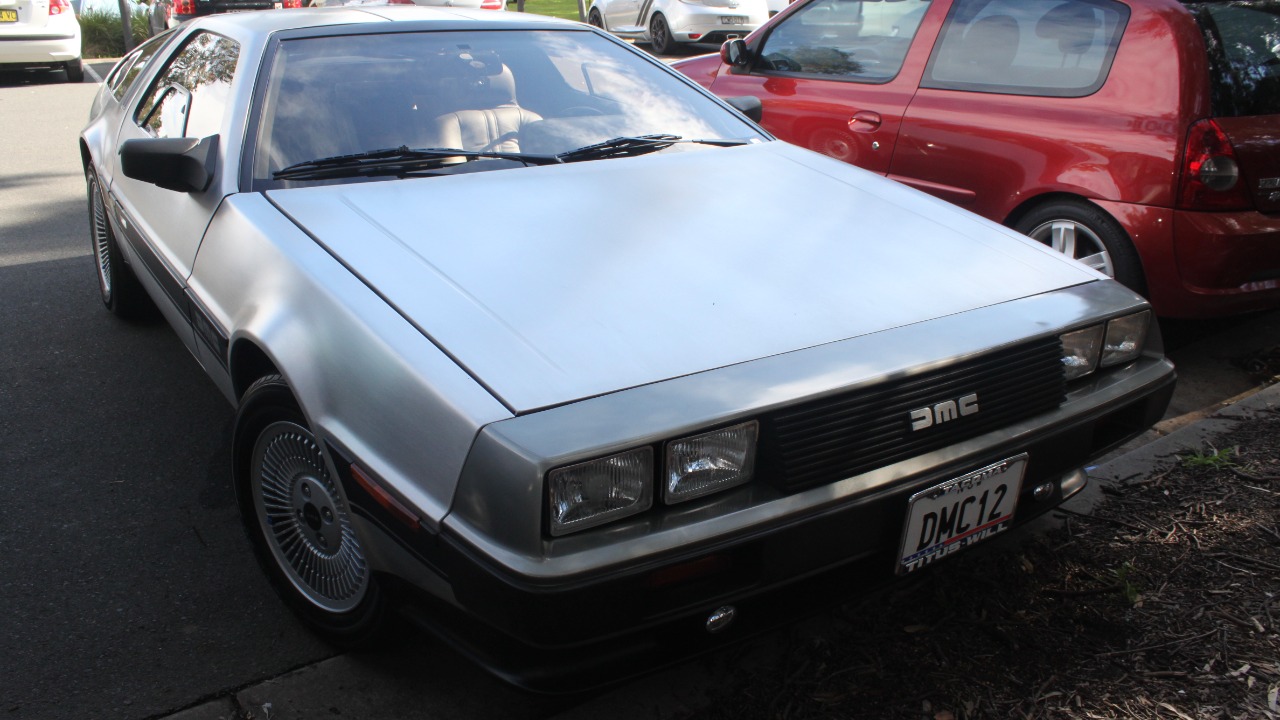
The 1981 DeLorean DMC-12 was supposed to be a world-beating sports car and instead became a corporate cautionary tale. Yet the stainless wedge with gull-wing doors has outlived its own failure, turning into one of the most recognizable silhouettes in automotive history. I want to trace how a car that stumbled in the showroom ended up permanently lodged in our cultural memory, long after the factory went dark.
The radical dream behind the stainless wedge
Long before the DMC-12 was a punchline or a poster, it was a rebellion against Detroit orthodoxy. John DeLorean walked away from his role leading General Motors North American operations, famously saying he was “firing” the company so he could build a car of his own design. That break was more than a career move, it was a statement that one charismatic engineer could out-innovate the corporate machine that had made him rich and powerful.
To make that statement visible, he turned to a designer with a flair for the dramatic. The DMC-12 was designed by Giorgetto Giugiaro, who wrapped the car in brushed stainless-steel panels and topped it with gull-wing doors that looked like they had been sketched on the back of a sci‑fi paperback. Those doors were not just for show, either, they relied on torsion bars developed by Grumman Aerospace for smooth, counterbalanced movement, the kind of aerospace flourish that made the coupe feel more like a spacecraft than a commuter car.
Why the real car struggled in the real world
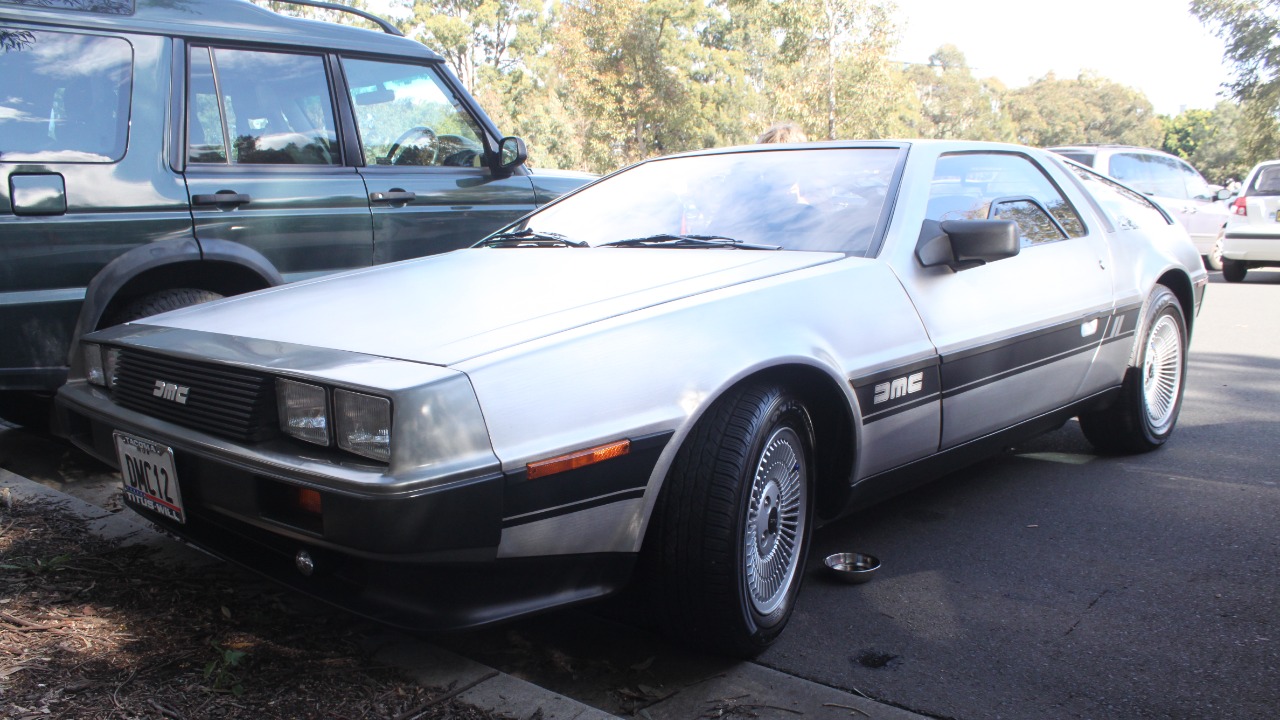
For all that visual drama, the DMC-12 never quite delivered when the key turned. Under the rear deck sat a 130 horsepower Peugeot Renault Volvo V6 that left the car feeling sluggish and underwhelming compared with the European exotics it visually mimicked. The stainless body that looked so futuristic in photos added weight and complexity in production, while the company itself struggled with quality control and the brutal economics of launching a brand‑new marque from scratch.
Plenty of commentators have gone back over the wreckage to explain why the project collapsed, and one detailed breakdown of Why the DMC venture Failed points to a mix of undercooked engineering, unrealistic sales expectations, and a global recession that punished expensive toys. Even the production run tells the story of a company sprinting before it could walk, with early cars evolving through incremental tweaks up to 83 as the team tried to fix issues on the fly. The result was a car that looked like tomorrow but drove like yesterday, and that mismatch proved fatal to the business.
From factory flop to time machine legend
What saved the DMC-12 from obscurity was not a late engineering fix or a miraculous sales surge, it was a casting decision. When filmmakers needed a vehicle that could plausibly serve as a time machine, they chose the stainless coupe precisely because it already looked like a prop from the future. One retrospective on the rise and fall of DeLorean lingers on the line about building a time machine “out of a Delorean,” capturing how the car’s visual eccentricity suddenly became its greatest asset.
On screen, the gull-wing doors and brushed metal that had been marketing headaches turned into instant visual shorthand for science fiction. The car’s real-world shortcomings, from its modest power to its fragile corporate parent, simply did not matter once audiences saw it jump through time. That cinematic exposure rewrote the DMC-12’s biography, shifting it from failed startup product to pop‑culture artifact, a transformation so complete that younger fans sometimes discover the movie first and only later learn that the car was ever sold in showrooms.
The strange economics of a cult classic
Pop‑culture fame eventually found its way into the classifieds. Collectors who grew up with the movie started hunting for the real thing, and the limited production run meant there were never that many to go around. Around 2001, Ed Bernstein of DeLorean One estimated that there were about 8,000 cars still in existence, and Today the tally of running or restorable examples remains a fraction of what mainstream brands can offer. Scarcity, nostalgia, and that unmistakable profile combined to push values into territory that would have baffled early buyers.
Price guides now treat the car as a bona fide collectible rather than a curiosity. Typically, you can expect to pay around $51,700 for a 1981 Delorean DMC-12 in good condition with average spec, a figure that reflects both the car’s rarity and its enduring screen‑born mystique. I find that number revealing, because it suggests buyers are not paying for performance or practicality, they are paying for a story, one that starts in a troubled factory and ends in a fictional lab.
Why the DMC-12’s story still matters
For me, the DeLorean’s afterlife is a reminder that cultural impact does not always track with commercial success. The car that John DeLorean built after “firing” his old employer at General Motors North American operations failed on its own terms, yet it succeeded wildly on a different stage. Its gull-wing doors, stainless skin, and aerospace‑inspired hardware from companies like Grumman Aerospace for turned out to be perfect for a medium that cared more about silhouette than skidpad numbers.
That is why I think the 1981 Delorean DMC-12 became immortal anyway. It was never just a car, it was a bundle of ambitions, miscalculations, and design risks that happened to intersect with the right story at the right time. The business collapsed, the engine was underpowered, and the production run ended at 83, but the image of those doors lifting against a night sky still feels like a promise that the future can look different from the present. In a world full of efficient, forgettable crossovers, that lingering sense of possibility might be the most valuable option the DMC-12 ever offered.