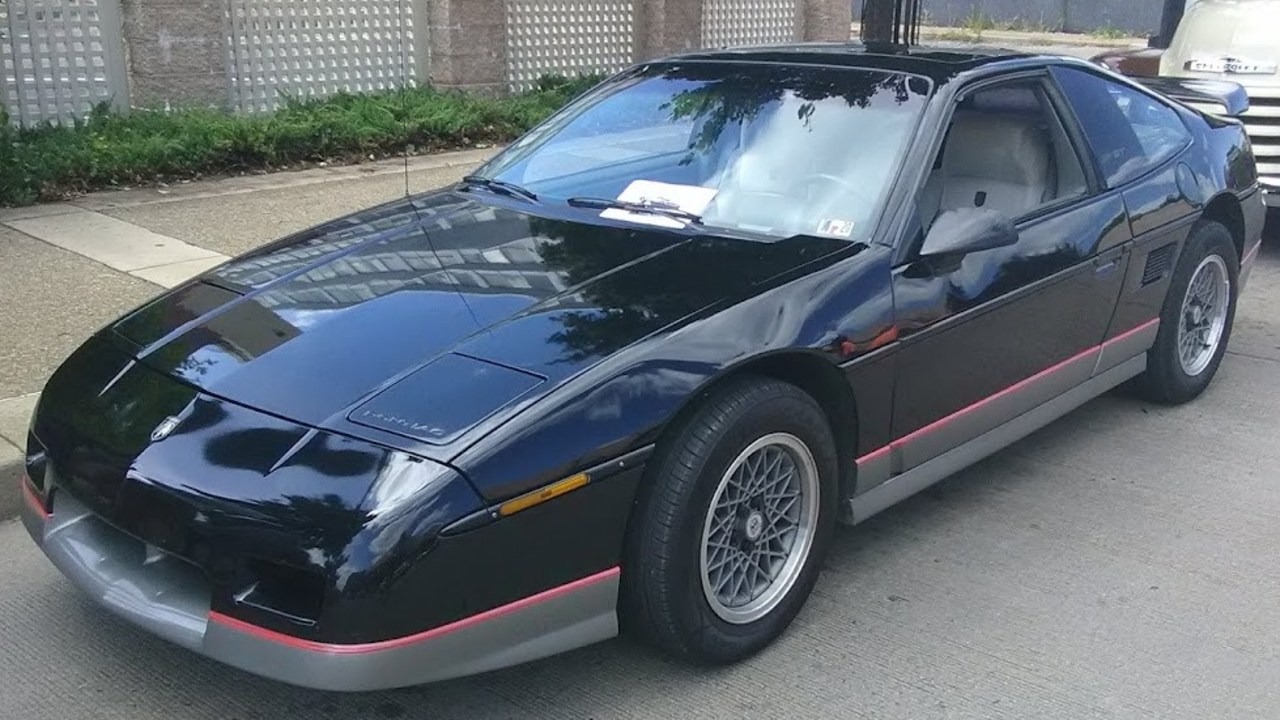
The 1988 Pontiac Fiero GT arrived as a fully sorted sports car just as the nameplate’s reputation was collapsing under the weight of earlier mistakes. By the time that final model year hit showrooms, the car had the chassis, brakes, and reliability it always needed, yet the decision to end production was already locked in. I want to lay out why that last Fiero GT was so different from its predecessors and why it deserved a second act instead of a quiet cancellation.
The troubled birth of a bold idea
When the Fiero launched, Pontiac pitched it as a mid engine commuter that could sip fuel yet look like an exotic, a clever compromise that let the division sneak a sports car past cautious corporate planners. Under the skin, though, the car relied heavily on shared components, and the sharing of suspension and other hardware with existing General Motors platforms meant the earliest Fieros never handled as sharply as their dramatic styling promised. Despite the compromises, the Fiero sold well enough that Pontiac struggled to keep up, proof that buyers were hungry for an affordable mid engine two seater wearing a familiar badge.
The trouble was that the engineering shortcuts and cost cutting caught up with the car in the harshest possible way. By the end of 1985, GM had received 112 reports of engine fires, mostly in 1984 models, and that number became a shorthand for everything that was supposedly wrong with the Fiero. Those incidents, combined with the perception that the car was underpowered and rough around the edges, hardened into a narrative that the entire line was flawed, even as Pontiac quietly worked to fix the underlying issues.
How 1988 quietly fixed the Fiero
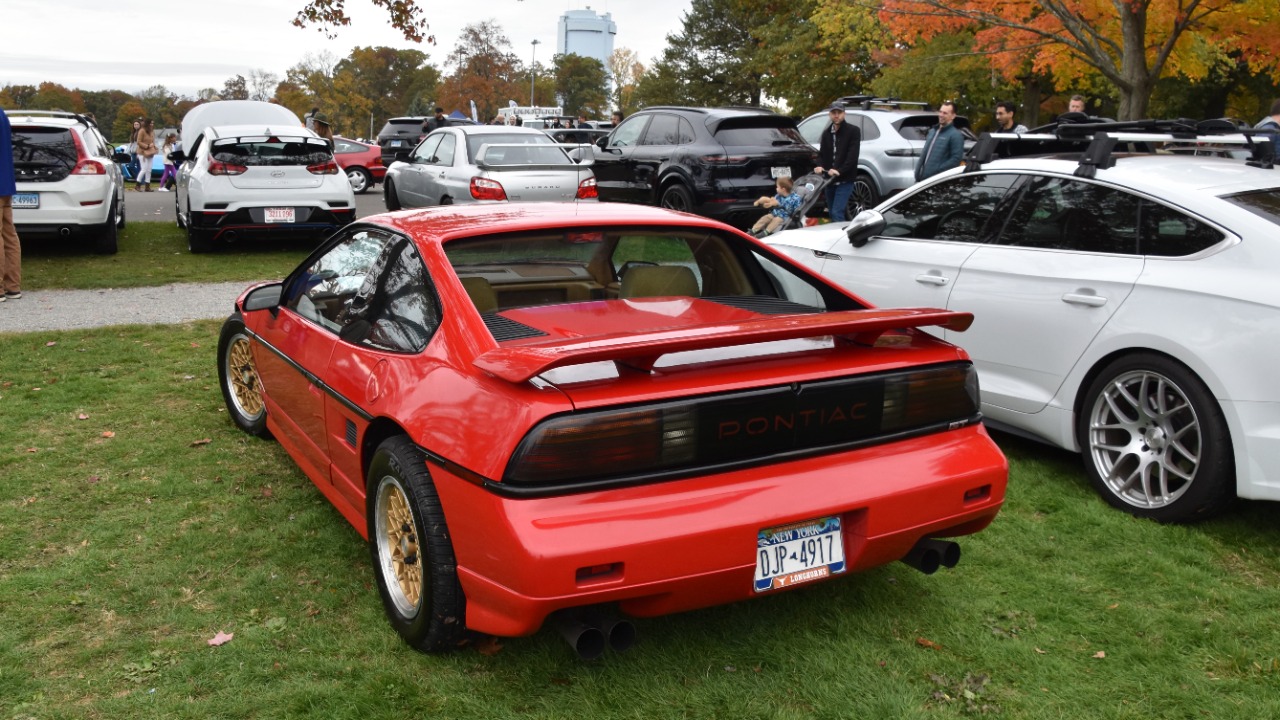
By the time the 1988 model year rolled around, Pontiac had finally given the car the clean sheet chassis it always needed, and the result was a Fiero that felt almost new from the driver’s seat. Enthusiasts who have driven the full run often point out that, whereas the preceding models had several problems, the 1988 version appeared almost as a brand new car, with a far more sophisticated suspension layout and a level of refinement that finally matched the styling. In other words, the Fiero that enthusiasts had been promised at launch effectively arrived just as the program was being wound down.
The GT variant sat at the top of that improved lineup, pairing the updated underpinnings with the 2.8-liter L44 V6 and the sleek fastback bodywork that had evolved over the mid 1980s. One detailed guide to the car’s evolution notes that the 1985 GT introduced the 2.8-liter engine and later fastback styling, but it is the 1988 suspension story that really matters, because the revised geometry finally delivered both better compliance and precision. From my perspective, that combination of a willing V6 and a genuinely capable chassis is exactly what a compact sports car from Pontiac should have been from day one.
Shaking off the fire stigma
Even with the mechanical improvements, the Fiero name was still haunted by the early fire stories that had dominated coverage of the car. The knowledge that some 1984 cars had gone up in flames lingered in the public imagination long after the root causes were addressed, and it did not help that jokes about burning Fieros became a kind of shorthand in car culture. Owners of later cars often found themselves explaining that their cars were different, and that the worst problems had been solved years earlier.
That is where the 1988 Pontiac Fiero GT stands out so sharply from the caricature. Detailed breakdowns of the final model year stress that it didn’t catch fire like previous models, and that the underlying reliability was far better than the punchlines suggested. Yet the stigma was so strong that the Fiero’s good name could not be fully restored in the short window before Pontiac pulled the plug, leaving the 1988 GT unfairly lumped in with the earliest and most troubled cars.
What enthusiasts know that the market missed
Among people who have actually lived with these cars, there is a clear sense that the final year stands apart. In one long running Comments Section thread, a user named KevinLee487 bluntly calls the car “Extremely unreliable” and insists that “ALL of the Fiero owners” he has talked to had issues, but other voices push back and argue that the 88 is the best of the bunch. That split captures the broader divide: people who only know the horror stories versus those who have driven a sorted late car and felt how different it is.
On the road, the 1988 Pontiac Fiero GT rewards that second group with a driving experience that feels far more cohesive than its reputation suggests. One writer describes riding with Shannon, a genial owner who drives the Fiero like he stole it, and then taking the wheel to discover a car that finally behaves like a proper sports car. That kind of firsthand account lines up with what I have heard repeatedly from enthusiasts: if you judge the Fiero by a well maintained 1988 GT, you come away wondering how such a capable little coupe ever became a punchline.
The business decision that cut the story short
Inside General Motors, the Fiero was always a political project, and that reality shaped its fate as much as any engineering flaw. Analysts have pointed out that the car’s mid engine layout was undermined by the way GM insisted on using existing parts, so the early cars ended up with a powertrain and suspension that were largely repurposed from front engine models. That decision saved money up front but made it harder for the Fiero to deliver on its exotic looks, and it delayed the investment in a dedicated chassis until very late in the program.
By the time the 1988 Pontiac Fiero GT showcased what a fully developed version could do, the corporate patience for the experiment had already run out. One retrospective on the car’s legacy notes that Pontiac sold a total of Fiero units in significant numbers back in the day, yet the combination of earlier warranty costs, internal politics, and shifting market priorities meant the program was cancelled just as it was getting good. From where I sit, that timing is the core tragedy of the story: the best version arrived after the decision makers had already moved on.
Why the 1988 GT is finally getting its due
In the years since Pontiac disappeared, the Fiero has slowly shifted from punchline to cult classic, and the 1988 GT sits at the center of that reevaluation. Enthusiast deep dives now emphasize that, whereas the preceding models had several problems, the final year cars stand apart, and auction results have started to reflect that shift. At the height of the pandemic, GAA Classic Cars Auction sold the last Fiero GT built for a staggering $90,000 according to Hagerty, a number that would have sounded absurd when the car was still a running joke.
That growing respect has also inspired some wildly ambitious builds that show what the platform can do when freed from its original constraints. One striking example is a heavily modified Fiero running nine second quarter miles, a reminder that the basic layout still has plenty of performance potential even with Pontiac long gone. When I look at the 1988 Pontiac Fiero GT through that lens, I see a car that finally matched its promise, only to be cut down before the wider market could catch up, and that is exactly why it deserved a second chance.