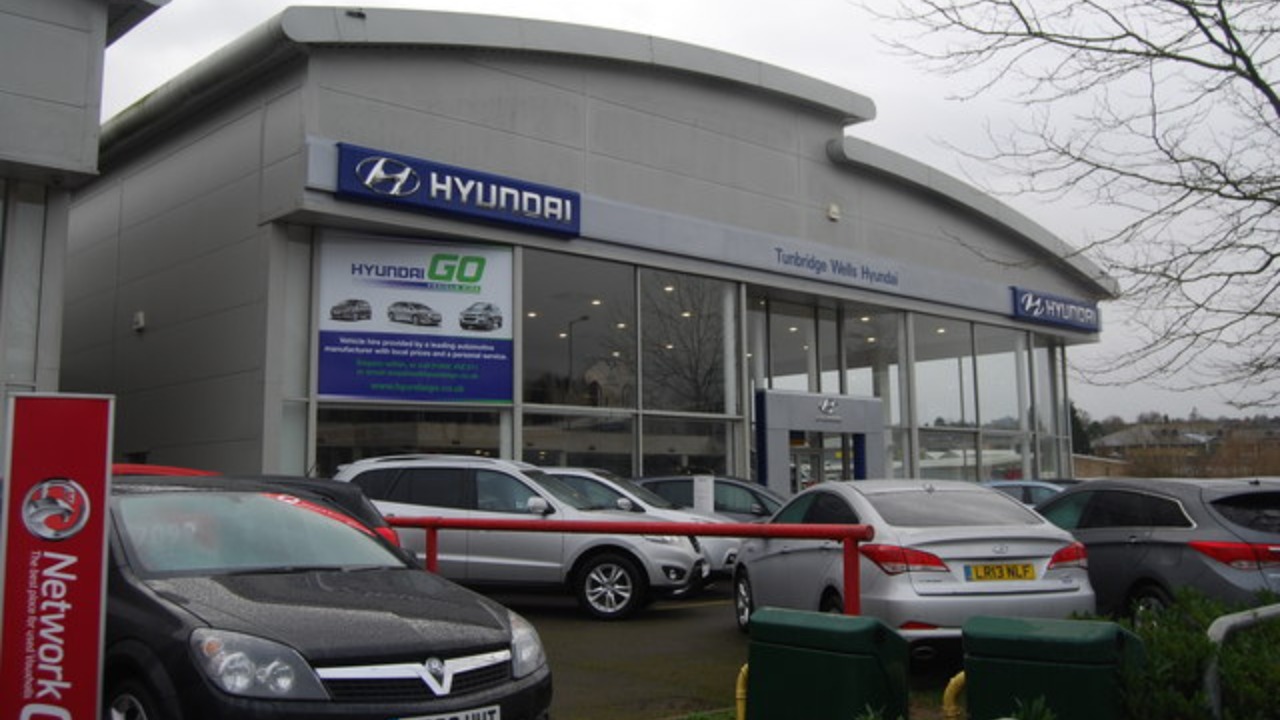
Hyundai Motor Company has issued a major recall affecting approximately 421,000 vehicles after identifying a software-related issue that could interfere with braking performance under certain conditions. The recall highlights the growing complexity of modern vehicle systems, where braking, stability, and driver-assist functions are increasingly controlled by software rather than purely mechanical components.
The issue is being addressed through updated software calibration intended to restore proper communication between electronic control modules and braking systems.
What happened
According to safety filings and industry reports, the affected vehicles may experience a malfunction in the electronic control system that coordinates braking response. In rare cases, the software error can disrupt signal processing between key control units, potentially reducing braking effectiveness or triggering warning indicators.
The recall spans a wide range of models equipped with advanced electronic braking systems and integrated stability control features. Rather than a hardware defect, the problem has been traced to software logic that may not correctly manage data flow between braking and safety modules in specific driving scenarios.
Dealers are expected to resolve the issue through a software update, either performed at service centers or delivered via over-the-air updates in supported models. This approach allows Hyundai to correct the system behavior without requiring physical replacement of brake components.
Regulators have emphasized that the recall is a precautionary measure, but advise owners to schedule repairs promptly to ensure full system reliability.
Why it matters
This recall underscores how modern braking systems have evolved into highly computerized networks. Functions such as anti-lock braking (ABS), electronic stability control (ESC), and regenerative braking in hybrid and electric vehicles all rely on software coordination between multiple sensors and control units.
While these systems generally improve safety and performance, they also introduce new risks tied to software behavior. A small coding or logic issue can potentially affect multiple vehicle functions simultaneously, making recalls more software-focused than mechanical in nature.
It also reflects a broader industry shift toward software-defined vehicles, where manufacturers like Hyundai increasingly rely on over-the-air updates to fix issues quickly and at scale. This reduces repair time and cost but increases the importance of rigorous software validation before deployment.
What to watch next
The key focus will be how quickly Hyundai can deploy the corrective update across all affected vehicles and whether similar issues appear in other models using shared electronic architectures.
Automakers across the industry are under increasing pressure from regulators to improve transparency and speed in addressing software-related safety issues. As vehicles become more connected and dependent on electronic control systems, recalls tied to software behavior are expected to become more common.
For drivers, the recall serves as a reminder that modern braking systems are no longer purely mechanical—they are part of a complex digital network where software reliability is just as critical as hardware durability.
More from Fast Lane Only