Using a pressure washer to clean tires might seem like a quick way to remove grime and brake dust, but experts warn that blasting tire sidewalls too closely or at high pressure can actually cause long-term damage. While the tread area is built for abuse, the sidewall is thinner, more flexible, and more vulnerable to high-pressure water jets.
The concern is growing among detailers and mechanics who see premature cracking and surface wear linked to improper cleaning techniques.
What happened
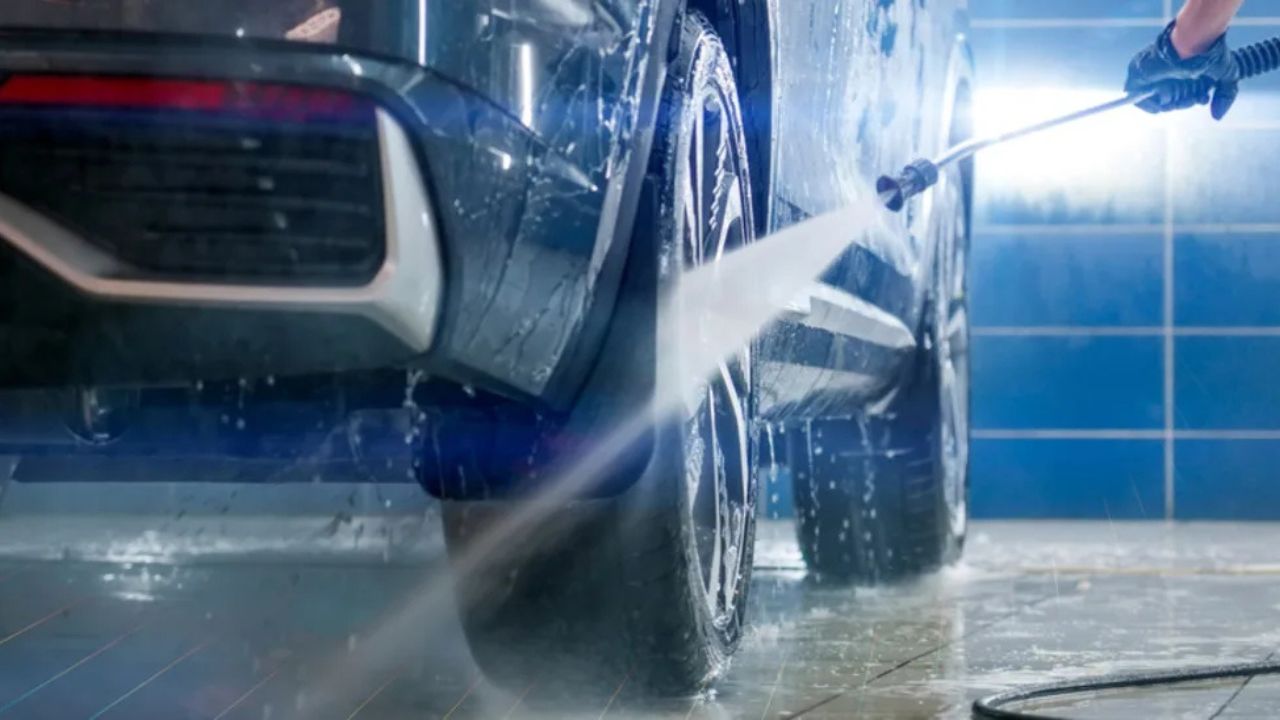
Automotive detailing professionals note that high-pressure washers—especially when used at close range—can cut into the rubber surface of a tire’s sidewall. Over time, repeated exposure can weaken protective layers, strip away surface conditioners, and accelerate the appearance of fine cracks.
tire sidewalls are engineered to flex under load, absorb road impacts, and resist weathering, but they are not designed to withstand concentrated water jets at extremely high pressure. When a pressure washer nozzle is held too close, the force can create micro-abrasions or push contaminants deeper into the rubber surface.
Detailers also point out that some drivers unintentionally worsen the problem by using narrow, high-pressure nozzles or “turbo” spray tips directly on the sidewall. These settings are better suited for metal or concrete surfaces, not flexible rubber compounds.
In most cases, the damage is not immediate or catastrophic, but it can contribute to faster aging of the tire, especially when combined with UV exposure, heat, and harsh cleaning chemicals.
Why it matters
Tire sidewalls play a critical role in safety and performance, absorbing shock from potholes, supporting vehicle weight, and maintaining structural integrity at speed. Any weakening of the rubber over time can contribute to premature wear or reduce overall tire lifespan.
The issue is particularly relevant for drivers who regularly clean their cars or use automatic detailing tools at home. While keeping tires clean is important for appearance and maintenance, over-aggressive cleaning methods can unintentionally shorten the life of the tire itself.
It also highlights a broader point in vehicle care: not all components are designed for the same level of mechanical stress. What works for wheels, suspension parts, or body panels may be too harsh for rubber compounds and seals.
What to watch next
Detailing experts recommend safer alternatives, such as using a medium-pressure setting, keeping the nozzle at a distance, and pairing water with dedicated tire cleaners and soft brushes rather than relying solely on high-pressure force.
As vehicle materials evolve, some newer tire compounds include improved resistance to environmental damage, but they are still vulnerable to improper cleaning techniques.
For most drivers, the takeaway is simple: pressure washers are effective tools, but when it comes to tire sidewalls, less force and more care leads to better long-term durability and safer maintenance habits.
More from Fast Lane Only