The Lamborghini Huracán Performante lapped the Nürburgring Nordschleife in 6:52.01 in 2017, and it did it with a V10 behind the seats. That number made the Performante the fastest production car around the track at the time. It also capped a 25-year run in which ten-cylinder engines kept turning road cars into something close to race cars.
A V10 is an odd engine. It is longer than a V8 and harder to package, and few carmakers ever built one for the road. But the ones that did tended to swing for the fences, because nobody builds a V10 to be sensible.
These six are our picks, and the verdict is our opinion. We think each one carried more power than most owners could ever use on a public road. Nobody actually restricted them, so we’re simply saying that, in our view, they could have used a leash.
1. 1992 Dodge Viper RT/10
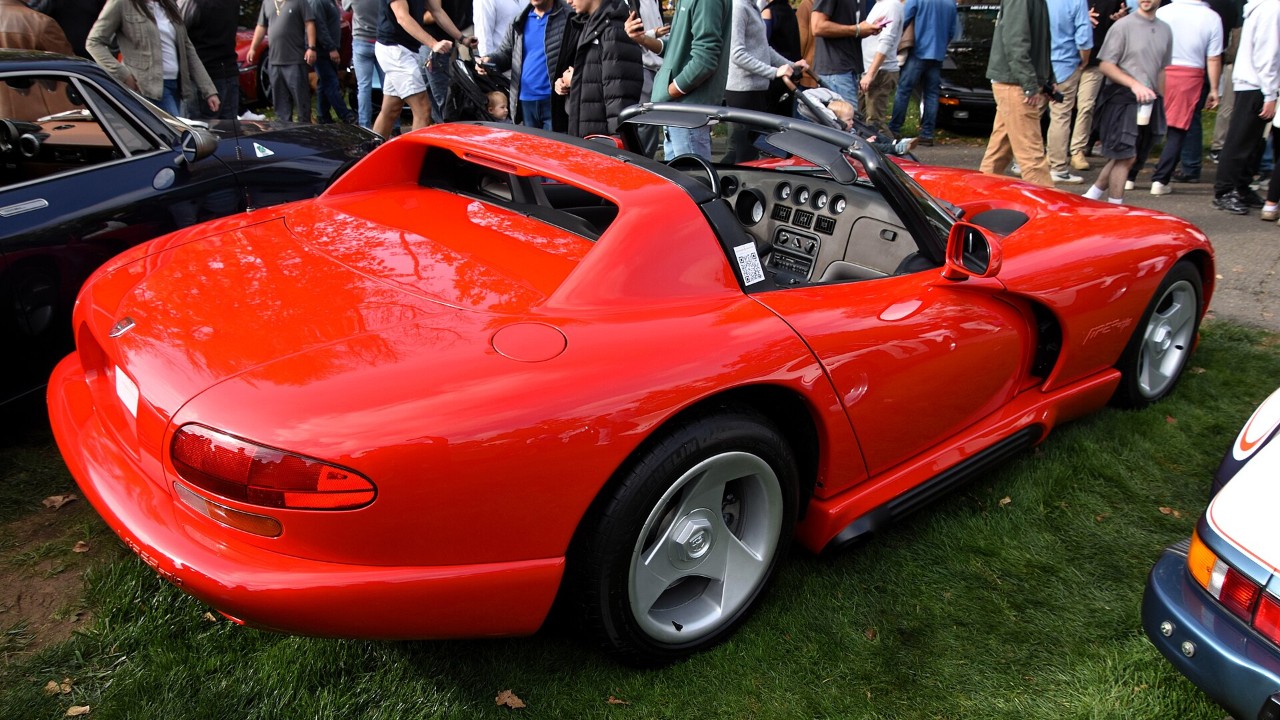
The first Viper had almost nothing between you and its engine. Hagerty’s valuation guide lists an 8.0-liter V10 rated at 400 hp and 450 lb-ft of torque. Lamborghini helped Dodge develop the aluminum block and heads for a design that began life with truck use in mind. Dodge delivered only 285 cars in 1992, and every one was red with a gray interior.
Then there were the omissions. According to Hagerty, early cars had no side windows, no outside door handles, no anti-lock brakes and no stability control. The side pipes could also burn your legs as you climbed in. In fact, the same guide warns that the car could turn unforgiving near the limit at higher speeds. We’ve covered why the original Viper skipped exterior door handles before, and it fits the same stripped-down attitude.
Our take: 400 hp with no electronic safety net was a lot for a showroom car in 1992. Hagerty lists a top speed of 164 mph and a 0–60 run under five seconds. That is why the RT/10 starts our list. If you want one now, Hagerty’s buyer notes say to check the front valance and side pipes for curb damage and to look for signs of hard track use.
2. 2016 Dodge Viper ACR
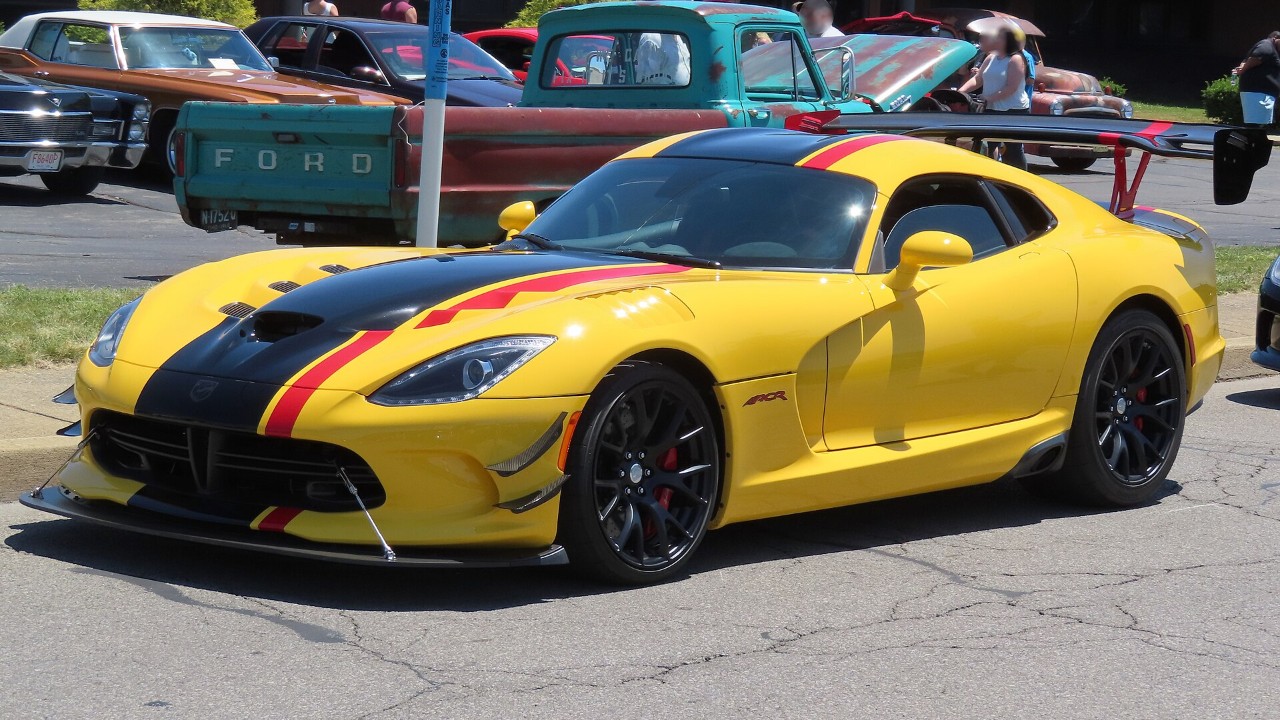
Dodge ended the Viper story with a car that seemed built to embarrass hypercars. The 2016 ACR made 645 hp, and with the Extreme Aero Package it could generate up to 2,000 pounds of downforce. Those figures come from Motor Authority’s report on the car’s record run.
That run was a big one. The ACR set 13 production-car lap records across American tracks, from Laguna Seca to Willow Springs. At Laguna Seca, Randy Pobst drove it to a 1:28.65. By comparison, the McLaren P1 managed 1:30.71 and the Porsche 918 Spyder 1:29.89 in the same back-to-back test. Both of those cars were hybrid hypercars, while the Viper started at $122,490.
The ACR name had form, too. An earlier Viper ACR, driven by touring-car racer Tom Coronel, had lapped the Nürburgring in 7:22.1 and beaten the Corvette ZR1, as CarAdvice reported. In our view, a road car with that much wing deserved a racing license of its own. The 2016 car then took that idea further, because it beat two hybrids that cost several times as much. For a car you could order from a Dodge dealer, that is a lot of speed to hand over with the keys.
3. 2010–2012 Lexus LFA
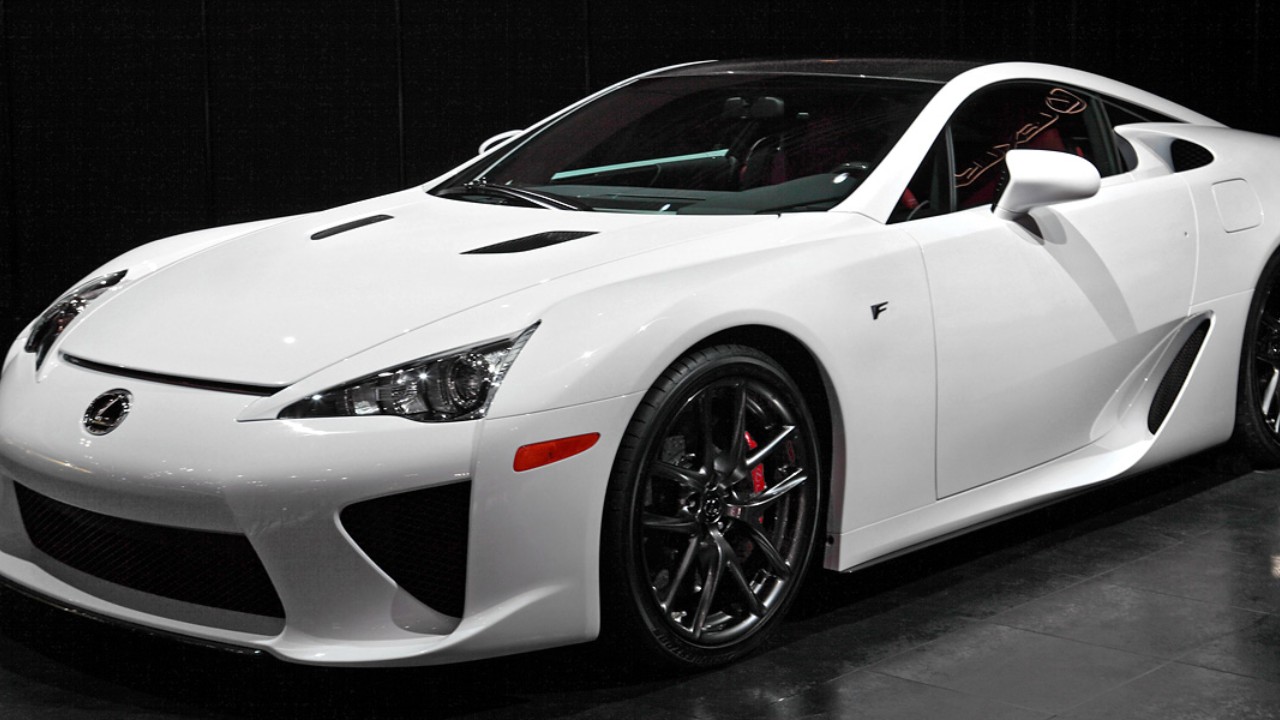
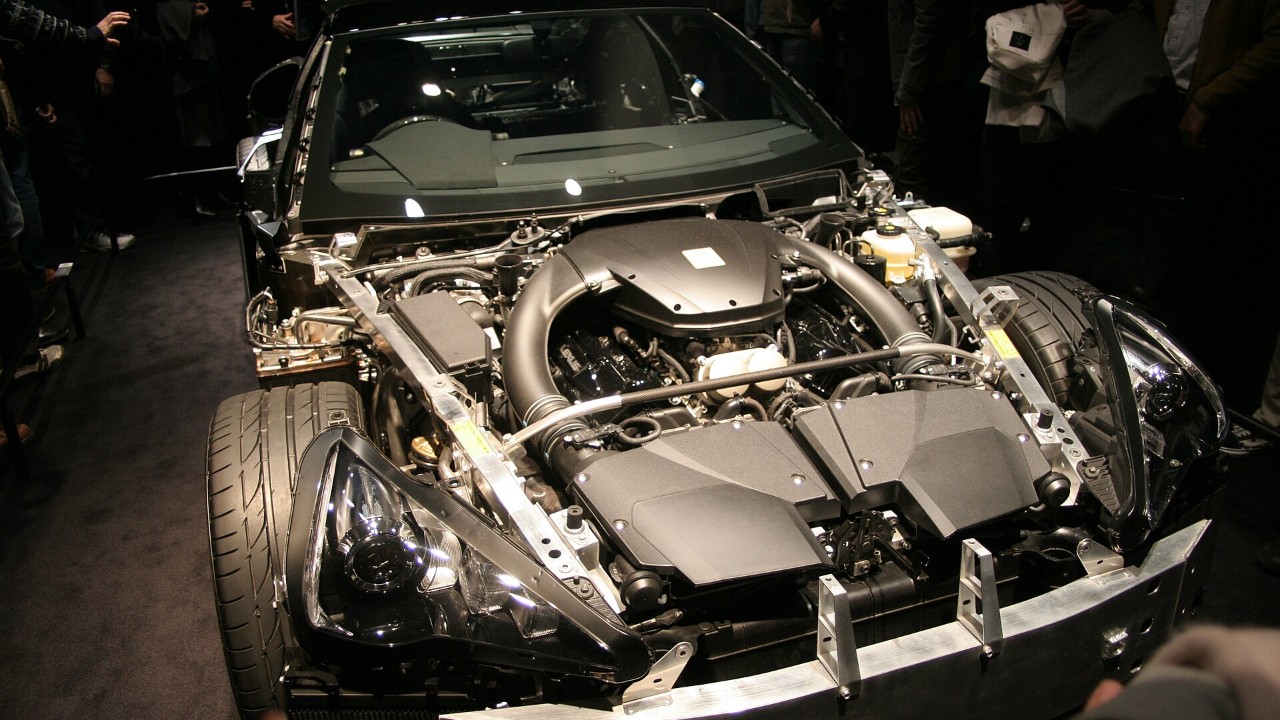
Lexus built the LFA around a 4.8-liter V10 that revved so quickly an analog needle couldn’t keep up. That is why the car got a digital tachometer. According to Robb Report, the engine could reach 9,000 rpm in about half a second.
The numbers behind it are just as specific. The standard car made 553 hp, and the Nürburgring Package raised that to 562 hp. Lexus developed the engine together with Yamaha. Carbon-fiber-reinforced plastic made up about 65 percent of the body. Production ran from 2010 to 2012 and stopped at 500 cars: 436 standard models and 64 with the Nürburgring Package. Only 190 of them came to the United States.
We’ve written about the LFA’s V10 sound before, and the sound is half of the appeal. Our take: an engine that spins that fast, that eagerly, is a temptation on any public road. Robb Report also notes that the engine was based on a race engine. So the LFA was a race-bred V10 wrapped in a luxury badge, and few owners would ever reach its limit on the street. The last car, a white Nürburgring Package, left the line in December 2012.
4. 2003–2006 Porsche Carrera GT
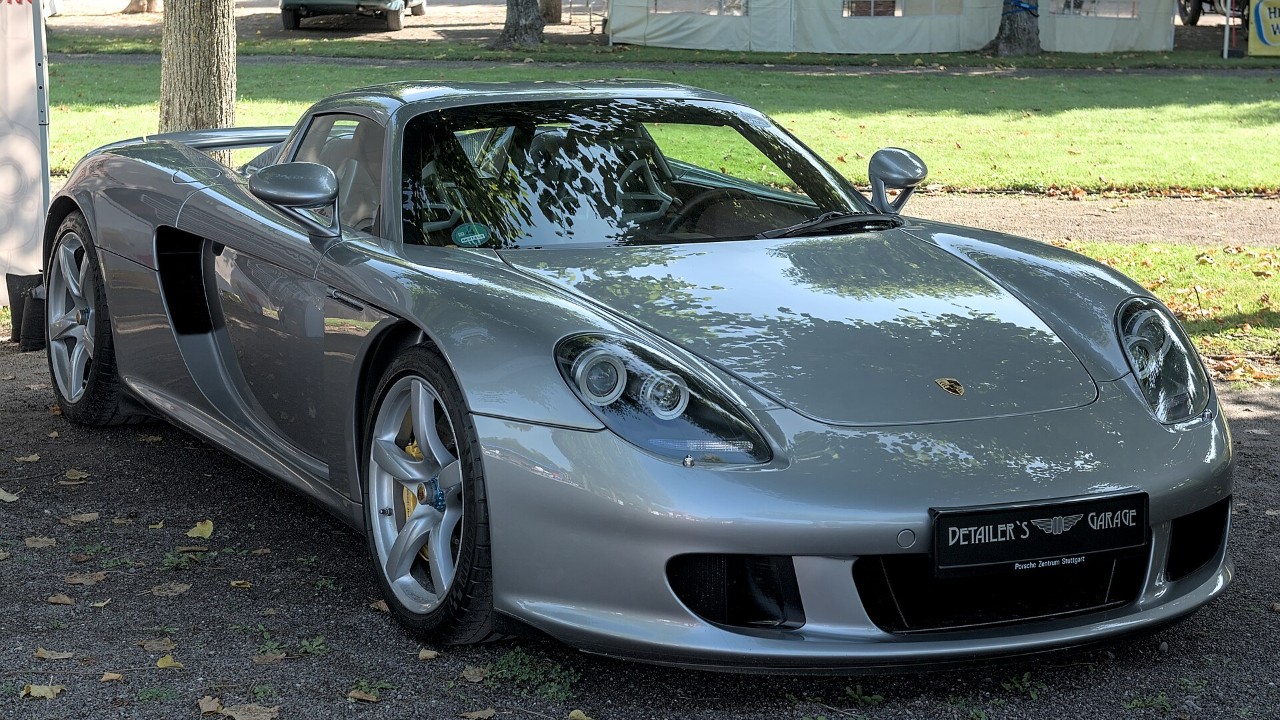
Porsche’s own newsroom calls the Carrera GT “a 612 hp racing car with road registration.” That PS figure works out to 603 hp in American terms. The 5.7-liter V10 peaks at 8,000 rpm, and it traces back to the 9R3, a Le Mans prototype that Porsche completed in 1998 but never raced.
Porsche then paired that engine with a six-speed manual and the world’s first ceramic two-plate dry clutch. There was no automatic option. The car weighed about 3,042 pounds, which is roughly five pounds per horsepower. As a result, Porsche lists 0–60 mph in 3.9 seconds and a top speed of about 205 mph. Leipzig built 1,270 of them between 2003 and 2006.
In our opinion, this is the car on the list that most deserved a warning label. A ceramic racing clutch, a race-derived V10 and a manual gearbox made it a car that demanded respect every single time. We’d treat it like the Le Mans car it nearly was. Even the details point that way, from the carbon-fiber monocoque to the laminated beech gear knob that nods to Porsche’s racing cars.
5. E60 BMW M5
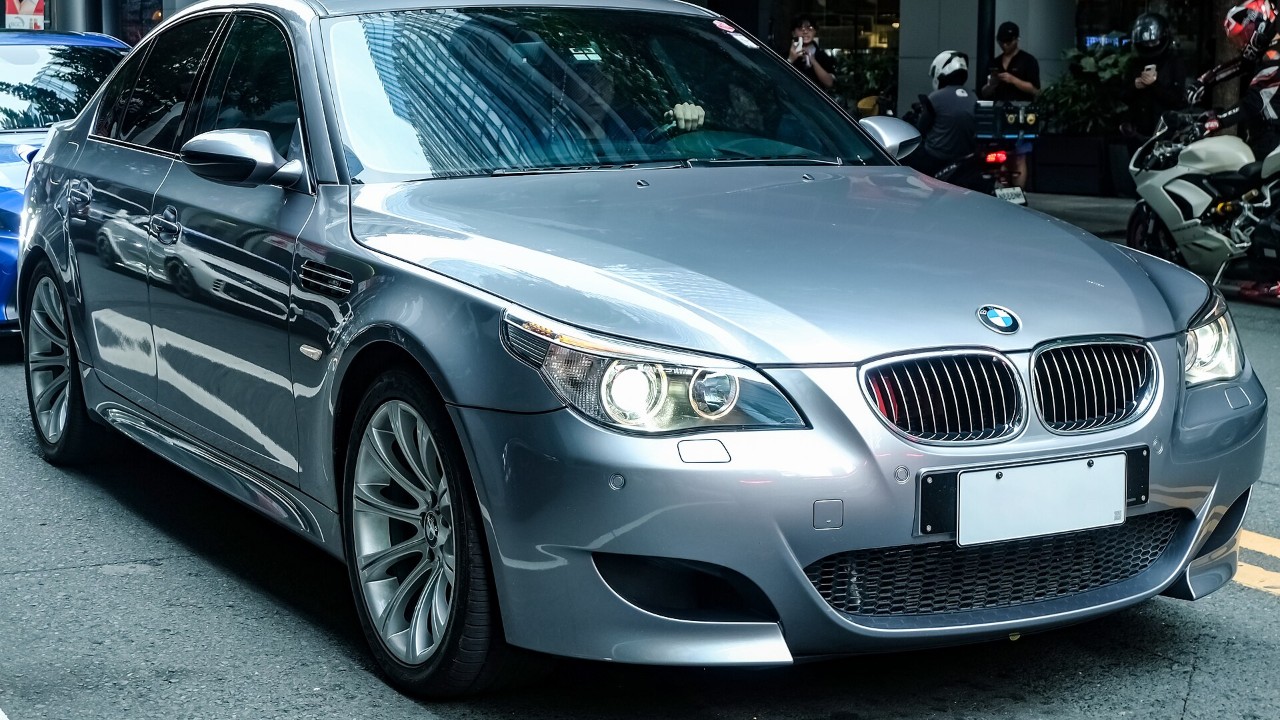
BMW put a V10 into a family sedan, and the result still sounds unlikely. The S85 engine displaced 5.0 liters and, according to Fast Car’s buyer’s guide, made 507 hp at 7,750 rpm. It revved to 8,250 rpm, which is a high ceiling for a car with rear doors and a trunk.
The E60 M5 launched in 2005 with a seven-speed SMG III single-clutch gearbox. Later, from 2006, North American buyers could order a six-speed manual instead. Fast Car puts the 0–62 mph sprint at 4.7 seconds. It also names rod bearings as “the big one” among the engine’s known faults and puts a replacement at around £1,500. Fuel use is the other price of admission, because the guide calls mid-teens mpg realistic. That leaves roughly 200 miles from a 70-liter tank.
In our view, a five-seat sedan with a race-style redline was exactly the kind of car that could have used a lower limit. If you shop for one today, budget for those rod bearings before anything else, and ask for proof they’ve been done.
6. 2017–2019 Lamborghini Huracán Performante
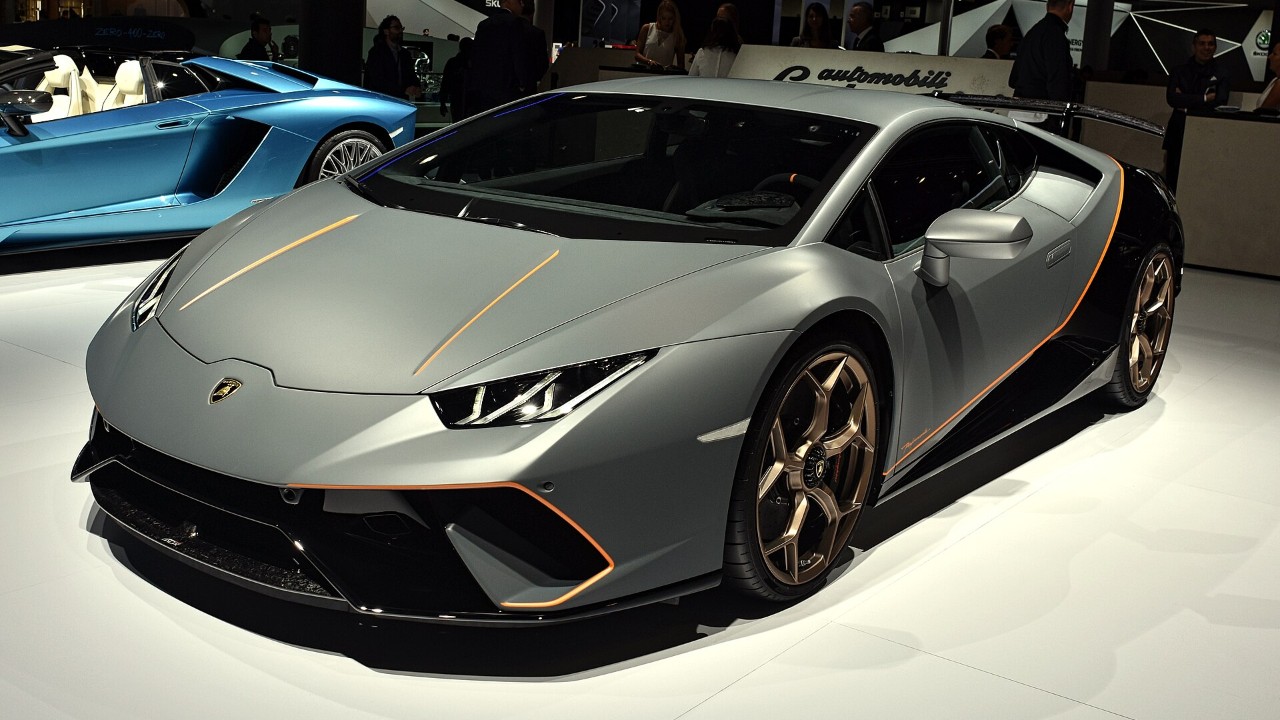
The Lamborghini Performante took the production-car lap record from the Porsche 918 Spyder. According to The Drive, Lamborghini test driver Marco Mapelli lapped the Nordschleife in 6:52.01. That beat the 918’s time by about five seconds and Lamborghini’s own Aventador SV by more than seven.
The key was a new active aero system called ALA, which helped keep the car planted over the circuit’s bumps. Meanwhile, the lap was fast enough that it drew public doubts, and Lamborghini had to defend the video. The company’s answer was blunt: why would it cheat? For buyers, the lap mattered less than what it proved. This was a V10 road car that Lamborghini had tuned to win a stopwatch war against a plug-in hybrid. In other words, the smaller Lamborghini had outrun the bigger one and the record holder in a single lap.
Our take: when a V10 car beats a hybrid hypercar on the world’s hardest track, it has more speed than any road could use. The Lamborghini Performante was a race car that happened to have license plates, and it closes our list with a record lap of 6:52.01.
More from Fast Lane Only