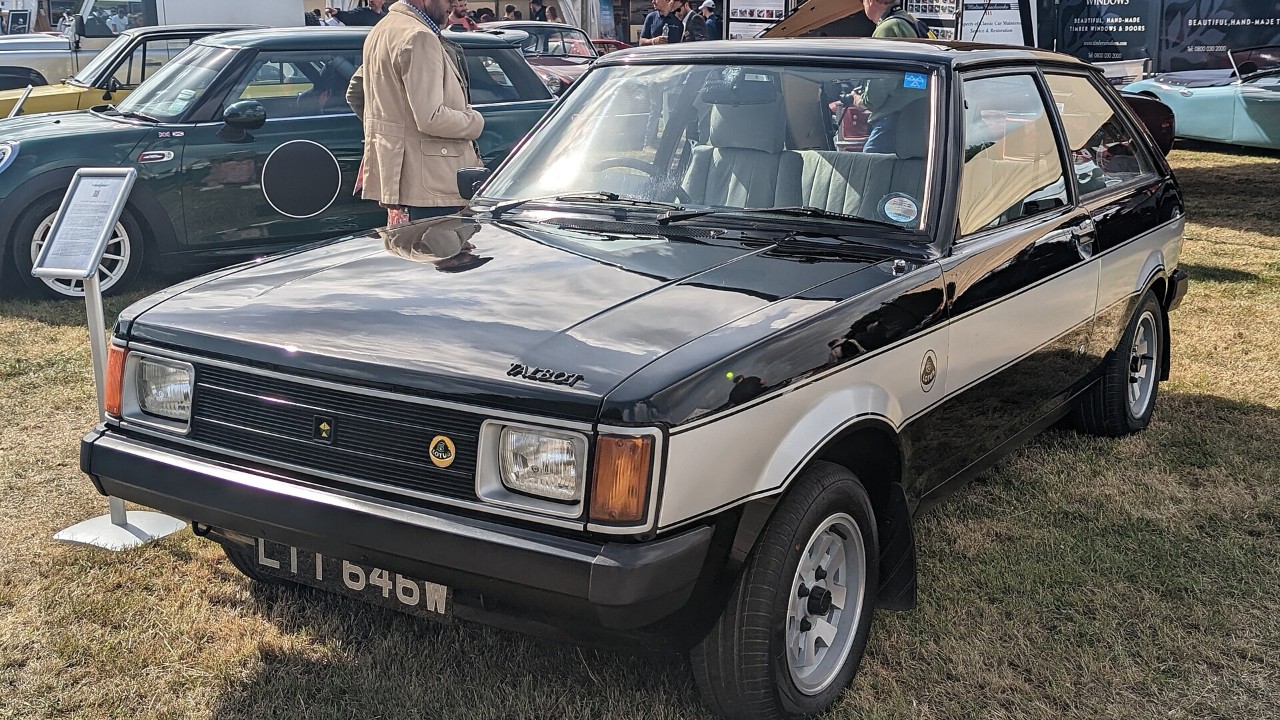
The Talbot Sunbeam Lotus looked like a plain British hatchback, yet it helped win a world rally title. It’s one of many small, light cars from the 1960s to the 1990s that drove far better than their sales numbers suggest.
Most of these cars never made a poster. They came from makers that disappeared, from brands that sold poorly in America, or from model lines that buyers ignored in favor of bigger names. Still, in our view, each one rewards a driver who cares about steering, shifting and balance.
These nine are our picks for forgotten road cars worth seeking out, and the verdicts are our opinion. Each one earns its place through the way it drives, not through rarity or price. The facts come from Hagerty, classic car buyer’s guides, museum records and period road tests.
1. 1967 Lancia Fulvia Coupé Rallye HF
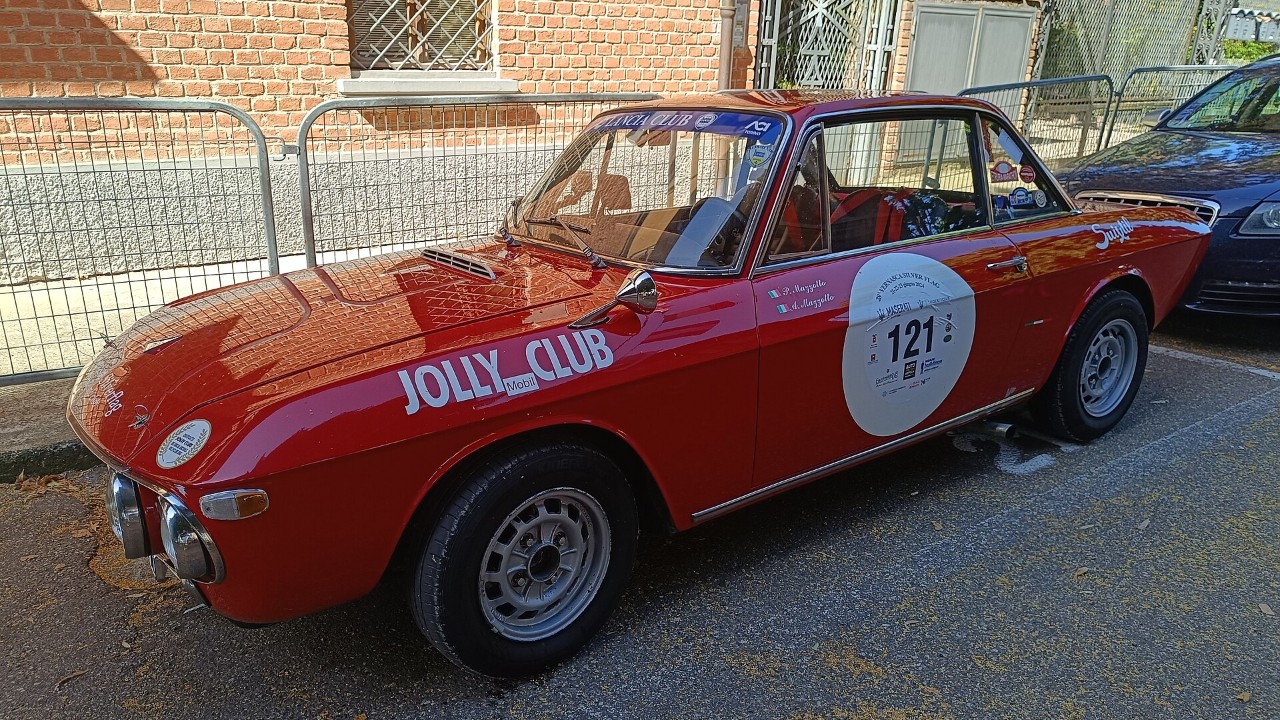
Lancia built the Fulvia Coupé as a small, upscale front-drive car with a narrow-angle V4. The Rallye HF was the lightweight, competition-minded version. According to Motorious, the early HF’s 1.2-liter V4 was tuned to make 88 horsepower.
That doesn’t sound like much, but the Fulvia was never about raw power. Instead, it was about precision and a high-revving engine in a small, tidy body. The formula worked on the stages too. Motorious notes that the Fulvia won the International Championship for Manufacturers in 1972. The 1967 Series 1 HF in its report kept its matching-numbers engine and manual gearbox, and the seller listed it with a $35,000 Buy It Now price.
In our view, the Fulvia HF is one of the great forgotten driver’s cars of the 1960s. Later Lancias such as the Stratos and Delta took the spotlight, but the Fulvia laid the groundwork. Buy on condition and history, and have a Lancia specialist check the narrow V4 before you pay. For more of its competition story, see how the 1968 Lancia Fulvia proved itself in competition.
2. 1971 Fiat 124 Sport Coupé 1600
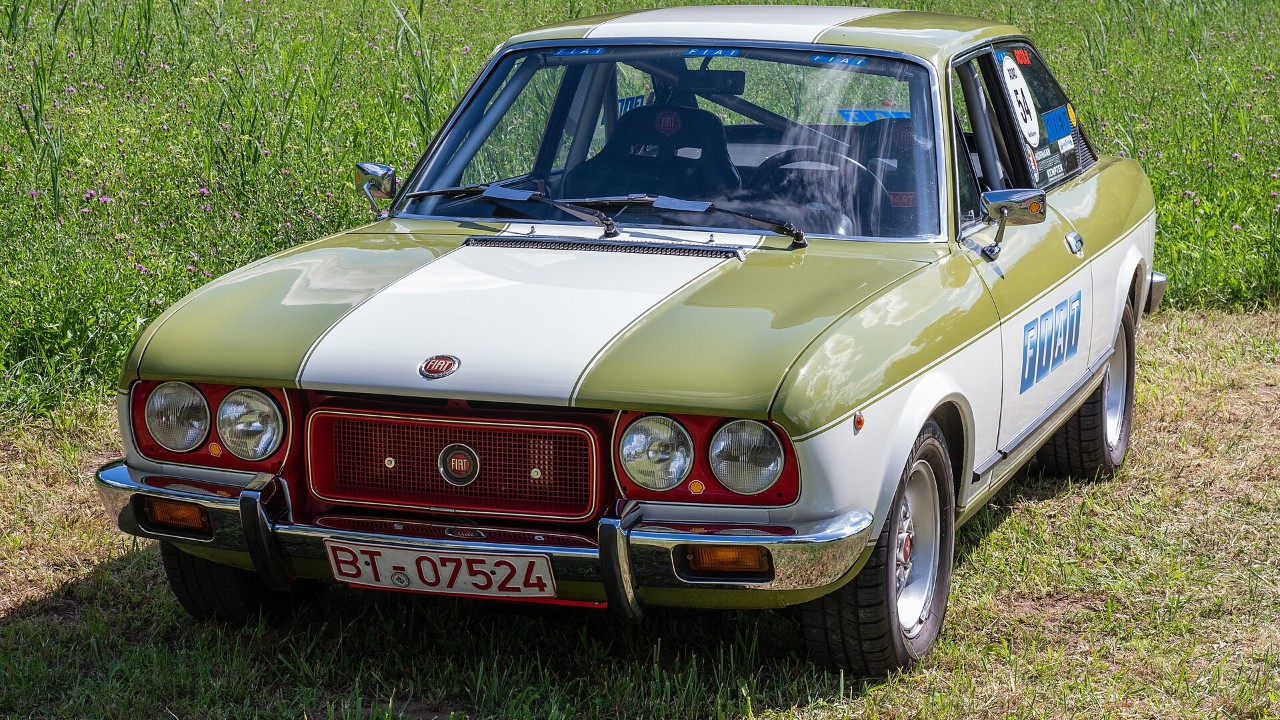
Most people remember the Fiat 124 Spider, while the coupé has faded from view. Mario Boano designed the 124 Sport Coupé, and Fiat unveiled it at Geneva in March 1967. It was a practical four-seater with a sporty heart.
Octane reports that Fiat enlarged the Lampredi twin-cam to 1608cc in 1971, which raised output to 108 horsepower. The magazine also warns that a snapped timing belt will most likely destroy the engine. In other words, keep the belt fresh and the engine will reward you. The first 1.4-liter cars made 90 horsepower, and the later CC series offered a 116-horsepower 1.8. Octane values a solid BC or CC runner at £8,000 to £12,000, with the best cars near £15,000.
We’d pick the 1600 because it pairs the stronger engine with the cleaner looks of the second-series car. It gives you most of the Spider’s charm with a usable back seat and a fixed roof. If you shop for one, start with the underside. Octane lists sills, wheelarches and chassis rails as the main rust areas.
3. 1972 Simca 1000 Rallye 2
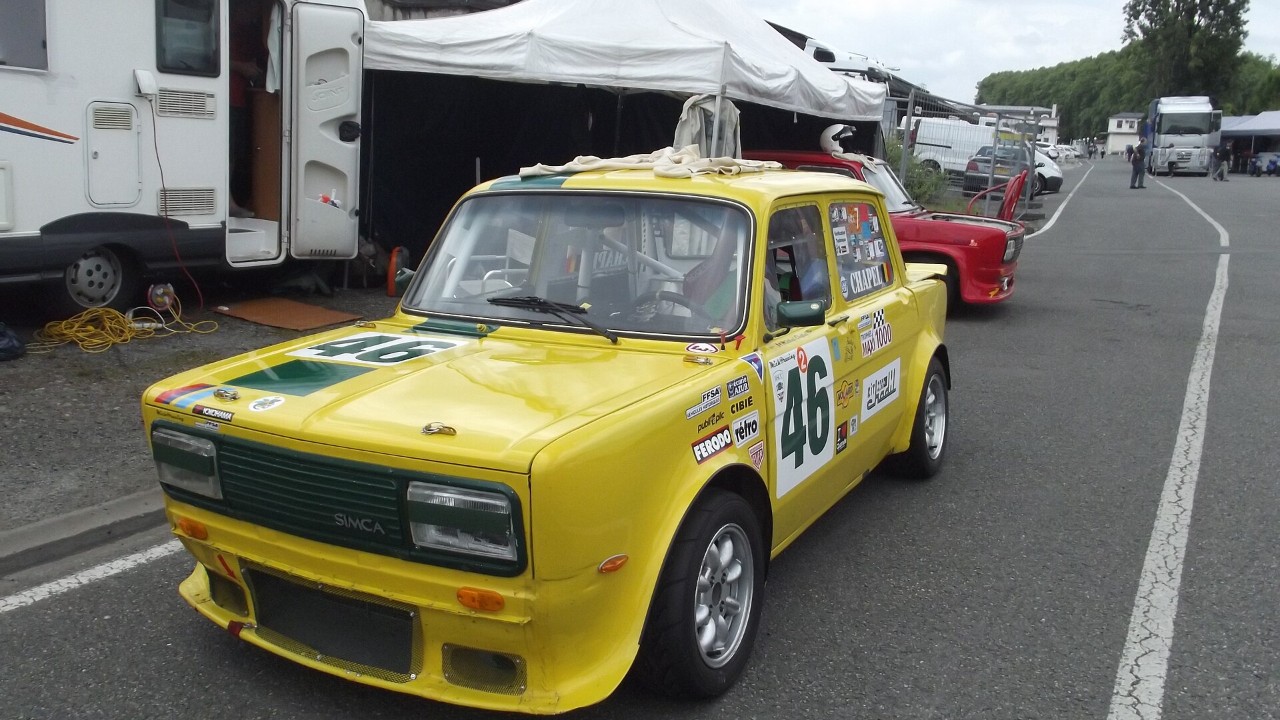
The Simca 1000 began as a small rear-engine family car, but Simca turned it into a pocket rocket. The Rallye line arrived in 1970. Then, in September 1972, the Rallye 2 brought more power and a racier look.
According to AM Klassiek, the Rallye 2 used two twin-choke Solex carburetors and made 82 horsepower, rising to 86 from 1976. It also moved the cooling radiator to the front. For 1976 the car gained a matte black bonnet, which made it easy to spot. The later Rallye 3 used two twin-choke Webers for 103 horsepower, and Simca built it in an edition of 1,000. Even so, we think the Rallye 2 is the sweet spot, because it was a regular production car you can actually find.
Our take is that the Rallye 2 is one of the most fun budget cars France ever built. It’s light, loud and tail-happy, and it needs a driver who pays attention. For an earlier chapter, our story on the Simca 1000 Rallye covers its roots. Find one with a solid body and an unmodified engine, because many were driven hard.
4. 1974 Alfa Romeo Alfasud ti
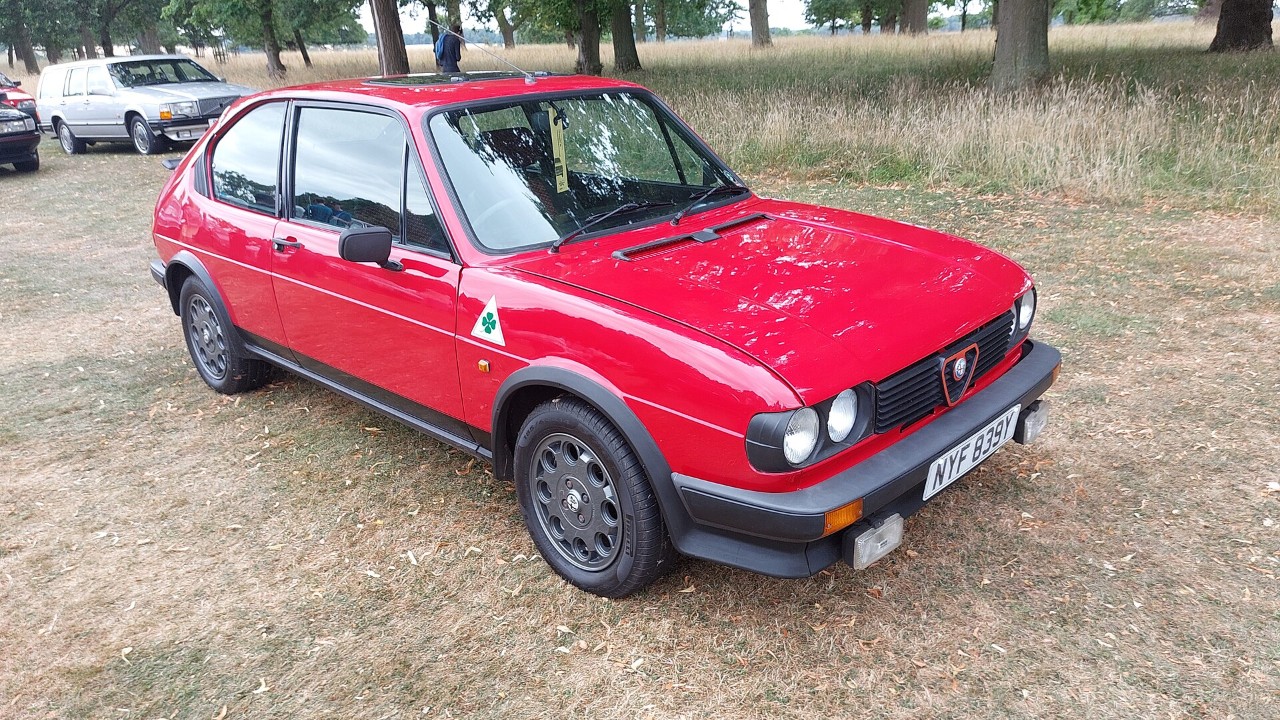
Alfa Romeo built the Alfasud in Italy’s south, and it was unlike any Alfa before it. It used front-wheel drive and a flat-four engine, which kept the weight low. The sporty two-door ti arrived in March 1974.
Classic & Sports Car lists the first ti at 68 horsepower, with 0 to 60 mph in 12.9 seconds and a top speed of 99 mph. Those numbers look modest. However, the magazine praises the car’s superb handling and roadholding, and it calls the Sud the reference small saloon for a decade. Later versions went further. Alfa added 1.3 and 1.5 ti models with the Series II in 1978, and the 1983 Green Cloverleaf ti made 104 horsepower. In all, the magazine counts 900,835 saloons and hatchbacks.
We’d call the Alfasud ti one of the best-handling small cars of the 1970s. The catch is rust, because the steel was poor and some shells rotted badly within a few years. If you want one, buy the most solid body you can find, and check that the cambelt has been replaced on schedule.
5. 1980 Matra Murena 2.2
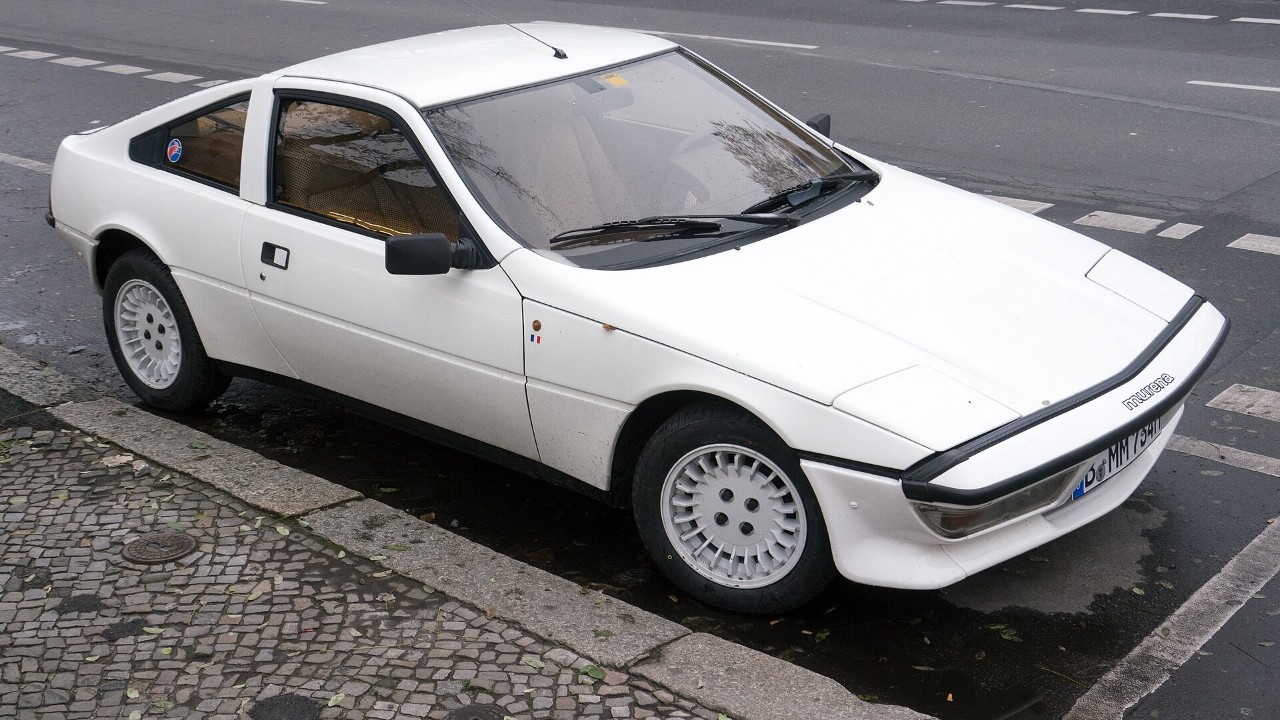
Matra’s Murena was a mid-engine coupé with three seats side by side, a layout it carried over from the Bagheera. It was sold through Talbot dealers from 1980 to 1983. The 2.2 used a Simca engine developed for the Talbot Tagora.
The Lane Motor Museum says the 2.2 made 118 horsepower and reached 113 mph. Even more impressive, the Murena used a hot-dipped galvanized frame, backed by a six-year rust-through warranty. Matra built 10,613 of them, and none were sold in the United States. Its body used 12 panels instead of the Bagheera’s 19, and its drag coefficient of 0.32 beat the older car. The museum lists its original price at £7,205.
In our opinion, the Murena is one of the most underrated mid-engine cars ever made. It’s practical, rust-resistant and balanced, with a layout usually found on far more exotic cars. Renault bought Matra in 1983, and the factory switched to building the Espace, so the Murena never got a successor. If you go looking, pick the 2.2 over the 1.6, since the bigger engine gives the chassis the power it deserves.
6. 1980 Talbot Sunbeam Lotus
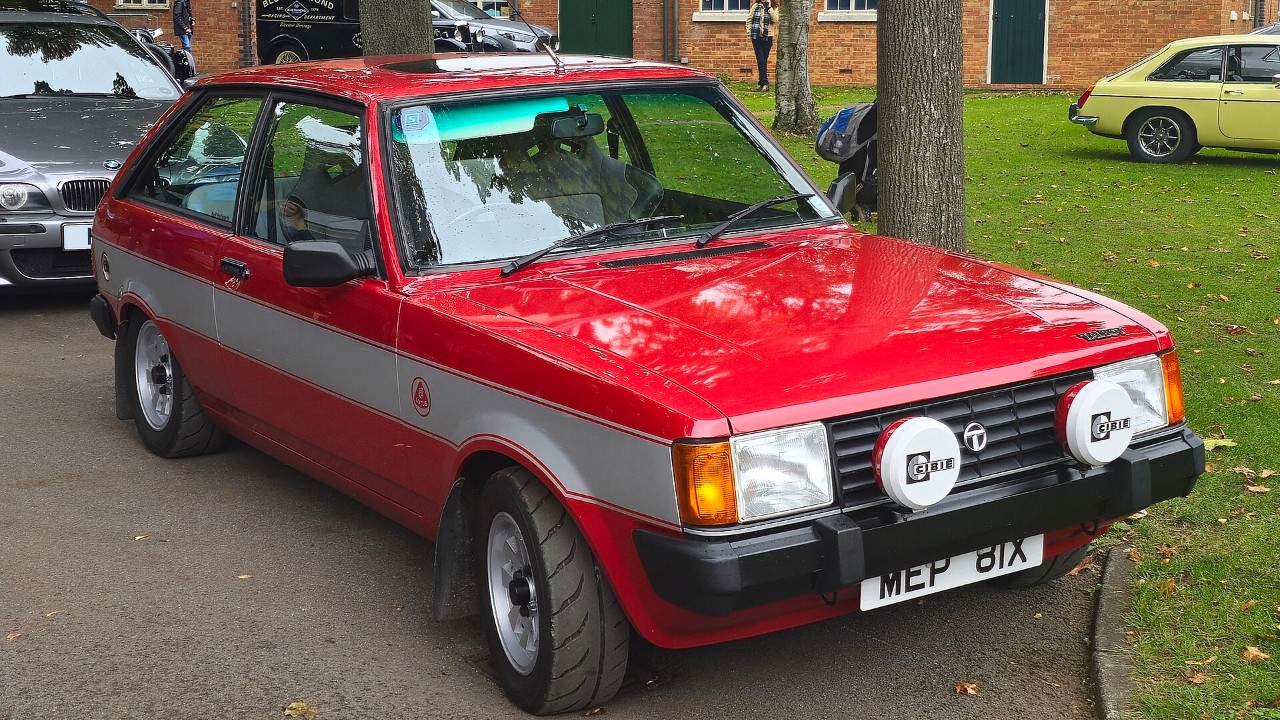
The Talbot Sunbeam Lotus started as a humble 1.6 GLS shell. Then Lotus supplied a 2.2-liter version of its type 911 16-valve four-cylinder. Talbot paired it with a five-speed ZF gearbox and began a series of 400 road cars to homologate it for competition.
Silodrome rates the road car at 150 horsepower at 5,750 rpm, while full rally versions made over 250. Henri Toivonen won the 1980 RAC Rally in one at the age of 24. The following year, the Sunbeam Lotus helped Talbot win the 1981 World Rally Championship for manufacturers. Toivonen’s teammate Guy Fréquelin also finished second in the drivers’ standings that year. Meanwhile, the car in Silodrome’s feature made 212 horsepower on the dyno, well above the road rating.
We think the Talbot Sunbeam Lotus is the biggest sleeper on this list. It looks like an ordinary family hatchback, yet it has a twin-cam Lotus engine and rally pedigree. If you shop for one, insist on a car with documented history, and have a Lotus twin-cam specialist look at the engine.
7. 1985 Merkur XR4Ti

Ford brought its European Sierra to America as the Merkur XR4Ti and sold it through Lincoln-Mercury dealers. Karmann built the car in Germany. In place of the Sierra’s 2.8-liter V6, Ford fitted a turbocharged 2.3-liter four from Brazil.
Hagerty says the five-speed version made 175 horsepower and 195 lb-ft, while the automatic made 145. It reached 60 mph in about eight seconds and kept the Sierra’s independent rear suspension and its biplane rear spoiler. Even so, buyers stayed away, and Merkur sold 42,464 over four years. The $16,500 price was steep, even though Motor Trend’s September 1984 cover called it Lincoln-Mercury’s antidote for the BMW syndrome. By 1989, Hagerty says, dealers needed $4,000 cash incentives to clear the last 2,870 cars.
We’d say the early manual car is the one to find, since Hagerty notes the two-tier spoiler and five-speed combination is the most sought after. For the full background, read how the 1986 Merkur XR4Ti gave Ford buyers something completely different. Ask for service records, and check the timing belt and the hoses near the hot turbo.
8. 1991 Isuzu Impulse RS
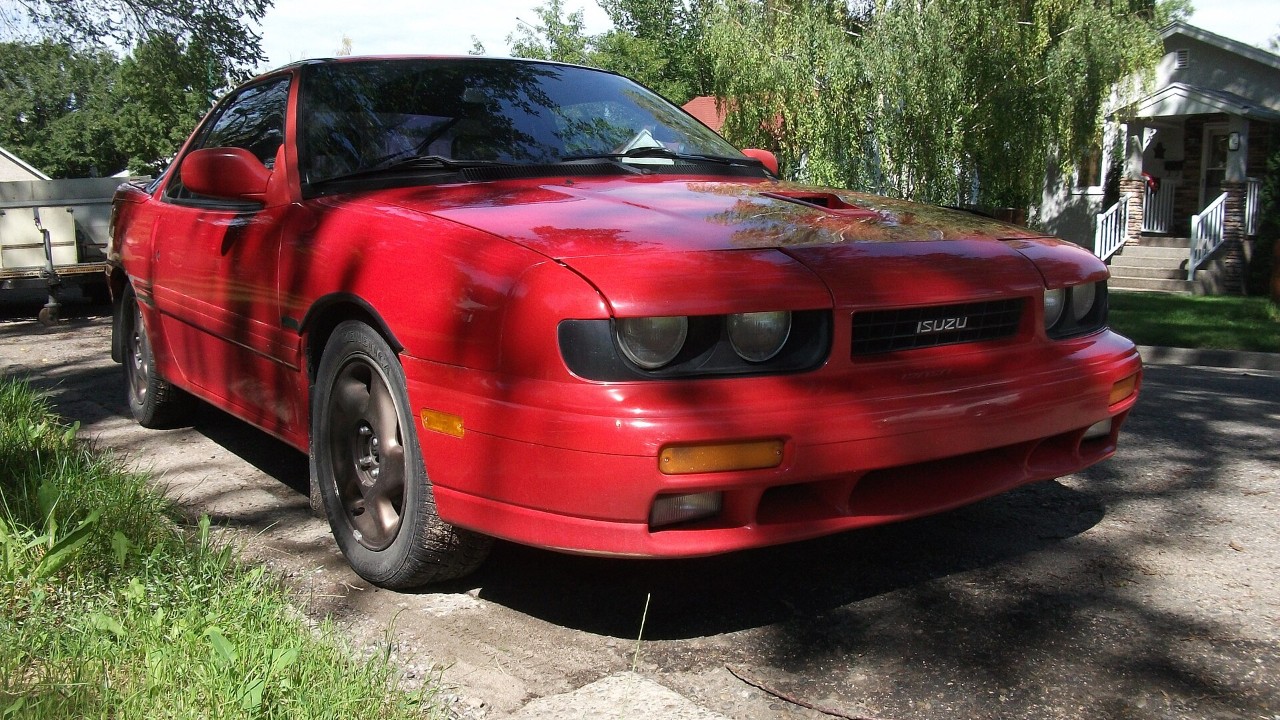
Isuzu’s second-generation Impulse was a small front-drive coupé with a famous partner. Lotus Engineering tuned the suspension on every one of them. For 1991, Isuzu added the RS, which combined a turbocharged engine with all-wheel drive.
The RS made 160 horsepower and 150 lb-ft. According to The Drive, Isuzu set the suspension geometry to Lotus’s specs, firmed up the damping and changed the stabilizer bars and spring rates. The car also used Isuzu’s own passive rear-steer system, yet the RS didn’t find many takers in North America. The Drive also points out that Lotus returned the favor, using Isuzu’s 1.6-liter engine and transmission in its own front-drive Elan. Few small Japanese coupes of the era can claim that kind of link.
Our take is that the Impulse RS was a small rally car for the street, sold at the wrong time by the wrong brand. Today it’s a genuine find. If you see one for sale, check that the all-wheel-drive system and turbo work properly, because some parts are now hard to source.
9. 1991 Nissan NX2000
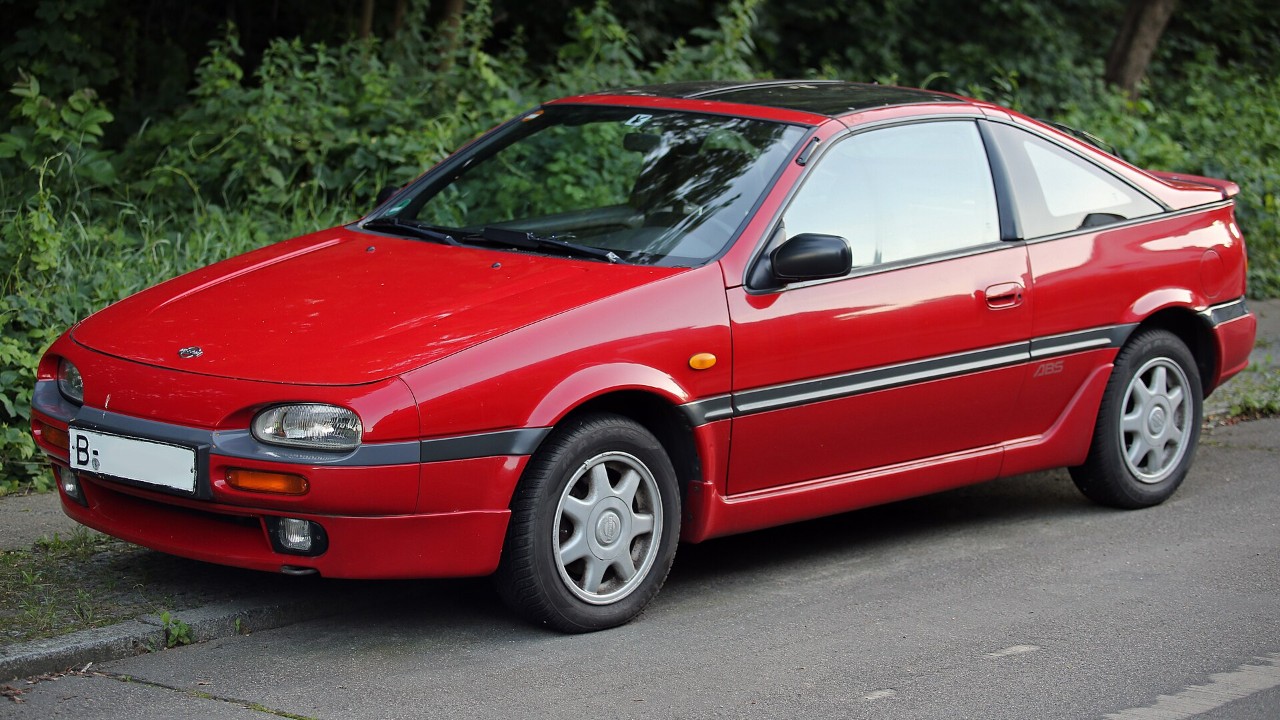
The NX2000 looked like a quirky little hatchback with oval headlights. Underneath, it shared its SR20DE engine with the Sentra SE-R. Nissan sold the NX for only a few years in the United States, and the 2000 was the fast one.
Cars.com describes a 2.0-liter, 140-horsepower four that could rev to 7,500 rpm. It also notes that Road & Track ran one from 0 to 60 mph in 8.1 seconds. The car had four-wheel disc brakes with ABS, and buyers could add removable glass T-tops for $900. Nissan quoted 130 lb-ft of torque at 4,800 rpm, and the tester saw close to 32 mpg on the highway. Prices for the NX range ran from $11,470 for a 1600 to $15,405 for a 2000 automatic with the T-bar roof.
We’d rank the NX2000 as one of the best affordable driver’s cars of the early 1990s. It’s light, eager and simple, with a chassis that rewards a good driver. Many have been modified or worn out, so the best plan is to look for a stock, well-kept car with a clean history.
More from Fast Lane Only