The 1930s were a decade of remarkable automotive innovation despite the economic challenges of the Great Depression. Manufacturers experimented with new engineering, improved aerodynamics, stronger bodies, and more efficient engines to attract buyers in a difficult market. Many of the ideas introduced during this period became standard features in the decades that followed. These groundbreaking cars helped shape the future of the automobile and left a lasting influence on automotive design and engineering.
Chrysler Airflow

The Chrysler Airflow was one of the first American production cars designed with aerodynamics in mind. Its streamlined body, integrated fenders, and forward-mounted passenger compartment gave it a look unlike anything else on the road. Although buyers were slow to embrace its bold appearance, the Airflow proved that aerodynamic design could improve both performance and comfort, influencing future automotive styling around the world.
Cord 810
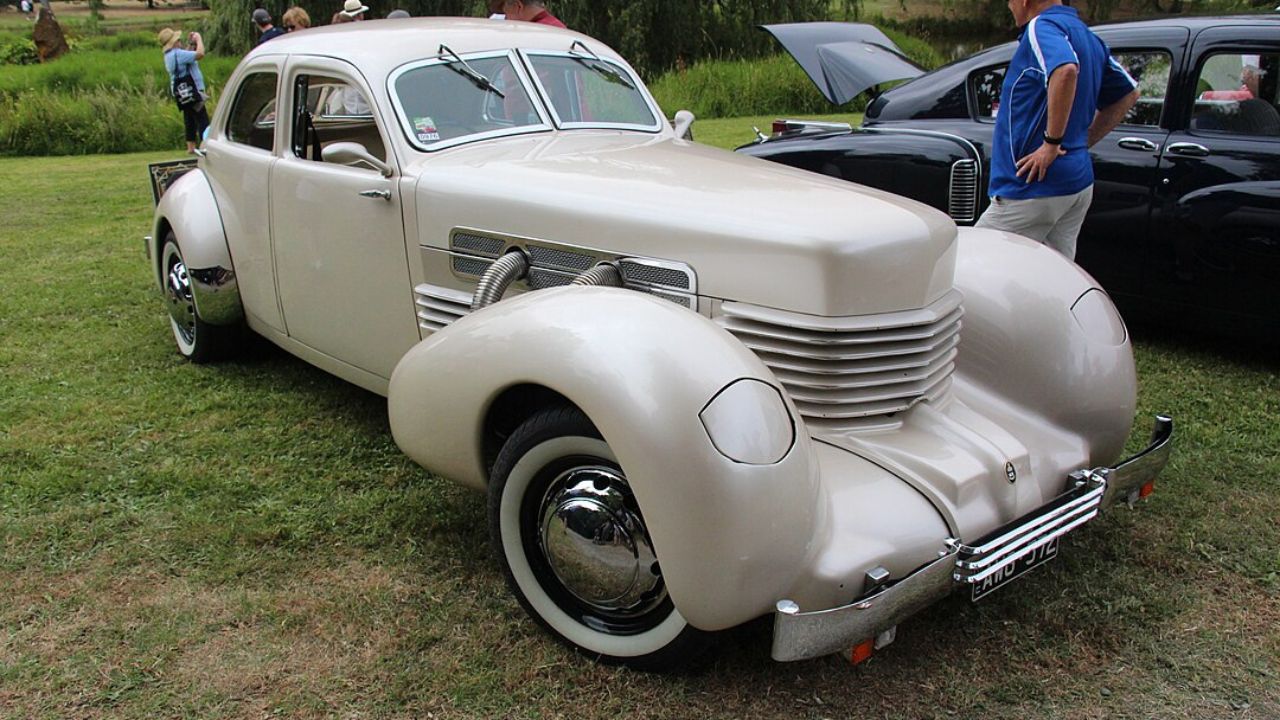
The Cord 810 introduced advanced engineering that seemed years ahead of its time. It featured front-wheel drive, hidden headlights, and a sleek body without conventional running boards. These innovations created a modern appearance that inspired designers for decades. Although production numbers remained limited, the Cord 810 demonstrated that bold engineering could transform the look and feel of a production automobile.
Lincoln Zephyr
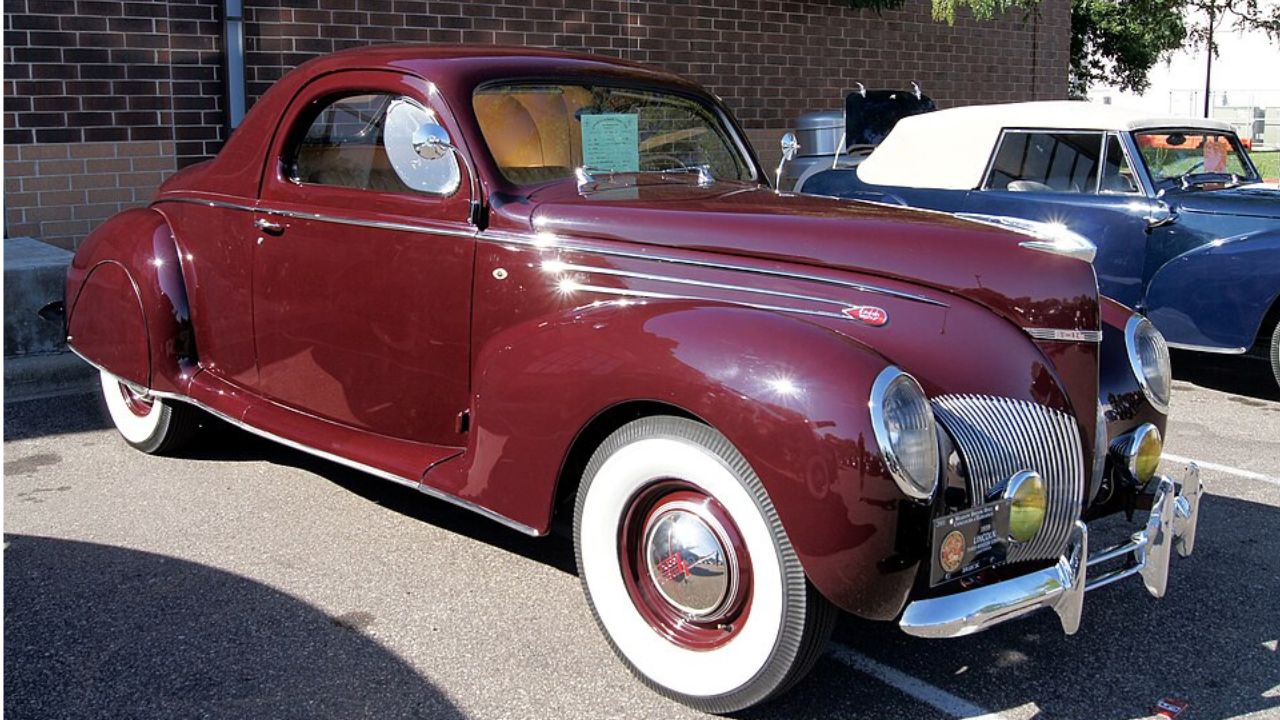
The Lincoln Zephyr combined streamlined styling with a lightweight unibody-inspired structure and a smooth V12 engine. Its elegant shape reflected the growing influence of aerodynamics while making luxury more accessible than previous Lincoln models. The Zephyr’s clean design helped establish a new direction for American luxury cars and remains one of the most influential vehicles introduced during the decade.
Peugeot 402
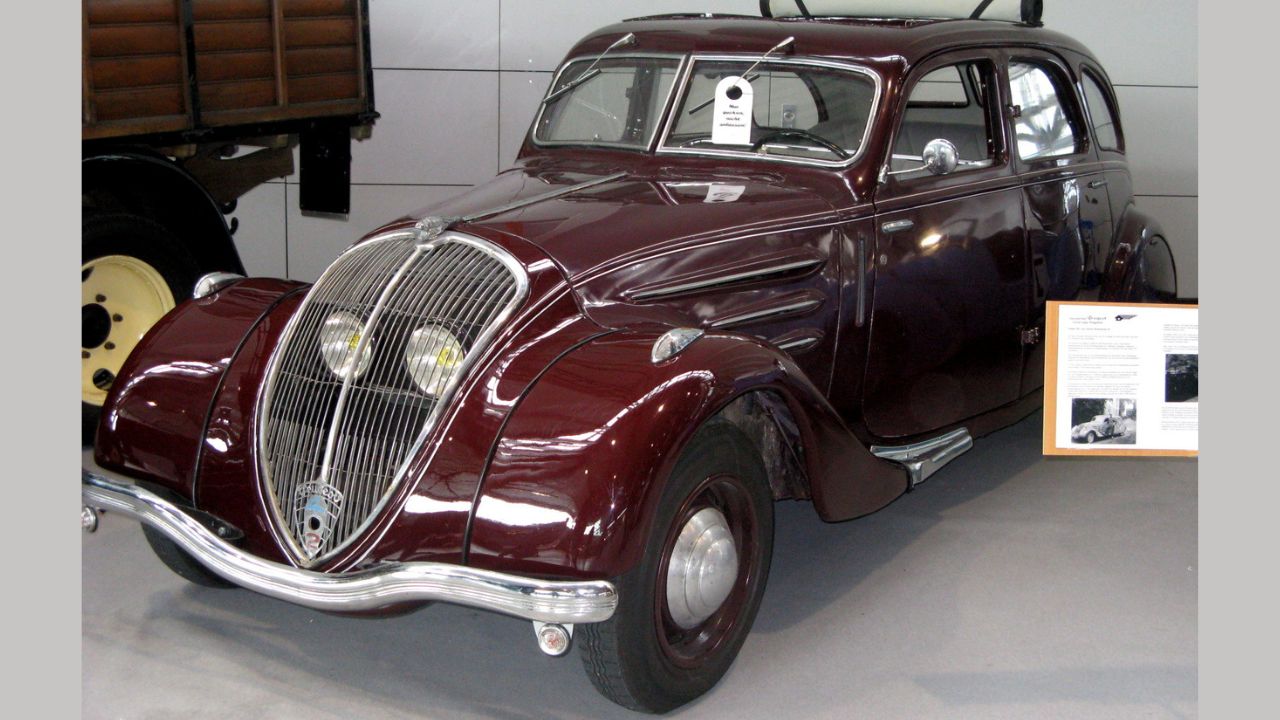
The Peugeot 402 embraced aerodynamic styling with its flowing body lines and headlights hidden behind the front grille. Its appearance reflected the growing streamlining movement that influenced automotive design throughout Europe. Beyond its attractive shape, the 402 also delivered improved efficiency and comfortable road manners. It demonstrated that practical family cars could benefit from advanced styling as much as luxury automobiles.
Tatra 77
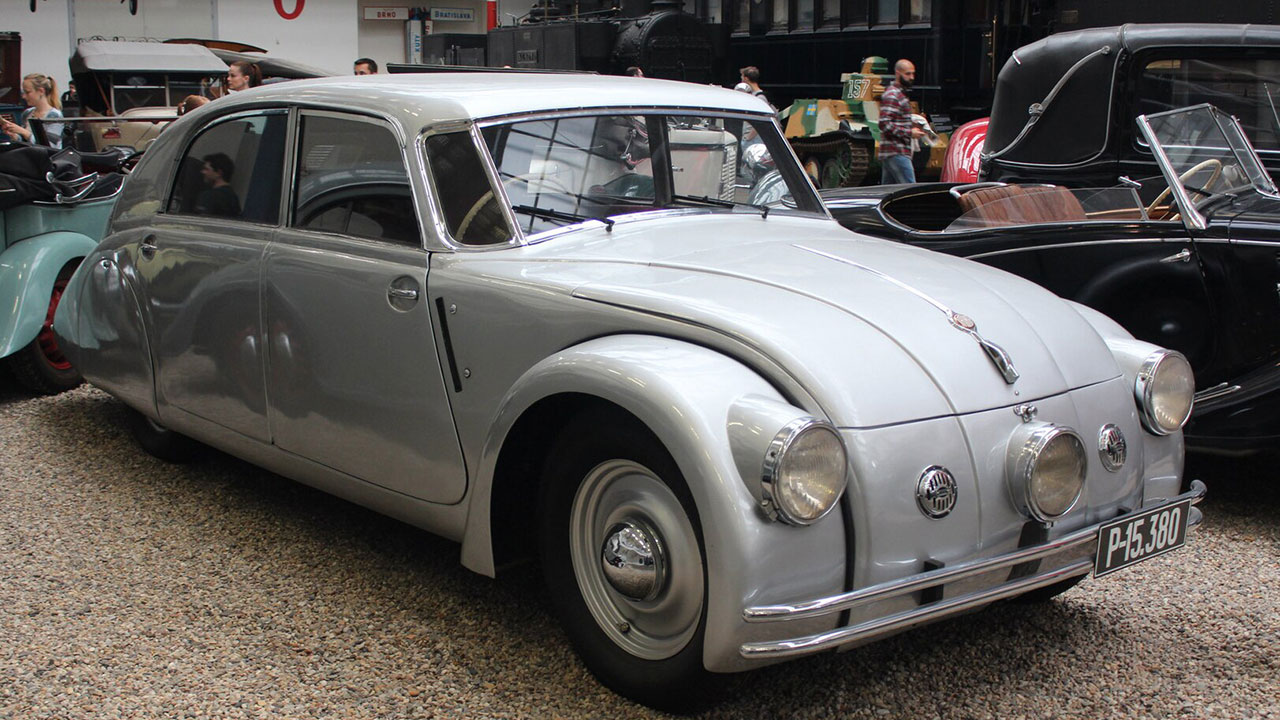
The Tatra 77 was one of the world’s first production cars developed using extensive aerodynamic research. Its streamlined body and rear-mounted air-cooled V8 engine created a design that looked decades ahead of its rivals. Although produced in limited numbers, the Tatra 77 influenced automotive engineers and designers around the world by showing how science could improve both efficiency and high-speed stability.
Citroën Traction Avant
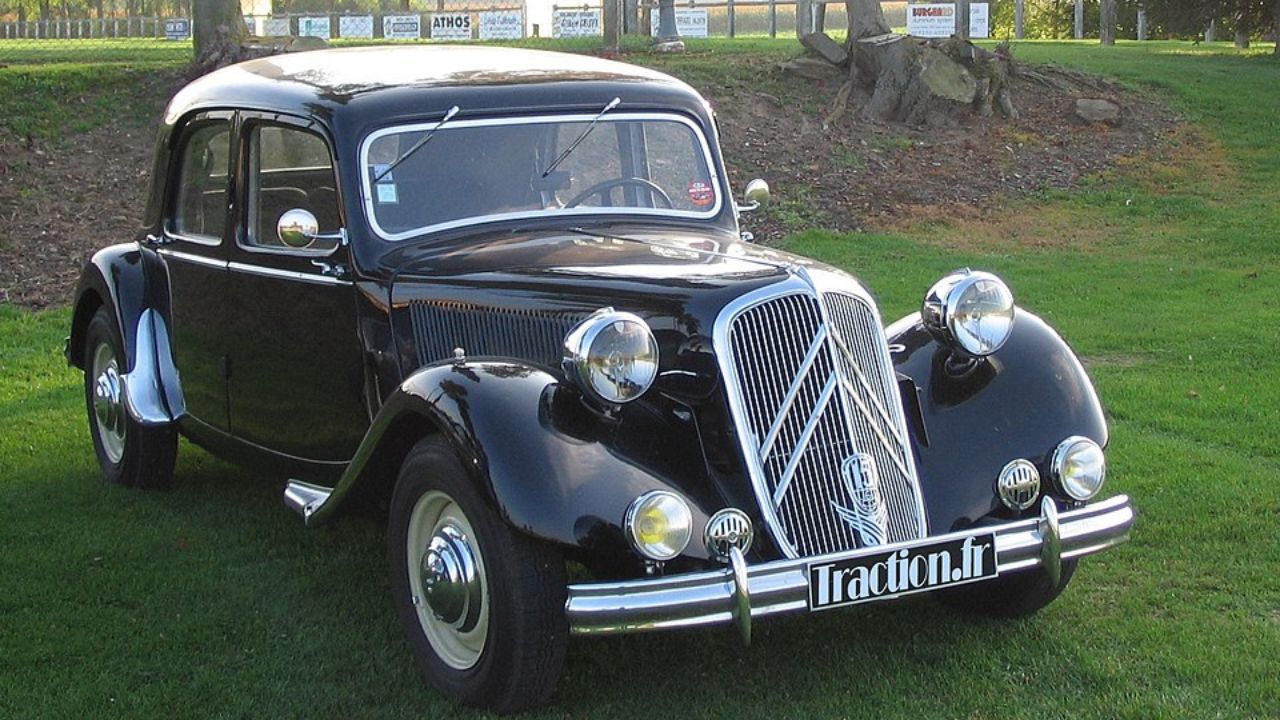
The Citroën Traction Avant revolutionized automotive engineering by combining front-wheel drive with a unitized body structure and independent front suspension. These features improved handling, ride quality, and interior space while reducing weight. Many of its innovations became common across the industry in later decades. The Traction Avant remains one of the most technically important production cars ever built.
BMW 328
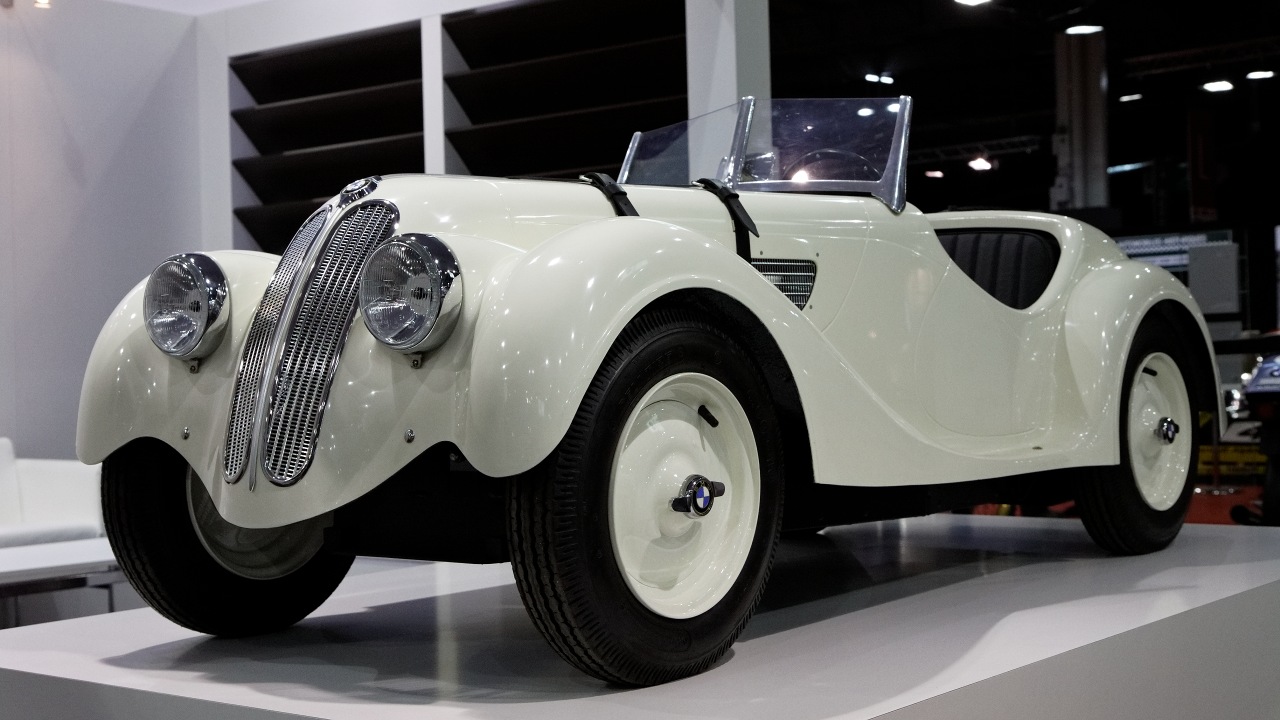
The BMW 328 demonstrated how lightweight engineering and careful chassis tuning could create an exceptional sports car. Its responsive handling and advanced six-cylinder engine helped it dominate motorsport events while influencing future performance car development. The 328 established many of the principles that would later define BMW’s reputation for building driver-focused automobiles.
Cadillac Series 60
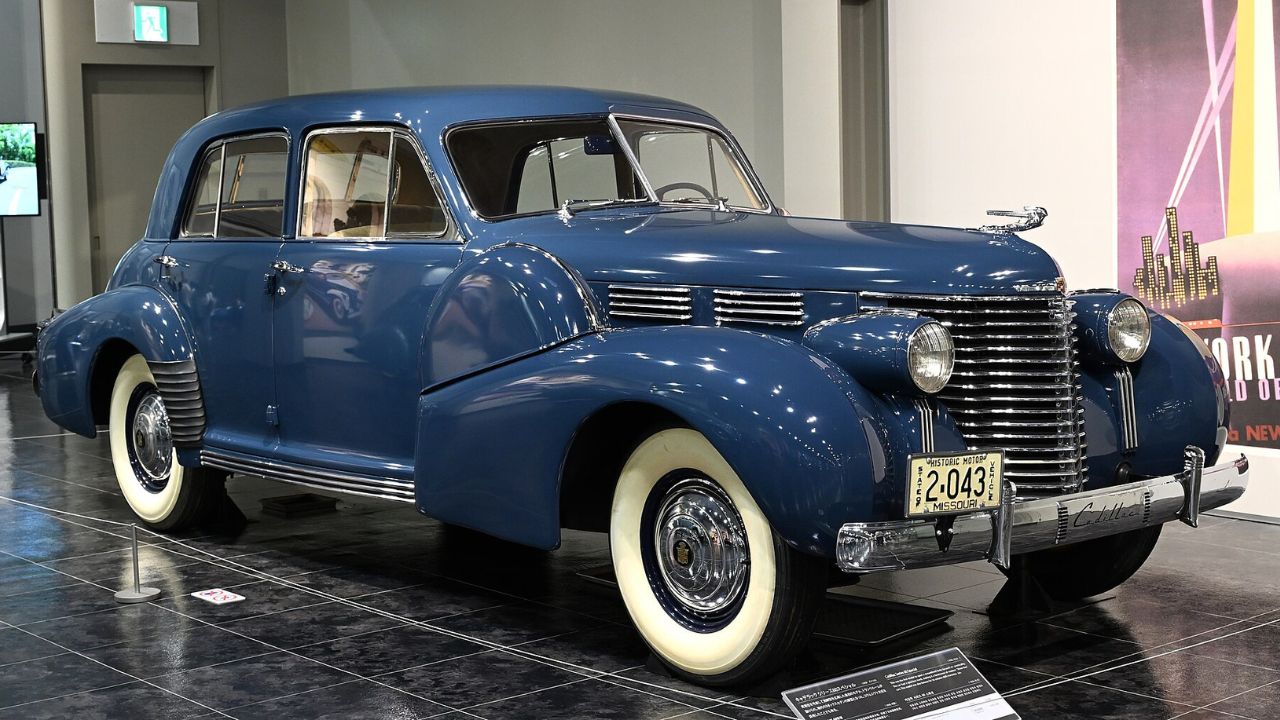
The Cadillac Series 60 introduced a more affordable approach to luxury without sacrificing quality or performance. Its modern styling, refined engineering, and strong V8 engine attracted buyers seeking prestige at a lower price than Cadillac’s larger models. The success of the Series 60 reshaped Cadillac’s lineup and helped redefine the American luxury car market during the late 1930s.
Volvo PV36 Carioca
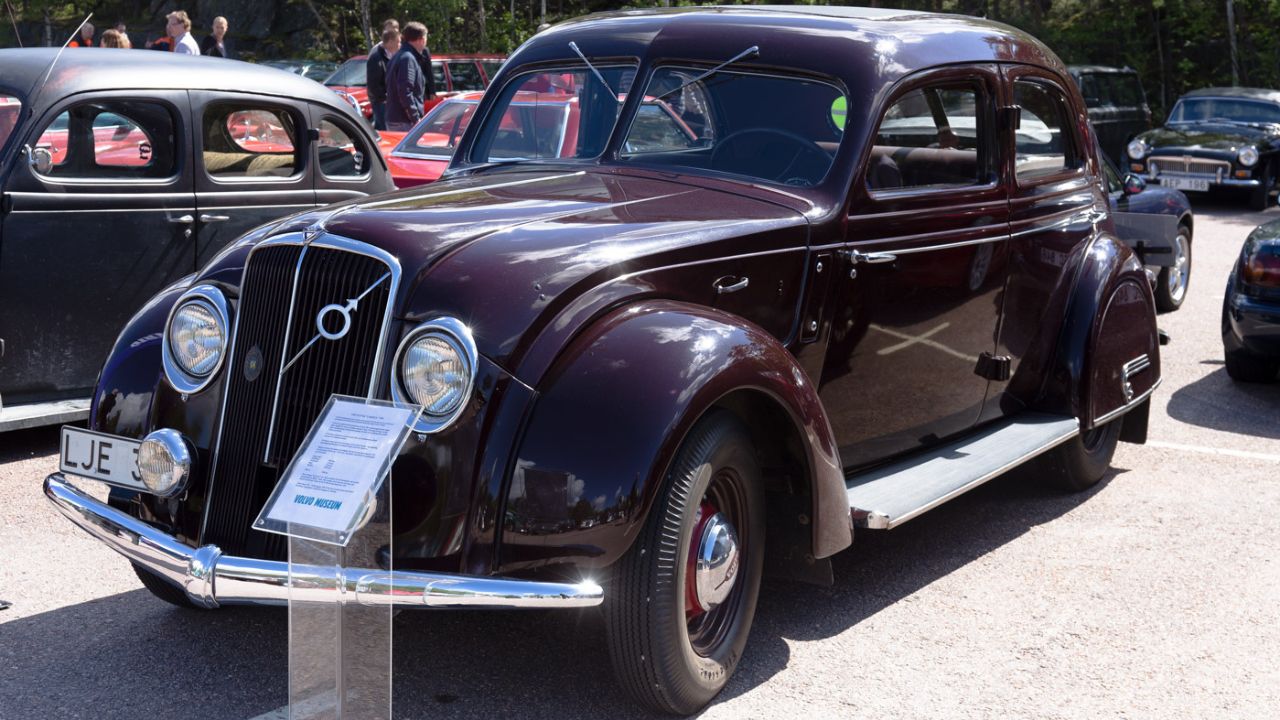
The Volvo PV36 Carioca brought streamlined styling and all-steel construction to Scandinavian automotive design. Inspired by aerodynamic trends, it offered a modern appearance that differed dramatically from earlier Volvo models. Although production remained limited, the PV36 demonstrated Volvo’s willingness to embrace new ideas and helped lay the foundation for the company’s future emphasis on engineering and innovation.
Adler Trumpf
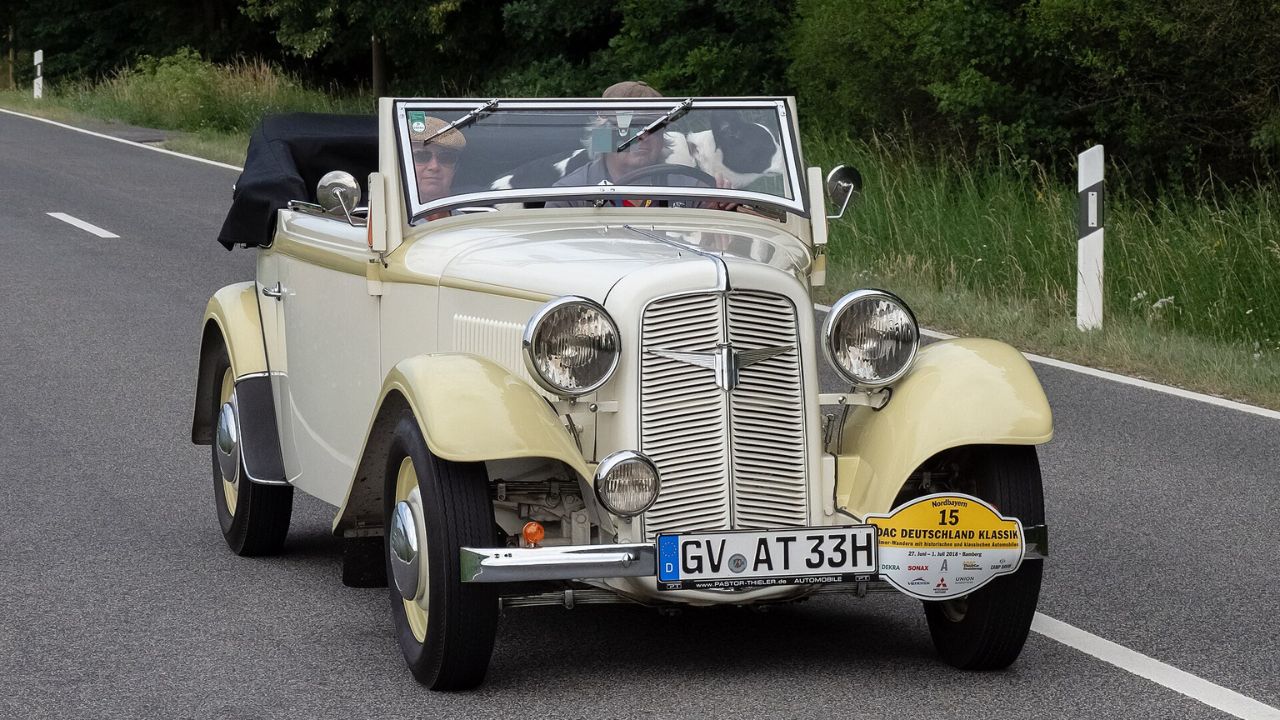
The Adler Trumpf helped introduce front-wheel drive to a broader audience in Europe. Its efficient layout improved interior space while delivering confident handling and dependable performance. Combined with independent suspension and modern engineering, the Trumpf demonstrated that advanced technology could be practical as well as innovative. Its influence can be seen in the front-wheel-drive layouts that later became standard across much of the automotive industry.
More from Fast Lane Only
- Unboxing the WWII Jeep in a Crate
- 15 rare Chevys collectors are quietly buying
- 10 underrated V8s still worth hunting down
- Police notice this before you even roll window down
*Research for this article included AI assistance, with all final content reviewed by human editors.