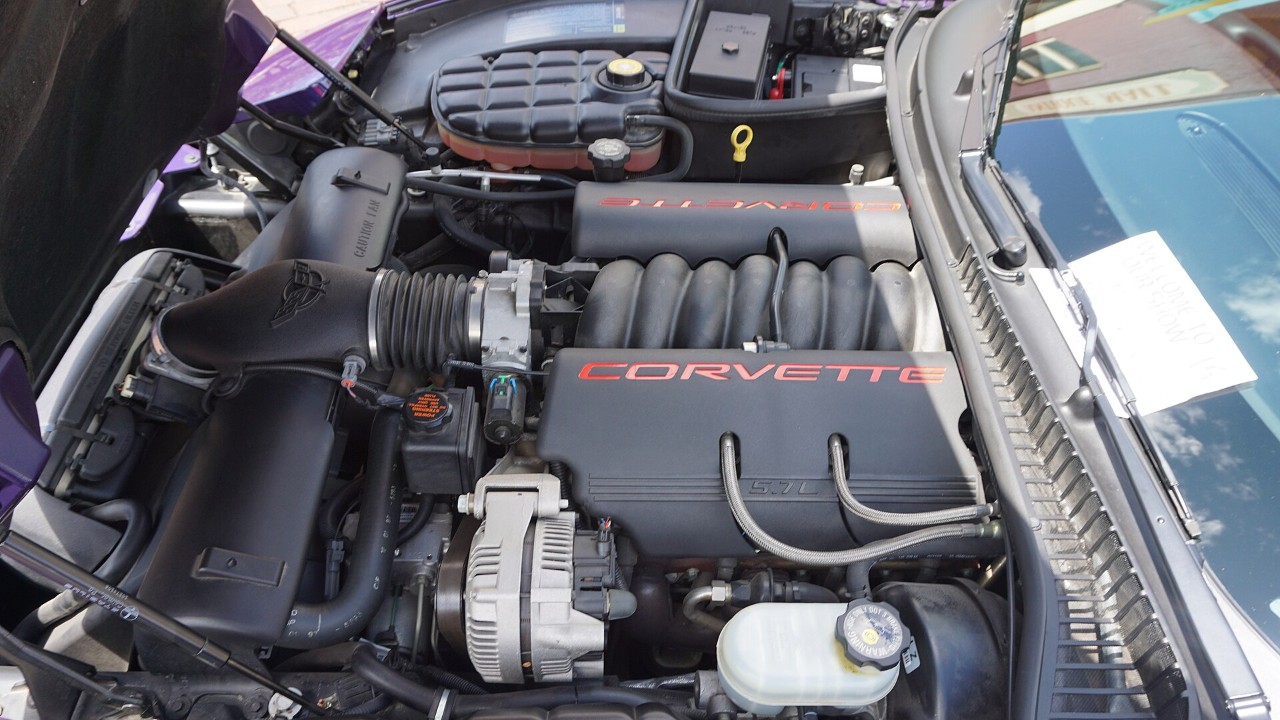
The Chevrolet LS1 V8 arrived in the 1997 Corvette, and within a few years it powered Camaros, Firebirds and a Pontiac GTO. Hot rodders now drop it into almost anything with a driveshaft. That kind of second life only happens to an engine people believe in.
Trust is a funny thing with V8s. Some engines earned it with simple, tough parts that shrug off neglect. Others earned it with careful engineering that made them smooth and long-lived from day one. A few have one known weak spot that owners learned to manage.
These are our picks: 11 V8s we’d trust completely, from Detroit, Germany and Japan. The trust is our opinion. However, the years, outputs and engineering details come from maker records, auction listings and reference sources we read for this story.
1. 1997–2004 Chevrolet LS1 V8
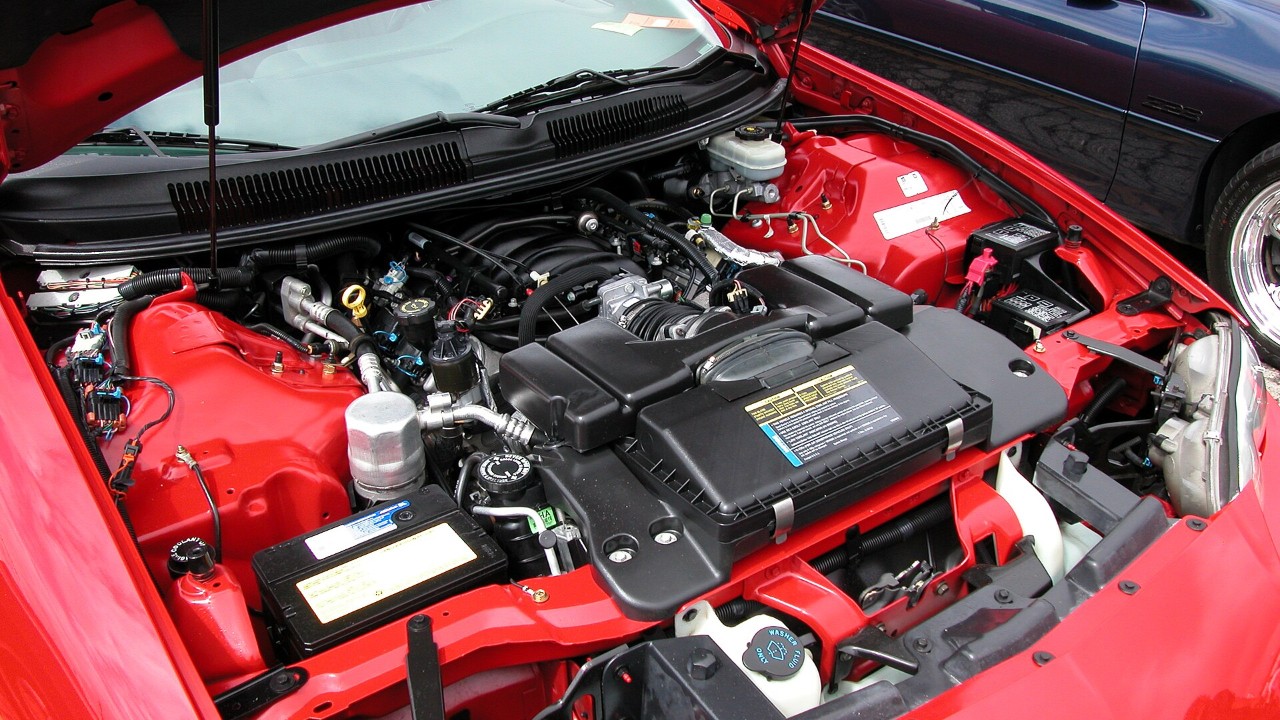
The engine in the photo sits in a 1998 Camaro Z28, the first year the LS1 went into GM’s F-body cars. Chevrolet built the LS1 as a clean-sheet design with an all-aluminium block for cars. It kept the 4.40-inch bore spacing of the old small-block, yet almost everything else was new.
Also, the block used a deep skirt and six-bolt main bearings, and coil-near-plug ignition replaced the distributor. In the 1998 Camaro Z28, the LS1 made 305 to 310 hp. According to Hagerty’s LS/LT encyclopedia, later Corvette versions reached 350 hp. Hagerty also says the engine “quickly earned a reputation for durability, remarkable power production, and surprising efficiency.”
Our take: the LS1 is the easiest V8 on this list to trust, because so many have been run hard and kept going. It is also cheap to build and service, because parts are everywhere. If you want one, a Camaro or Firebird from 1998 to 2002 is the most affordable way in.
2. 2005–2010 Ford 4.6 Modular Three-Valve V8
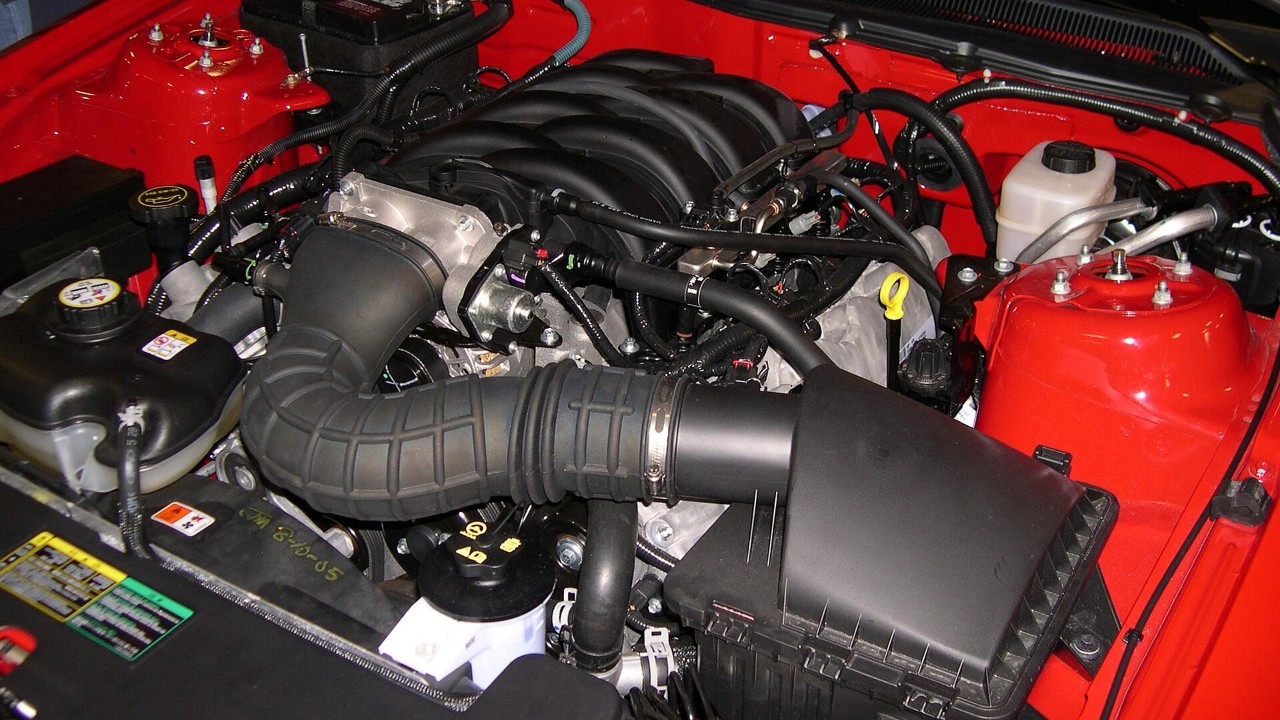
Ford’s Modular V8 family began with a two-valve 4.6 in the 1991 Lincoln Town Car. The three-valve version came much later, in the redesigned 2005 Mustang GT pictured here. It was the first three-valve 4.6 with variable camshaft timing, and it made 300 hp and 320 lb-ft in the Mustang.
At the same time, the engine used charge motion control valves to speed up air at low revs, which helped both emissions and low-end torque. Ward’s put it on its 10 Best Engines list from 2005 through 2008. Later, the 2008–2009 Bullitt and the 2010 Mustang GT got 315 hp. Ford also used the engine in the Explorer and the F-150.
It does have one known quirk. Ford’s service bulletin 08-7-6 covers three-valve engines built before November 30, 2007, where the two-piece spark plug can break and leave part of it in the head. In our view, that is a maintenance headache rather than a durability flaw. So budget for a careful plug change, and otherwise trust it.
3. Mercedes-AMG M113K Supercharged V8
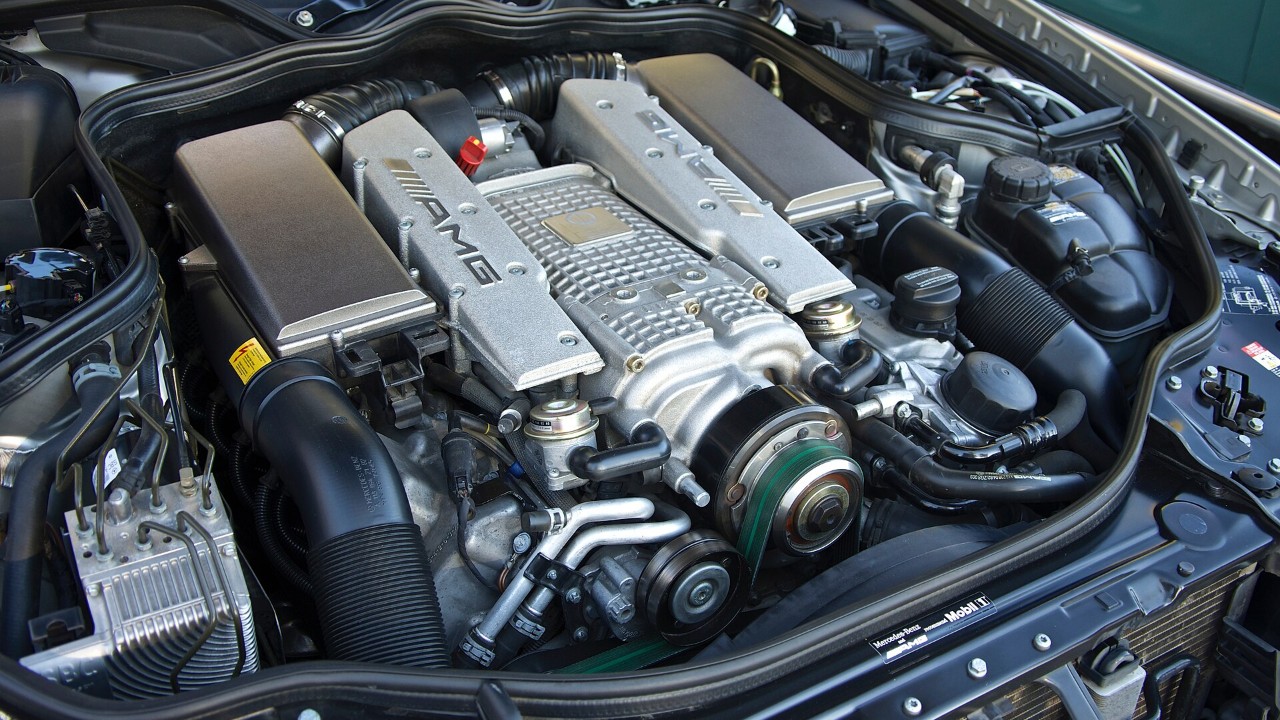
This is the engine under the hood of the E55 AMG. AMG took Mercedes’ 5,439 cc M113 V8 and added a supercharger with twin intercoolers. The base engine already had an Alusil aluminium block, three valves per cylinder and two spark plugs per cylinder.
In the W211 E55 AMG, sold from 2003 to 2006, the M113K made 469 bhp at 6,100 rpm. Torque landed between 700 and 800 Nm depending on the car, available from 2,750 rpm. Mercedes also used it in the S55, SL55, CL55, CLS55 and G55 AMG.
That long list matters, because it shows range. An engine that served in everything from a two-seat roadster to the heavy G-Class had to be tough. We’d trust an M113K more than most supercharged engines of its age, because the single-cam, three-valve design keeps things simple. Even so, buy one with service records, as any big-power German car rewards a careful owner.
4. Chevrolet Turbo-Jet 454 V8
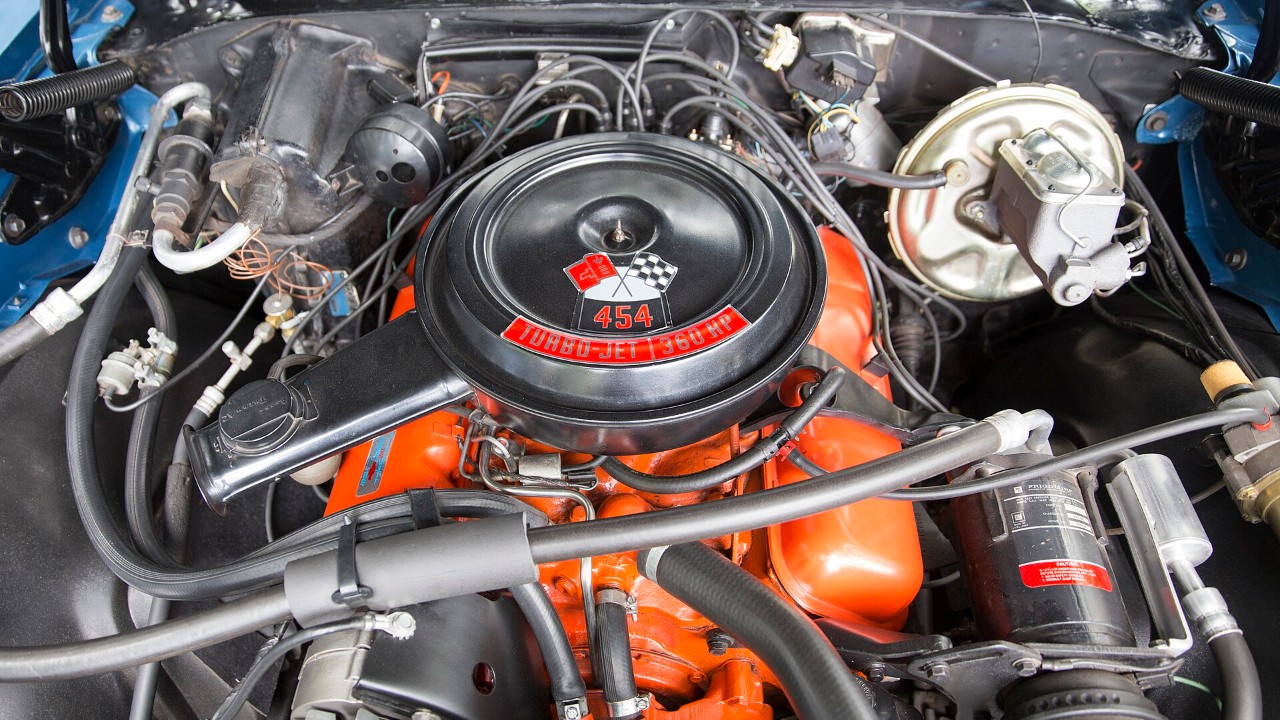
Chevrolet added the 454 to its big-block line for 1970, with a 4.25-inch bore and a 4-inch stroke. The photo shows one in a 1970 Monte Carlo SS. The Mark IV design behind it dated to 1965, and its canted valves led the press to nickname the heads “porcupine” heads.
However, ratings varied by version. Barrett-Jackson’s listing for one 1970 Monte Carlo SS 454 describes its matching-numbers LS5 as a 360-hp Turbo Jet V8 paired with a Turbo 400 automatic. Meanwhile, the LS6 was rated at 450 bhp at 5,600 rpm.
The 454 lived far beyond the muscle era. It powered Caprices through 1976, and GM trucks used a fuel-injected 454 from 1987 to 1990. A truck version called the Vortec 7400 followed from 1996. In our view, any engine that went from street racers to work trucks has earned trust. The easy-going LS5 is the version we’d pick.
5. 1964–1965 Chrysler 383 Low-Block V8
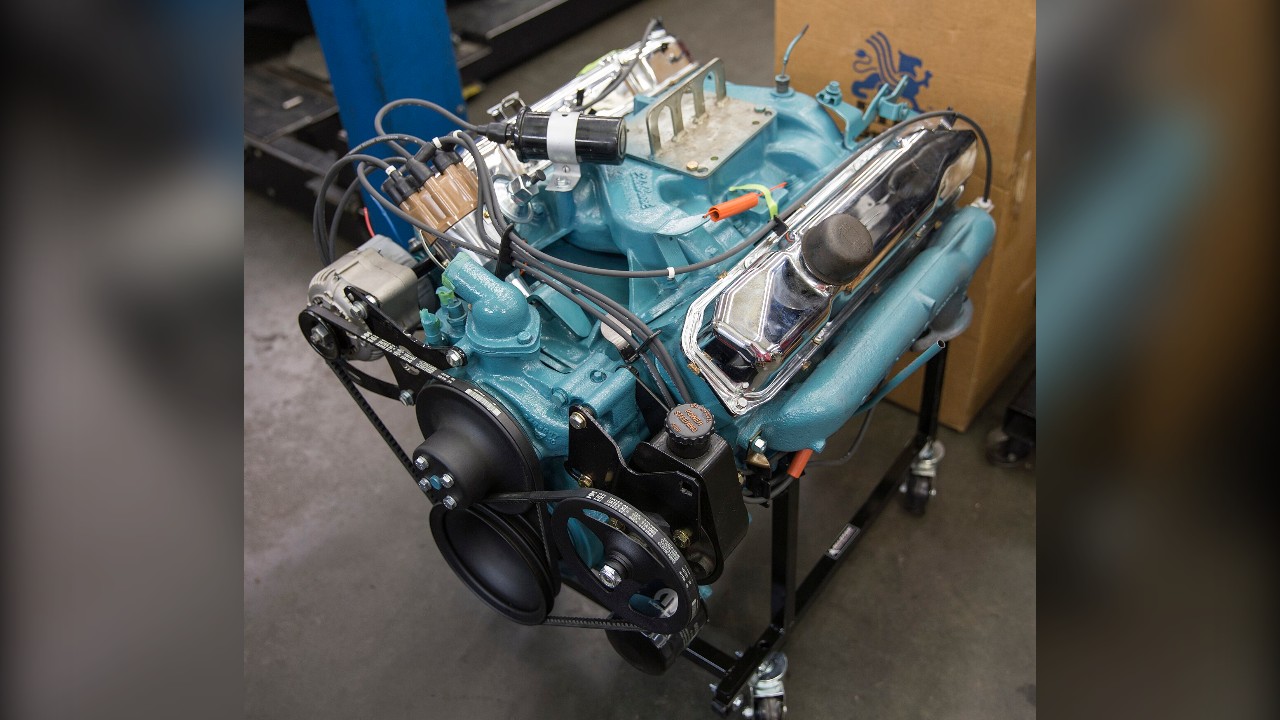
Chrysler introduced the 383 B engine in 1959. The B was the low-deck block, as opposed to the taller RB, and the 383 combined a 4.25-inch bore with a 3.375-inch stroke. Like every B and RB engine, it used wedge-shaped combustion chambers.
As a result, that simple recipe ended up almost everywhere. The 383 went into Chrysler Newports and 300s, Dodge Coronets and Chargers, and Plymouth Furys and Road Runners. Later, it also crossed the Atlantic in Jensen, Facel Vega and Bristol models. From 1968, Chrysler advertised the 383 Magnum at 335 hp.
The 400 replaced it for 1972, after more than a decade in production. In our view, the 383 is the most trustworthy Mopar big-block for ordinary driving. It lacks the drama of a Hemi, but it was built for daily use in family cars. Then it proved strong enough for muscle cars as well, which is why we’d trust one first.
6. AMC 401 V8
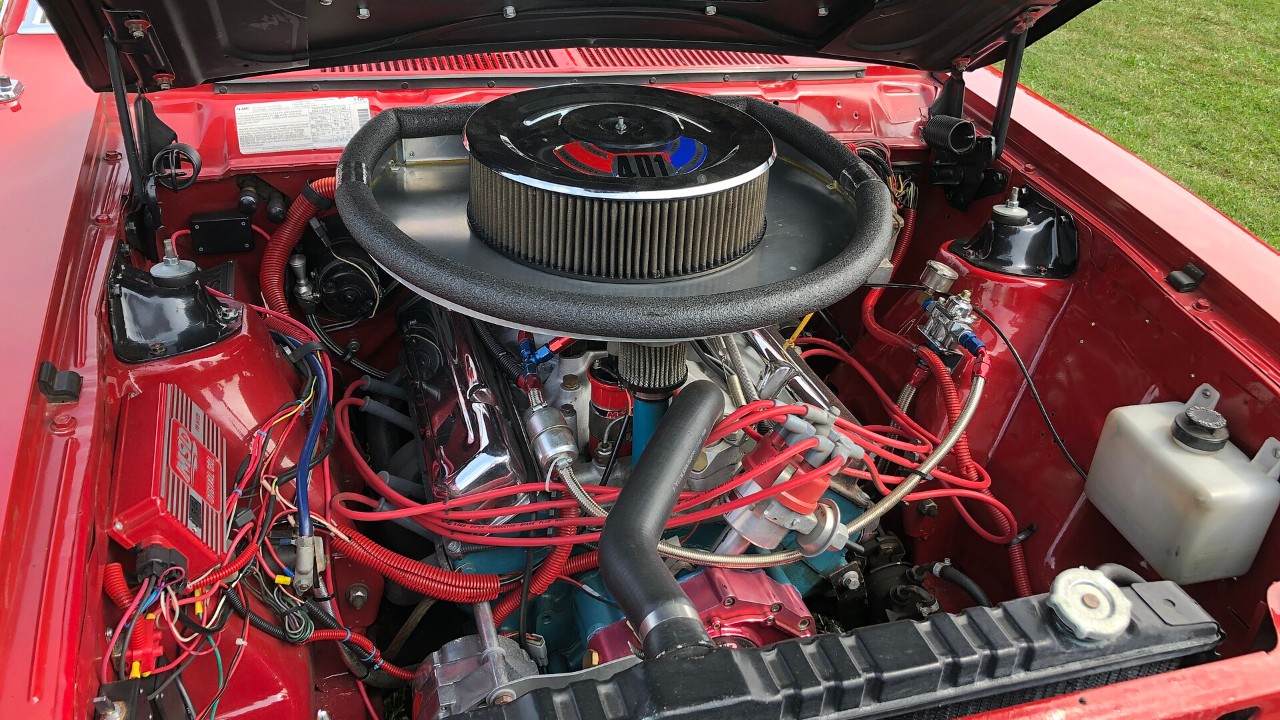
The 401 shown here is not in an AMX or Javelin. Instead, it sits in a modified 1982 AMC Spirit at an AMC club drag day. That says something about how owners treat this engine, as a strong base for a build.
AMC created the 401 for 1971 by stroking its 390 to 3.68 inches. Like the 390, it used a forged steel crankshaft and forged connecting rods. Those are parts we like to see in any V8. It was rated at 330 hp gross in 1971. Later, emissions rules cut it to 255 hp net from 1972 to 1975.
AMC offered the 401 in the Javelin, Matador, Ambassador and full-size Jeeps. In 1975 and 1976, the big Matador could get it only for police orders. Full-size Jeeps kept it until 1978. Our take: forged internals and police duty are two good reasons to trust any engine. Here you get both.
7. Buick 401 Nailhead V8
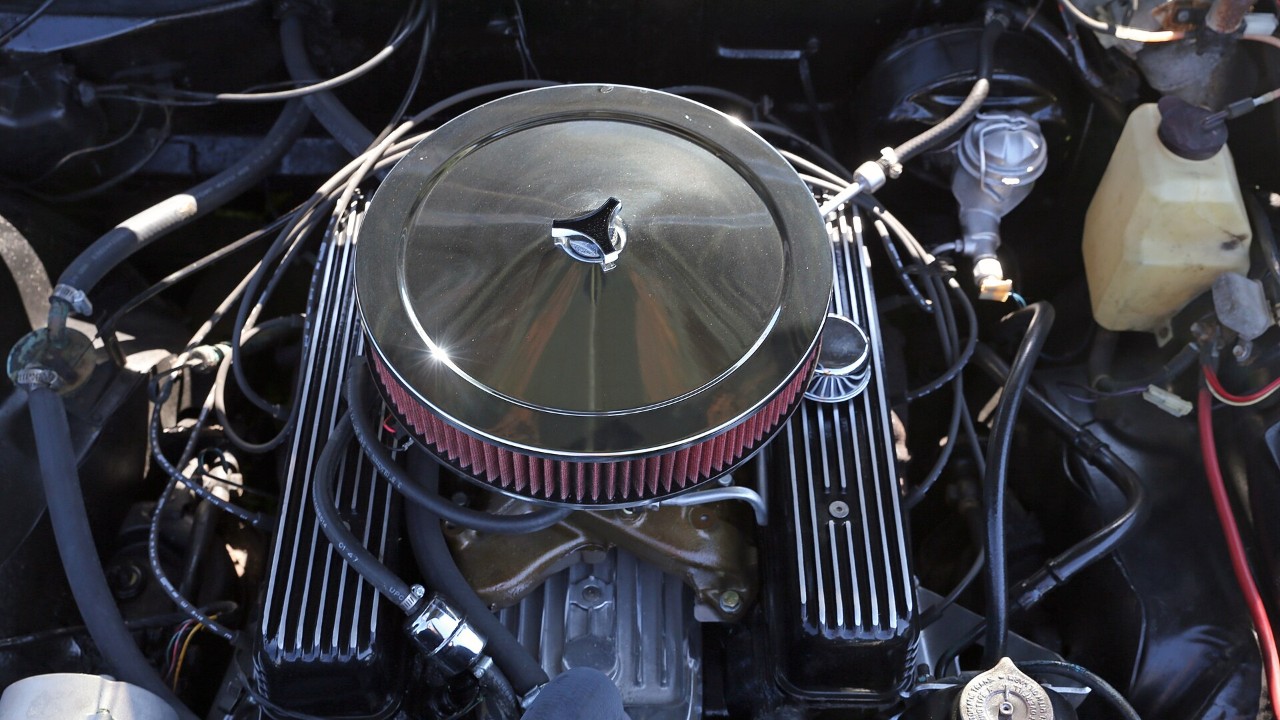
Hot rodders gave the Nailhead its name. Buick’s first V8 used unusually small valves with long stems, and the racers said they looked like nails. The engine family ran from 1953 to 1966, and the 401 belonged to the second generation, built from 1959.
Buick’s own names hint at what mattered. The Wildcat 375, 410 and 445 labels referred to torque in lb-ft, not horsepower. In short, the Nailhead was a torque engine above all, designed to move heavy cars without fuss. Our photo shows a 401 in a 1963 Buick LeSabre, where the two-barrel Wildcat 410 was the standard engine.
Later, the 401 was rebadged as the 400 because of GM’s displacement limit for mid-size cars, with no change in displacement. It went into the Skylark Gran Sport and the Wildcat. In our view, a Nailhead is a calm, low-revving engine that rewards gentle use. That is exactly why we’d trust it.
8. Pontiac 389 V8
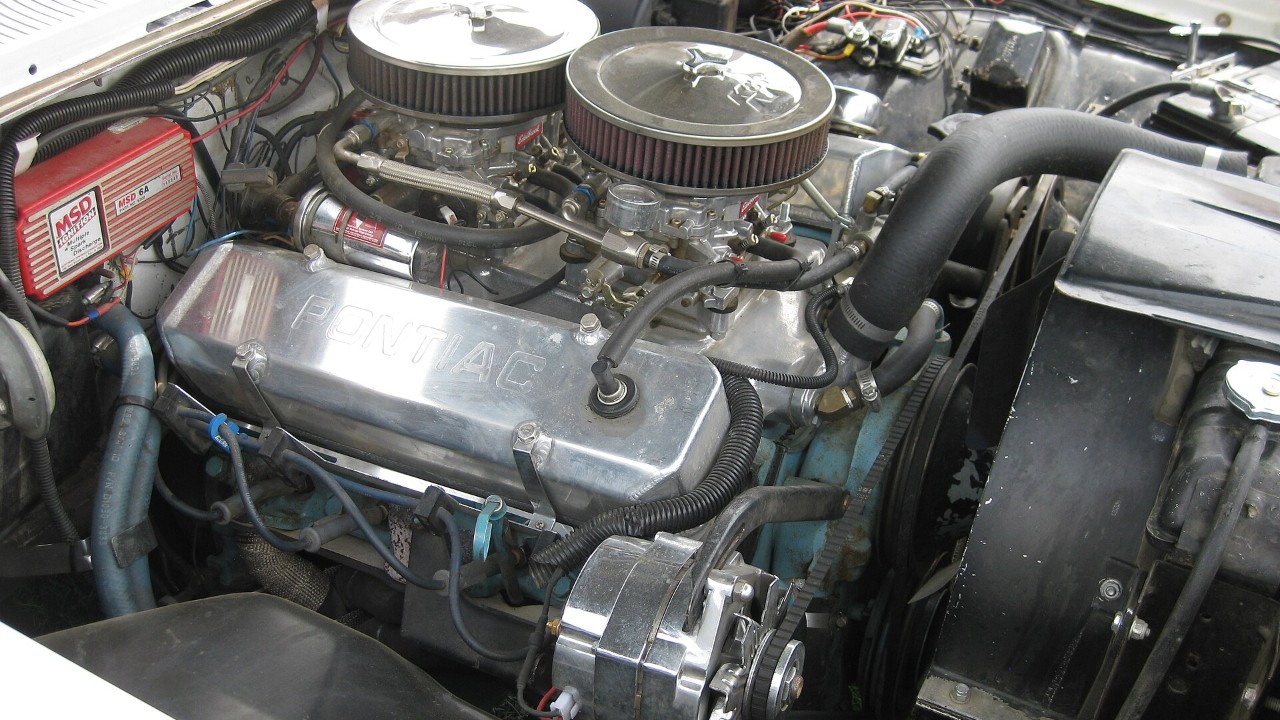
Pontiac’s V8 family arrived for 1955 as the Strato Streak. For 1959, Pontiac lengthened the stroke to 3.75 inches and enlarged the main bearings to 3 inches, and the result was 389 cubic inches. The photo shows a 389 in a 1960 Pontiac Venture.
Even so, that 1960 lineup already had serious power. A single four-barrel 389 was rated at 348 hp, while the Tri-Power version with three two-barrel carburetors made 363 hp. Then Pontiac renamed it the Trophy V-8 from 1961. The 389 also became the engine in the first GTO.
The 389 stayed Pontiac’s standard V8 through 1966. In our view, its big main bearings and long service life make it an engine you can drive, not just display. If you find a 389 car, a rebuild record is worth more to us than a high horsepower tag.
9. Chevrolet 283 V8
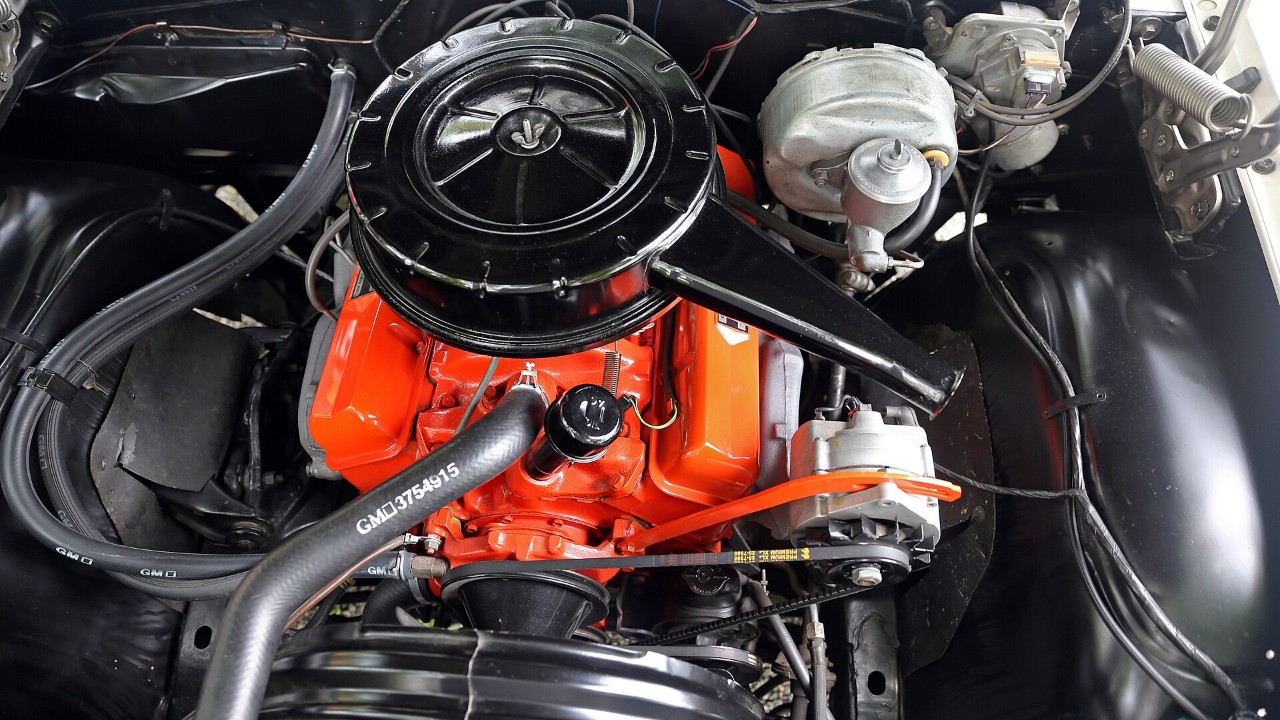
Chevrolet made the 283 for 1957 by boring out the 265 small-block. The first 283s used 265 blocks, and their thin cylinder walls taught Chevrolet a lesson. So later blocks were cast with the bigger bore from the start.
The 283 is famous for one number. In 1957, the Rochester Ramjet fuel-injected version made one horsepower per cubic inch. However, most 283s were humble engines. Ratings ran from 188 hp to 283 hp depending on carburetion, and the 1963 two-barrel versions were rated at 175 and 195 hp. The photo shows one under the hood of a 1963 Impala.
The 283 later went into Checker taxis and, in a GM Canada version, Studebakers. Our take: that taxi duty is the best reference any engine could ask for. If you want more of the family story, see our list of small-block V8s that refuse to wear out.
10. 1957–1958 Chrysler 392 Hemi V8
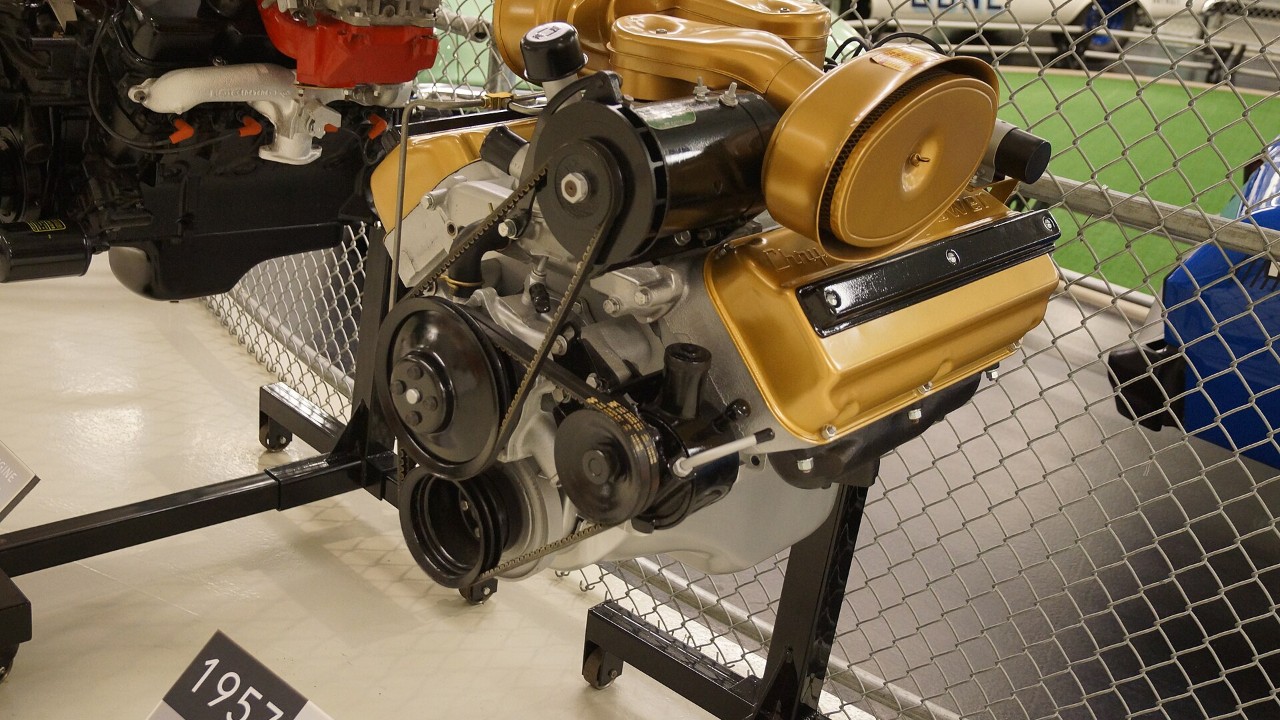
Chrysler’s first V8, the 331 FirePower of 1951, made 180 bhp. The 392 was the last and biggest version of that first-generation Hemi, built for 1957 and 1958. For example, it used a raised deck, a 4.00-inch bore and a 3.906-inch stroke.
In fact, the hemispherical chamber is the reason for its reputation. It loses little heat to the head and leaves room for two large valves. As a result, it supports big power, although it costs more to build. In the 1957–58 Chrysler 300C and 300D, the dual four-barrel 392 was rated at 375 bhp.
Drag racers found the 392 formidable in the late 1950s and early 1960s, and some kept running it into the 1970s. For more Detroit engines built with racing in mind, see our racing-derived engines list. In our view, an engine racers trusted for nearly two decades deserves the same trust on the street.
11. Toyota 1UZ-FE V8
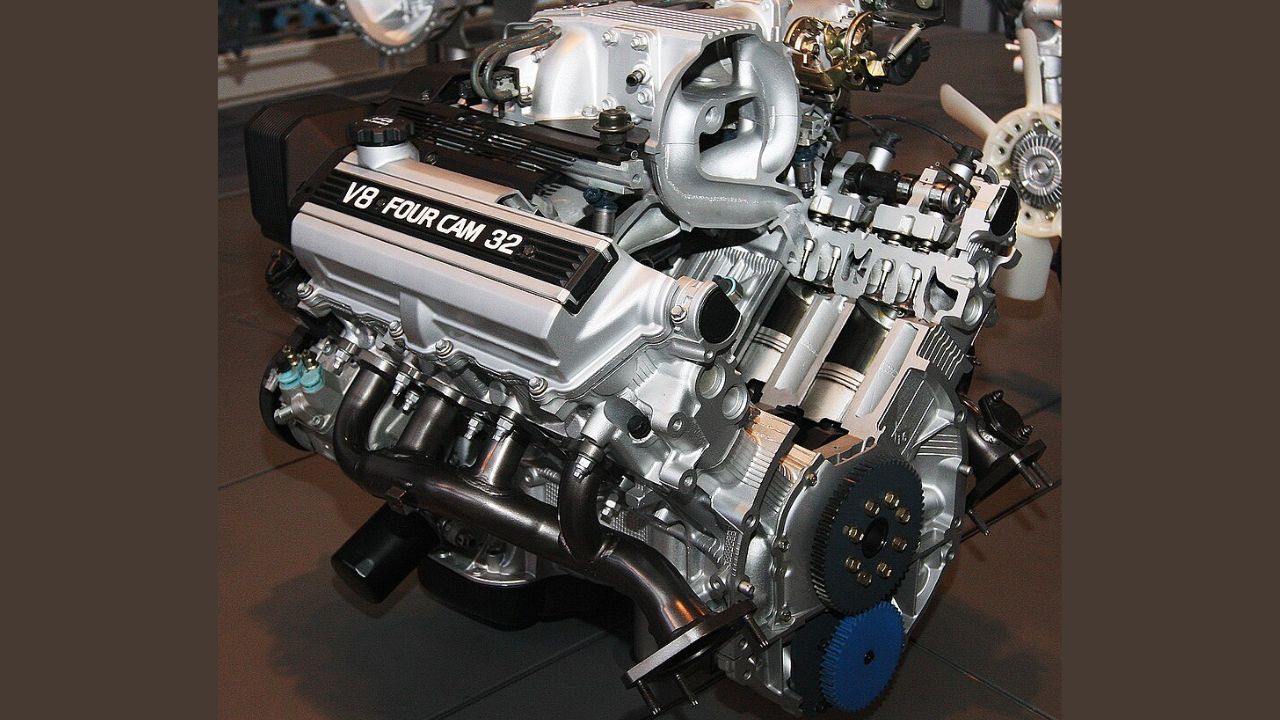
Toyota’s 1UZ-FE came out of Project F1, the program that created Lexus. According to SlashGear’s history of the engine, the effort cost nearly $1 billion over six years and produced more than 900 experimental engines. The photo shows a 1UZ-FE from a Toyota Celsior, the Japanese twin of the Lexus LS 400.
The 4.0-liter, 32-valve V8 debuted in 1989 with 256 hp. It used an all-alloy build, and its crankshaft carried eight counterweights instead of the usual six. In 1997, Toyota added VVT-i, and output rose to 290 hp. Ward’s named it one of its 10 Best Engines from 1998 through 2000.
SlashGear also notes that one LS 400 reportedly passed one million miles. In our view, the 1UZ-FE is the smoothest engine here and one of the most trustworthy. Just keep the timing belt service current, and it should outlast most of the car around it.
More from Fast Lane Only