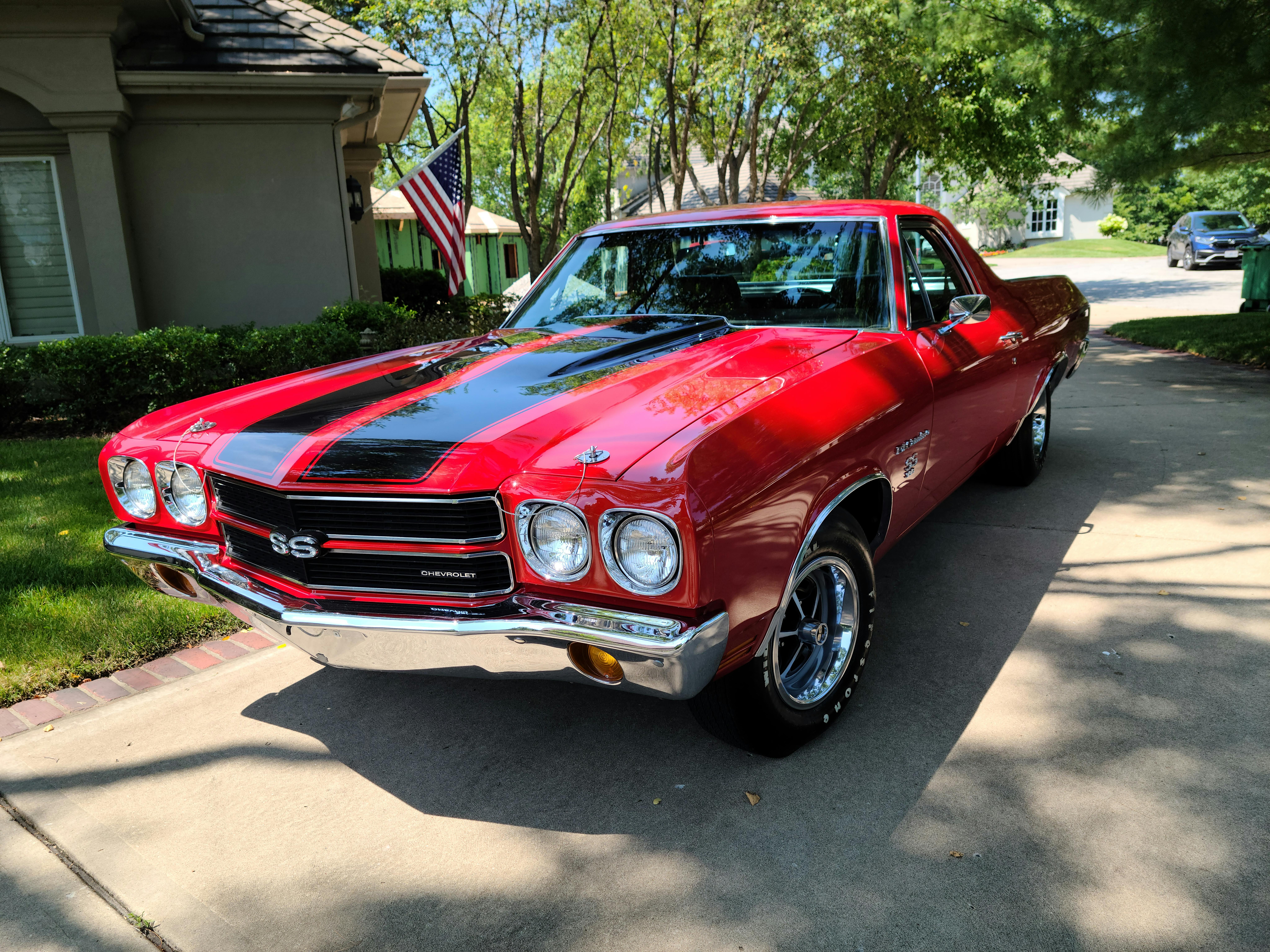
It started the way a lot of car trouble stories do: a quick oil change, a short drive home, and a nagging feeling that something just wasn’t right. The 1970 Chevelle still looked perfect sitting in the driveway, but it didn’t sound like itself. Instead of that familiar, smooth rumble and clean shifts, there was a strange whirring and an uneasy hesitation that made the driver turn the radio down and listen harder.
At first, it seemed like one of those “maybe I’m imagining it” moments. But the longer it ran, the more obvious it became—this wasn’t normal vintage muscle car quirks. Something had changed since the shop visit, and it wasn’t subtle.
A “Simple” Oil Change That Didn’t Feel So Simple
The Chevelle had gone in for routine maintenance, the kind you schedule because you love the car and want it to last. Nothing fancy, no major work requested—just fresh oil and a filter. The shop took it in, did the job, and sent it back out like any other day.
But a 1970 Chevelle isn’t the same as a modern crossover with a plastic belly pan and a giant “OIL” label molded into everything. Older cars can be straightforward, sure, but they also have layouts that vary by engine, transmission, exhaust routing, and years of small changes made by previous owners. If a tech is moving fast and isn’t familiar with the exact setup, “straightforward” can turn into “oops” in a hurry.
The First Clues: Sound, Shift Feel, and That Weird “Not Happy” Vibe
On the drive home, the owner noticed the car’s character felt off. The engine note seemed sharper and more strained, and the car didn’t glide through gears the way it usually did. It’s the kind of thing you notice when you’ve spent enough time with a vehicle that you can tell something’s wrong before a warning light ever comes on.
Then came the bigger giveaway: shifting didn’t feel right. Depending on the transmission, low fluid can cause delayed engagement, slipping, hard shifts, or a kind of “neutral for a second” sensation that makes your stomach drop. That’s when the decision became obvious—stop driving it and figure out what happened.
What Actually Happened: The Transmission Was Drained by Mistake
After checking the basics at home, the ugly truth surfaced. The engine oil level looked fine, but the transmission dipstick told a different story: the fluid was dangerously low. That’s when the pieces clicked into place—during the oil change, the shop had accidentally drained the transmission instead of the engine oil.
It’s a mistake that sounds wild until you picture someone under a car that isn’t on their usual mental “map.” Some transmissions have pans with drain plugs. Some oil pans and transmission pans can look similar from underneath, especially if you’re not taking a second to confirm shape, location, and bolt pattern. And if you drain the wrong thing, refill the engine oil anyway, and send it out the door, the car ends up with one system overfilled or correct and another system starved.
Why This Mistake Can Be a Big Deal (Even After a Short Drive)
Automatic transmissions rely on fluid for hydraulic pressure, lubrication, and cooling. When fluid is low, internal parts can slip and heat up fast, and that heat is what turns a small problem into an expensive one. Even a short drive with low fluid can mean extra wear, glazed clutch packs, or damage that doesn’t show up immediately but shortens the transmission’s life.
Manual transmissions aren’t immune either. Low gear oil can lead to noisy bearings, harder shifts, and accelerated wear on gears and synchros. The scary part is how quiet the damage can be at first—sometimes all you get is “it sounds different” before it becomes “it won’t move.”
How Shops Usually Confirm the Right Drain Plug (And Where It Can Go Wrong)
Most experienced techs confirm the drain location before committing: they’ll trace the pan to the engine block, check the plug orientation, and look for telltale signs like the filter location or pan shape. They’ll also pay attention to what comes out—engine oil is typically darker and thinner, while transmission fluid can be red, pink, or brown and often has a distinct smell. Gear oil is thicker and has that unmistakable sulfur odor.
But when a shop is slammed, shortcuts creep in. If someone assumes, doesn’t double-check, or is working on a car with aftermarket parts, it can happen. Classic cars also sometimes have swapped transmissions, custom pans, or non-stock exhaust that forces odd angles, making the “usual” visual cues less obvious.
What the Owner Did Next (And What Most People Should Do Too)
The smartest move came right after the suspicion: stop driving. Continuing to run it “just to see if it clears up” can turn a fixable situation into a rebuild. The owner contacted the shop, explained the symptoms, and had the car looked at with the transmission fluid level as the first priority.
In situations like this, the shop should document what happened and correct it properly: refill the transmission with the correct fluid, verify the engine oil level isn’t overfilled, and check for leaks. A careful shop will also test drive it gently, confirm shift quality, and recheck levels afterward. If the transmission was run low, it’s reasonable to ask what steps they’ll take to ensure no lasting damage—because “topping it off” isn’t always the full story.
Signs Your Transmission Might’ve Been Run Low
Even if the car seems fine after the fluid is corrected, it’s worth paying attention for a couple weeks. Watch for delayed engagement when shifting into Drive or Reverse, slipping under light acceleration, surging RPMs, or new noises like whining or humming that rise with speed. If it starts to smell hot after a short drive, that’s another clue something’s still not right.
If any of those show up, it’s time for a professional inspection. Sometimes a fluid change, filter service, or pan inspection for debris can reveal whether the transmission took a hit. It’s not about panic—it’s about catching problems early, before they become permanent.
A Few Practical Tips to Avoid This Headache Next Time
For classic car owners, it helps to use a shop that regularly works on older vehicles, or at least one that’s comfortable with them. Bringing a quick note with the car’s specs—engine, transmission type, and fluid requirements—can actually be helpful, especially if the car’s been modified. It’s not being “that customer”; it’s giving the tech a better starting point.
It also doesn’t hurt to do a quick check before you leave the lot. Look at the dipsticks if your car has them, and glance underneath for fresh drips. And if the car feels or sounds different right after service, trust that instinct—your ears and hands often notice problems before any gauge does.
A Classic Car Reminder: Familiarity Is a Safety Feature
One reason this story stands out is how quickly the owner caught it. That kind of awareness only comes from spending time with the car and knowing what “normal” feels like. With classics, that familiarity is more than pride of ownership—it’s a layer of protection.
The Chevelle’s strange sound wasn’t just an annoyance; it was an early warning. And in a world where one wrong drain plug can turn a simple oil change into a costly repair, noticing the difference might’ve saved the transmission from something much worse.
More from Fast Lane Only
- Unboxing the WWII Jeep in a Crate
- 15 rare Chevys collectors are quietly buying
- 10 underrated V8s still worth hunting down
- Police notice this before you even roll window down
*Research for this article included AI assistance, with all final content reviewed by human editors.