The Plymouth Road Runner was supposed to be a modest seller. Plymouth planned on about 20,000 cars for 1968, but buyers took around 45,000. The idea was simple: a cheap B-body with a big engine, a cartoon bird on the doors and a horn that went “beep, beep.”
That formula lasted far longer than the muscle car boom itself. The bird survived emissions rules, the switch to net horsepower ratings and a move to a smaller platform. Along the way, it picked up engines from a 318 small-block to a triple-carb 440, plus a convertible that few people bought.
These are our picks, eight versions of the Plymouth Road Runner that seem built to keep going. That verdict is our opinion. The engines, production numbers and sale prices come from the sources we checked. We’ve chosen specific years and engines so each entry tells a different part of the story.
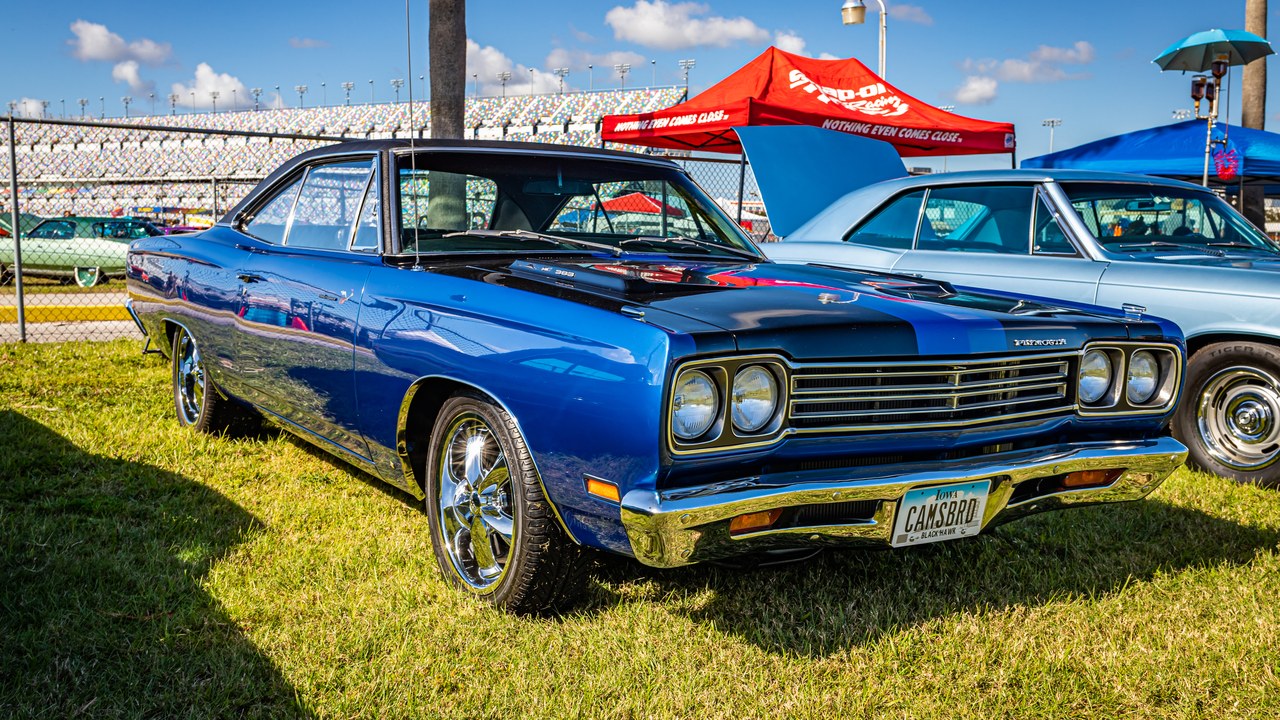
1. 1969 Plymouth Road Runner 383
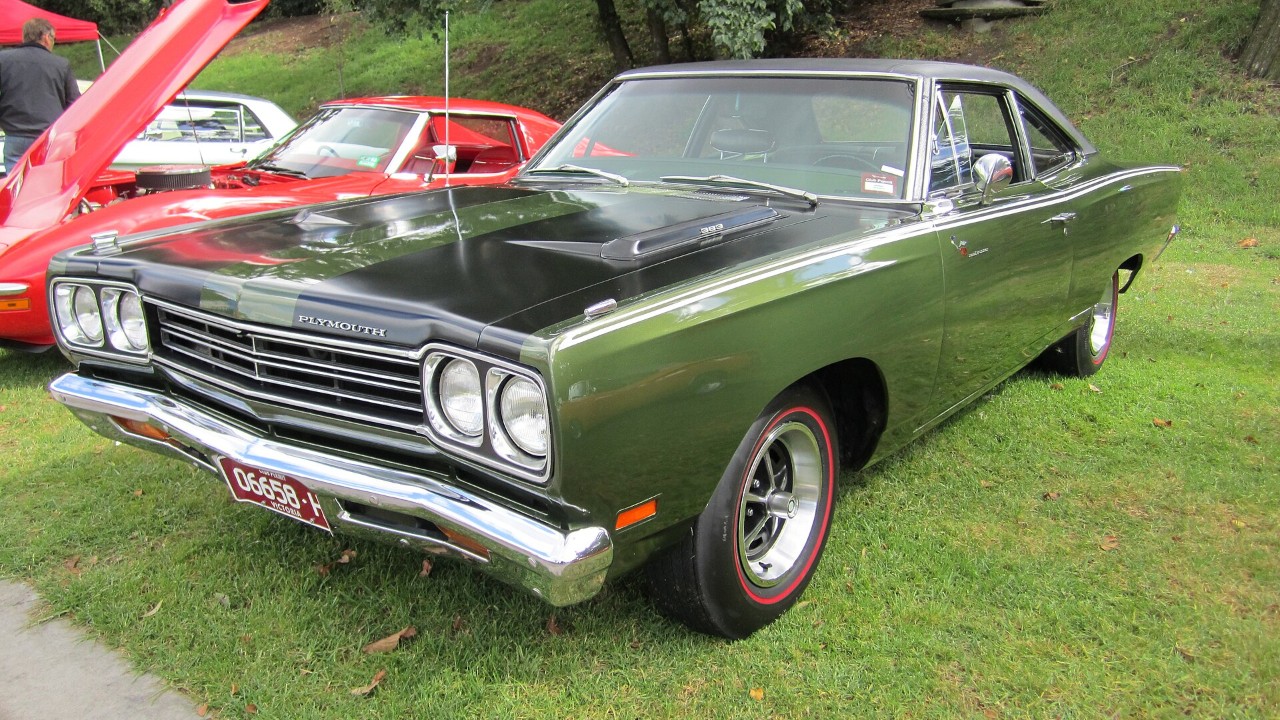
The base engine set the tone. Plymouth’s 383 V8 was rated at 335 hp at 5,200 rpm, dropping to 330 hp when a buyer ordered air conditioning. That was serious power for a car built to undercut the expensive muscle cars of its day.
The marketing was just as clever. Plymouth paid Warner Bros.-Seven Arts $50,000 to use the cartoon character. Then it spent another $10,000 developing the “beep, beep” horn. We told the full story of why the Road Runner became an instant performance bargain in an earlier feature.
The 1969 car was the high point for sales. Motor Trend named it Car of the Year. Meanwhile, domestic production reached 81,125 cars, plus 3,295 for Canada and other markets.
Our take: the 383 car is the heart of the Road Runner legend, and it’s the one we’d pick to drive often. Its big-block isn’t stressed the way a Hemi is, and those huge production numbers mean parts support is deep. As a result, a 383 car is easier to keep on the road than rarer versions. Buyer tip: check the fender tag and paperwork, and make sure the engine is the one the car left the factory with.
2. 1970 Plymouth Road Runner convertible
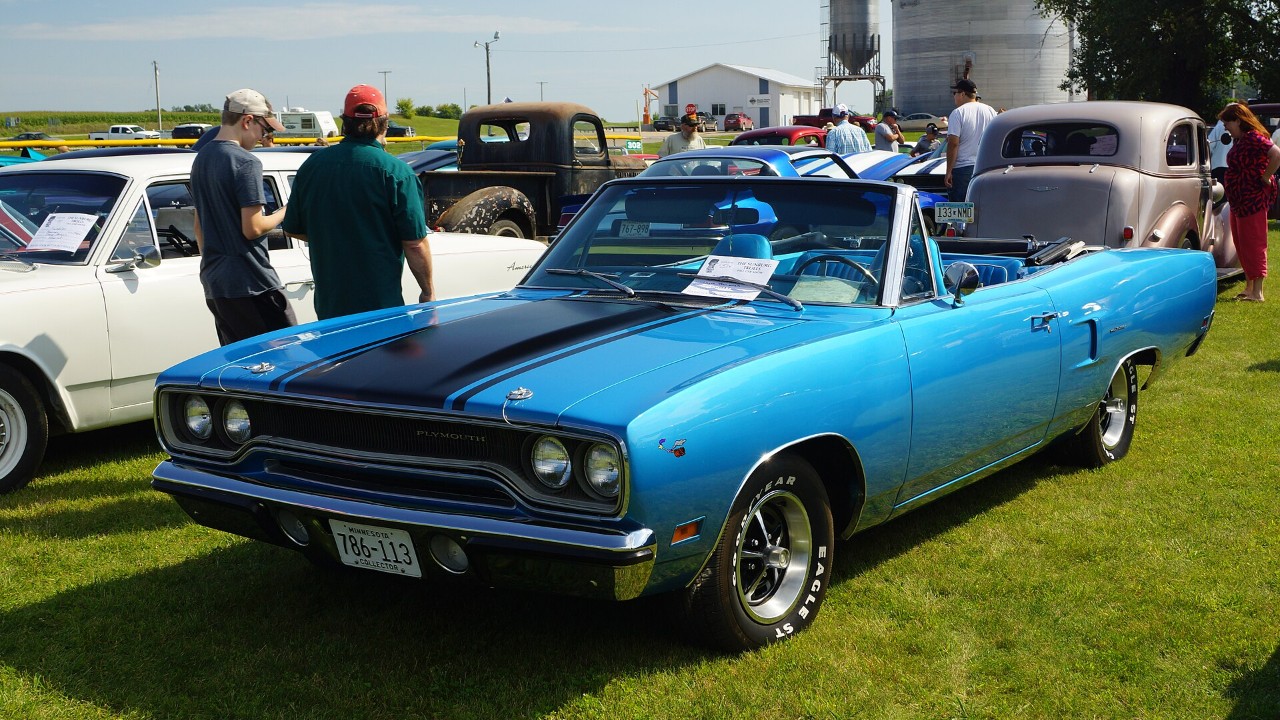
The convertible arrived for 1969, and only 2,128 found buyers that year. Every one used either the 383 or the 426 Hemi. For 1970, the number fell to just 834, and that was the last year for the open car.
Sales were sliding across the line, too. Road Runner sales fell by more than half for 1970, to around 41,000 cars. Meanwhile, Plymouth was also building the winged Superbird, which existed only for that one year. It made 1,935 of those for the US market.
Why include a convertible on a durability list? Because the convertible kept the same tough B-body hardware and big-block engines as the hardtops. In our view, it delivers the Road Runner’s toughness with the top down. It also shows how far Plymouth pushed a budget muscle car, from stripped coupe to open-air cruiser in barely two years.
Those tiny production numbers make every survivor matter. A 1970 convertible is one of 834, so its value lives in originality. Buyer tip: insist on factory paperwork and a specialist inspection of the floors and convertible top frame. Then think of it as a car to preserve and drive gently, rather than one to modify.
3. 1971 Plymouth Road Runner 440 hardtop
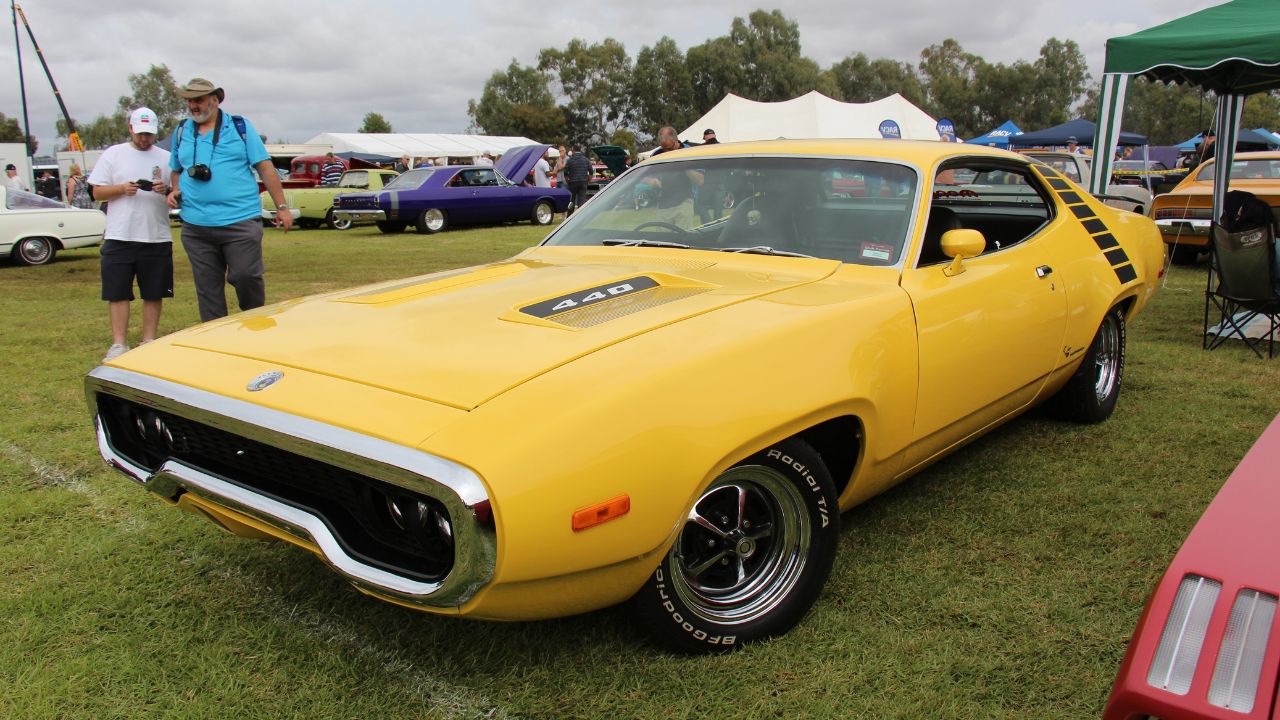
For 1971, Plymouth gave the Road Runner a new rounded “fuselage” body. It was a dramatic change from the square-shouldered 1968 to 1970 cars. The coupe kept its no-nonsense attitude, though, and the engine list remained serious.
This was the last year for the big hitters. The 440 Six Barrel and the 426 Hemi both left after 1971. Plymouth almost didn’t build that six-barrel 440 at all, as we explained in our story on why the 440 Six Pack nearly didn’t make production. According to OldRide’s 1971 Road Runner profile, Plymouth built 14,218 Road Runners that year. Only 55 had the Hemi, and 28 of those had a four-speed.
The base car was a two-door hardtop priced at $3,147, with a shipping weight of 3,640 pounds. Buyers could also pick from more than 50 options. Those included air conditioning, front disc brakes, a Sure Grip differential, a heavy-duty suspension and even a trailer towing package.
Our take: the 1971 440 car is the last of the full-strength Road Runners. It has the bold new body and one of the big engines before emissions rules cut deep. In our view, a big 440 that rarely works near its limits is a recipe for a long life. Buyer tip: confirm the engine code against the VIN before you talk price.
4. 1971 Plymouth Road Runner 340
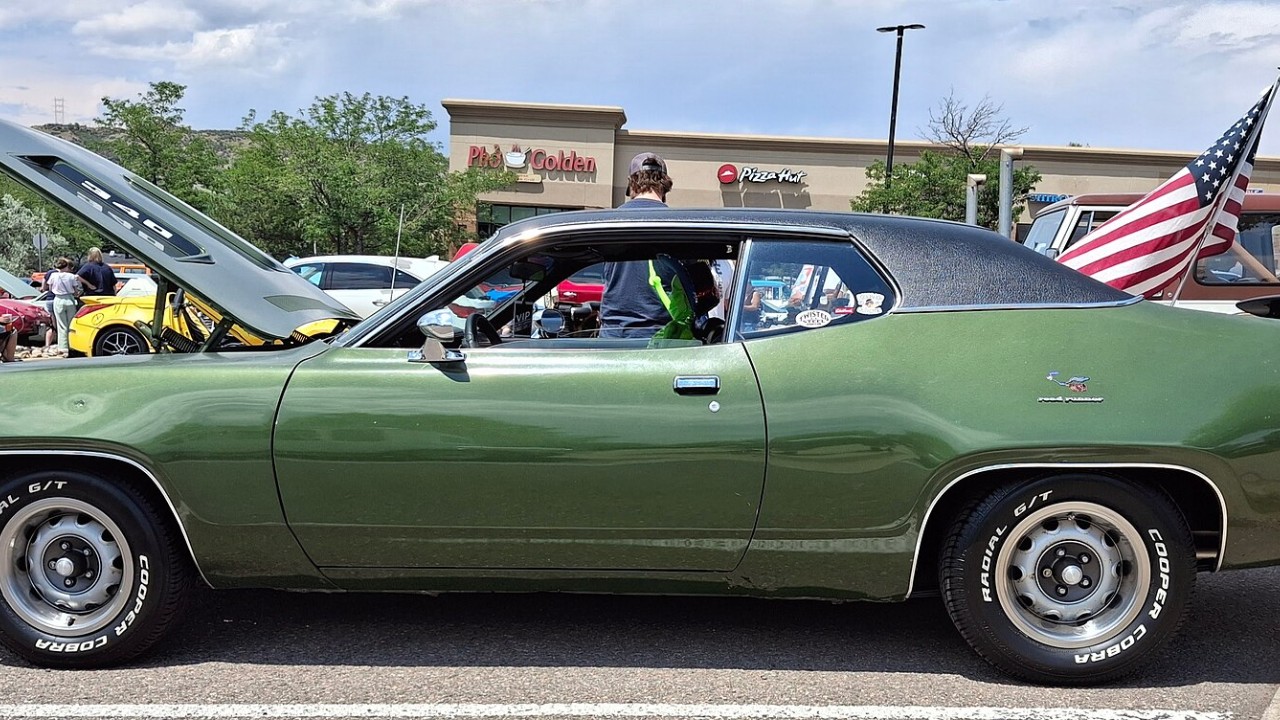
The 340 brought a small-block alternative to the 1971 lineup. Plymouth offered it with a four-barrel carburetor, alongside a detuned 383 rated at 300 hp. As a result, buyers could choose a lighter engine without giving up much performance.
The 340 stayed in the lineup after the big-blocks faded. For 1973, it sat between the 318 and the 400, and buyers could pair it with a four-speed. Autoevolution reports that 5,384 Road Runners got the 340 for 1973, about a third of that year’s production. Only 956 combined it with a four-speed manual.
The 1971 car also kept the Road Runner’s basic recipe. Standard equipment included a floor-mounted three-speed manual, deep-pile carpet and the “beep-beep” horn, according to OldRide. Heavy-duty brakes and suspension were part of the package too.
Our take: the 340 is the Road Runner we’d pick for regular driving. In our view, the small-block makes it a sweeter all-rounder than the big-block cars, and it suits long drives. It also gives you the fuselage body without the big-block’s thirst. Buyer tip: look for a 340 car with its original engine, since that is what makes it a 340 car.
5. 1972 Plymouth Road Runner fuselage coupe
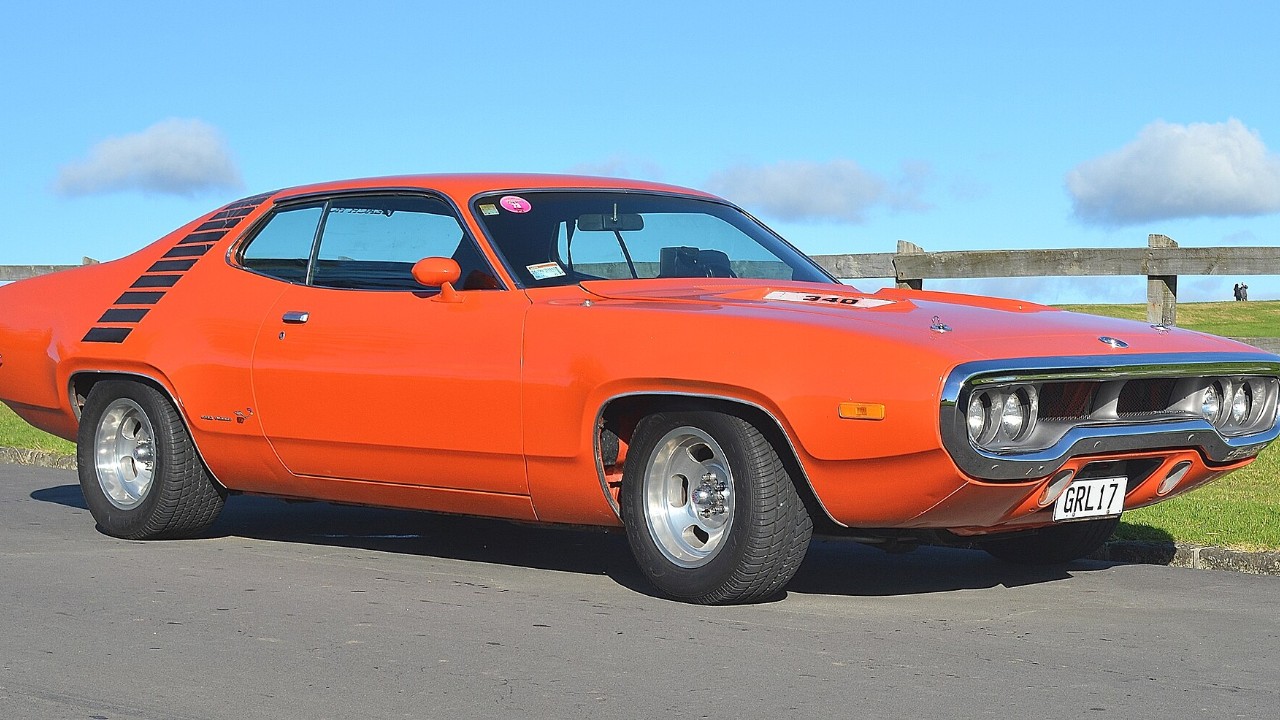
The 1972 Road Runner wore the fuselage body, but the rules around it had changed. That year, the industry switched to SAE net horsepower ratings, so published figures dropped sharply. Plymouth’s 440 was now rated at 280 hp.
The engine lineup also shifted. Plymouth dropped the 426 Hemi, and the 440 Six Barrel disappeared after just five cars. The 340 and the performance 440 stayed, while a new 400 replaced the 383 as the standard engine. So almost every factory-correct 1972 car carries one of those three V8s, and the engine code in the VIN tells you which one.
Production was small. Autoevolution reports 6,860 units for 1972, the lowest of the early fuselage years. That makes a 1972 car less common than many people assume.
Our take: the 1972 coupe shows the Road Runner adapting to a tougher world without losing its shape. Underneath, it kept the same B-body structure and Mopar running gear as earlier years. In our view, that’s why these cars respond so well to sensible maintenance and modest upgrades. Buyer tip: check the VIN engine code first, then judge the rest of the car.
6. 1974 Plymouth Road Runner 360
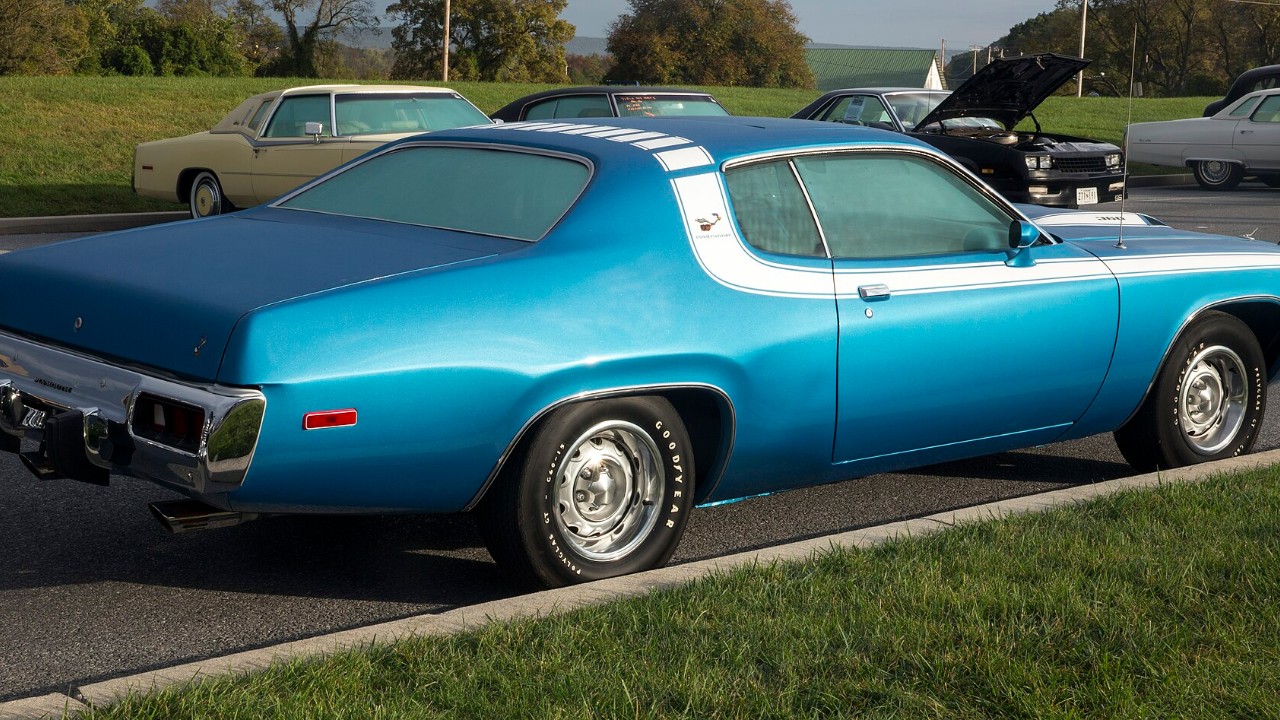
By 1974, small-blocks were doing most of the work. A 318 with dual exhaust had become the base engine for 1973, rated at 170 hp. Even so, Road Runner sales jumped 40 percent that year.
For 1974, Plymouth added the 360, and buyers could pair it with a four-speed manual. The 318 and the 440 remained available, with the 440 rated at 280 hp. However, production slipped to 9,636 cars for 1974, according to Autoevolution’s production breakdown. That compares with 15,929 for 1973.
The 360 car was the last fuselage Road Runner with a real performance option for most buyers. After that, Plymouth moved the nameplate to a new platform. For buyers who wanted a big-block anyway, the 440 remained on the 1974 order form.
Our take: the 1974 360 is the sleeper of the fuselage years. Its small-block is mild and simple, and it pairs well with the rugged Chrysler drivetrains of the era. In our view, few muscle-era cars are easier to keep running on a modest budget. Buyer tip: seek a four-speed 360 car with documentation. That’s the combination we’d want most.
7. 1975 Plymouth Road Runner
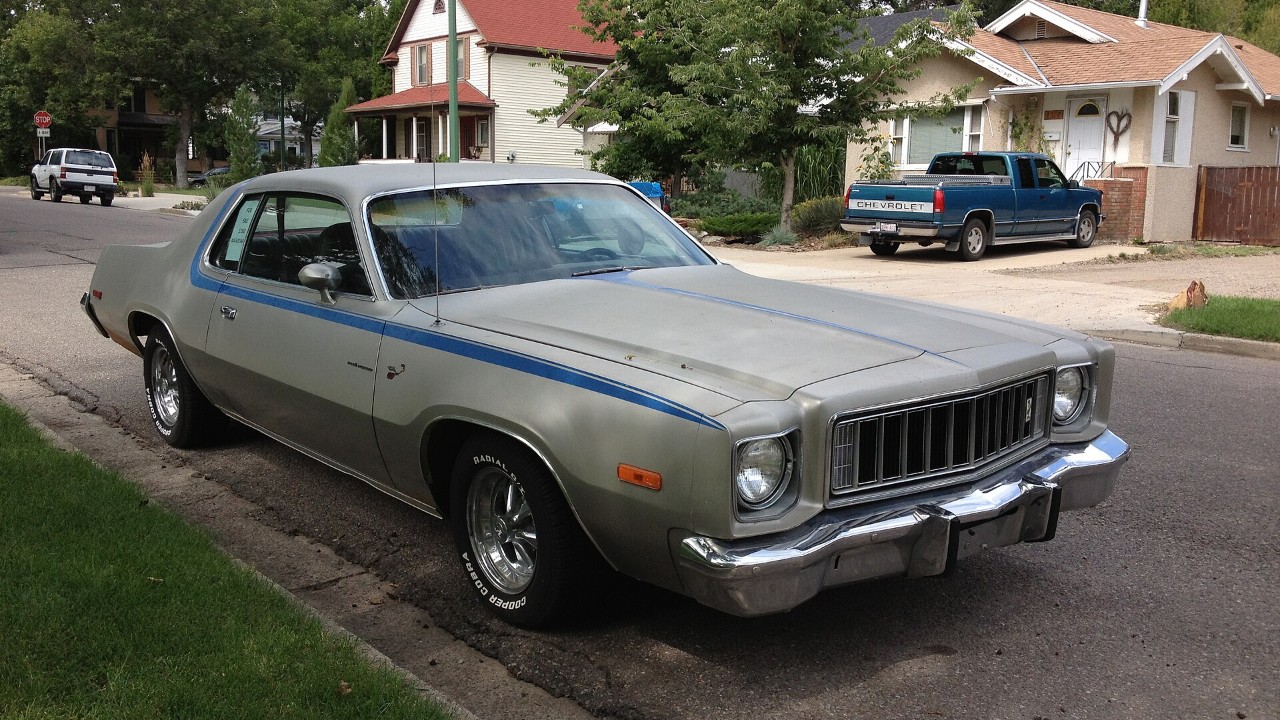
For 1975, the Road Runner moved to the restyled B-body shared with the Fury. It looked more formal, with a squarer profile than the fuselage cars. The standard engine was a 318 with a single exhaust, rated at 145 hp.
Production fell sharply. Plymouth built just 7,183 Road Runners for 1975, and just over half had the 318. So this is one of the scarcest Road Runner years of the 1970s.
The 1975 car also marked the end of an era. It was the last Road Runner on Chrysler’s intermediate B-body before the name moved to a compact for 1976.
Our take: the 1975 car is the forgotten Road Runner. However, it shares a lot of tough, simple hardware with the classic years. Its 318 is a simple, unstressed small-block, and in our view that makes a 1975 car an affordable way into Road Runner ownership. Buyer tip: favor rust-free cars with intact trim, because sorting out the body costs more than the mechanicals. With only 7,183 built, a clean example deserves care.
8. 1980 Plymouth Volare Road Runner
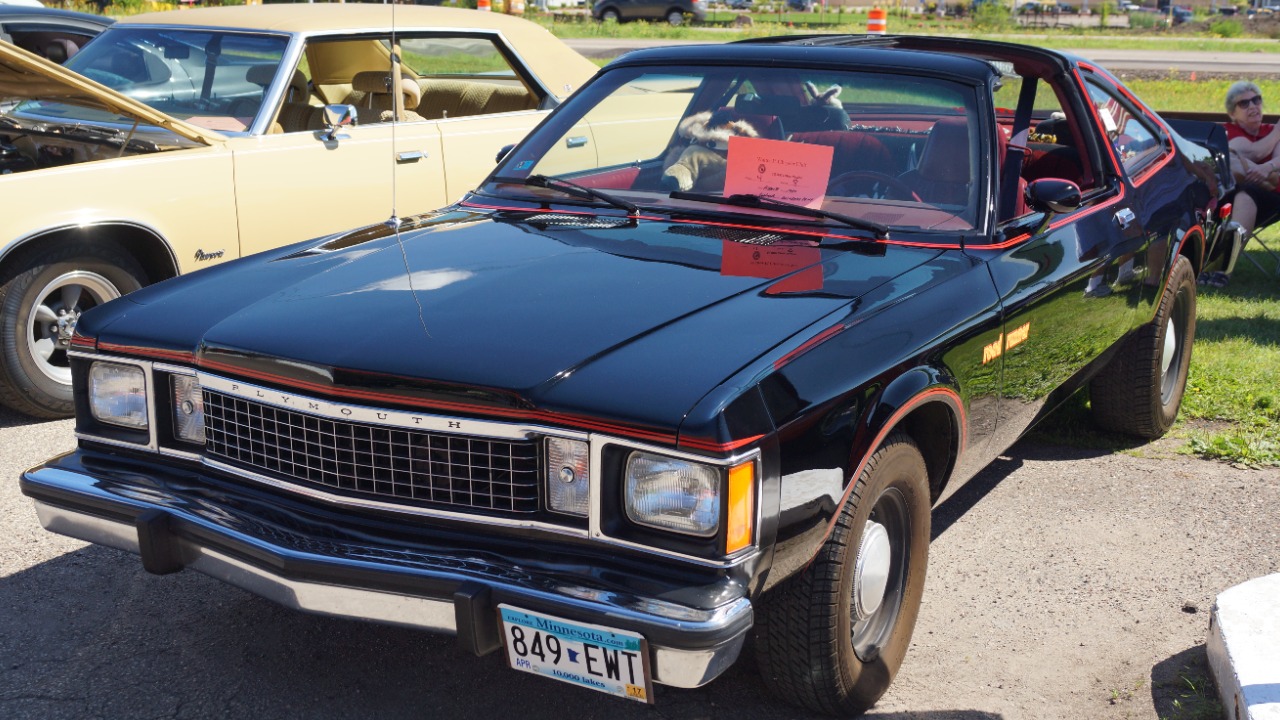
From 1976, the Road Runner became a trim and performance package on the compact Volaré two-door. It came with E70x14 tires, Rallye wheels, a blacked-out grille, body striping and identifying decals and medallions. A heavy-duty suspension was part of the deal, too.
Engines shrank over time. The 360 option was gone by 1980, which left the 318 as the top engine. Even so, the package kept the bird’s look alive for one more year. Earlier, in 1977, buyers could add “Fun Runner” options such as front and rear spoilers, wheel opening flares and louvered rear windows.
Plymouth built 90,063 Volarés of all kinds for 1980. The source we checked doesn’t split out how many were Road Runners, so we won’t guess.
Our take: the Volaré Road Runner is the final chapter, and it deserves more respect than it gets. The 318 and the heavy-duty suspension make it a simple, tough car to own. Buyer tip: look for a car with original decals and the full package, since those parts define its value. After 1980, Plymouth discontinued the Road Runner.
More from Fast Lane Only