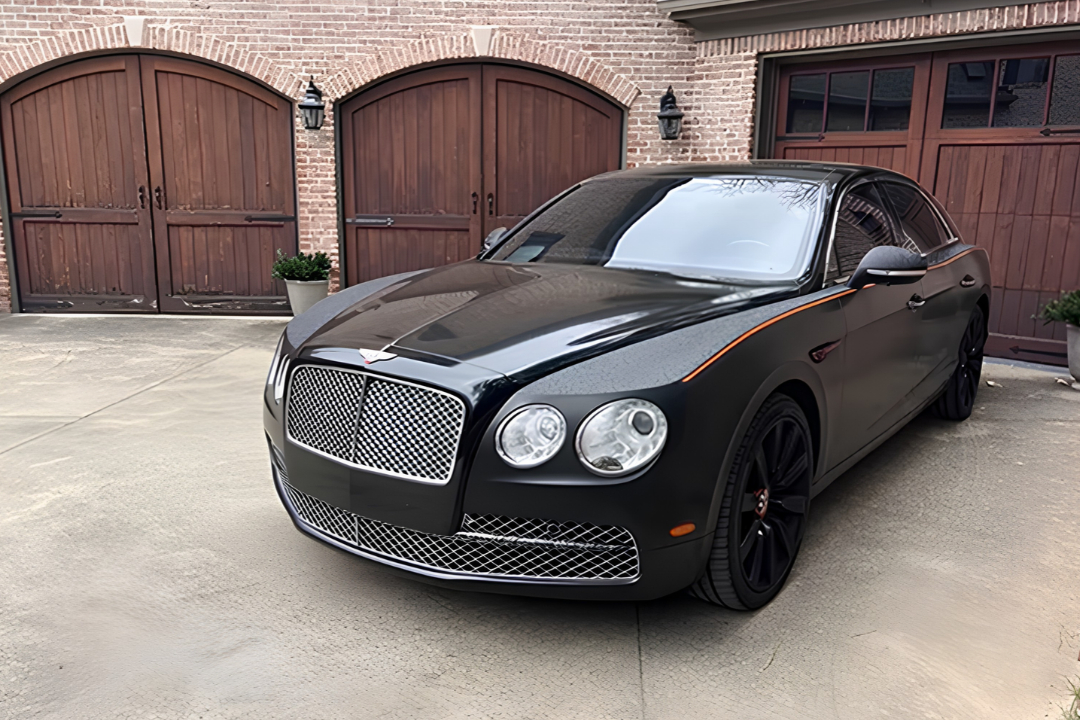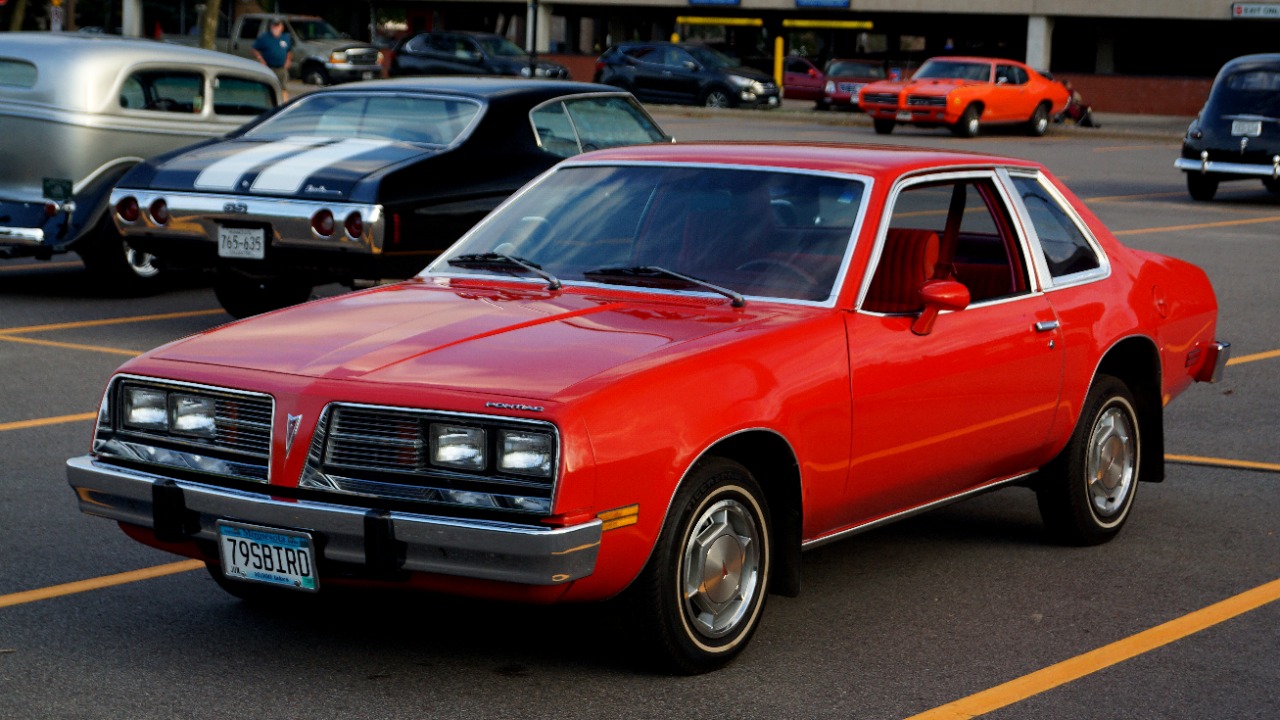
The world of automotive production is filled with fascinating stories, rare details, and unique variants that captivate car enthusiasts. From limited-edition models to unusual engineering choices, these elements contribute to the allure and mystique surrounding certain cars.
Limited-Edition Models
Limited-edition models are often the crown jewels of automotive production, cherished for their rarity and the stories they tell. Iconic examples like the Ford GT40 and the Ferrari F40 boast production numbers that make them even more desirable among collectors. The limited availability not only enhances their prestige but also makes them sought-after investments. For instance, the Ferrari F40, with just 1,315 units produced between 1987 and 1992, is often cited as a benchmark for supercar performance and design, which significantly drives up its auction prices.
These limited editions frequently come with unique features that differentiate them from their standard counterparts. Special styling elements, performance enhancements, and bespoke details make each model a standout. For example, the Lamborghini Centenario features active aerodynamics and a unique carbon fiber body, showcasing the brand’s commitment to innovation while paying homage to its founder, Ferruccio Lamborghini. The collector’s market is a testament to this rarity, with auction prices for models like the 2003 Ferrari F2004 Formula 1 car reaching upwards of $10 million, illustrating the extent to which enthusiasts are willing to invest in these iconic machines.
Obscure Variants
While many car enthusiasts focus on the mainstream models, there are hidden gems that deserve recognition. Lesser-known variants like the BMW Z3 M Coupe and the Dodge Coronet Super Bee often fly under the radar, yet they have unique characteristics that make them fascinating. The BMW Z3 M Coupe, with its distinctive hatchback design and powerful M engine, offers a blend of practicality and performance that few cars can match. Meanwhile, the Dodge Coronet Super Bee, produced in the late 1960s, stands out with its aggressive styling and impressive muscle car performance.
These obscure models often come equipped with unique engineering features that set them apart from their more famous siblings. For instance, the Z3 M Coupe features a lightweight aluminum chassis and a 3.2-liter inline-six engine, providing an exhilarating driving experience. Additionally, the Coronet Super Bee’s use of a modified 426 HEMI engine made it a formidable competitor on the drag strip. Over time, these models have gained a cult following among enthusiasts and have become celebrated icons in pop culture, often featured in films and television series that highlight their unique appeal.
Unique Manufacturing Techniques
Some manufacturers take car production to the next level by employing unique and artisanal manufacturing techniques. Brands like Pagani and Bugatti are known for their meticulous craftsmanship, where each vehicle is treated as a work of art. For example, Pagani’s Huayra features a hand-crafted interior and exterior that showcases the brand’s dedication to detail and luxury. The process often involves skilled artisans who spend countless hours perfecting every aspect of the vehicle, resulting in a product that is both stunning and exclusive.
In addition to craftsmanship, the use of special materials plays a significant role in the production of rare cars. Manufacturers often turn to rare materials such as carbon fiber and titanium to enhance performance and aesthetics. The Bugatti Veyron, for instance, utilizes a carbon fiber monocoque chassis, which not only contributes to its lightweight design but also significantly boosts structural integrity. Production stories from these manufacturers often reveal the challenges they face in sourcing and working with these materials. The meticulous attention to detail and the pursuit of perfection are what set these rare cars apart from mass-produced models.
Racing Heritage
Many of the most fascinating cars have their roots in racing, leading to the creation of track-only models with limited production runs. The McLaren F1 GTR is a prime example of this phenomenon, designed specifically for endurance racing. With only 28 units built, each car is a testament to engineering excellence, featuring a lightweight carbon fiber body, a powerful 6.1-liter V12 engine, and a design that prioritizes aerodynamics. The F1 GTR’s racing pedigree not only solidifies its status as a collector’s item but also influences the design and engineering of subsequent McLaren road cars.
The engineering innovations that emerge from racing often trickle down to consumer models, enhancing their performance and driving dynamics. Features like advanced aerodynamics and lightweight construction are developed on the track before finding their way into production vehicles. The lessons learned in racing push manufacturers to explore new technologies and materials, ultimately benefiting the consumer market. The legacy of racing continues to shape the automotive landscape, with technologies like turbocharging and active suspension systems becoming common in modern vehicles.
Unusual Powertrains
Car enthusiasts often find themselves captivated by rare engine configurations that defy the conventional. Unique setups such as the Wankel rotary engine found in the Mazda RX-7 or the V16 engine in the Cadillac Sixteen concept showcase the diversity of automotive engineering. The Wankel engine, known for its compact design and smooth operation, provides a unique driving experience that is unlike traditional piston engines. On the other hand, the Cadillac Sixteen, although never put into production, was a bold statement in luxury and engineering, featuring a 16-cylinder engine designed to deliver an astonishing 1,000 horsepower.
In recent years, the automotive industry has also seen a rise in hybrid and electric innovations that pave the way for future technologies. The original Honda Insight was one of the first mass-produced hybrids, offering a glimpse into the future of fuel-efficient vehicles. Meanwhile, the Tesla Roadster brought electric performance into the spotlight, proving that electric cars could rival traditional performance vehicles. These unusual powertrains not only affect performance metrics but also transform the driving experience and overall vehicle dynamics, showcasing the potential for innovation in the automotive world.
Iconic Design Choices
Design choices play a crucial role in the allure of certain cars, particularly those known for their groundbreaking aerodynamic innovations. The Chrysler Airflow and the Mercedes-Benz C111 are prime examples of vehicles that pushed the boundaries of design. The Airflow, introduced in the 1930s, was one of the first cars to embrace streamlined design, significantly improving aerodynamics and fuel efficiency. Similarly, the Mercedes-Benz C111, with its futuristic design and advanced technology, showcased the brand’s commitment to innovation during the 1970s.
These iconic design choices often reflect cultural trends or movements, such as the muscle car era or the rise of the supercar. The bold styling of muscle cars in the 1960s and 1970s represented a sense of freedom and power, while the sleek lines of modern supercars symbolize cutting-edge technology and performance. The impact of these designs extends beyond their production years, influencing modern automotive aesthetics and engineering principles that continue to shape the industry today.
More from Fast Lane Only
- Unboxing the WWII Jeep in a Crate
- 15 rare Chevys collectors are quietly buying
- 10 underrated V8s still worth hunting down
- Police notice this before you even roll window down
*Research for this article included AI assistance, with all final content reviewed by human editors.