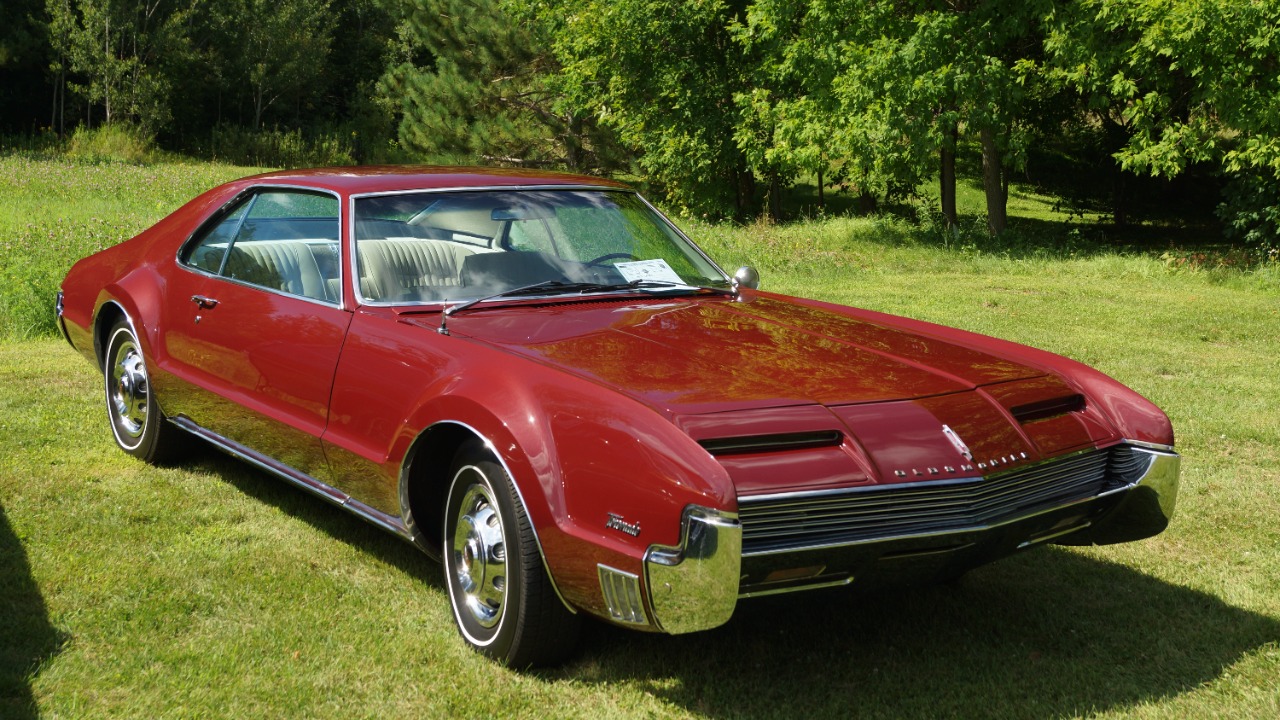
The Oldsmobile Toronado, a luxury coupe introduced in 1966, is often remembered for its innovative engineering and design. However, it became controversial not just for its unique features, but also for its unexpected impact on automotive culture and societal perceptions.
The Birth of the Toronado
The Oldsmobile Toronado was revolutionary upon its debut in 1966, featuring front-wheel drive technology that was relatively rare for American cars at the time. This engineering innovation allowed for a more spacious interior and improved traction, setting it apart from its competitors. The Toronado’s design was created by a talented team led by chief designer David North, who aimed to marry luxury with performance. The sleek, elongated body and fastback silhouette were a stark departure from the boxy designs of the era and offered a hint of sportiness that appealed to a wide range of consumers.
The marketing strategy for the Toronado was equally ambitious. Oldsmobile positioned it as a luxurious yet sporty vehicle, targeting both affluent buyers and younger enthusiasts looking for something different. The advertising campaigns highlighted its unique features, including the powerful 425 cubic inch V8 engine, and boasted of its cutting-edge technology. Initial public reception was overwhelmingly positive, leading to strong sales that set the stage for the Toronado’s legacy as an iconic model in American automotive history.
Controversial Features and Design Choices
The design of the Toronado was not without its controversies. The introduction of the “fastback” style marked a significant departure from traditional automotive aesthetics, which often favored more conservative lines. While some praised the Toronado for its bold design, others criticized it for being too radical and unorthodox. This departure from conventional design was both a selling point and a potential drawback, as it appealed to some consumers while alienating others who preferred classic styling.
Another controversial aspect of the Toronado was its size and weight. Weighing in at over 4,000 pounds, it challenged the norms of the muscle car era, which typically favored lighter, more agile vehicles. Critics argued that the Toronado’s heft compromised its performance, particularly when compared to smaller, more nimble competitors. Additionally, the car’s safety features, such as its high-back bucket seats and a unique crash-tested body structure, sparked debates about their necessity and effectiveness. While these features were innovative for the time, some questioned whether they justified the vehicle’s higher price tag.
Cultural Impact and Media Representation
The Toronado found its way into popular culture during the late 1960s and 1970s, appearing in various films and television shows that reflected the changing societal values of the era. Notably, the car featured prominently in the 1970 film “The Graduate,” where it was used to symbolize wealth and status. This representation in media contributed to its allure, embedding the Toronado into the cultural zeitgeist as a vehicle associated with success and sophistication.
Moreover, the Toronado became associated with the counterculture movement, which was gaining momentum during the same period. As social values shifted, luxury vehicles like the Toronado faced scrutiny amid growing concerns about materialism and excess. The late 1970s economic downturn further complicated its image, as many began to view luxury cars as symbols of a bygone era. This paradox created a controversial perception of vehicles like the Toronado, which were perceived as extravagant in a time when many were tightening their belts.
Environmental and Economic Criticism
The fuel consumption of the Toronado became a significant point of contention during the oil crisis of the 1970s. With rising gas prices and increasing awareness of environmental issues, the Toronado’s V8 engine, which averaged around 10 to 12 miles per gallon, drew criticism from consumers and environmental advocates alike. This backlash was emblematic of a broader shift in consumer preferences toward smaller, more fuel-efficient cars, which began to dominate the market in response to economic pressures.
As the automotive landscape evolved, regulatory changes also impacted the Toronado and its production. The introduction of stricter emissions standards and fuel economy regulations forced many manufacturers, including Oldsmobile, to rethink their designs and marketing strategies. The Toronado, which had once been a symbol of luxury and innovation, found itself in a precarious position as consumer preferences shifted dramatically. The growing demand for compact cars highlighted the Toronado’s shortcomings in an increasingly competitive marketplace.
The Legacy of the Toronado
As the Oldsmobile brand began to decline in the late 1990s, the Toronado became a symbol of the challenges faced by the company. Once a flagship model, it struggled to maintain its relevance amidst changing consumer expectations and increasing competition. The last generation of the Toronado, produced until 1992, marked the end of an era for Oldsmobile, and the car was ultimately discontinued as the company repositioned itself in the evolving automotive landscape.
Despite its decline, the Toronado’s influence on future automotive designs and engineering is undeniable. Its pioneering use of front-wheel drive technology paved the way for many modern vehicles, and its unique styling elements can be seen echoed in various contemporary models. Today, the Toronado is considered a collector’s item, with enthusiasts drawn to its bold design and innovative features, further cementing its place in automotive history as a controversial yet iconic vehicle.
Lessons Learned from the Toronado’s Controversy
The lifecycle of the Toronado provides valuable insights into consumer behavior and automotive trends. It serves as a reminder of the importance of understanding market demands, particularly as they shift in response to economic and environmental factors. The Toronado’s initial success was built on innovation and luxury, but its downfall highlights the necessity for adaptability in an ever-changing industry.
Furthermore, the Toronado’s story underscores the growing importance of environmental considerations in vehicle design. As fuel efficiency and emissions standards become increasingly critical, manufacturers must prioritize sustainable practices while still catering to consumer desires for performance and luxury. The Toronado’s legacy offers a cautionary tale for automakers navigating the complexities of modern consumer expectations, emphasizing the need for a balanced approach.
Ultimately, the Toronado’s journey reflects broader themes within the automotive industry and societal values. Its rise and fall illustrate the delicate interplay between innovation, consumer preferences, and economic realities, serving as a significant case study for both automotive historians and industry professionals alike.
More from Fast Lane Only
- Unboxing the WWII Jeep in a Crate
- 15 rare Chevys collectors are quietly buying
- 10 underrated V8s still worth hunting down
- Police notice this before you even roll window down
*Research for this article included AI assistance, with all final content reviewed by human editors.