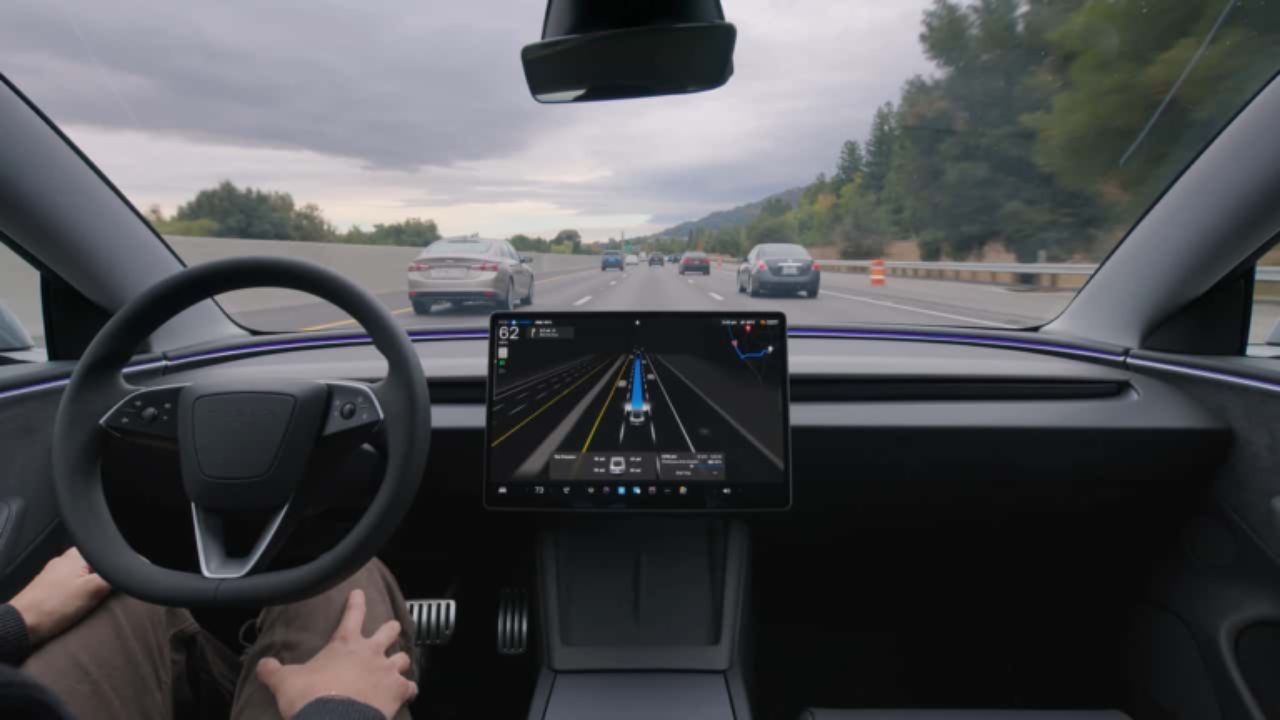
Tesla is reportedly rebranding its Full Self-Driving (FSD) system in China under a new name, “Tesla Assisted Driving,” in a move aimed at aligning with local regulations and reducing consumer confusion about driver-assistance capabilities. The change reflects ongoing global pressure on automakers to clearly distinguish between advanced driver-assistance systems and fully autonomous driving technology.
The adjustment does not appear to signal a major technical overhaul, but rather a strategic repositioning of branding and messaging in one of Tesla’s most important international markets.
What happened
According to industry reports and regulatory-aligned marketing shifts in the region, Tesla has begun referring to its FSD suite in China as “Tesla Assisted Driving” instead of the globally recognized Full Self-Driving label. The rename is intended to better reflect the system’s current capabilities, which still require active driver supervision despite its advanced automation features.
In China, where regulatory scrutiny around autonomous driving terminology is particularly strict, automakers are expected to avoid language that could imply full autonomy. The updated branding positions the system more clearly as a driver-assistance tool rather than a self-driving solution, even as Tesla continues to expand its software capabilities through over-the-air updates.
The underlying FSD technology—covering features such as lane navigation, adaptive cruise control, traffic-aware steering, and automated urban driving assistance—remains part of Tesla’s broader software ecosystem. However, the new name emphasizes that drivers must remain fully engaged and responsible for vehicle control at all times.
Why it matters
The rebranding highlights the growing global divide in how advanced driving systems are marketed and regulated. While companies like Tesla have long used bold terminology to describe their automation capabilities, regulators in key markets are increasingly pushing for clearer, more conservative naming conventions to prevent misunderstanding.
In China, where smart mobility and autonomous driving development are rapidly expanding, authorities have taken a cautious approach to labeling systems that do not meet full self-driving standards. The shift to “Assisted Driving” aligns with broader industry efforts to standardize terminology and reduce overstatement in marketing materials.
For Tesla, the change also reflects a balancing act between innovation branding and regulatory compliance. The company continues to position its software as a core competitive advantage, but must adapt its messaging to fit different legal and cultural expectations across global markets.
It also underscores how important China remains to Tesla’s long-term strategy. As one of the largest EV markets in the world, maintaining regulatory alignment and consumer trust is critical for continued growth, especially as domestic competitors rapidly advance their own driver-assistance systems.
What to watch next
The key question is whether this rebranding remains limited to China or signals a broader global shift in how Tesla markets its FSD suite. As scrutiny increases worldwide around “self-driving” terminology, other markets may eventually push for similar language adjustments.
Another area to watch is how Tesla evolves the technical side of its system in parallel with branding changes. If future updates move closer to higher levels of autonomy, the naming strategy could shift again to reflect new capabilities.
Finally, competition in China’s smart driving space is intensifying, with local automakers rapidly improving their own assisted driving platforms. Tesla’s ability to maintain a clear identity—both in performance and messaging—will play a key role in its positioning within this highly competitive market.
More from Fast Lane Only