Families of Tesla crash victims are accusing the company of building cars that can turn into traps when seconds matter most. A new lawsuit over an alleged door handle failure in a fiery wreck adds to a growing stack of claims that Tesla’s sleek, flush doors are not just a design flourish but a life-or-death flaw.
As regulators scrutinize Tesla’s door systems and more grieving relatives head to court, the core question is no longer whether a single handle malfunctioned. It is whether a pattern of stuck doors and complex latches has created a systemic safety risk that the company failed to fix in time.
Children’s lawsuit puts a failed handle at the center of a fatal fire
The latest case to reach the courts comes from Children who say their parents died trapped in a burning Tesla after an exterior handle would not deploy. In their complaint, filed on a Friday, they argue that the car’s door system turned a survivable crash into a fatal event by preventing both the occupants and would-be rescuers from opening the doors quickly enough to escape the flames.
According to the lawsuit, the parents’ vehicle caught fire after the collision and the doors remained shut, with the alleged handle failure leaving the family with no practical way out before smoke and heat overwhelmed them. The Children frame the handle as a critical safety device that should default to a simple mechanical release in an emergency, not a sleek, electronically dependent feature that can fail at the worst possible moment, a concern echoed in other litigation that describes Tesla doors that would not open as a car burned and Witnesses trying and failing to pull a Model 3 couple to safety.
Other families say Tesla doors turned crashes into death traps
The new complaint does not stand alone. Families of Krysta Tsukahara and Jack Nelson, both young adults killed in a Cybertruck crash in Piedmont, have filed separate suits that also focus on door access. They allege that defective door handles on the Cybertruck left Krysta Tsukahara and Jack Nelson trapped inside the wreck, unable to escape as fire spread, and that a more conventional, fail-safe design could have given them a chance to survive.
In another set of cases, Families of two students killed in a Nove California crash involving a Cybertruck say the truck’s doors were so difficult to open after impact that they effectively became barriers between the victims and rescuers. Their claims, summarized under the stark phrase Families Claim Design Flaws Trapped Occupants in Flames, argue that Tesla prioritized futuristic styling and complex mechanisms over basic crash survivability, a theme that also runs through broader reporting on Tesla door defects linked to multiple deaths as a safety investigation expands.
Pattern of door failures draws regulatory scrutiny
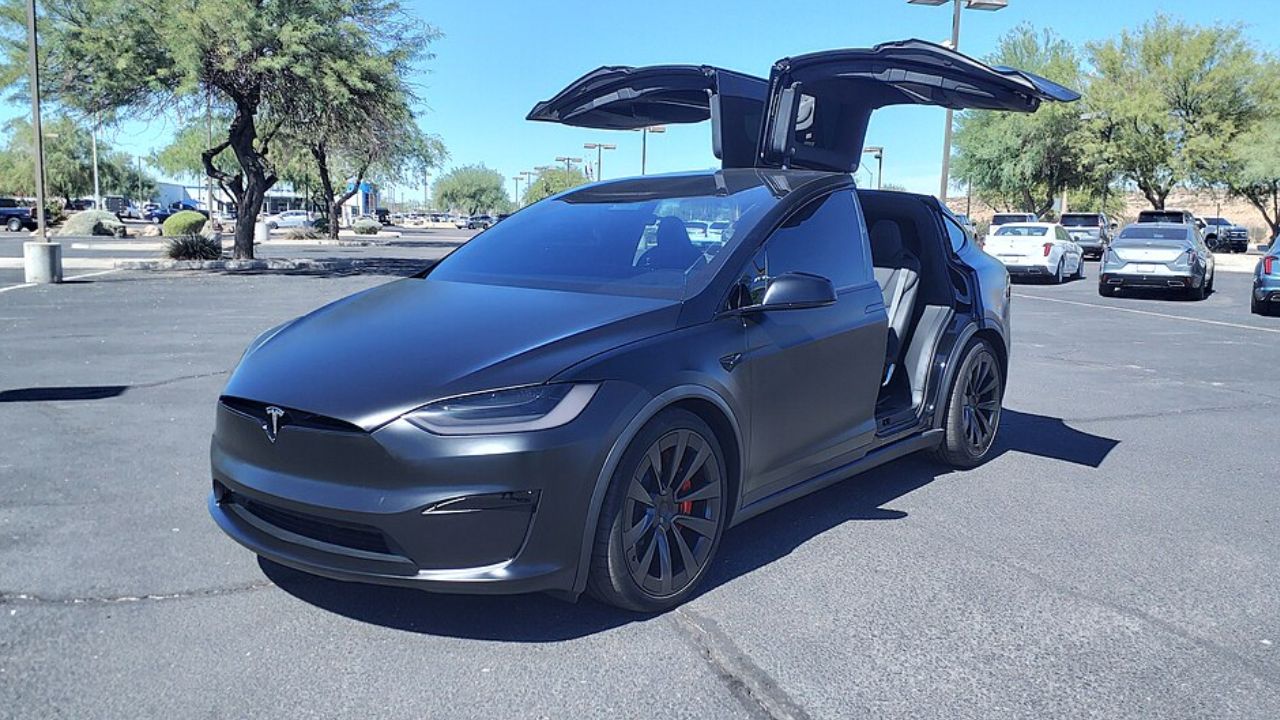
As these lawsuits pile up, regulators have begun to look beyond individual tragedies to the underlying engineering. In September, federal officials opened an investigation into complaints from Tesla drivers about stuck doors and handles that would not operate as expected, particularly after collisions. That probe focuses on whether the design of Tesla’s door systems, including their reliance on electronic actuators and hidden releases, meets basic safety expectations when power is cut or components are damaged.
The regulatory review sits alongside civil claims that describe a similar pattern: doors that stay locked or frozen after a crash, occupants who cannot find or operate interior releases in the chaos of a fire, and rescuers who are left pounding on glass because they cannot get a grip on a traditional handle. One lawsuit over a Model 3 fire, for example, says the doors failed to open after a fiery crash while Witnesses tried to pull the couple out, and another complaint describes a person who burned to death because rescuers could not Open Their Door, with plaintiffs arguing that they died of smoke inhalation while the car’s advanced systems worked against them instead of in their favor.
Design choices under fire: flush handles, electronic latches, hidden backups
At the heart of these disputes is a set of design choices that Tesla has turned into a brand signature. Flush, retractable handles that sit flat against the body, electronic latches that pop doors open with a touch, and interior buttons instead of traditional levers all help create the minimalist look that defines the brand. Families now suing the company argue that the same features can become deadly when a crash knocks out power, warps the body shell, or leaves occupants disoriented and panicked.
In the Cybertruck cases, plaintiffs say the truck’s door handles and latching mechanisms were so complex that they failed in a real-world emergency, leaving Krysta Tsukahara and Jack Nelson unable to escape and bystanders unable to help. Similar allegations appear in the Children’s complaint over the fiery crash tied to an alleged door handle failure, and in other suits that describe Tesla Sued After Another Person Burned To Death Because Rescuers Couldn not Open Their Door. Consumer-focused reporting has also tied Tesla door defects to multiple deaths, noting that the expanding safety investigation is probing whether the company’s approach to doors and handles is fundamentally out of step with the need for simple, intuitive exits when a vehicle is on fire.
Legal and safety stakes for Tesla keep rising
For Tesla, the legal exposure is no longer limited to a single model or one-off incident. The company now faces Families File Lawsuits over Cybertruck door failures in a Deadly Fire, Children suing over an alleged handle malfunction in a separate fiery crash, and additional claims involving a Model 3 where a Lawsuit says the doors would not open as the car burned. Plaintiffs in these cases are not just seeking compensation for their losses, they are asking courts to declare that Tesla’s door systems are unreasonably dangerous and to impose punitive damages under California law and other state standards.
The safety stakes extend beyond the courtroom. If regulators conclude that Tesla’s door designs do not provide reliable egress after a crash, the company could be forced into recalls, software changes, or even hardware redesigns that affect hundreds of thousands of vehicles. Reporting that Tesla door defects are linked to multiple deaths as a safety investigation expands underscores how far the issue has moved from isolated tragedy into a broader test of whether high tech design can coexist with the most basic requirement of any car: that when it crashes and catches fire, the people inside can still get out.