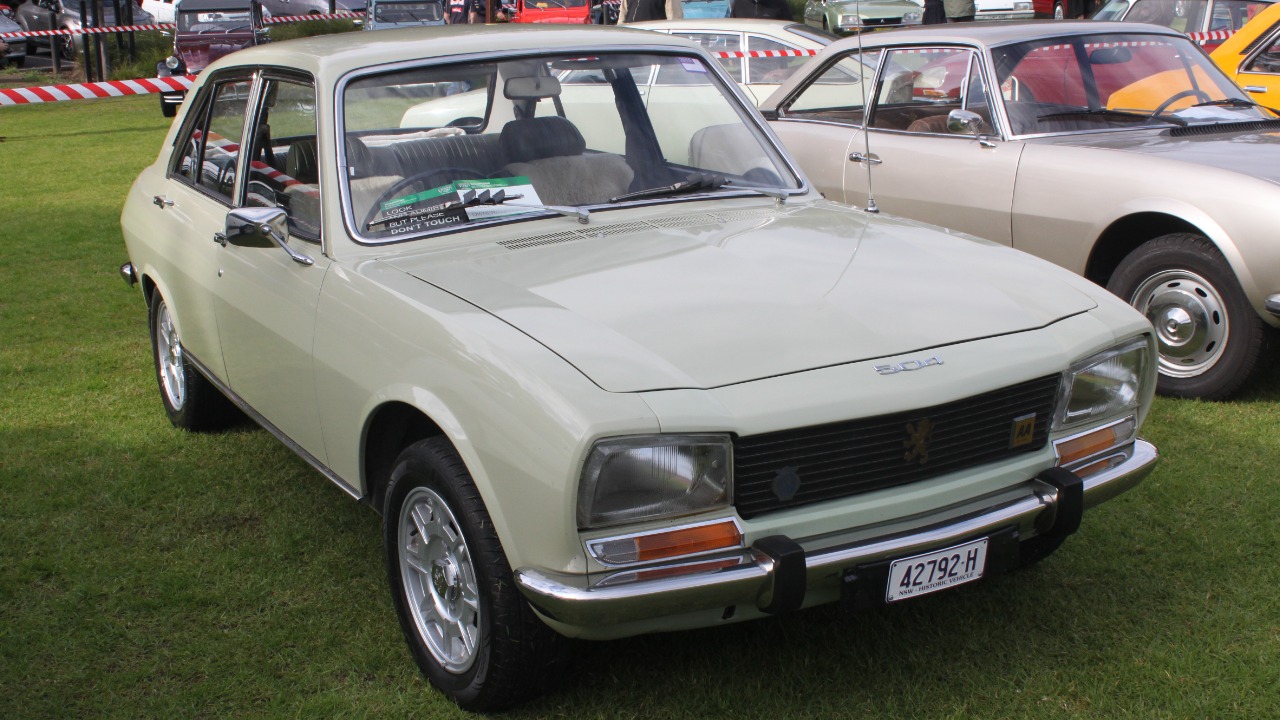
The 1972 Peugeot 504 is not just a vehicle; it’s a symbol of endurance and versatility that transcended its European origins. With its robust design and reliable performance, the 504 carved out a niche in various markets, earning a legendary status that endures to this day.
Historical Context of the Peugeot 504
The early 1970s marked a pivotal moment in the automotive industry. As manufacturers raced to innovate, preferences shifted toward vehicles that offered not only style but also reliability and comfort. Amid this backdrop, Peugeot aimed to strengthen its presence in the global market with the introduction of the 504. The company sought to develop a car that would appeal to families, business people, and adventurers alike, thus establishing a diverse customer base.
Upon its launch in 1968, the Peugeot 504 was met with an enthusiastic reception. Its sleek yet functional design caught the attention of consumers across Europe, and by 1972, it had already established itself as a formidable competitor against brands like Ford and Volkswagen. The 504 quickly became associated with quality and durability, setting the stage for a legacy that would extend far beyond its initial market.
Design and Engineering Innovations
The Peugeot 504 was distinguished by several key design features that set it apart from its competitors. The car’s aesthetic was characterized by its elegant lines and a spacious interior, which offered ample legroom and headspace. The rear-wheel-drive layout contributed to its stable handling, making it a favorite among drivers who valued both comfort and performance.
Under the hood, the 504 was equipped with a range of engine options, including a 1.6-liter four-cylinder and later models featuring a 2.0-liter engine. These engines provided a balance of power and efficiency, making the car suitable for various driving conditions. The engineering advancements of the Peugeot 504 extended to its suspension system, which was designed to absorb shocks and provide a smooth ride even on rough terrain—a crucial feature for markets where road conditions were less than ideal.
Global Reach and Market Penetration
The Peugeot 504’s global reach was nothing short of remarkable. It gained significant traction in several markets, particularly in Africa and South America. In countries like Algeria and Kenya, the 504 became synonymous with reliability, often serving as a family car or a workhorse for businesses. Its ability to withstand harsh environments while delivering consistent performance earned it a loyal following. The model’s adaptability was further demonstrated in Brazil, where local assembly plants catered to regional demands, customizing the vehicle to suit local preferences.
In comparison to contemporaneous models from other manufacturers, the Peugeot 504 stood out for its combination of durability and comfort. While many competitors focused solely on performance, the 504 offered a well-rounded package that appealed to a diverse audience. This strategic positioning allowed Peugeot to carve a niche in markets often overlooked by other European brands, securing its place in automotive history.
Legacy and Cultural Impact
The impact of the Peugeot 504 extends well beyond its initial sales figures. It has influenced automotive design and engineering standards, inspiring future models both within the Peugeot lineup and across the industry. The 504’s focus on reliability and comfort has become a benchmark for many modern vehicles. Its legacy is also evident in the way it has been celebrated in popular culture; the car has made appearances in films, documentaries, and various media, often symbolizing adventure and resilience.
Collectors today hold the 504 in high regard, often seeking out well-preserved models as a nostalgic reminder of a bygone era. Events like the annual Peugeot 504 gathering in France showcase the car’s enduring appeal and the community of enthusiasts dedicated to preserving its legacy. You can find more about the cultural significance of this model in various retrospectives, such as those published by Secret Classics.
Challenges and Preservation Efforts
Despite its storied history, the Peugeot 504 has faced challenges over the years, particularly regarding the decline in production and availability. As consumer preferences shifted toward more modern vehicles, the demand for older models like the 504 decreased. In the United States, this decline was exacerbated by stricter emission regulations and changing market dynamics, making it increasingly rare to find a 504 on American roads. For those interested in why the 504 is so hard to find in the United States, you can explore discussions on platforms like Quora.
Nevertheless, preservation efforts are underway, driven by passionate communities dedicated to maintaining the Peugeot 504’s legacy. Clubs and online forums have sprung up, providing resources for owners to share tips on restoration and maintenance. Many enthusiasts are actively sourcing parts and organizing meet-ups to celebrate their shared love for this iconic vehicle. Academic discussions on the preservation of automotive history, such as those found in research papers, highlight the importance of keeping models like the Peugeot 504 alive in contemporary culture, reflecting on both its engineering prowess and cultural significance Springer.
More from Fast Lane Only
- Unboxing the WWII Jeep in a Crate
- 15 rare Chevys collectors are quietly buying
- 10 underrated V8s still worth hunting down
- Police notice this before you even roll window down
*Research for this article included AI assistance, with all final content reviewed by human editors.