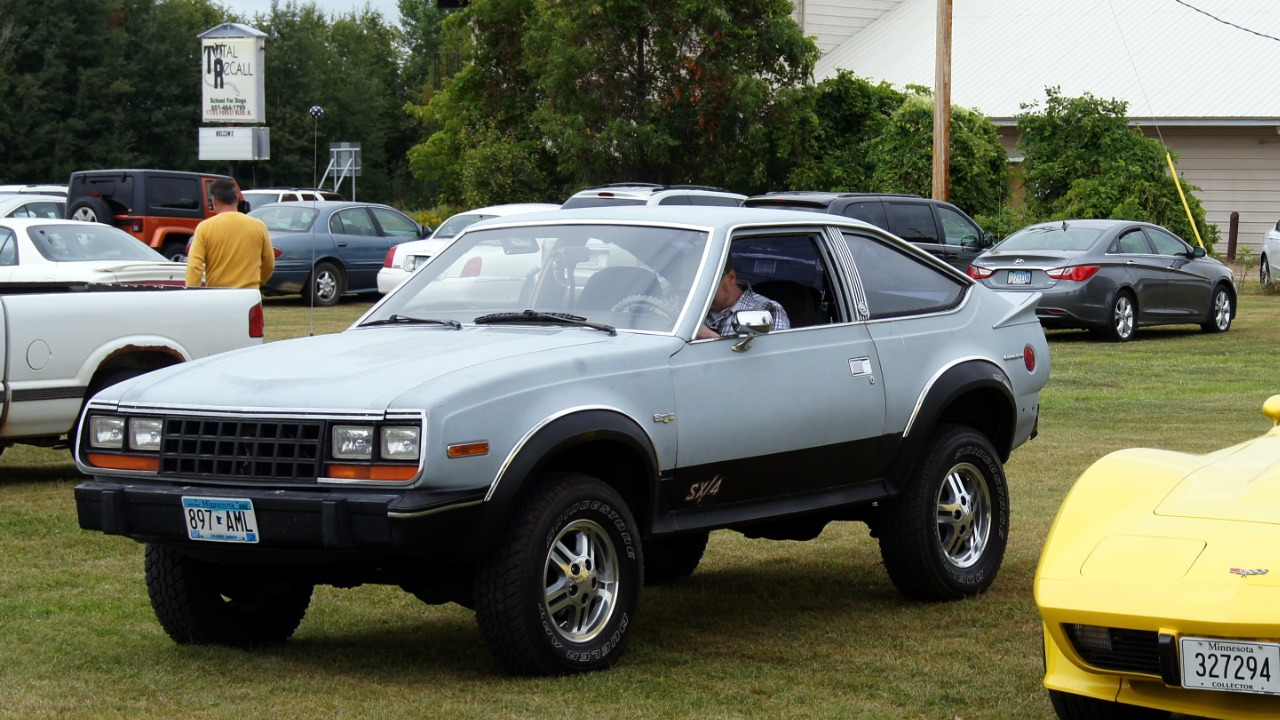
The 1983 AMC Eagle may seem like an obscure relic from the past, but its unique blend of features and design elements quietly predicted the modern crossover market we see today. As automakers pivot towards versatile vehicles that bridge the gap between sedans and SUVs, the AMC Eagle’s pioneering spirit offers valuable insights into the evolution of consumer preferences.
Historical Context of the AMC Eagle
In the early 1980s, American Motors Corporation (AMC) was a company in transition. Faced with stiff competition from the Big Three automakers—General Motors, Ford, and Chrysler—AMC was struggling to carve out a niche in the automobile market. The company had already made a name for itself with smaller, more fuel-efficient cars like the Gremlin and the Pacer, yet it recognized the shifting landscape of consumer preferences towards vehicles that offered greater versatility and utility.
The development of the AMC Eagle was a strategic response to this market demand. Launched in 1983, the Eagle was designed to appeal to consumers who desired the comfort of a sedan but also wanted the ruggedness and capability of an SUV. This innovative vehicle was not merely a response to consumer needs; it was a pioneering attempt to create a new category of automobile that would eventually become known as the crossover. By combining characteristics of both sedans and SUVs, the Eagle set the stage for a new wave of vehicles that prioritized versatility.
Innovative Design Features
One of the standout features of the AMC Eagle was its all-wheel drive technology, which was groundbreaking for its time. While many competitors were still focused on two-wheel drive offerings, the Eagle provided a level of traction and stability that appealed to consumers living in areas with harsh weather conditions. The inclusion of all-wheel drive made the Eagle a practical choice for families and outdoor enthusiasts alike, showcasing the vehicle’s ability to adapt to various driving conditions.
In addition to its performance capabilities, the design aesthetics of the AMC Eagle played a significant role in its appeal. With a sleek, modern profile and stylish interior, the Eagle attracted consumers who were looking for more than just functionality. The vehicle offered a blend of comfort and style that was relatively rare in a vehicle of its class at the time. Features such as a spacious cabin, high seating position, and a user-friendly dashboard design anticipated the needs of modern drivers who desire both practicality and a pleasant driving experience.
The versatility of the AMC Eagle also extended to its cargo space and passenger comfort. The rear hatch design allowed for easy access to the trunk, making it simple for families to load and unload gear for weekend adventures. This focus on practicality is something that resonates with today’s consumers, who increasingly favor vehicles that can accommodate various lifestyles and activities.
Market Impact and Reception
The initial reception of the AMC Eagle was mixed, but it ultimately carved out a niche for itself in the automotive market. Critics praised its innovative design and capabilities, while some were skeptical about its market viability. Despite these mixed reviews, the Eagle sold reasonably well, particularly in its first few years on the market. The vehicle’s unique combination of features resonated with consumers who were beginning to seek alternatives to traditional sedans and larger SUVs.
As the Eagle gained traction, its sales numbers began to influence subsequent vehicle designs across the industry. Automakers took note of the growing interest in crossover-type vehicles and started to develop their own models. The AMC Eagle’s pioneering spirit paved the way for future crossovers like the Toyota RAV4 and the Honda CR-V, which would dominate the market in the years to come. Additionally, the role of government regulations and loopholes significantly influenced the Eagle’s market entry, allowing AMC to position the vehicle as a more versatile option without facing the same restrictions as traditional SUVs.
The Rise of the Crossover Segment
As the late 1990s and early 2000s approached, consumer preferences began to shift dramatically towards crossovers. This evolution was influenced by various factors, including changing lifestyles, economic conditions, and advancements in automotive technology. The AMC Eagle had already laid the groundwork for this shift, demonstrating that consumers were interested in vehicles that offered the best of both worlds: the comfort of a car and the utility of an SUV.
Major automotive brands quickly recognized the opportunity presented by the crossover segment. Companies like Ford, with their Escape model, and Nissan, with the Murano, began to roll out vehicles that echoed the features pioneered by the AMC Eagle. The RAV4, introduced by Toyota in 1996, can also be seen as a direct descendant of the groundwork laid by the Eagle. Manufacturers began to embrace the crossover model enthusiastically, and the market exploded, with sales skyrocketing as consumers flocked to these versatile vehicles.
Today, the crossover segment continues to thrive, accounting for a significant portion of new vehicle sales. Current trends show that automakers are increasingly focused on electrifying their crossover offerings, as seen in models like the Ford Mustang Mach-E and the Hyundai Ioniq 5. These advancements reflect the ongoing evolution of consumer preferences and demonstrate how the foundational elements introduced by the AMC Eagle continue to resonate in today’s market.
Legacy of the AMC Eagle in Today’s Automotive Landscape
The legacy of the AMC Eagle is still palpable in today’s automotive landscape, influencing contemporary vehicle designs in various ways. Many automakers have revisited the concept of the crossover, blending functionality and style in their new models. The notion of a vehicle that can seamlessly transition from urban commuting to outdoor adventures remains a cornerstone of modern automotive design.
For collectors and automotive enthusiasts, the AMC Eagle holds a special place in history. It is often celebrated as a pioneering vehicle that dared to challenge conventional automotive norms. Enthusiasts share their experiences and restore these classic models, contributing to a growing appreciation for the Eagle. The vehicle has even garnered its own fanbase, with online communities dedicated to discussing and preserving the legacy of the AMC Eagle.
As automakers continue to innovate in the crossover segment, the AMC Eagle serves as a reminder of the importance of understanding consumer needs and preferences. The vehicle’s unique blend of features and design elements showcases how historical models can inform and inspire future automotive developments. In a rapidly changing industry, the lessons learned from the AMC Eagle remain relevant, shaping the trajectory of automotive design and marketing.
Lessons from the AMC Eagle
The story of the AMC Eagle illustrates the critical importance of innovation in responding to shifting market demands. As consumer preferences evolve, so too must the vehicles designed to meet those needs. The Eagle was ahead of its time, embodying a vision of versatility that has since become the standard in the automotive industry.
Moreover, the AMC Eagle serves as a case study for understanding the trajectory of automotive design and marketing. Its legacy is not merely about its unique features but also about the impact it had on shaping consumer expectations. As automakers continue to navigate the complexities of a competitive market, the lessons learned from the AMC Eagle will undoubtedly influence their strategies moving forward.
As we look to the future of automotive design, it’s essential to revisit and appreciate the significance of historical models like the AMC Eagle. By understanding how past vehicles have shaped the present and will continue to influence future innovations, we can better appreciate the dynamic nature of the automotive industry.
More from Fast Lane Only
- Unboxing the WWII Jeep in a Crate
- 15 rare Chevys collectors are quietly buying
- 10 underrated V8s still worth hunting down
- Police notice this before you even roll window down
*Research for this article included AI assistance, with all final content reviewed by human editors.