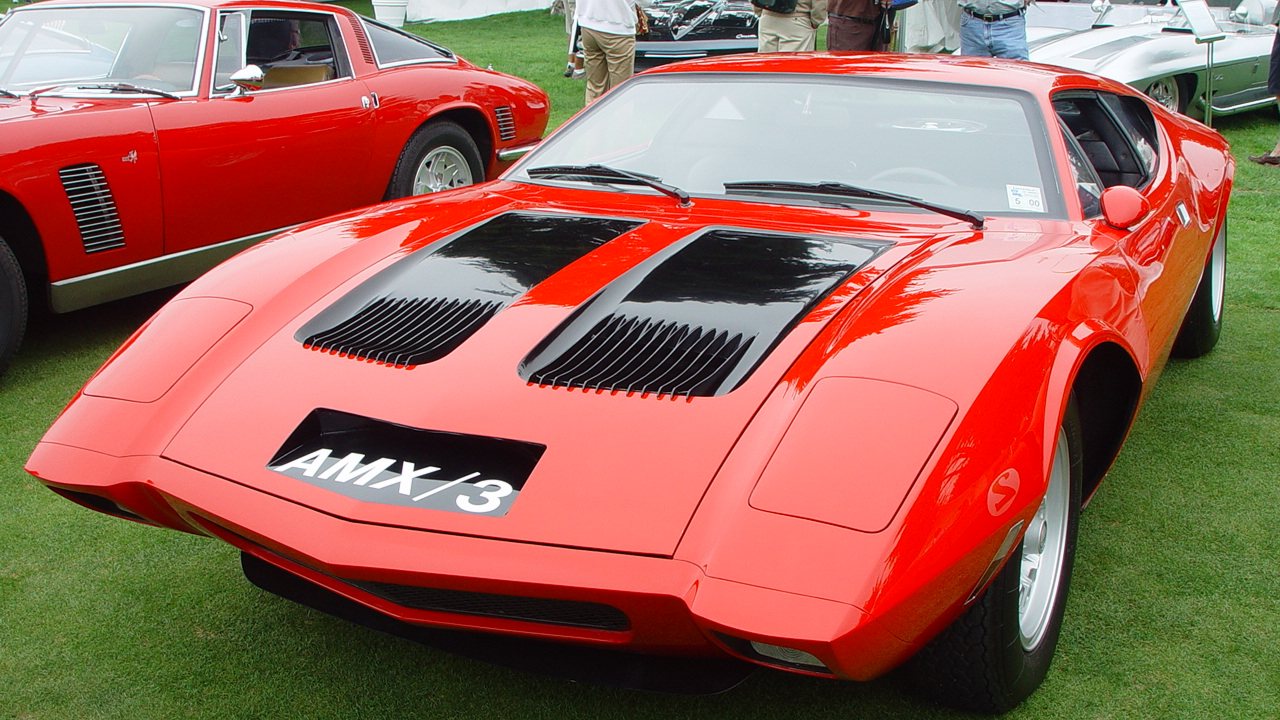
The AMC AMX/3 project, a daring venture into the world of high-performance sports cars, remains one of the lesser-known stories in automotive history. Launched during a tumultuous period for American Motors Corporation, the AMX/3 exemplified innovative design and engineering but ultimately arrived too late to save the struggling automaker.
The Genesis of the AMX/3 Project
In the late 1960s, American Motors Corporation (AMC) sought to carve out a niche for itself in the competitive sports car market, a realm traditionally dominated by the likes of Ford and Chevrolet. The introduction of the AMC AMX in 1968 marked a significant step in this direction, showcasing the company’s ambition to establish a performance-oriented image. The AMX was not just another car; it was a statement, a bold assertion that AMC could compete with the big players by offering a vehicle that combined style, performance, and affordability.
As the success of the AMX resonated with consumers, AMC began to envision a more advanced model that would elevate their standing in the automotive world. This vision became the AMX/3, spearheaded by designer Vince Geraci. Geraci, along with a dedicated team, aimed to push the boundaries of automotive design and engineering. They dreamed of creating a mid-engine sports car that would not only rival contemporary offerings but also represent the pinnacle of AMC’s engineering capabilities.
Design Features and Innovations
The AMX/3 was notable for its unique design elements, setting it apart from its contemporaries. Unlike most American sports cars of the time, which typically featured front-engine layouts, the AMX/3 sported a mid-engine design. This innovative configuration allowed for better weight distribution, enhancing both handling and performance. The car’s aerodynamic styling was a departure from traditional designs, featuring a sleek, low profile that hinted at its performance capabilities.
Technologically, the AMX/3 was ahead of its time. It incorporated advanced suspension designs and aerodynamic features that improved stability at high speeds. The independent rear suspension, for instance, was a significant advancement, allowing for better traction and cornering capabilities. When compared to other sports cars of the era, such as the Chevrolet Corvette and the Ford Mustang, the AMX/3 stood out not just for its looks but for the cutting-edge technology that underpinned its design.
While cars like the Corvette were known for their raw power and muscle, the AMX/3 aimed to provide a more refined driving experience. Its interior was designed with both comfort and functionality in mind, featuring high-quality materials and a driver-focused layout that emphasized control and accessibility. With innovations in styling and engineering, the AMX/3 represented a significant leap forward for AMC.
The Production Challenges
Despite its promising design and ambitious goals, the AMX/3 faced numerous production challenges that ultimately hindered its launch. Financial struggles were a constant shadow for AMC during this era. The company was grappling with a series of economic pressures, including rising costs and decreasing sales. These financial woes directly impacted the AMX/3’s production timeline, as funds were diverted to keep the company afloat rather than investing in new projects.
The oil crisis of the early 1970s further complicated matters. As fuel prices skyrocketed, consumer preferences began to shift dramatically. The demand for high-performance sports cars waned, as buyers gravitated towards more fuel-efficient vehicles. This shift in consumer behavior created an uncertain market for the AMX/3, and AMC found itself in a precarious position, trying to navigate a changing landscape.
Internal conflicts within AMC also played a role in the project’s eventual cancellation. As different factions within the company vied for attention and resources, the AMX/3 struggled to gain the support it needed. The lack of clear direction and unified vision ultimately led to the decision to halt production, leaving the AMX/3 as a tantalizing “what could have been” in the annals of automotive history.
Legacy and Impact on Car Culture
Although the AMX/3 never made it to mass production, its legacy endures as a collector’s item and a symbol of what might have been. Today, the car garners significant interest among automotive enthusiasts and collectors, often regarded as a rare find. The few existing models are celebrated for their unique design and engineering, with prices at auctions reflecting their desirability. The AMX/3 has become a topic of discussion among car aficionados, often highlighted in articles and forums that celebrate forgotten automotive gems, such as those found in HotCars.
The AMX/3 also left a mark on later AMC models, influencing the design and engineering philosophies that would be adopted in subsequent vehicles. Its conceptual framework pushed the boundaries of what AMC could achieve, inspiring future iterations that sought to blend performance with innovative design. The car’s impact can be seen in the way AMC approached sports car development in the years that followed, even as the brand itself faced its own set of challenges.
Anecdotes from collectors and automotive historians further illuminate the AMX/3’s significance. Many enthusiasts recount stories of stumbling upon the car in obscure locations or learning about its rich history through dedicated clubs and gatherings. These narratives serve to keep the spirit of the AMX/3 alive, ensuring that it remains a cherished part of automotive lore.
Restorations and Modern Interest
In recent years, there has been a renewed interest in the AMX/3, largely driven by efforts to restore and preserve the few existing models. Restoration projects have become a labor of love for many collectors who see the value in bringing this forgotten sports car back to its former glory. Car shows and vintage racing events have also played a crucial role in reigniting interest, with the AMX/3 often featured prominently to showcase its unique design and historical significance.
Notable owners of the AMX/3 have shared their experiences, expressing a deep appreciation for the car’s engineering and design. Many have taken pride in restoring their models to original specifications, often leading to discussions about the challenges and triumphs of owning such a rare vehicle. These personal stories highlight the emotional connection that enthusiasts have with the AMX/3, transforming it from a mere vehicle into a cherished piece of automotive history.
Moreover, social media platforms have facilitated a vibrant community around the AMX/3, with dedicated pages and groups sharing updates on restorations, events, and historical insights. Platforms like Facebook host lively discussions that keep the legacy of the AMX/3 alive, connecting fans and new enthusiasts alike.
Lessons Learned from the AMX/3 Experience
The story of the AMX/3 offers valuable lessons about innovation in the automotive industry. It serves as a reminder that even the most ambitious projects can falter if they are not timed correctly or if market conditions shift unexpectedly. The challenges faced by AMC with the AMX/3 underscore the importance of understanding consumer preferences and market readiness when launching new models. Timing, it seems, is everything in the fast-paced world of automotive design.
Moreover, the AMX/3 experience reflects a broader trend within the automotive industry, where innovation and market demands must coexist harmoniously. For modern car manufacturers, the lessons from AMC’s struggles are particularly relevant. As the industry faces rapid changes driven by technology and evolving consumer expectations, the balance between innovation and practicality becomes crucial for success.
Ultimately, the AMX/3 stands as a testament to the potential that can arise from daring design and engineering. While it may have arrived too late for AMC, its legacy continues to inspire a new generation of automotive enthusiasts and designers, serving as a reminder that the spirit of innovation is never truly forgotten.
More from Fast Lane Only
- Unboxing the WWII Jeep in a Crate
- 15 rare Chevys collectors are quietly buying
- 10 underrated V8s still worth hunting down
- Police notice this before you even roll window down
*Research for this article included AI assistance, with all final content reviewed by human editors.