In an era where technology dominates the automotive landscape, the age-old practice of seasonal tune-ups has been largely forgotten. These rituals were once integral to car ownership, serving as a cornerstone of vehicle maintenance that ensured reliability and performance. As I reminisce about the days of classic cars, I find it essential to explore the significance of these tune-ups, the practical benefits they presented, and the nostalgic charm they brought to automotive culture.
The Origins of Seasonal Tune-Ups
Seasonal tune-ups originated out of necessity in the early to mid-20th century when automobiles were simpler machines. As winter approached, car owners took their vehicles to local mechanics for essential adjustments, ensuring their cars could handle the cold months ahead. The practice became a seasonal ritual, much like preparing gardens for winter or swapping out wardrobes. The relationship between car owners and mechanics was built on trust and familiarity, where local garages became community hubs of knowledge and service.
Mechanics played a crucial role in this ritual. They weren’t just technicians; they were part of the community. They knew the idiosyncrasies of local weather patterns and how they affected vehicles. For instance, a mechanic in Michigan would emphasize different preparations for winter compared to one in California. This local knowledge, combined with the relationship between mechanic and owner, created an environment where seasonal tune-ups were not only beneficial but also a social event.
Climate also dictated the specific needs of vehicles. In colder regions, antifreeze and oil changes became paramount as winter approached, while in hot climates, coolant checks were critical during summer. These seasonal adjustments were not just recommendations; they were essential to ensure vehicles performed optimally throughout the year.
Essential Components of a Seasonal Tune-Up
When considering the components of a seasonal tune-up, engine performance is paramount. During winter, mechanics would recommend adjustments to the ignition system and carburetor to ensure smooth starts in cold weather. For example, classic models like the Ford Mustang (1965-1973) may require a thorough inspection of the spark plugs and ignition timing, which can significantly affect the car’s startup reliability in frigid temperatures. Similarly, summer tune-ups would focus on optimizing air conditioning systems and ensuring the engine runs cool to avoid overheating.
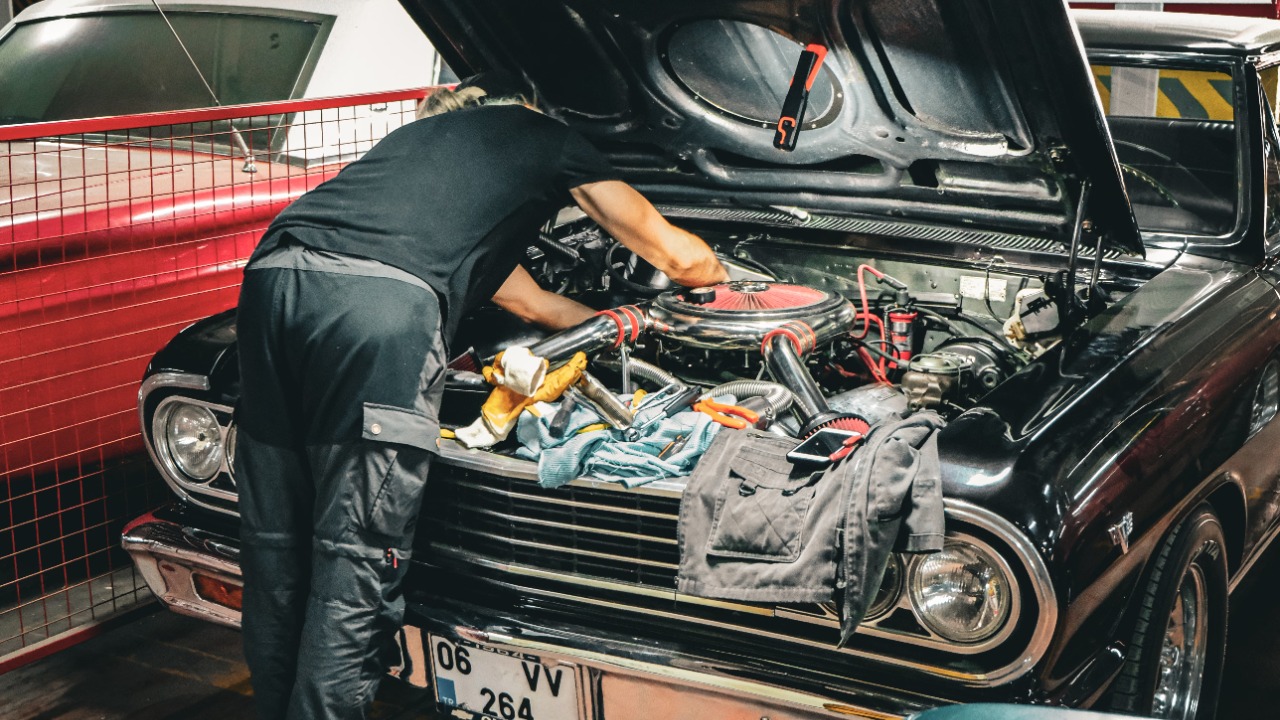
Fluid checks and replacements are another critical aspect of seasonal tune-ups. In winter, the importance of antifreeze cannot be overstated; it prevents engine block cracking due to freezing temperatures. Conversely, in the summer, coolant levels must be checked to prevent overheating. Regular checks of engine oil, transmission fluid, and brake fluid are also essential, as these fluids can break down over time, impacting vehicle performance. Mechanics often used simple, yet effective, methods to assess fluid conditions, ensuring that drivers were prepared for the changing seasons.
Battery health is equally crucial, especially as temperatures drop or rise dramatically. Cold weather can sap the strength of a car battery, leading to starting issues. Conversely, heat can also affect battery performance. Regular checks of battery terminals, fluid levels, and overall health were standard during seasonal tune-ups. For instance, classic cars such as the Chevrolet Impala (1960-1970) often required battery maintenance to ensure they could start seamlessly, no matter the season.
The Benefits of Regular Tune-Ups
Regular tune-ups offer numerous benefits, starting with enhanced vehicle longevity. Cars are significant investments, and routine maintenance can extend their lifespan dramatically. For example, a well-maintained 1970 Volkswagen Beetle can still be on the road today, thanks to the diligent care it received over the years. These vehicles, when properly tuned and maintained, can run for over 200,000 miles, a testament to the benefits of regular seasonal upkeep.
Improved safety is another critical advantage of seasonal tune-ups. A car that has undergone regular maintenance is less likely to experience breakdowns or accidents caused by mechanical failures. For instance, regular brake inspections and fluid replacements can prevent catastrophic events, ensuring that drivers remain safe on the road. The peace of mind that comes from knowing your vehicle is in good condition is invaluable.
Additionally, tune-ups can have a positive impact on fuel efficiency. A well-tuned engine runs more smoothly, which translates to better gas mileage. For example, a Ford F-150 from the early 2000s, when properly tuned, could achieve a noticeable difference in fuel efficiency compared to one that hasn’t received regular maintenance. This not only saves money at the pump but also reduces emissions, aligning with the increasing demand for environmentally responsible driving.
Seasonal Tune-Ups vs. Modern Maintenance Practices
The evolution of automotive technology has significantly changed maintenance needs. Modern cars, equipped with onboard diagnostic systems and advanced technologies, often require less frequent tune-ups than their classic counterparts. For instance, a 2020 Toyota Camry can often alert drivers to issues through its dashboard notifications, reducing the need for routine checks that were once the norm. However, this shift has led to a more reactive approach to maintenance rather than a proactive one.
The rise of DIY culture also plays a role in the changing landscape of car maintenance. Many car owners today prefer to rely on online resources, such as YouTube tutorials or vehicle-specific apps like CarMD, to diagnose and fix issues themselves. While this can be empowering, it sometimes detracts from the traditional relationship between car owners and mechanics. The local mechanic, once a trusted advisor, may now be seen as a last resort rather than a partner in vehicle care.
This shift has created a loss of personal connection between owners and their vehicles. Classic cars often evoke a sense of pride and nostalgia, while modern vehicles can feel more like appliances. The rituals surrounding seasonal tune-ups fostered a connection that many modern car owners miss. The tactile experience of checking oil levels or changing spark plugs is replaced with digital interfaces and warning lights, creating a gap in the relationship many used to cherish.
Reviving the Ritual: How to Implement Seasonal Tune-Ups Today
To revive the ritual of seasonal tune-ups, creating a tune-up schedule is essential. I recommend setting aside specific times throughout the year to evaluate your vehicle’s needs. For example, I typically perform a thorough check in early spring and late fall, preparing my car for the upcoming weather changes. This proactive approach helps me stay ahead of any potential issues and ensures my vehicle is always ready for the road.
Additionally, it’s important to tailor the tune-up process to suit your vehicle type. Classic cars may require more hands-on attention, focusing on parts that are susceptible to wear and tear due to age. Meanwhile, modern cars could benefit from software updates and checks of electronic systems. Engaging with reputable mechanics who understand the nuances of both classic and modern vehicles can provide valuable insights into the specific needs of your car.
Finally, engaging with the community can enhance the experience of implementing seasonal tune-ups. Joining local car clubs or forums can connect you with fellow enthusiasts who share a passion for car care. These communities often host events that emphasize the importance of maintenance, allowing members to learn from each other while celebrating their vehicles. Finding local mechanics who appreciate traditional practices can also help ensure that your car receives the attention it deserves.
More from Fast Lane Only
- Unboxing the WWII Jeep in a Crate
- 15 rare Chevys collectors are quietly buying
- 10 underrated V8s still worth hunting down
- Police notice this before you even roll window down
*Research for this article included AI assistance, with all final content reviewed by human editors.