Throughout automotive history, some classic cars have been overlooked or underestimated, only to rise in popularity and value over time. These vehicles, often dismissed at their launch, have shown that innovation and unique design can create lasting legacies. Let’s take a closer look at 11 classic cars that were underestimated from the very beginning.
Ford Mustang I
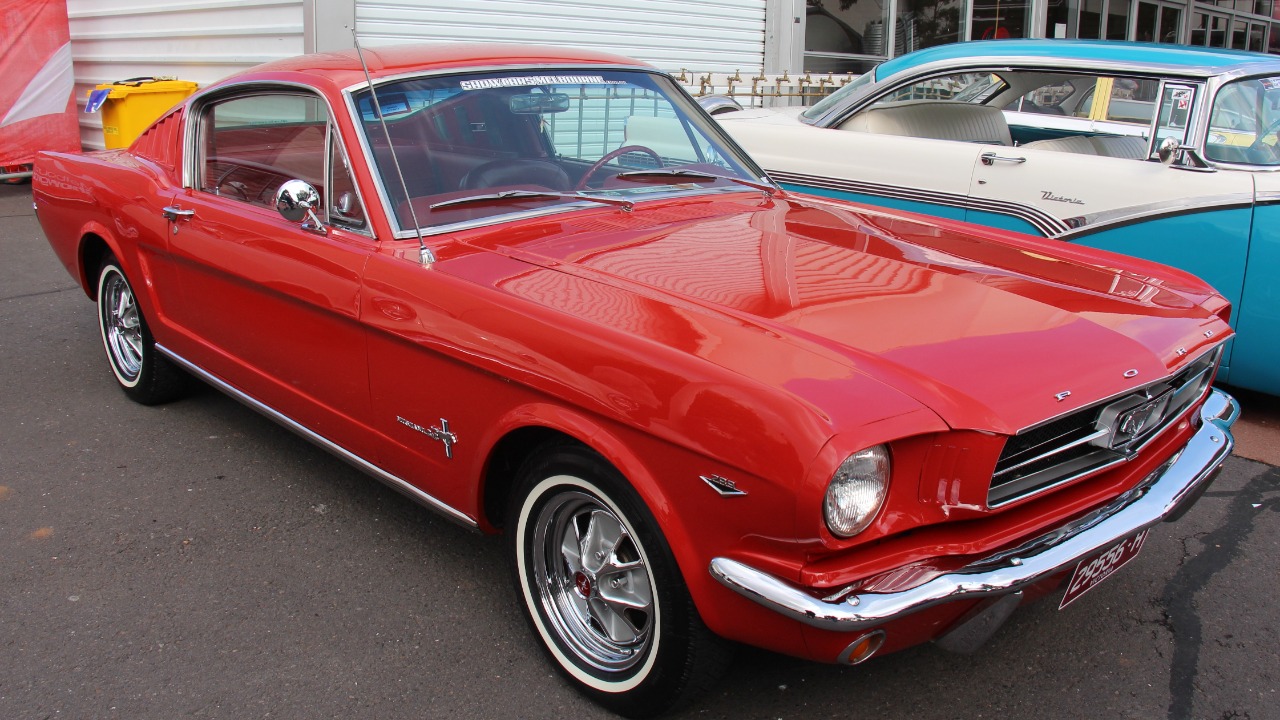
Launched in 1962 as a prototype, the Ford Mustang I was initially seen as just another sports car. With its mid-engine layout and sleek design, it was a radical departure from the traditional muscle cars of its time. Critics didn’t foresee the impact the Mustang would have when it officially debuted in 1964. Today, the Mustang is iconic, representing freedom and performance in American automotive culture. The 1965 model, with its powerful V8 engine, became a symbol of the era, and its underdog story has solidified its place in history. The Mustang’s evolution reflects changing tastes and technology, making it a timeless classic. Future classic status is now a given for this vehicle.
Volkswagen Type 2 (Bus)

The Volkswagen Type 2, commonly known as the VW Bus, debuted in 1950 and was initially dismissed as a quirky vehicle. Its boxy shape and utilitarian design didn’t appeal to everyone, and many considered it impractical. However, as counterculture movements emerged in the 1960s, the VW Bus became a symbol of freedom and adventure, capturing the imagination of a generation. Its spacious interior allowed for road trips and gatherings, making it a popular choice among families and travelers alike. Today, the Type 2 is celebrated for its unique style and versatility, commanding high prices among collectors and enthusiasts. The enduring popularity of this classic is a testament to its underestimated origins.
Chevrolet Corvair
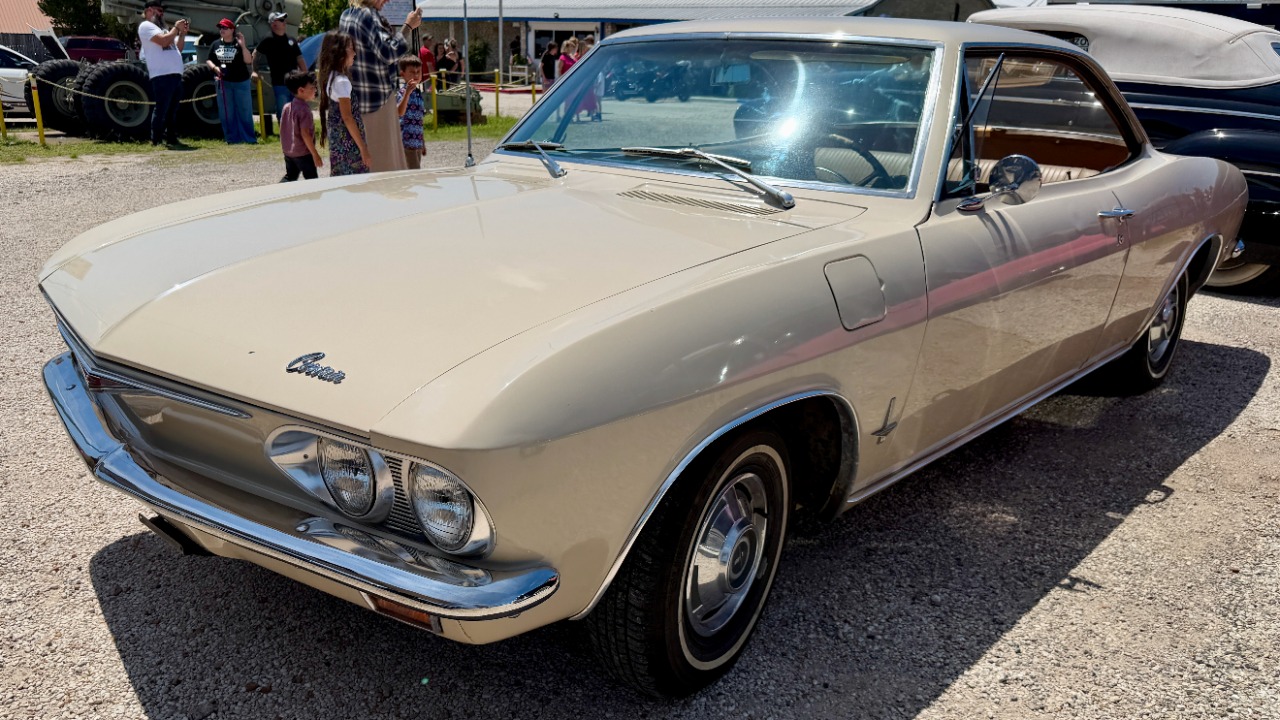
When the Chevrolet Corvair was introduced in 1960, it was met with skepticism due to its unconventional rear-engine design and air-cooled engine. Critics were quick to label it as unsafe, particularly after Ralph Nader’s book “Unsafe at Any Speed” raised concerns about its handling. However, the Corvair has seen a renaissance among classic car enthusiasts who appreciate its unique engineering and design. Models like the 1965 Corvair Monza, with its sporty aesthetics and innovative features, have gained a following. Restorations and modifications have further enhanced its appeal, showcasing the Corvair as a misunderstood classic that deserves recognition in automotive history.
Datsun 240Z

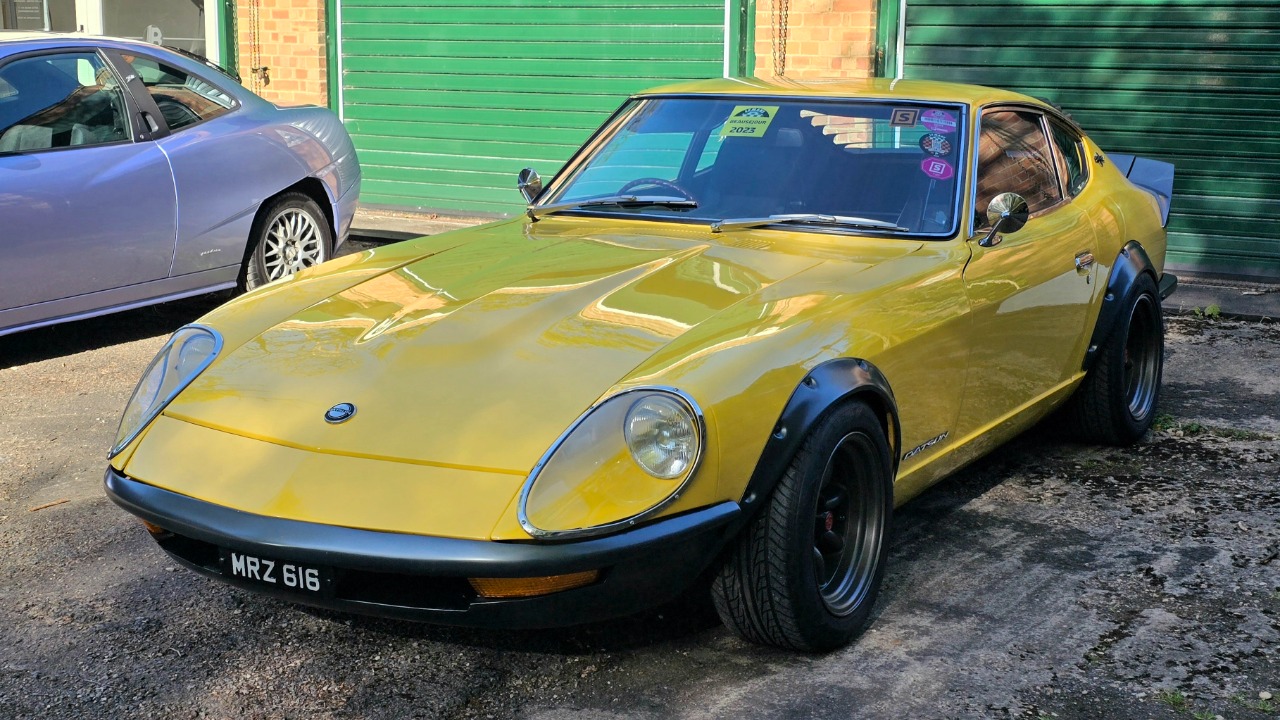
The Datsun 240Z, introduced in 1969, was initially underestimated due to its status as a Japanese sports car during a time when American muscle ruled the roads. However, it quickly proved critics wrong with its blend of performance, affordability, and style. The 240Z offered features that rivaled more expensive European models, such as a powerful inline-six engine and a lightweight body. Its impressive handling and design made it a favorite among enthusiasts, leading to its recognition as a true classic. Today, the Datsun 240Z is celebrated for its role in making sports cars accessible to a broader audience, showing that it was an underestimated contender in its heyday.
AMC Pacer

The AMC Pacer, introduced in 1975, was often mocked for its unusual design and rounded shape. Critics labeled it as “the flying fishbowl,” and many dismissed it as unattractive. However, the Pacer was ahead of its time, featuring a spacious interior and innovative design elements aimed at maximizing passenger comfort. Its quirky aesthetic has gained a cult following, and today, the Pacer is appreciated for its unique style and the nostalgia it evokes. As the automotive landscape evolves, vehicles like the Pacer remind us that sometimes, the most underestimated cars can become beloved classics. Interest in them continues to grow, as seen in various classic car forums.
BMW 2002

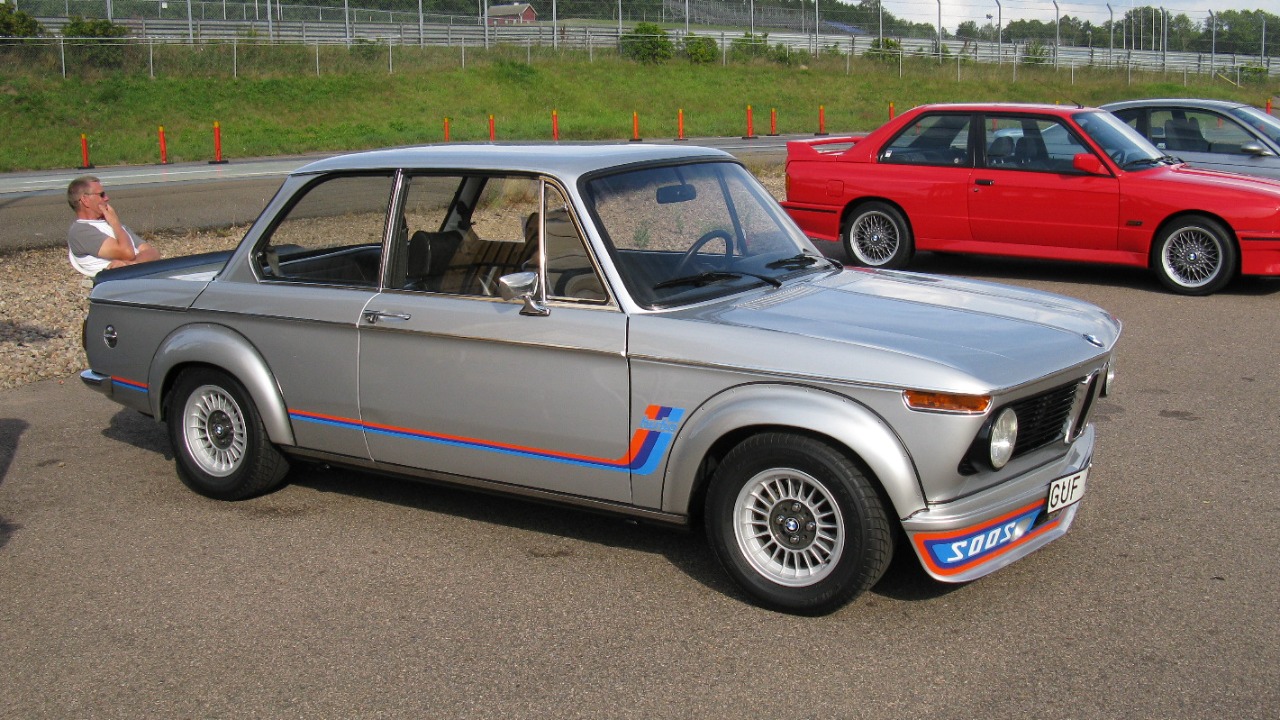
The BMW 2002, introduced in the late 1960s, was initially seen as a compact car in a market dominated by larger sedans. Far from being just another model, it was a game-changer that helped establish BMW as a performance brand. Its combination of sporty handling and practicality made it popular among driving enthusiasts. People didn’t realize at first that the 2002 would set the stage for future models, leading to the emergence of the BMW 3 Series. The 2002’s legacy endures today, with collectors appreciating its blend of performance and everyday usability. It’s a classic that has proven its worth over time, surprising many who initially underestimated it.
DeLorean DMC-12
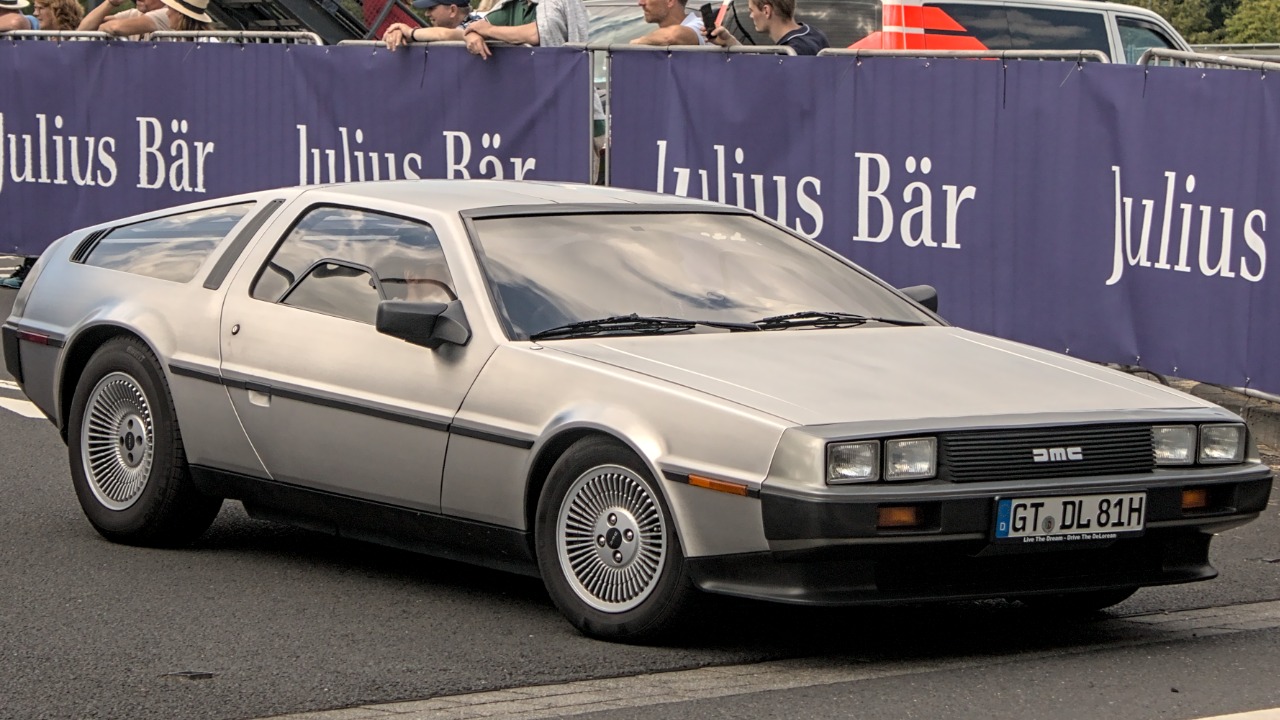
Initially launched in 1981, the DeLorean DMC-12 faced skepticism due to its unconventional stainless steel body and gullwing doors. Critics were quick to judge its performance, which didn’t match the hype generated by its futuristic design. However, the DMC-12 gained iconic status after its appearance in the “Back to the Future” franchise, transforming it into a pop culture phenomenon. Today, collectors admire the DeLorean for its unique styling and the innovative vision behind it. The car’s legacy serves as a reminder that first impressions can be misleading, and sometimes, underappreciated designs can captivate audiences in unexpected ways.
Pontiac Fiero
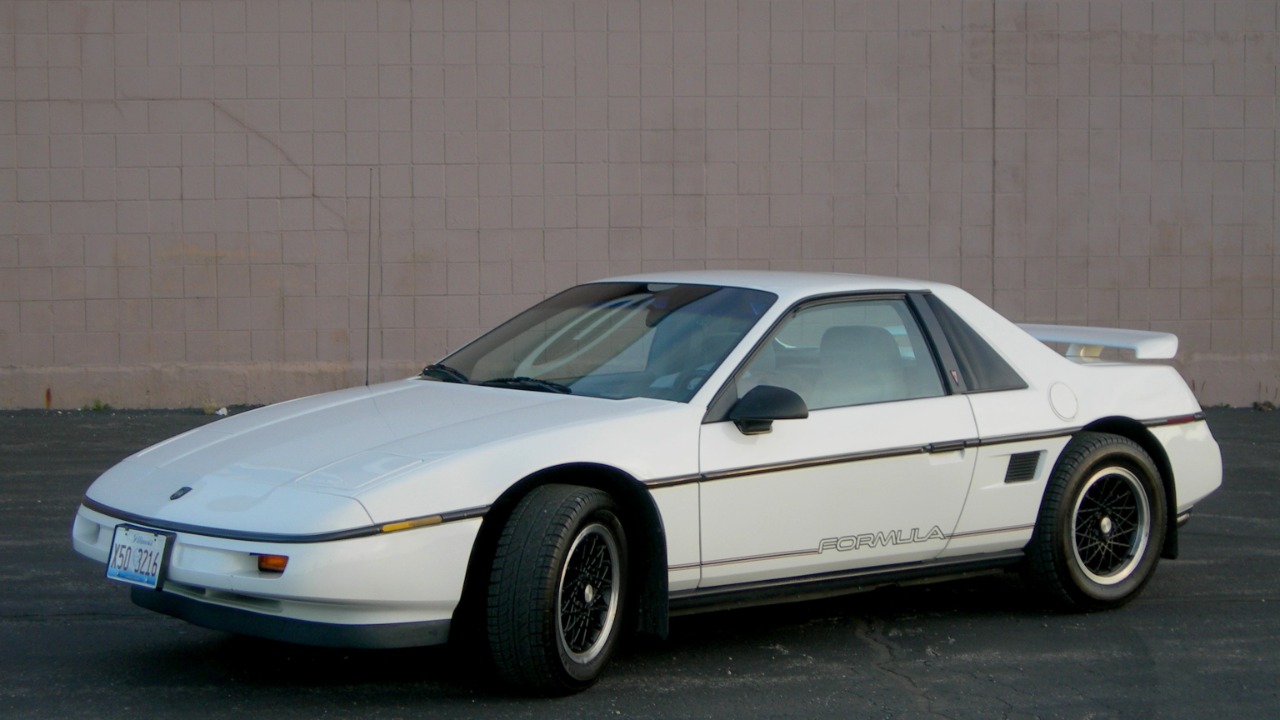
The Pontiac Fiero, introduced in 1984, was initially greeted with skepticism as GM’s first attempt at a mid-engine sports car. Critics dismissed it as a glorified economy car, overlooking its potential. However, the Fiero’s unique styling and agile performance quickly garnered a loyal following. The 1988 model, with its improved suspension and power output, showcased what the Fiero could really do. Despite its production ending in 1988, the Fiero remains a beloved classic among enthusiasts who recognize its potential. It serves as a reminder that innovation sometimes takes time to be appreciated, and the Fiero’s distinct design has finally earned it a rightful place in automotive history.
Mercedes-Benz 300SL Gullwing
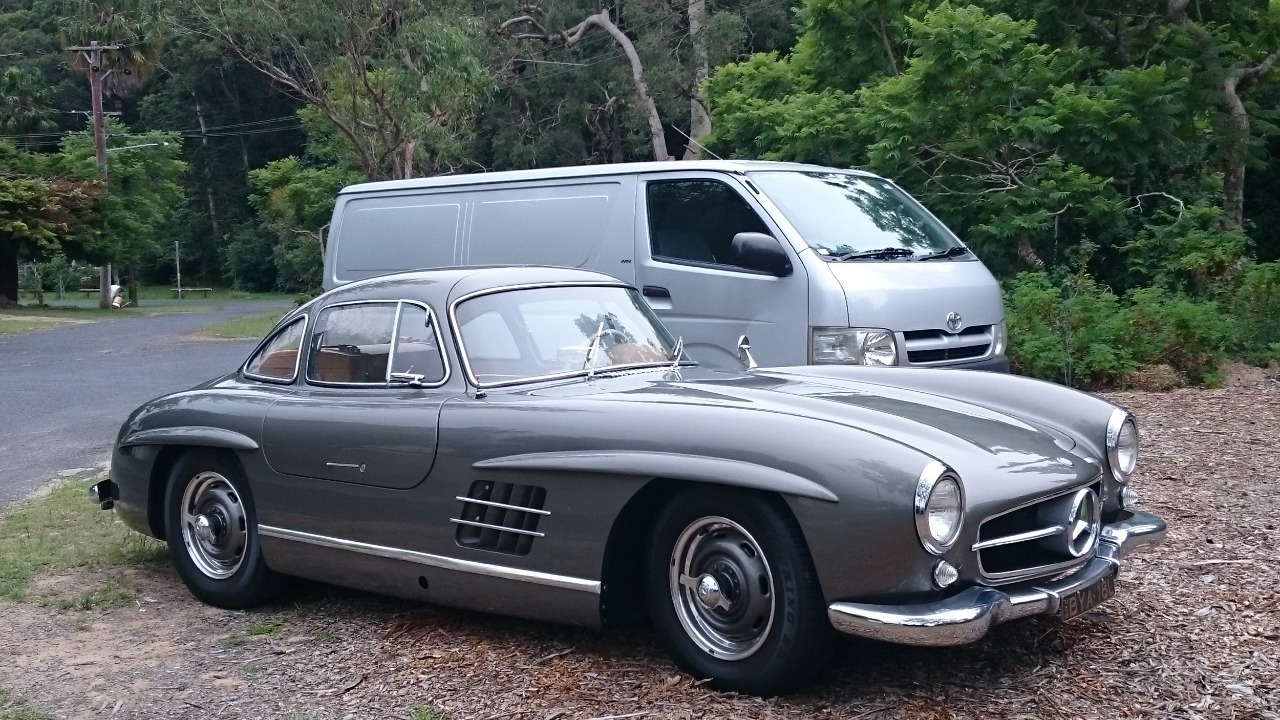
When the Mercedes-Benz 300SL Gullwing was introduced in 1952, it was not immediately embraced by the public. Its high price tag and unique gullwing doors led some to question its practicality. However, its racing pedigree and stunning design quickly turned skepticism into admiration. The 300SL became a symbol of luxury and performance, showcasing Mercedes-Benz’s engineering prowess. Models from the 1950s now command astronomical prices at auctions, proving that the Gullwing has transcended its initial underestimation. Collectors and enthusiasts recognize it as one of the most significant cars in automotive history, celebrating its blend of style and innovation that continues to captivate audiences today.
Toyota 2000GT
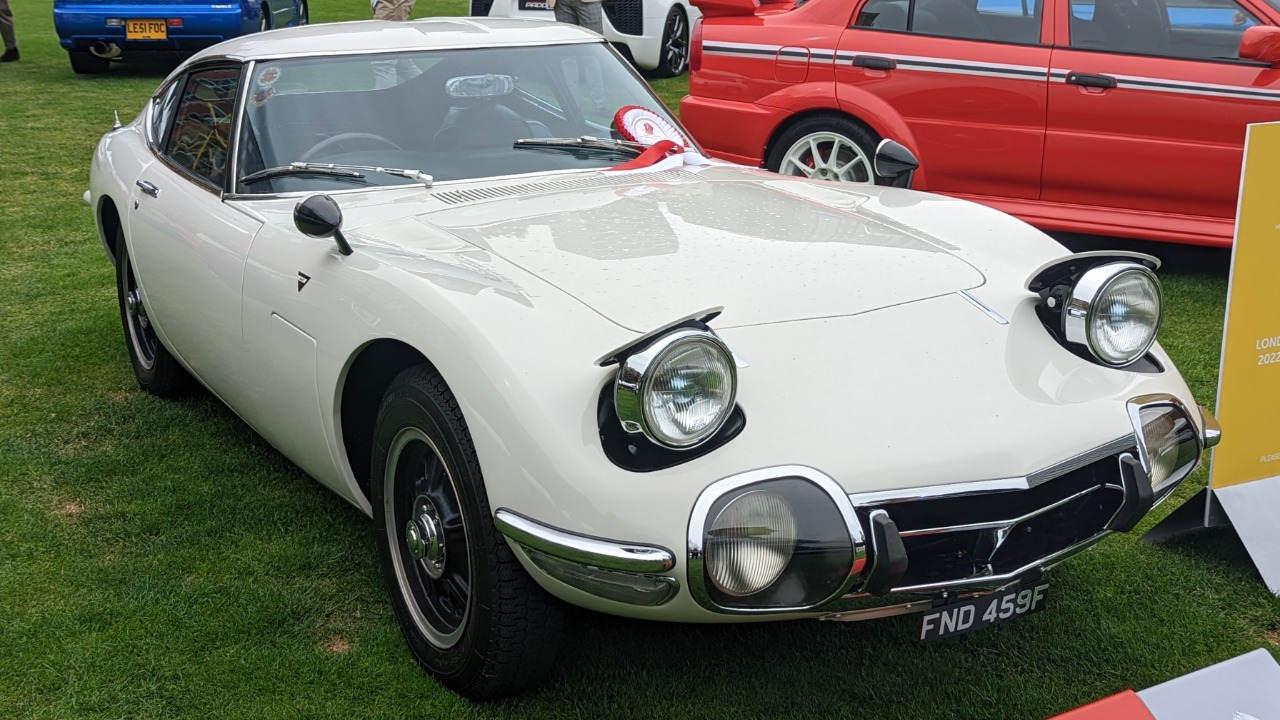
The Toyota 2000GT, released in 1967, was overshadowed by its European counterparts, with many considering it merely a curiosity. Its sleek design and impressive performance were often overlooked. However, the 2000GT’s rarity and engineering excellence have since earned it a revered place among classic car enthusiasts. With only 351 units produced, it has become a sought-after collector’s item, demonstrating that the initial underestimation was misguided. The 2000GT’s influence on the sports car market is undeniable, paving the way for future generations of Japanese performance vehicles. Its legacy reminds us that true innovation often comes from unexpected places, making it a classic worth celebrating.
Citroën DS
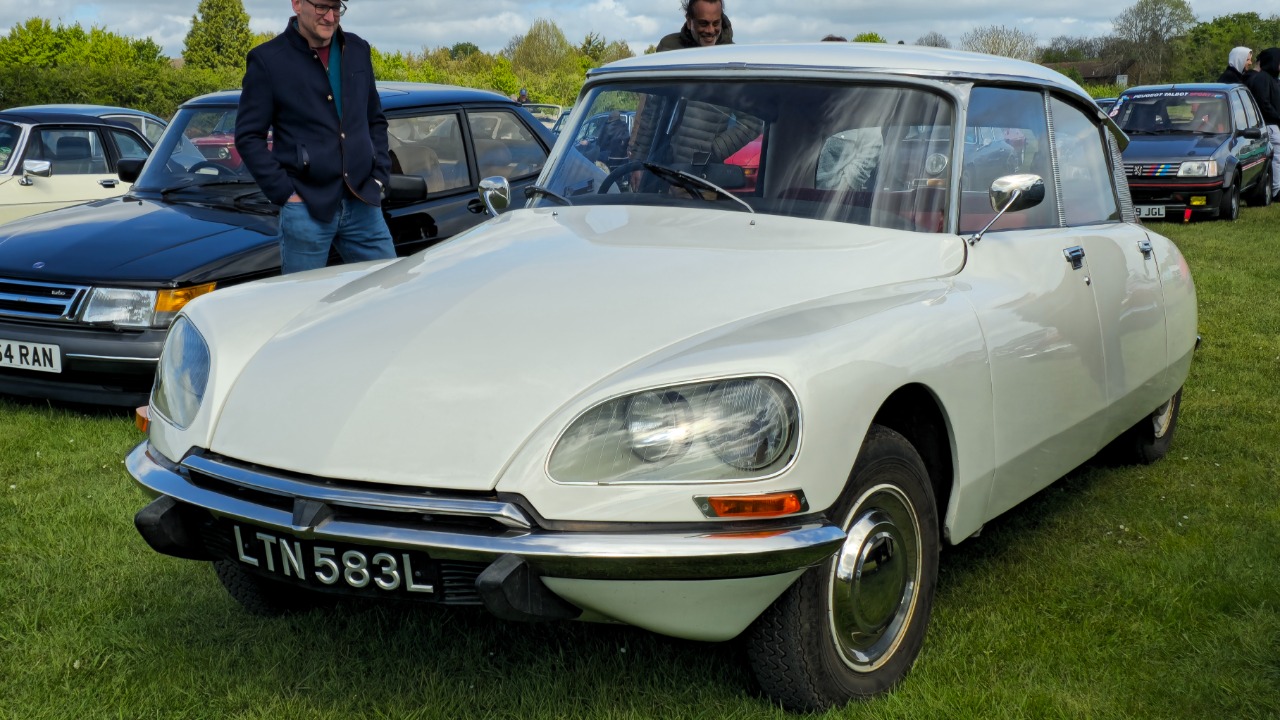
The Citroën DS, introduced in 1955, was groundbreaking with its aerodynamic design and innovative features, such as hydropneumatic suspension. Initially, it faced skepticism from traditionalists who favored more conventional designs. However, its smooth ride and advanced technology quickly won over drivers. The DS became a symbol of French automotive engineering and style, showcasing how forward-thinking design can redefine expectations. Today, it’s celebrated as one of the most iconic cars of the 20th century, appreciated for its aesthetics and innovation. The DS continues to inspire modern automotive designs, proving that what was once underestimated can indeed leave a lasting legacy.
More from Fast Lane Only
- Unboxing the WWII Jeep in a Crate
- 15 rare Chevys collectors are quietly buying
- 10 underrated V8s still worth hunting down
- Police notice this before you even roll window down
*Research for this article included AI assistance, with all final content reviewed by human editors.