The small-block engine has long been synonymous with performance, but one particular model remains overshadowed by its more famous counterparts. The story of the overlooked small-block that revolutionized the performance landscape is one of engineering ingenuity, competitive spirit, and an enduring legacy that deserves recognition.
THE ORIGINS OF THE FORGOTTEN SMALL-BLOCK
The automotive landscape of the mid-20th century was a dynamic and rapidly evolving arena. As manufacturers raced to innovate and capture market share, the introduction of the small-block engine marked a turning point in performance engineering. In 1955, General Motors unveiled the Chevrolet small-block V8, which quickly became a favorite among enthusiasts. However, there was another small-block that emerged around the same time, one that didn’t receive the same level of acclaim but played a crucial role in shaping the performance culture of its era.
Engineers like Ed Cole and his team were instrumental in the development of this lesser-known small-block. They focused on creating a compact, lightweight engine that could deliver impressive power without sacrificing efficiency. The initial reception was lukewarm compared to the more popular models, as many consumers gravitated toward the well-marketed offerings of the time. Yet, the engineering behind this engine was revolutionary, boasting features that would eventually become standard in performance vehicles.
ENGINEERING INNOVATIONS
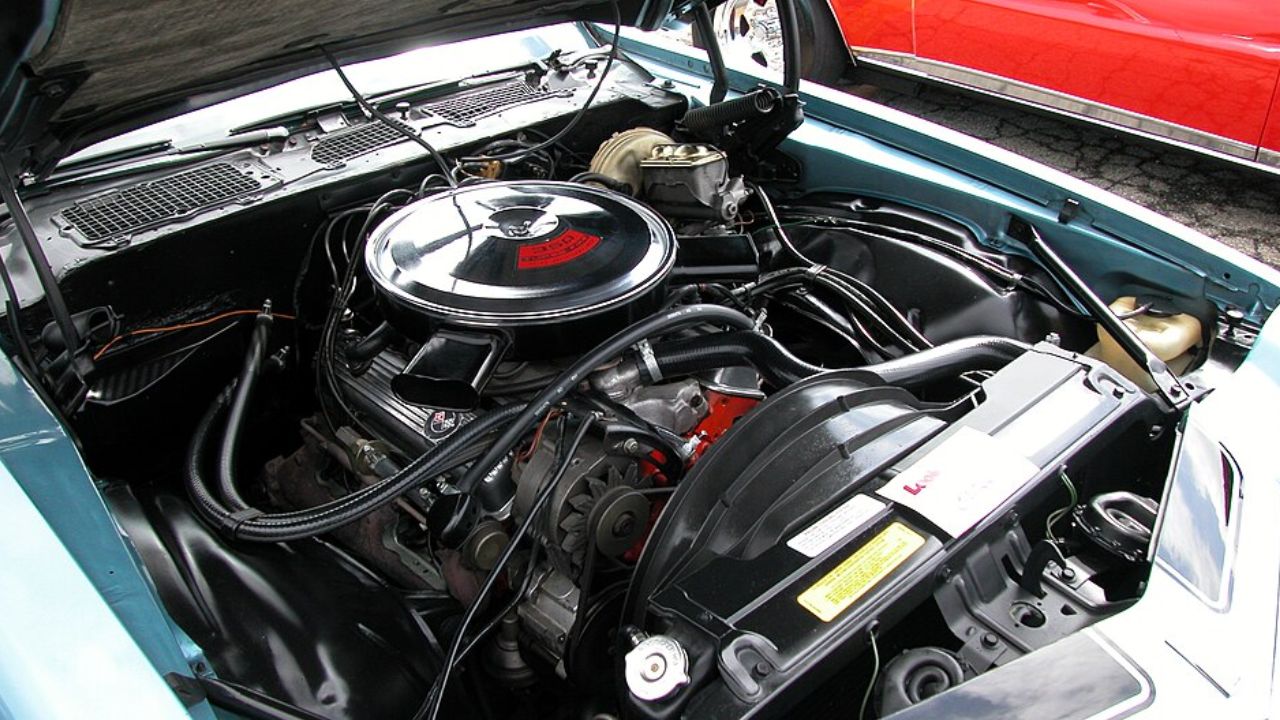
What truly set this small-block apart were its unique design features. Unlike its contemporaries, it incorporated a more advanced combustion chamber design that allowed for better airflow and increased power output. The use of aluminum components was also ahead of its time, significantly reducing weight without compromising strength. These innovations not only improved performance metrics but also enhanced fuel efficiency, a critical consideration as gas prices began to rise during the 1970s.
Performance metrics showcased by this small-block were impressive. For instance, the engine could produce around 300 horsepower in its early iterations, a remarkable feat for its class. Its ability to compete in motorsport was proven on various tracks, where it consistently outperformed heavier, less efficient engines. This performance drew attention from racers who began to recognize its potential, even if the general public remained unaware of its capabilities.
RACING LEGACY AND IMPACT
The racing legacy of this small-block is marked by notable achievements that often go unrecognized. During the late 1960s and early 1970s, several racing teams adopted the engine in various forms of motorsport, including drag racing and stock car racing. The engine’s balance of power and reliability led to multiple championship wins, with drivers praising its responsiveness and durability on the track.
The influence of this small-block extended beyond the racetrack and into the performance tuning and aftermarket industry. Enthusiasts began to modify the engine for even greater performance, leading to a thriving community dedicated to pushing the limits of what the engine could achieve. Testimonies from racers who championed its use often highlight how it offered a unique blend of performance and affordability, making it accessible to a wider audience of car enthusiasts.
COMPARISONS WITH CONTEMPORARY ENGINES
When comparing this small-block to more popular engines of the era, such as the Ford 302 or the Chrysler 318, the differences become apparent. While those engines had their strengths, often touted for their torque and reliability, this small-block offered a different performance philosophy. For example, the Chevrolet small-block produced a higher horsepower output while maintaining a lighter weight, making it a more agile option for racing applications.
Market trends, however, overshadowed its contributions. The powerful marketing campaigns behind more mainstream small-blocks captured the attention of consumers, often leaving this engine in the shadows. As preferences shifted toward higher displacement engines and turbocharged options in the 1980s and 1990s, the forgotten small-block faded further from public consciousness, despite its significant impact on the industry.
RESURGENCE AND MODERN RELEVANCE
In recent years, there has been a resurgence of interest in this small-block, driven by nostalgia and the classic car restoration trend. Enthusiasts are rediscovering the engine’s unique characteristics and its role in the history of performance vehicles. As classic car events and shows gain popularity, it’s not uncommon to see this small-block featured prominently, drawing attention from both old and new fans alike.
Modern technology is playing a pivotal role in enhancing the performance of this engine. Innovations in fuel injection systems, engine management software, and aftermarket enhancements allow for substantial improvements in horsepower and efficiency. Enthusiast groups and restoration shops are now dedicated to preserving the history of this small-block while also integrating modern upgrades, ensuring that it remains relevant in today’s performance landscape.
The role of community and enthusiast groups cannot be overstated. Online forums, social media groups, and local car clubs have become vital in sharing knowledge and resources for maintaining and upgrading this small-block. These communities are passionate about keeping the history alive, celebrating the engine’s legacy, and showcasing what it can still achieve on the road and the track.
More from Fast Lane Only
- Unboxing the WWII Jeep in a Crate
- 15 rare Chevys collectors are quietly buying
- 10 underrated V8s still worth hunting down
- Police notice this before you even roll window down
*Research for this article included AI assistance, with all final content reviewed by human editors.