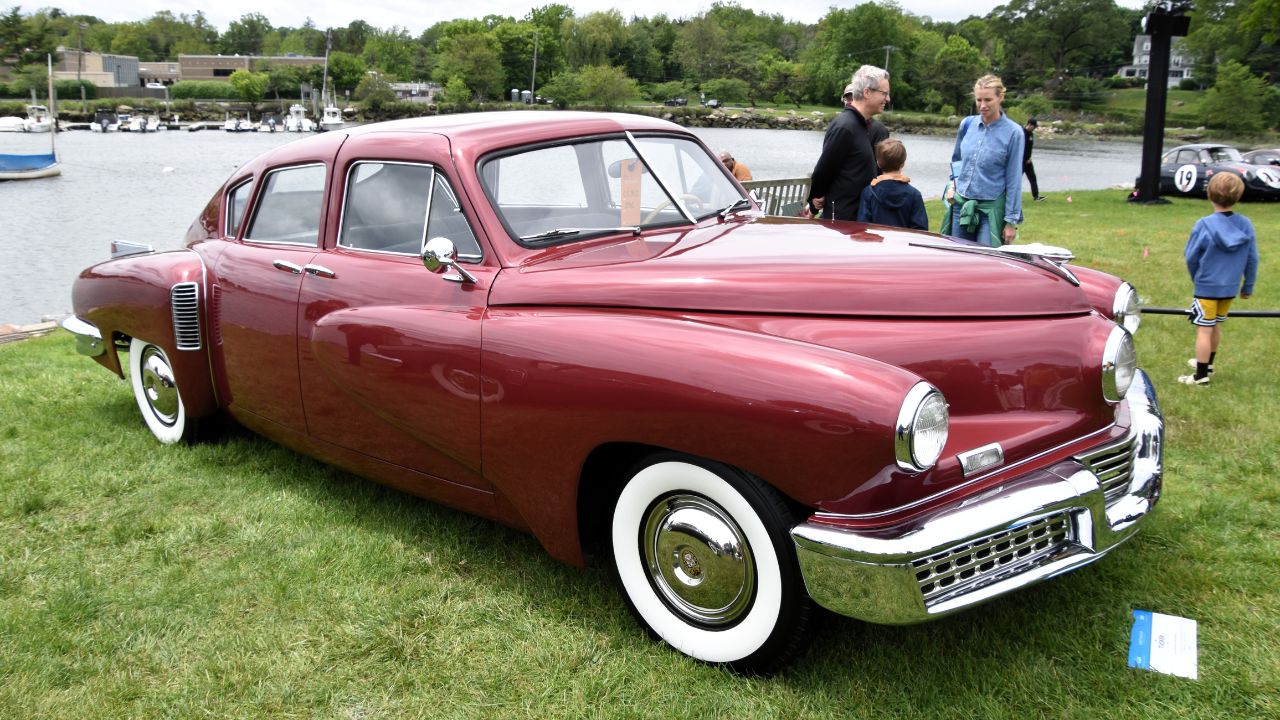
The 1940s marked a turning point in automotive history as manufacturers shifted from wartime production back to civilian vehicles. Cars like the Frazer Manhattan introduced fresh styling and renewed optimism for postwar drivers. These twelve vehicles helped shape the decade and remain memorable milestones in automotive history.
Frazer Manhattan
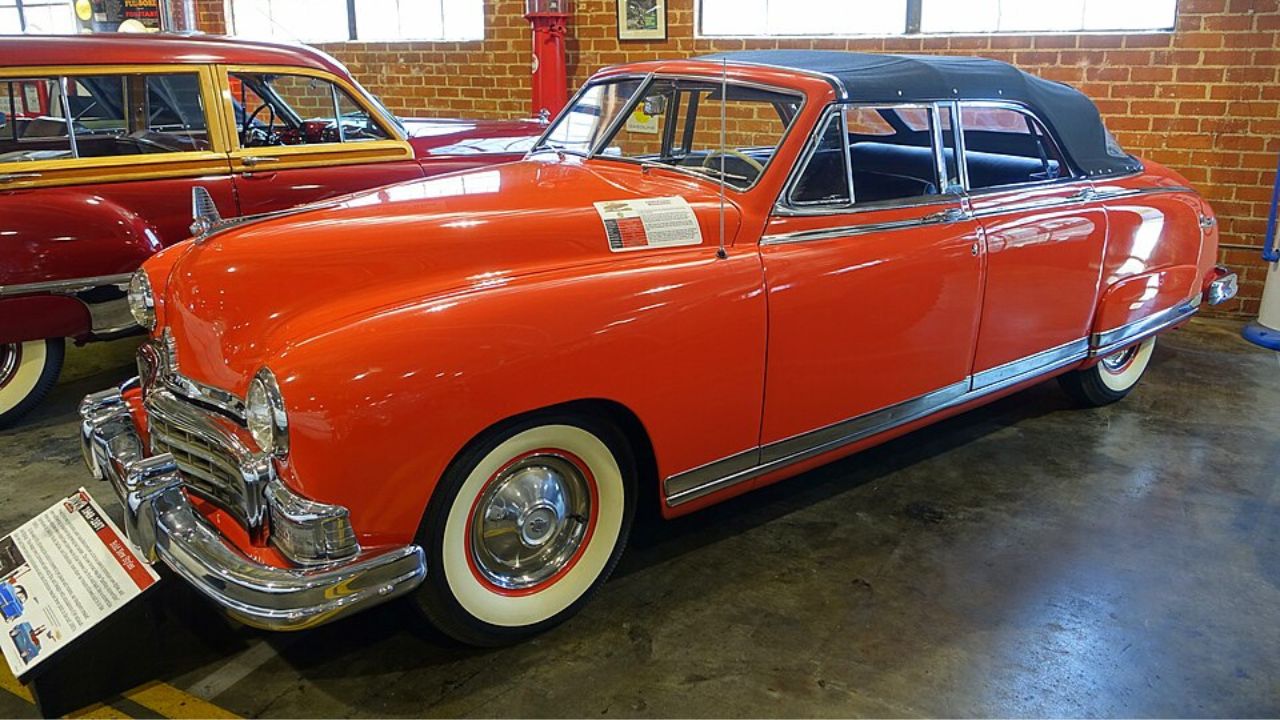
The Frazer Manhattan stood out after World War II with its spacious cabin, refined ride, and upscale styling. Produced by Kaiser-Frazer, it offered buyers a modern alternative to the established Detroit brands. Its clean design and comfortable driving experience made it one of the decade’s most distinctive postwar sedans.
Tucker 48
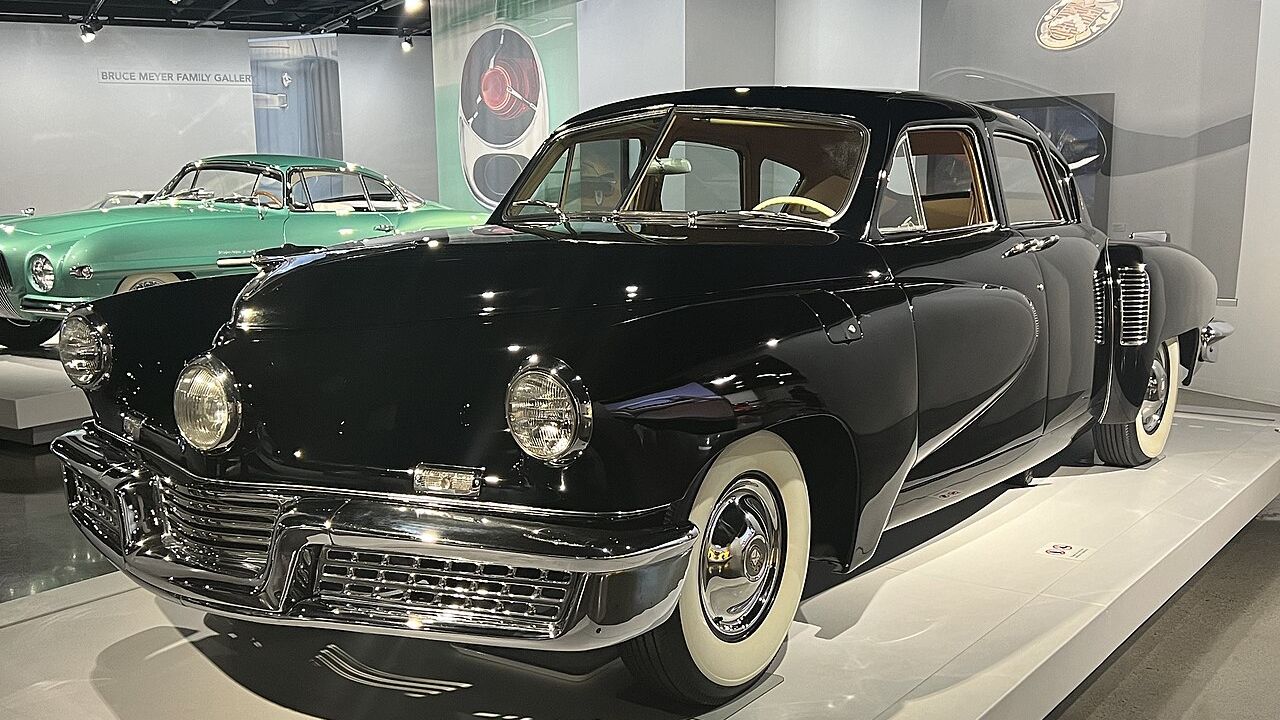
The Tucker 48 became legendary for its innovative engineering, including a rear-mounted engine, padded dashboard, and center headlight that turned with the steering. Although only a small number were built, it challenged conventional automotive thinking. Today, the Tucker 48 remains one of the most celebrated American classics.
Crosley Hot Shot
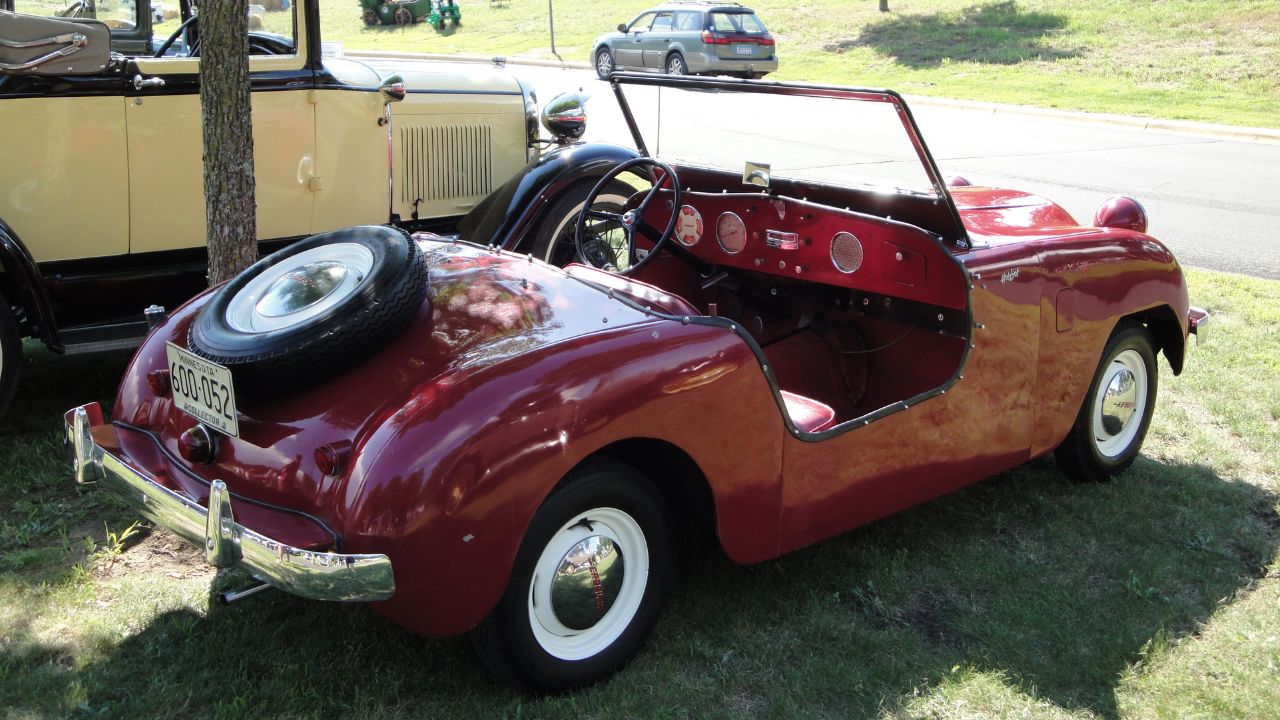
The Crosley Hot Shot proved that lightweight sports cars could deliver exciting performance without large engines. Compact, nimble, and affordable, it became the first postwar American sports car to achieve success in endurance racing. Its unique place in automotive history continues to attract collectors and enthusiasts.
Cadillac Series 62
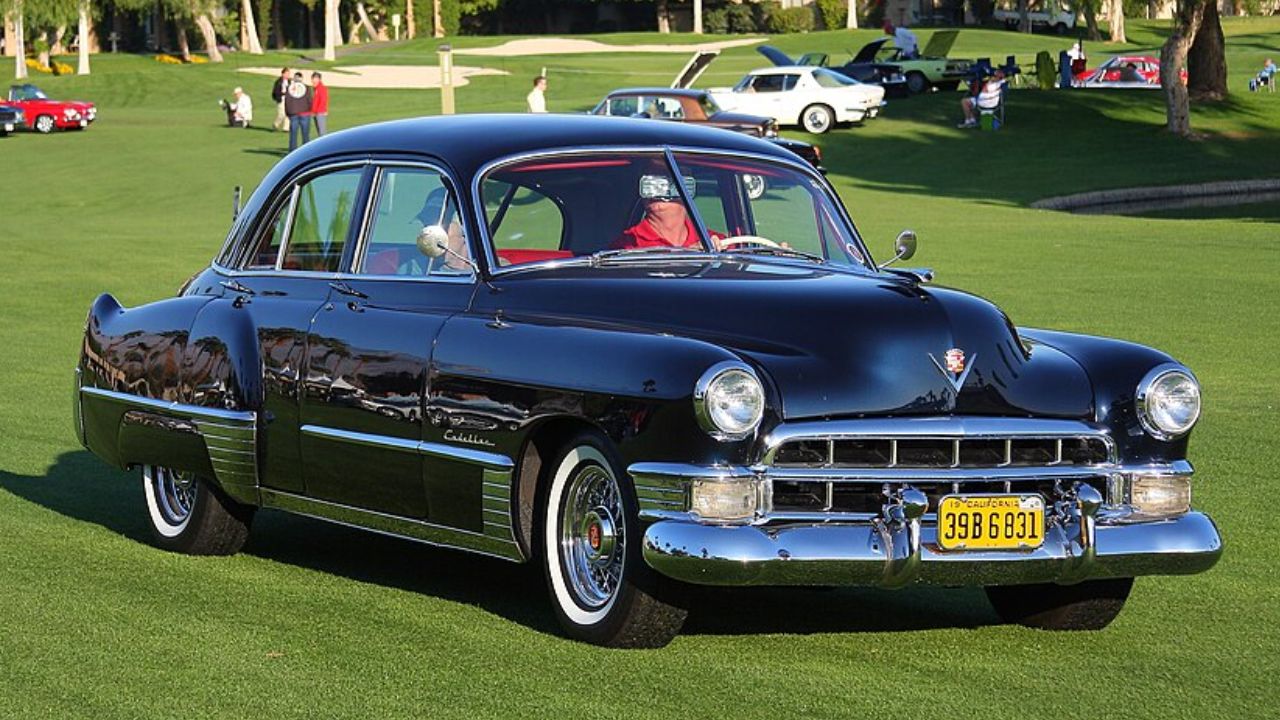
The Cadillac Series 62 introduced elegant postwar styling and smooth V8 performance that reinforced Cadillac’s reputation for luxury. Comfortable interiors and advanced engineering made it a favorite among buyers seeking prestige. Its influence on American luxury cars remained evident well into the following decades.
Willys Jeep Station Wagon
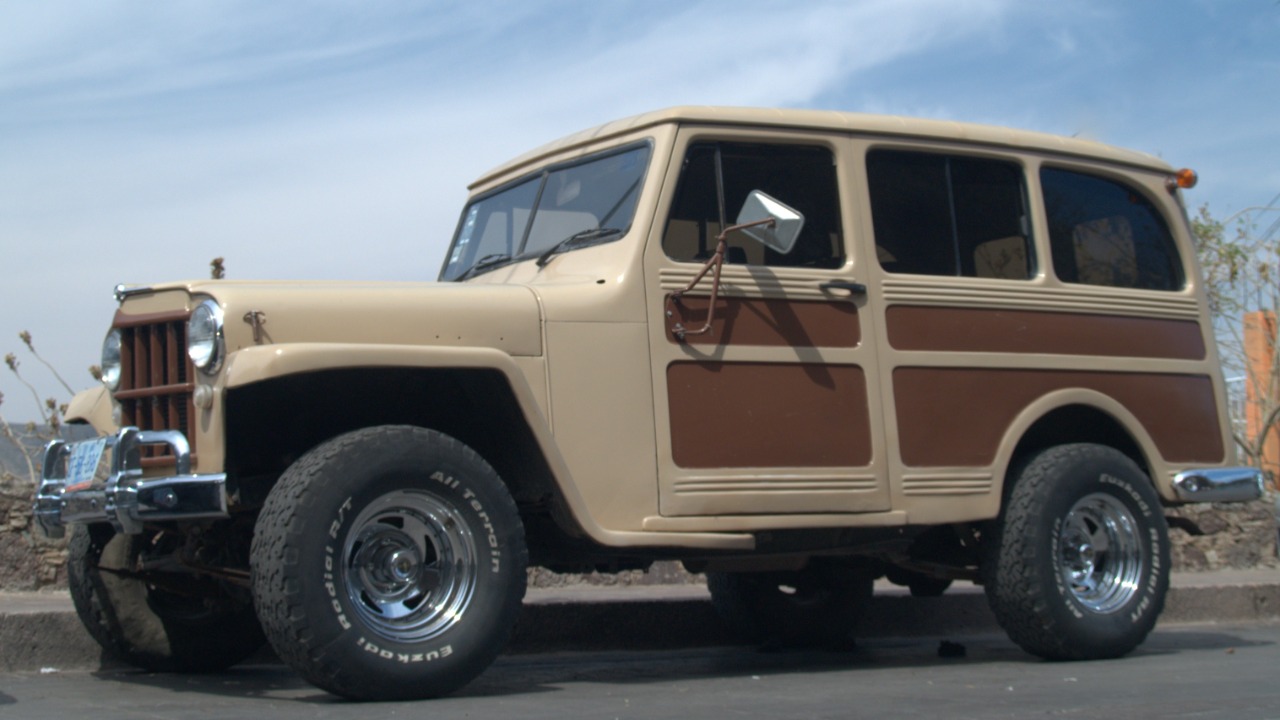
The Willys Jeep Station Wagon combined utility with everyday practicality, becoming one of America’s first all-steel station wagons. Built for families, businesses, and outdoor enthusiasts, it demonstrated remarkable versatility. Its rugged construction helped establish the foundation for future sport utility vehicles.
Mercury Eight
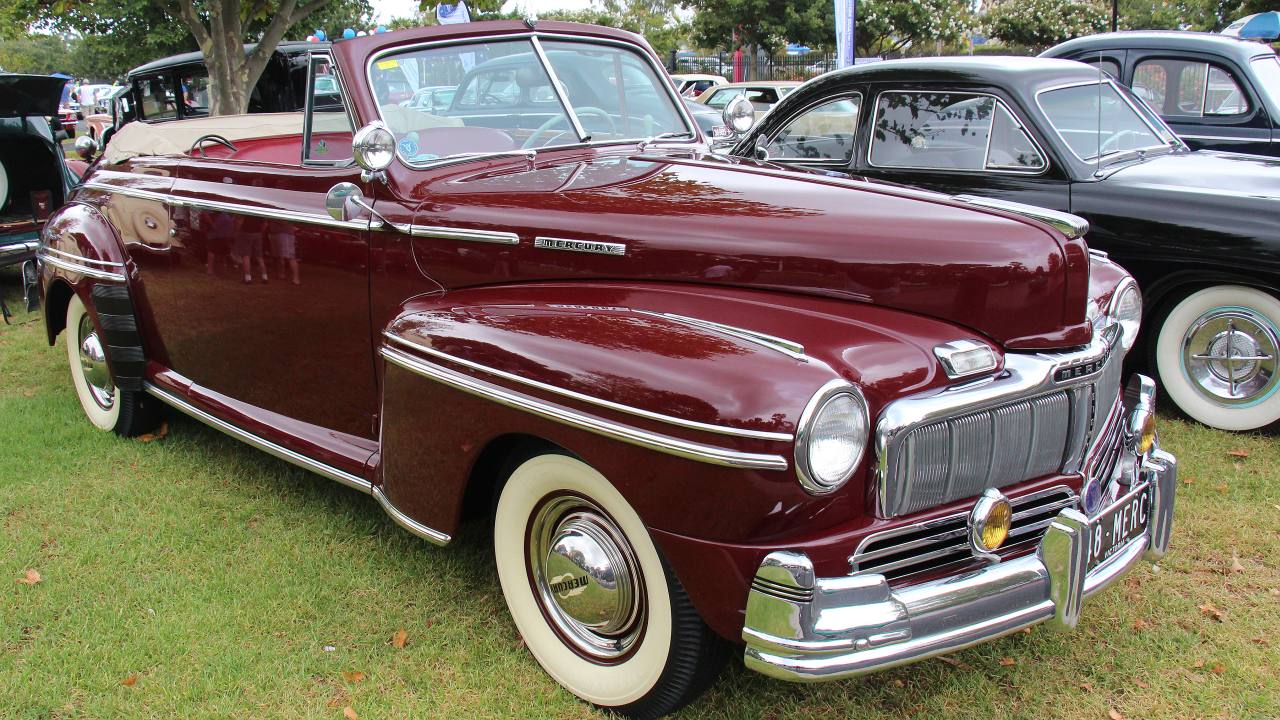
The Mercury Eight bridged the gap between Ford and Lincoln with refined styling and dependable flathead V8 power. Popular among families and custom car builders alike, it became one of the decade’s most recognizable American automobiles. Its timeless appearance still earns admiration from classic car enthusiasts.
Lincoln Cosmopolitan
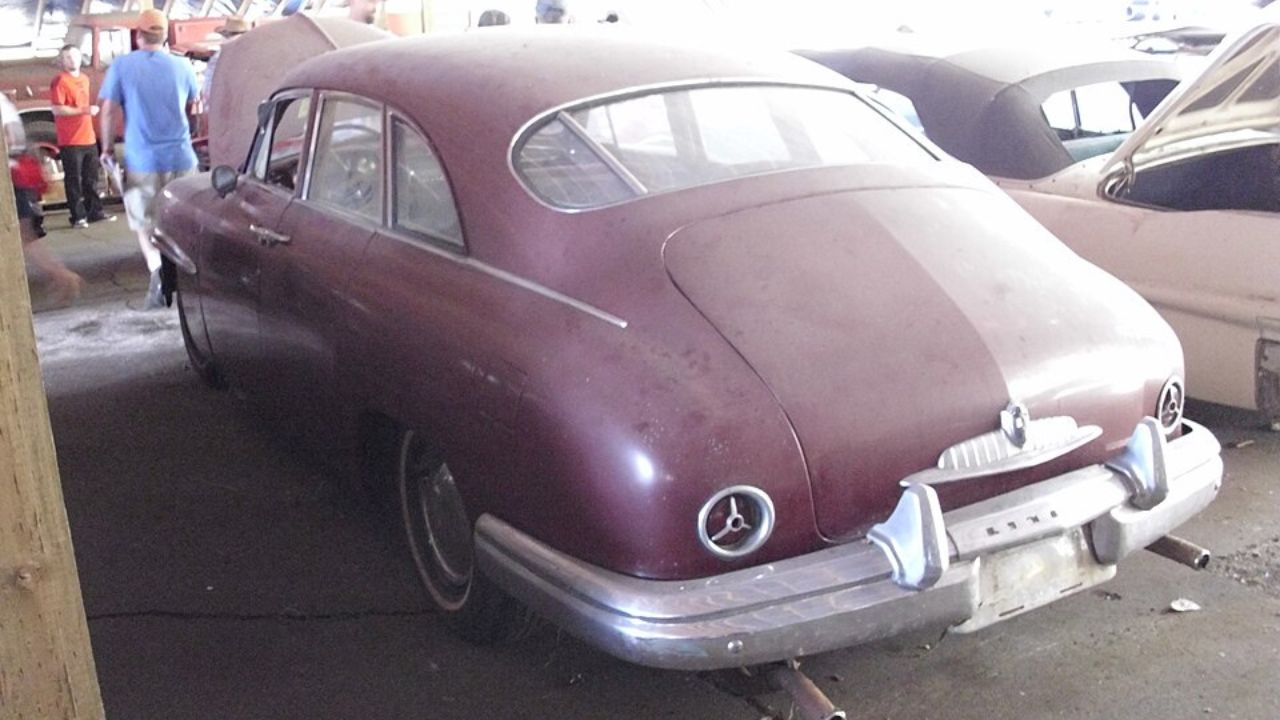
The Lincoln Cosmopolitan represented premium American luxury with spacious interiors, elegant styling, and smooth performance. It quickly became associated with government officials and prominent public figures. Its refined design and commanding presence made it one of the most prestigious automobiles of the late 1940s.
Fiat 1100

The Fiat 1100 helped Italy rebuild after World War II by offering practical, economical transportation with dependable engineering. Its compact size and efficient performance appealed to families across Europe. The model remained popular for years, becoming one of Fiat’s most successful postwar vehicles.
Rover P3
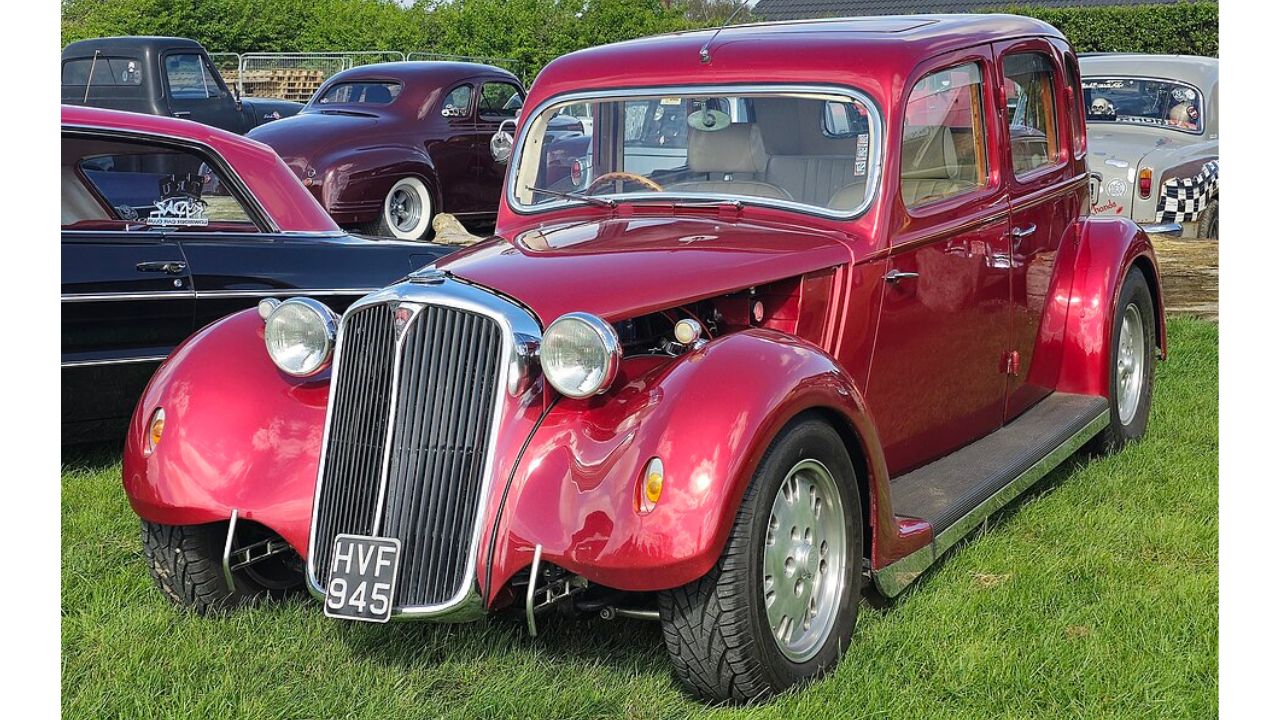
The Rover P3 showcased British craftsmanship through quality construction, comfortable interiors, and dependable engineering. Available with four- and six-cylinder engines, it delivered refined performance for executive buyers. The P3 established Rover’s reputation for building durable and sophisticated automobiles during the postwar era.
Peugeot 203
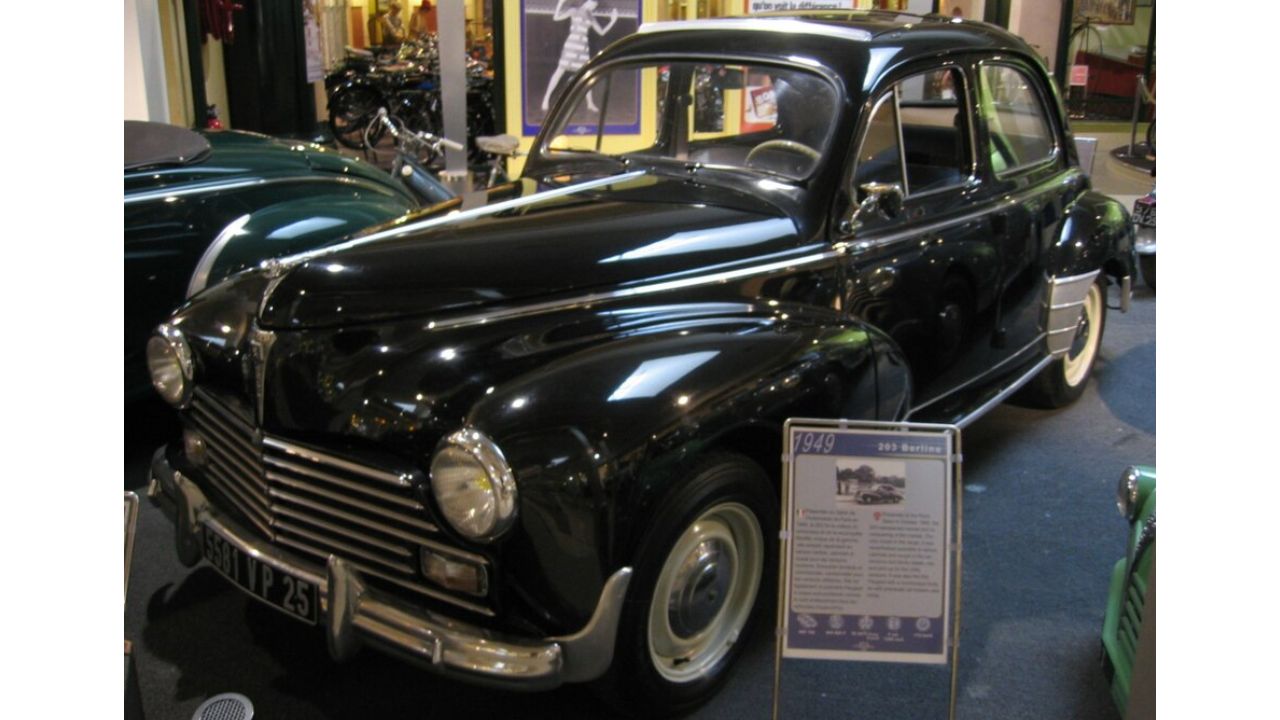
The Peugeot 203 became France’s first all-new postwar production car, featuring modern styling, a unibody structure, and excellent fuel efficiency. Its reliability and practicality made it a favorite among European drivers. The 203 played a significant role in restoring Peugeot’s position in the automotive market.
Chrysler Town & Country
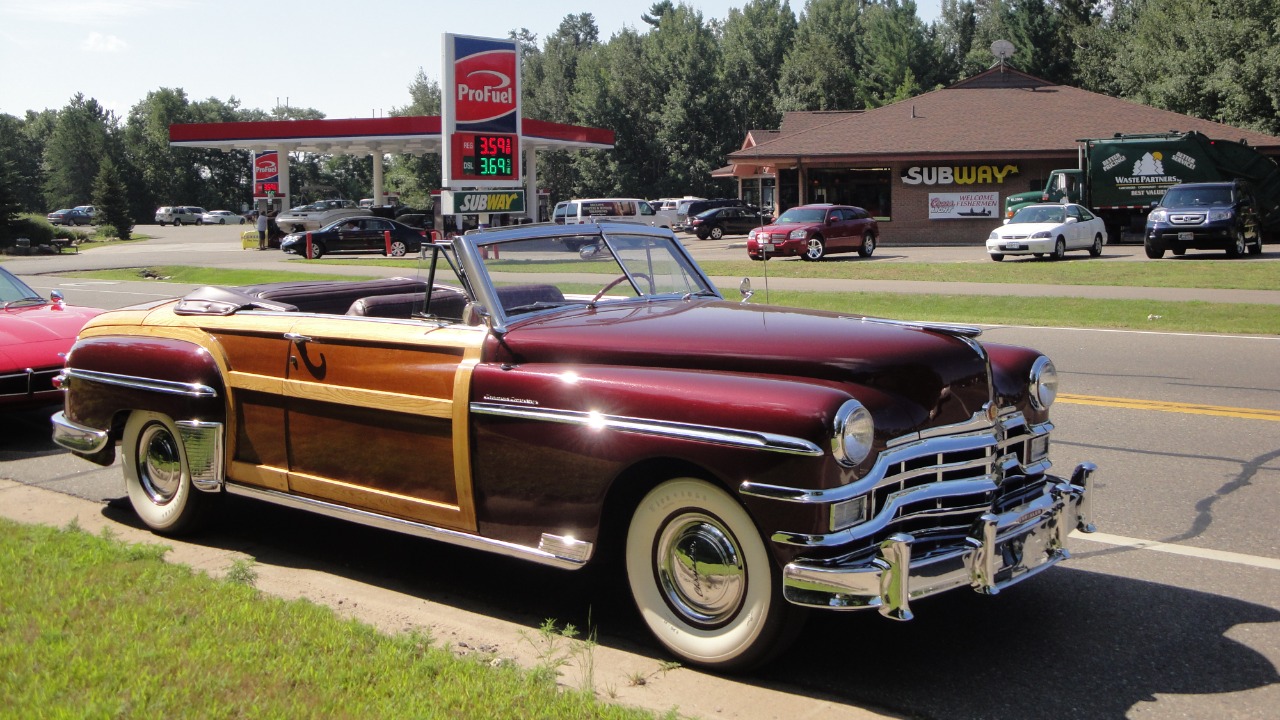
The Chrysler Town & Country gained recognition for its distinctive wood-bodied construction and premium craftsmanship. Combining luxury with practicality, it appealed to families seeking something more refined than a traditional station wagon. Its unique appearance has made it one of Chrysler’s most collectible postwar classics.
MG TC
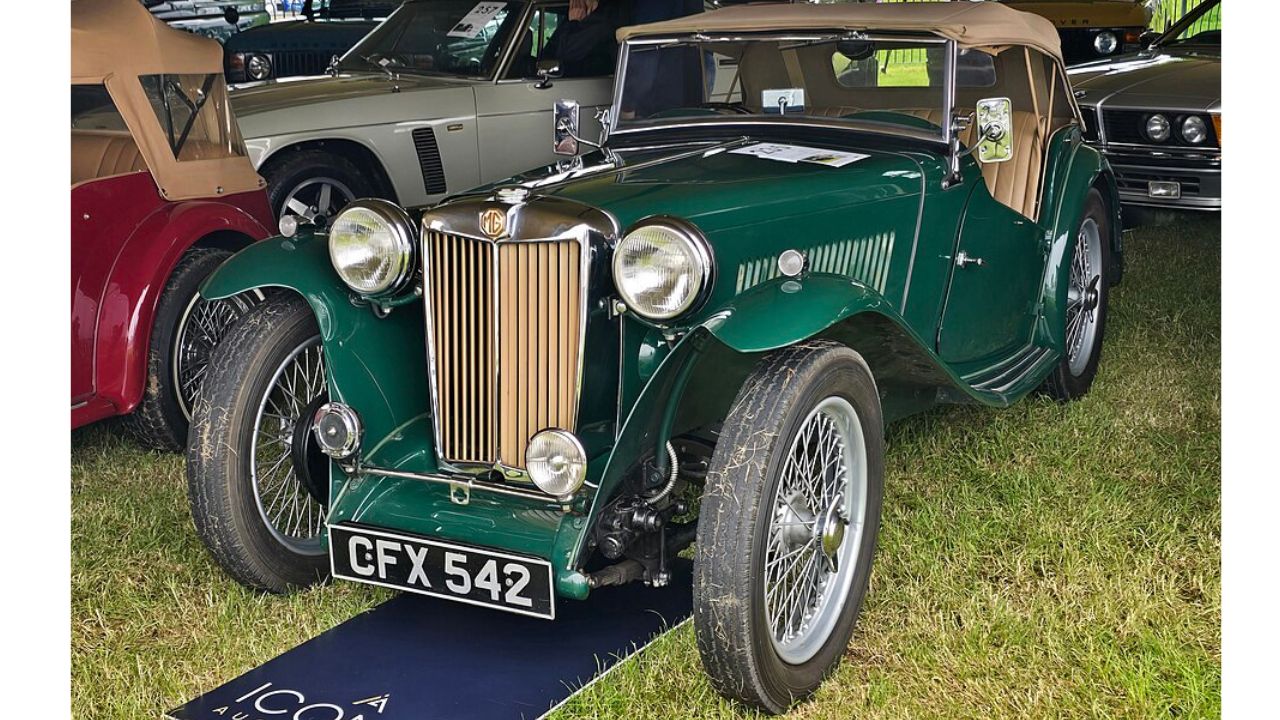
The MG TC introduced countless enthusiasts to British sports cars with its lightweight design, responsive handling, and open-top driving experience. Popular with returning servicemen after World War II, it helped spark America’s interest in imported sports cars. Its influence can still be seen in generations of roadsters that followed.
More from Fast Lane Only
- Unboxing the WWII Jeep in a Crate
- 15 rare Chevys collectors are quietly buying
- 10 underrated V8s still worth hunting down
- Police notice this before you even roll window down
*Research for this article included AI assistance, with all final content reviewed by human editors