The 1987 Buick GNX arrived at a time when American performance cars were still recovering from the horsepower losses of the 1970s. Instead of relying on a large-displacement V8 or flashy styling, Buick took an unconventional approach by building a limited-production muscle car powered by a turbocharged V6. The result was a performance machine that challenged traditional expectations and proved there was more than one way to build a fast American car.
Buick Chose Technology Over Tradition
During the 1980s, most enthusiasts associated American performance with naturally aspirated V8 engines. Buick broke with that tradition by continuing to develop its turbocharged 3.8-liter V6, refining it into one of the most advanced performance engines produced by an American manufacturer at the time.
For the GNX, Buick partnered with ASC/McLaren to create the ultimate version of the Grand National. The turbocharger, intercooler, revised engine calibration, and strengthened drivetrain allowed the car to deliver remarkable acceleration while maintaining everyday drivability.
Rather than competing through engine size alone, the GNX demonstrated how forced induction and careful engineering could produce exceptional performance.
It represented a new direction for American performance cars.
Performance Came Without Loud Styling
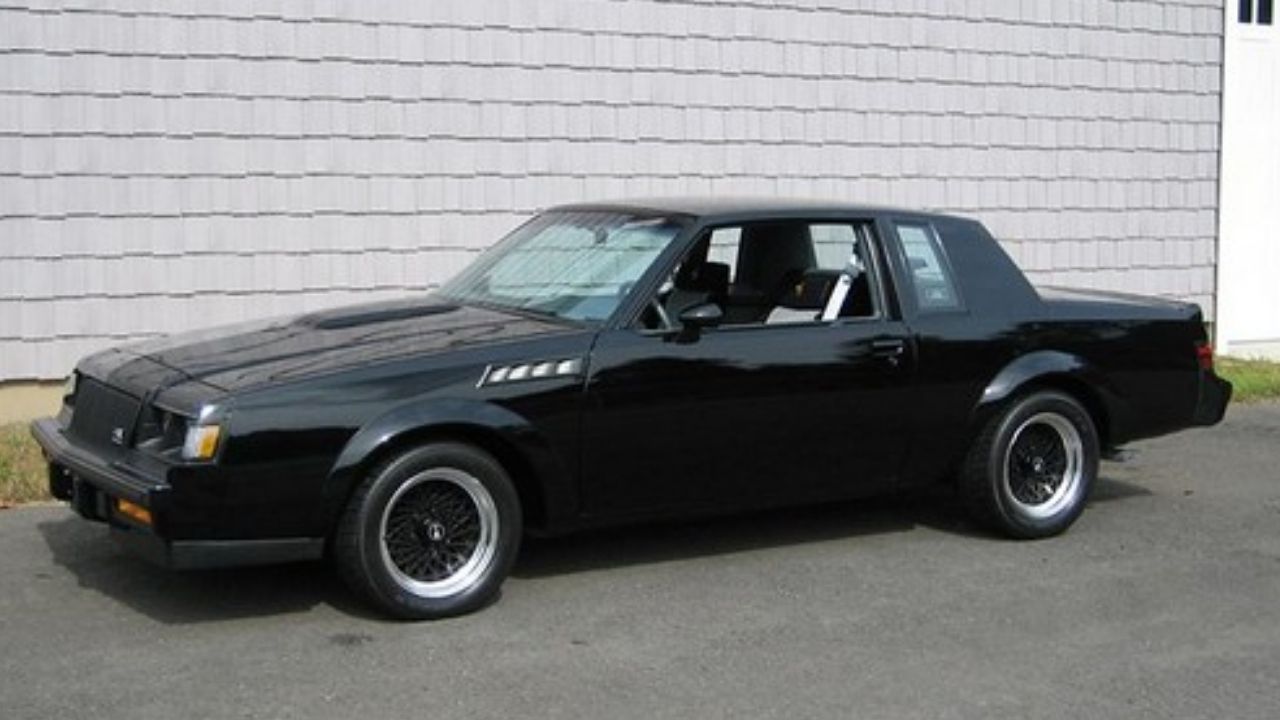
Unlike many muscle cars before it, the GNX did not rely on oversized spoilers, bright graphics, or dramatic bodywork to announce its capabilities. Finished almost entirely in black, it featured subtle fender vents, unique wheels, and discreet badging that distinguished it from the standard Grand National.
This understated appearance gave the GNX a “sleeper” personality. Many people underestimated its performance until they experienced its impressive acceleration firsthand.
The combination of restrained styling and powerful performance appealed to enthusiasts who valued engineering over attention-grabbing design. The GNX proved that a car did not need bold colors or aggressive decorations to make a lasting impression.
Its quiet confidence became part of its identity.
Limited Production Made It Instantly Special
Only 547 examples of the GNX were produced for the 1987 model year, making it one of the rarest modern American performance cars. The limited production run was intended to celebrate the end of the rear-wheel-drive Regal platform while showcasing Buick’s engineering capabilities.
In addition to its upgraded engine, the GNX received suspension improvements, a stronger rear axle, unique instrumentation, and chassis refinements that helped translate its power into confident handling.
Because production ended after a single model year, the GNX quickly became a collector’s item. Its rarity added to its mystique, while its impressive performance ensured it would be remembered long after it left showrooms.
Scarcity only strengthened its legendary reputation.
A Legacy That Changed American Performance
The GNX demonstrated that advanced engine technology could compete with traditional muscle car formulas. It helped popularize turbocharging as a legitimate path to high performance and influenced later generations of American performance vehicles that increasingly relied on sophisticated engineering rather than displacement alone.
Today, the GNX remains one of the most desirable Buicks ever built. Collectors value its combination of rarity, innovation, and historical significance, while enthusiasts continue to admire its ability to surprise even experienced drivers.
Looking back, the 1987 Buick GNX became a different kind of performance car because it challenged long-held assumptions about what made an American muscle car successful. By pairing a turbocharged V6 with understated styling and cutting-edge engineering, Buick created a machine that stood apart from its contemporaries and secured a lasting place in automotive history.
More from Fast Lane Only
- Unboxing the WWII Jeep in a Crate
- 15 rare Chevys collectors are quietly buying
- 10 underrated V8s still worth hunting down
- Police notice this before you even roll window down
*Research for this article included AI assistance, with all final content reviewed by human editors