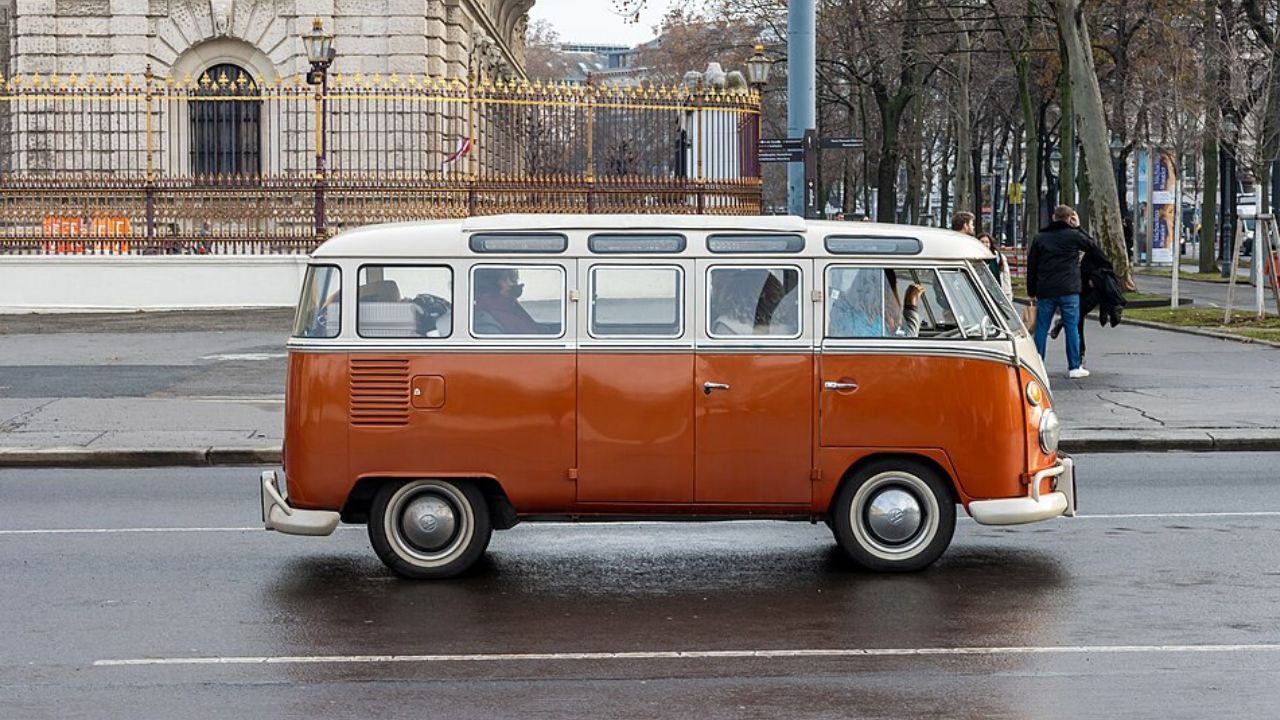
The Volkswagen Type 2 is often associated with campers, surfers, and family road trips, but it also built an impressive career in emergency service. Around the world, its reliability, compact size, and adaptable design made it an ideal platform for ambulances, rescue vehicles, and support units. Long before it became a cultural icon, the Type 2 was quietly helping first responders save lives.
A Versatile Design Adapted to Many Emergency Roles
Introduced in the early 1950s, the Volkswagen Type 2 featured a spacious body built around a simple, practical layout. Its flat load floor and boxy shape gave emergency equipment manufacturers plenty of room to customize the interior for specialized duties.
Ambulance builders installed stretchers, medical cabinets, oxygen equipment, and seating for attendants without dramatically altering the vehicle’s exterior. Fire departments, police agencies, and civil defense organizations also adapted the Type 2 into command vehicles, communications units, and rescue transports.
Because the platform was easy to modify, organizations could tailor each vehicle to their specific operational needs. This flexibility made the Type 2 appealing to agencies with limited budgets that still required dependable emergency transportation.
Its practical design proved useful across a remarkably wide range of public-service applications.
Compact Size Made It Ideal for Urban Response
Many European cities featured narrow streets, tight alleyways, and dense neighborhoods that challenged larger emergency vehicles. The Volkswagen Type 2’s relatively small footprint allowed crews to reach locations where conventional ambulances or trucks struggled to maneuver.
Its excellent visibility helped drivers navigate congested traffic while responding quickly to emergencies. The short turning radius also made it easier to access hospitals, apartment courtyards, and historic city centers with limited space.
Even in rural areas, the vehicle’s light weight allowed it to travel over roads that were difficult for heavier emergency vehicles. This combination of maneuverability and practicality gave first responders valuable flexibility during critical situations.
For communities that needed efficient transportation rather than maximum carrying capacity, the Type 2 proved to be an excellent solution.
Reliability Earned the Trust of First Responders
Emergency vehicles spend much of their lives operating under demanding conditions, making reliability essential. The Volkswagen Type 2 developed a reputation for dependable mechanical performance and relatively simple maintenance, qualities that appealed to municipalities and rescue organizations alike.
Its air-cooled engine eliminated the need for a conventional radiator, reducing one potential source of mechanical problems in varying climates. Mechanics also appreciated the straightforward engineering, which simplified routine servicing and repairs.
Replacement parts were widely available in many countries, helping agencies keep vehicles in operation without lengthy downtime. For organizations managing large fleets, this translated into lower operating costs and improved vehicle availability.
The Type 2’s reputation for durability helped it remain in emergency service long after newer models entered the market.
A Global Legacy Beyond Civilian Transportation
The Volkswagen Type 2 served emergency organizations on nearly every continent. It appeared as ambulances in Europe, rescue vehicles in South America, medical transports in Africa, and support units throughout Asia and Australia. Its adaptability allowed countless communities to tailor the vehicle to local needs and operating conditions.
Many restored examples now appear at classic vehicle events, where former firefighters, paramedics, and enthusiasts celebrate the Type 2’s often-overlooked role in public service. Vintage ambulances and rescue vans are especially valued because they preserve an important chapter in emergency vehicle history.
Although the Type 2 is remembered primarily as a recreational vehicle today, its contributions extended far beyond camping and travel. For decades, it provided dependable transportation for medical teams, rescue personnel, and emergency responders working in cities, towns, and remote communities around the world.
Looking back, the Volkswagen Type 2 became a favorite for emergency services because it combined versatility, reliability, and practicality in a way few vehicles could match. Its quiet service behind the scenes left a lasting impact, proving that one of the world’s most recognizable vans was also one of its most capable emergency vehicles.
More from Fast Lane Only
- Unboxing the WWII Jeep in a Crate
- 15 rare Chevys collectors are quietly buying
- 10 underrated V8s still worth hunting down
- Police notice this before you even roll window down
*Research for this article included AI assistance, with all final content reviewed by human editors