The world of performance cars has often been dominated by major manufacturers, but a closer look reveals a fascinating history of independent builders who dared to push boundaries. Early independent performance cars not only showcased innovative engineering but also reflected the passion and vision of their creators, ultimately influencing the entire automotive landscape.
The Birth of Independent Car Manufacturers
The origins of independent automakers can be traced back to the early 20th century when automotive technology was still in its infancy. Visionaries like Enzo Ferrari and Carroll Shelby emerged during this period, establishing small companies dedicated to performance. These pioneers saw a gap in the market for cars that prioritized speed and agility over mass production, and their contributions laid the groundwork for what would become a vibrant subculture of performance vehicles.
Racing was a significant catalyst for innovation among these independent builders. For instance, during the 1920s and 1930s, companies like Alfa Romeo and Bugatti competed fiercely on tracks across Europe, inspiring smaller manufacturers to enter the fray. The need to outperform rivals in racing events motivated these independent builders to experiment with designs and technologies that would later influence mainstream automotive engineering.
Iconic Early Independent Performance Cars
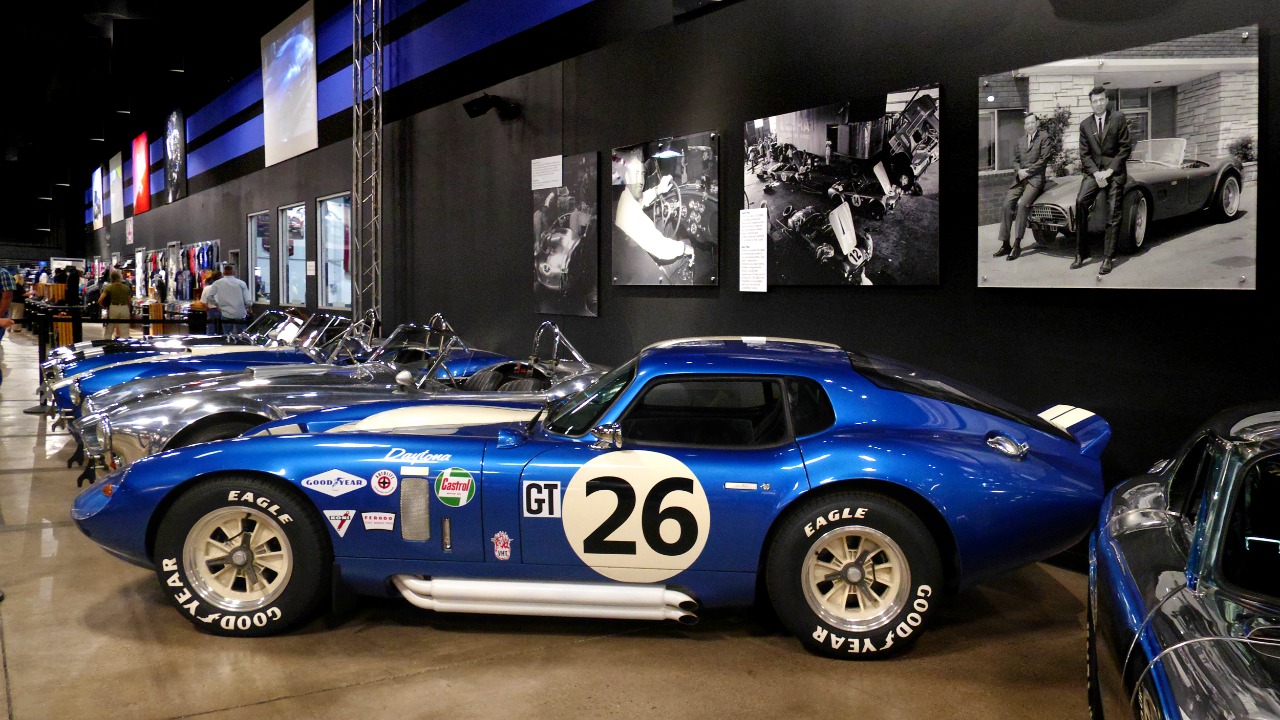
Among the standout models from early independent manufacturers, the Shelby Cobra, introduced in 1962, remains a quintessential example of American muscle. Designed by Carroll Shelby, this car combined a lightweight chassis with a powerful Ford V8 engine, resulting in astounding performance. The Cobra not only captured the hearts of car enthusiasts but also set new standards for performance benchmarks in the industry.
Another iconic vehicle is the Lotus Seven, launched in 1957 by Colin Chapman. This lightweight sports car was designed with a philosophy of simplicity and efficiency, prioritizing driving pleasure over luxury. Its innovative design made it a favorite among racing enthusiasts and DIY builders, leading to a legacy that continues today with various replicas and derivatives still in production.
Challenges Faced by Independent Builders
Independent car manufacturers have historically faced significant challenges, particularly regarding financial hurdles. Securing funding for research and development has proven difficult for many small companies. For instance, in the late 1960s, Shelby American struggled to maintain production levels of the Cobra due to rising costs and competition from larger automakers. This financial strain often forced independent builders to make tough decisions that affected their operations and product lines.
Additionally, regulatory and safety challenges posed obstacles for independent manufacturers. The National Highway Traffic Safety Administration (NHTSA) began implementing stricter safety regulations in the 1960s, making it increasingly difficult for small companies to comply without incurring substantial costs. These regulations often favored established manufacturers with more resources, further complicating the landscape for independent builders.
The Cultural Impact of Independent Performance Cars
Independent performance cars have left an indelible mark on car enthusiast communities and the broader automotive culture. The DIY ethos prevalent in these circles often stems from the pioneering spirit of early independent builders. Enthusiasts began to modify and customize their vehicles, inspired by the innovations of small manufacturers. This culture of personalization has become a cornerstone of automotive communities, celebrating individuality and creativity.
Moreover, independent performance cars have significantly influenced automotive media and pop culture. Films like “Ford v Ferrari” have brought attention to the legendary rivalry between Ford and Ferrari, showcasing the importance of these independent companies in the larger narrative of automotive history. Such representations have helped solidify the cultural significance of independent performance cars, inspiring future generations of designers and engineers to pursue their passions.
The Evolution and Revival of Independent Performance Brands
With modern technology and the rise of the internet, the landscape for independent performance manufacturers has evolved dramatically. Today, smaller companies can leverage digital platforms for marketing, crowdfunding, and customer engagement, allowing them to reach a global audience more easily than ever before. This shift has paved the way for a new wave of independent brands that continue to innovate and challenge the status quo.
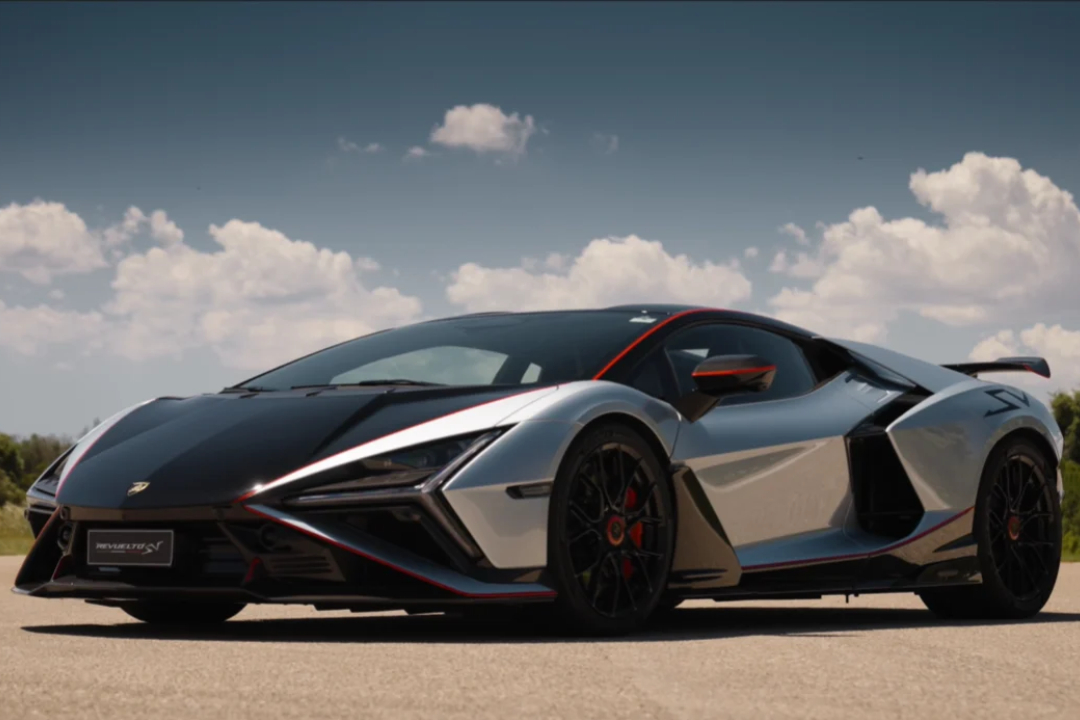
Notable contemporary independent manufacturers, such as Koenigsegg and Pagani, are creating high-performance hypercars that rival those from established brands like Ferrari and Lamborghini. For instance, the Koenigsegg Jesko Absolut, launched in 2020, boasts a staggering top speed of over 300 mph, showcasing the extraordinary engineering capabilities of independent builders. These brands not only push the limits of performance but also redefine luxury and craftsmanship in the automotive industry.
The appeal of independent performance cars remains strong in today’s market, drawing enthusiasts who seek exclusivity and innovation. Whether it’s the thrill of driving a bespoke vehicle or the satisfaction of supporting small manufacturers, the independent performance car segment continues to thrive, ensuring that the spirit of innovation and passion for performance lives on.
More from Fast Lane Only
- Unboxing the WWII Jeep in a Crate
- 15 rare Chevys collectors are quietly buying
- 10 underrated V8s still worth hunting down
- Police notice this before you even roll window down
*Research for this article included AI assistance, with all final content reviewed by human editors.