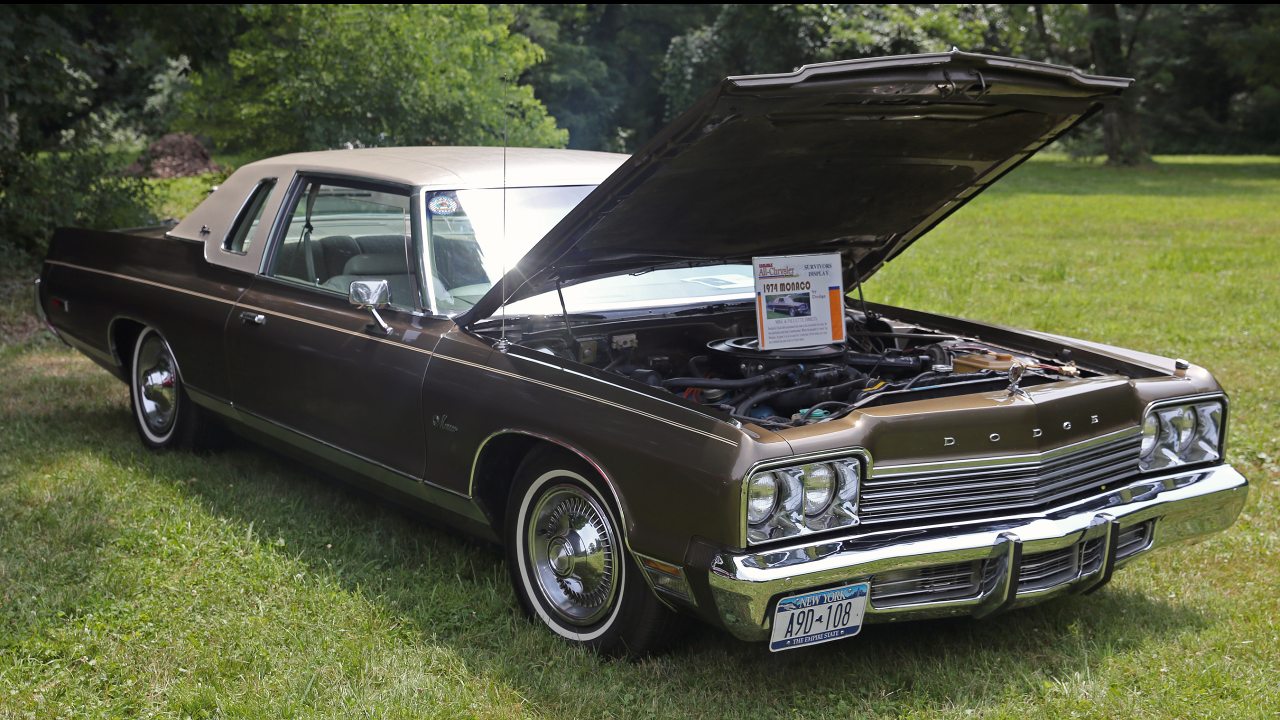
The Dodge Royal Monaco Brougham occupies a short but vivid chapter in American full-size car history, bridging the end of the big body-on-frame era and the rise of downsized sedans. Collectors now look back on these cars as time capsules of mid‑1970s luxury, and their limited production run has started to shape what they command on the market today. I want to trace exactly which years this upscale Royal Monaco trim was built, how it fit into Dodge’s lineup, and what buyers can realistically expect to pay for one now.
How the Royal Monaco Brougham fit into Dodge’s full-size hierarchy
When Dodge revived the Royal Monaco name for the mid‑1970s, it was positioning a flagship full-size sedan at the top of its C‑body range, above the Monaco and Coronet lines. The Brougham designation signaled the most luxurious trim level, with extra brightwork, upgraded upholstery, and more comfort features than the standard Royal Monaco models. Period brochures and model guides show that Dodge used the Royal Monaco badge for its premium full-size offerings, with the Brougham package layered on as the plushest specification in that family of cars, particularly in sedan and hardtop body styles that targeted buyers who might otherwise have shopped Chrysler or upscale GM rivals.
Within Dodge’s lineup, the Royal Monaco Brougham effectively served as the brand’s halo full-size passenger car, sitting above the more modest Monaco and the intermediate Coronet. Contemporary references describe the Royal Monaco as Dodge’s top C‑body, with the Brougham trim adding the most elaborate interior and exterior detailing available on the platform. That hierarchy matters today because collectors often focus on the highest trim levels, and the Brougham’s status as the peak Royal Monaco specification helps explain why surviving examples draw more attention than base sedans or fleet‑spec police packages built on the same basic chassis.
The specific model years Dodge built the Royal Monaco Brougham
The Royal Monaco nameplate returned to Dodge’s full-size lineup for the 1975 model year, and the Brougham trim arrived as the upscale variant within that short-lived run. Model histories and production charts identify the Royal Monaco as a C‑body car offered from 1975 through 1977, with the Brougham package available during that same window on select body styles. Those sources show that Dodge positioned the Royal Monaco as its full-size flagship for only three model years before the company shifted strategy and moved away from big C‑body sedans, which means the Brougham trim shares that narrow 1975–1977 production span.
Within those three years, the Royal Monaco Brougham appeared primarily as a four‑door hardtop and sedan, with some references also noting two‑door hardtop availability at the top trim level. The key point for collectors is that there was no Royal Monaco Brougham before 1975 or after 1977, and later Monaco‑badged cars used different platforms and trim structures. When I refer to a Royal Monaco Brougham in this piece, I am talking specifically about those mid‑1970s C‑body cars built across the 1975, 1976, and 1977 model years, which aligns with the documented production window for the Royal Monaco line itself.
Design, engines, and features that define a Royal Monaco Brougham
Royal Monaco Brougham models share the broad, squared‑off styling typical of Chrysler’s C‑body sedans of the era, with a long hood, formal roofline, and substantial chrome accents. The Brougham trim layered on additional brightwork, more elaborate grille and taillamp treatments, and upscale interior materials that set it apart from lower Royal Monaco trims. Period equipment lists show that Brougham buyers could expect features such as upgraded cloth or vinyl upholstery, extra sound insulation, and convenience options like power windows, air conditioning, and premium audio, all aimed at delivering a quieter and more comfortable ride than Dodge’s mid‑size offerings.
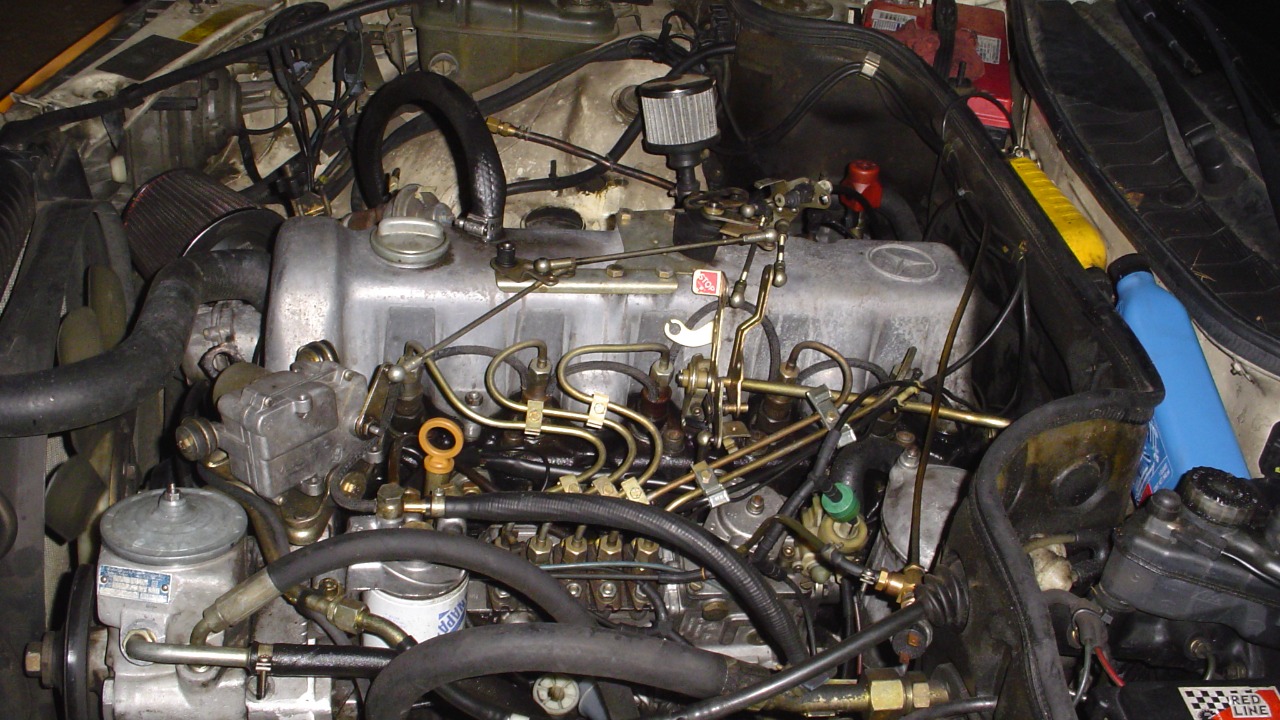
Under the hood, the Royal Monaco Brougham typically carried Chrysler’s big‑block V8 engines, with displacements such as 360 cubic inches and larger options like the 400 or 440 cubic inch units appearing in period specifications. These engines were tuned for smooth torque rather than outright performance, reflecting the car’s role as a highway cruiser rather than a muscle sedan. Contemporary technical references note that the C‑body chassis used a torsion‑bar front suspension and leaf springs at the rear, a layout that gave the Royal Monaco Brougham the soft, floating ride that many buyers in the mid‑1970s expected from a full-size American luxury car.
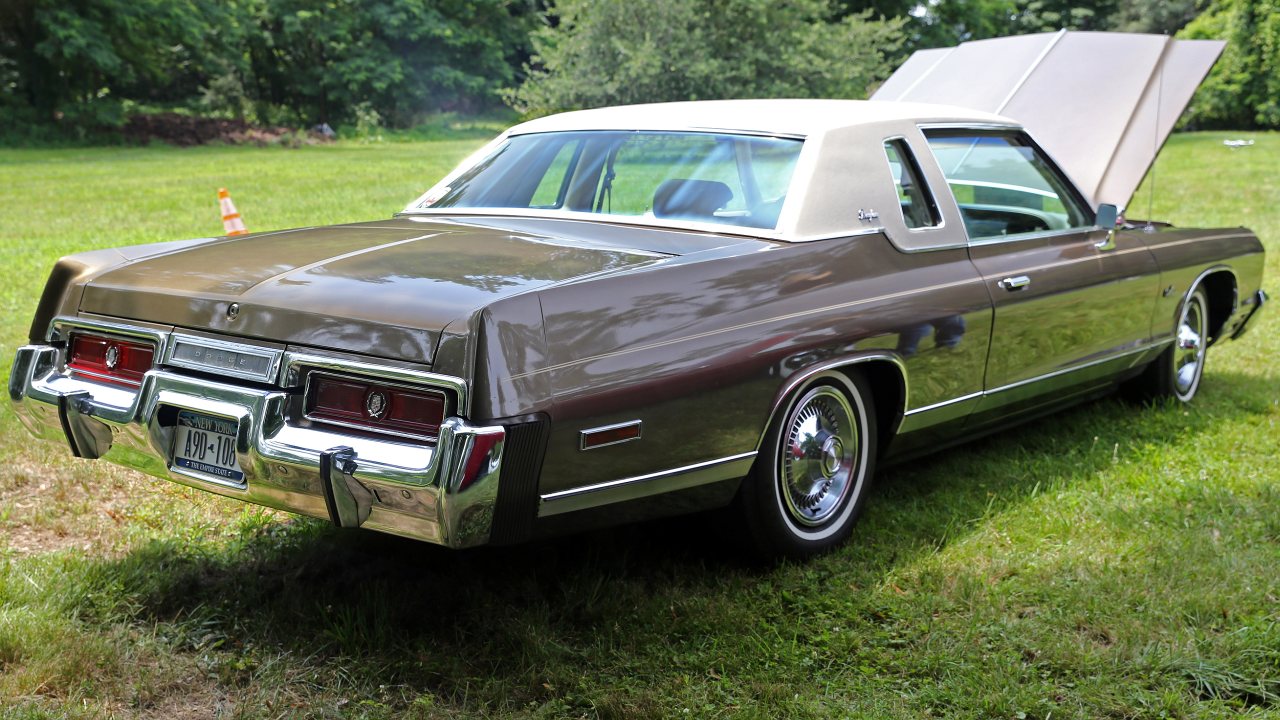
How rare the Royal Monaco Brougham is today
Because Dodge only sold the Royal Monaco line for three model years, the Brougham trim started with a relatively small production base compared with long‑running nameplates. Surviving examples are further thinned by the fact that many full-size sedans from this era were treated as disposable transportation rather than future collectibles, and rust, accidents, and high mileage have taken a toll. Auction listings and enthusiast registries show that Royal Monaco Brougham cars appear far less frequently than more mainstream Mopar models from the same period, which supports the view that they are now a comparatively uncommon sight at shows or in online classifieds.
That scarcity is not absolute, however, and the Royal Monaco Brougham remains easier to find than truly low‑volume performance models or specialty packages from the 1960s. Market tracking sites and sales archives indicate that examples continue to surface in driver‑quality condition, often coming from long‑term owners or estates where the car was stored for extended periods. The combination of a short production run and modest survival rate gives the Brougham a degree of rarity that appeals to collectors who want something distinctive without venturing into six‑figure territory or chasing ultra‑limited homologation specials.
What a Dodge Royal Monaco Brougham is worth in today’s market
Current pricing for the Dodge Royal Monaco Brougham reflects its status as a niche full-size classic rather than a headline‑grabbing investment car. Recent sales data and price guides place driver‑quality sedans in the low‑to‑mid four‑figure range, with values climbing into the higher four figures or low five figures for well‑preserved, low‑mileage examples. These references show that condition is the dominant factor: a solid, largely original Brougham with intact trim and a clean interior can command a noticeable premium over a tired car that needs paint, upholstery, and mechanical sorting.
Top‑tier Royal Monaco Brougham cars, such as those with documented mileage, high‑spec engines, and strong originality, have occasionally pushed into higher price brackets at specialty auctions, but they still trade well below the levels seen for iconic muscle Mopars. Market analysts point out that the Brougham’s value curve has been relatively stable, with gradual appreciation tied to the broader interest in 1970s land‑yacht sedans rather than speculative spikes. For a buyer today, that translates into a relatively accessible entry point into classic Mopar ownership, provided they budget realistically for ongoing maintenance and the occasional hunt for trim pieces that are no longer reproduced.
Key factors that influence individual Brougham prices
Beyond overall condition, several specific attributes can move the needle on what a Royal Monaco Brougham is worth. Cars equipped with larger displacement V8s, particularly the 400 or 440 cubic inch engines documented in period specifications, tend to attract more interest than base‑engine examples, especially among enthusiasts who value effortless highway performance. Originality also matters: price guides and auction notes consistently show that unmodified cars with factory paint colors, correct interiors, and original wheels or hubcaps bring stronger money than heavily customized or restomod builds, which can narrow the pool of potential buyers.
Documentation and provenance play a growing role as well. Sales records and collector commentary highlight that cars with original window stickers, build sheets, or long‑term ownership histories often sell faster and at higher prices than similar Broughams without paperwork. Regional factors can also influence value, with rust‑free cars from drier climates commanding a premium over examples that have spent decades in road‑salt states. Taken together, these variables mean that two Royal Monaco Broughams from the same model year can differ by several thousand dollars in value, depending on how they score on engine specification, originality, documentation, and structural condition.