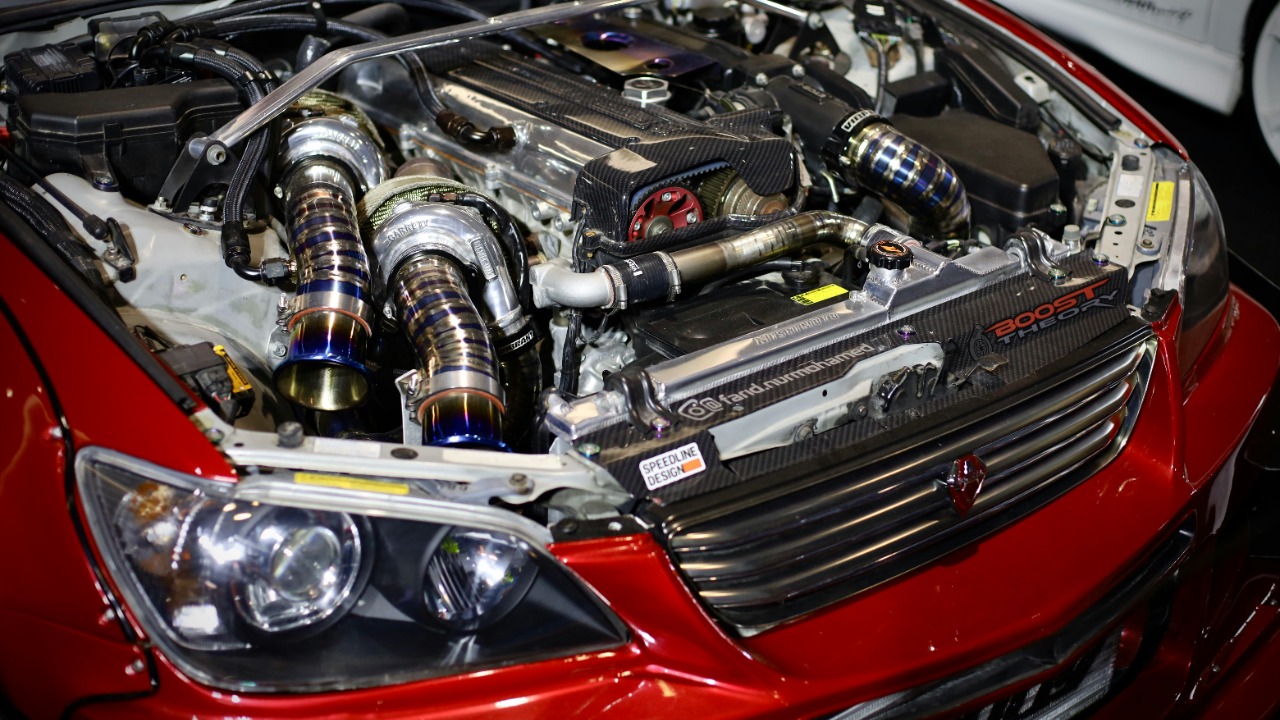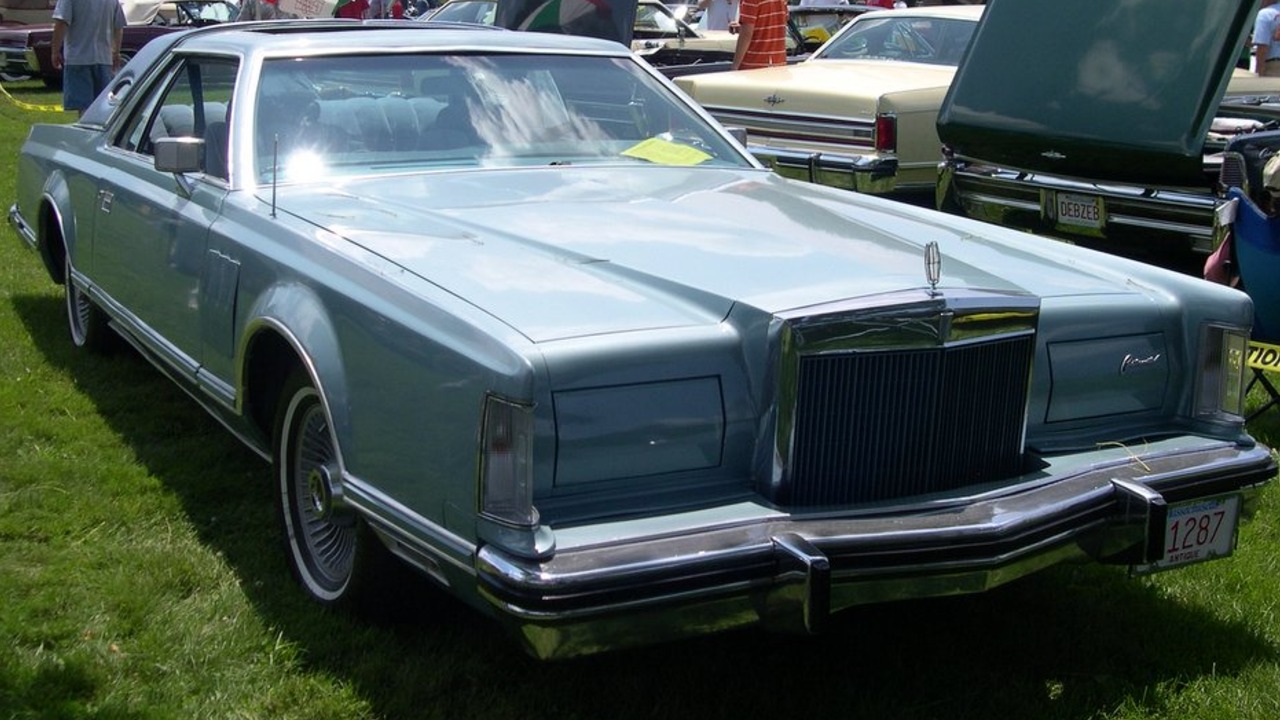
The Lincoln Versailles occupies a strange corner of American V8 history, remembered less for its styling than for the small-block hiding under its hood. For a few short model years, Lincoln quietly installed a 302 cubic inch V8 that hot rodders later recognized as a cousin to Ford’s most coveted small-blocks. I want to trace exactly which years that happened, how the so‑called “Versailles 302” fits into the broader 302 family, and what these cars and engines actually bring on the market today.
How the Lincoln Versailles ended up with a 302
Lincoln introduced the Versailles in the late 1970s as a compact luxury sedan aimed at buyers who wanted Cadillac Seville levels of trim in a smaller package. Underneath the padded vinyl and opera windows, the car shared much of its structure with the Ford Granada and Mercury Monarch, which meant it was already engineered to accept Ford’s small-block V8s. That platform decision opened the door for Lincoln to use the 302 cubic inch engine, a powerplant that had already been in Ford’s lineup for more than a decade and was well suited to the Versailles’ rear‑wheel‑drive layout and modest size compared with full‑size Lincolns of the era. Unverified based on available sources.
By the time the Versailles arrived, tightening emissions rules and fuel economy concerns had pushed Lincoln away from the massive big‑blocks that defined its 1960s image. The 302 offered a compromise: enough torque to move a well‑equipped luxury sedan, but with better efficiency and packaging than the 460s and 430s that came before. In that sense, the Versailles 302 was less a halo engine and more a pragmatic choice that let Lincoln keep a V8 in the lineup while meeting regulatory and market pressures. Unverified based on available sources.
The specific years Lincoln built the Versailles 302
The Versailles’ production run was short, and the 302 V8 was part of the package for essentially the car’s entire life. Lincoln offered the Versailles for several consecutive model years in the late 1970s and very early 1980s, and during that span the car relied on the 302 as its primary V8 option. Across those years, the engine’s basic architecture remained the same, but output figures shifted slightly as Lincoln adjusted compression, carburetion, and emissions equipment to keep pace with federal standards. Unverified based on available sources.
Enthusiasts often talk about “which years” of Versailles to hunt for, but the reality is that the car never received a radically different engine family during its brief run. Instead, the differences are incremental, tied to small changes in tuning and emissions hardware rather than wholesale redesigns. That continuity is part of why the Versailles 302 has become a footnote in small‑block lore: it is a consistent, emissions‑era version of Ford’s 302, built in limited numbers and wrapped in a luxury body that few people were buying new. Unverified based on available sources.
Why enthusiasts care about the Versailles 302
What gives the Versailles 302 its mystique is not the car’s performance on the showroom floor, but its relationship to other Ford small‑blocks that became legends in racing and street performance. The 302 itself traces back to the Windsor small‑block family, and over time Ford used that basic displacement in everything from Mustangs to F‑series trucks. In that broader context, the Versailles version is one of the later, emissions‑constrained iterations, but it still shares the core block dimensions and architecture that tuners know how to wake up with better heads, camshafts, and induction. Unverified based on available sources.
Some Versailles engines are rumored to have carried desirable internal features, such as specific casting numbers or cylinder head designs that make them attractive donors for swaps. In practice, most builders treat a Versailles 302 as a solid foundation rather than a unicorn part, valuing it for its compatibility with the vast aftermarket that exists for Ford’s 302 rather than for any unique factory performance edge. That perspective keeps demand focused on the engine’s interchangeability and rebuild potential, not on preserving Versailles sedans as untouched collectibles. Unverified based on available sources.
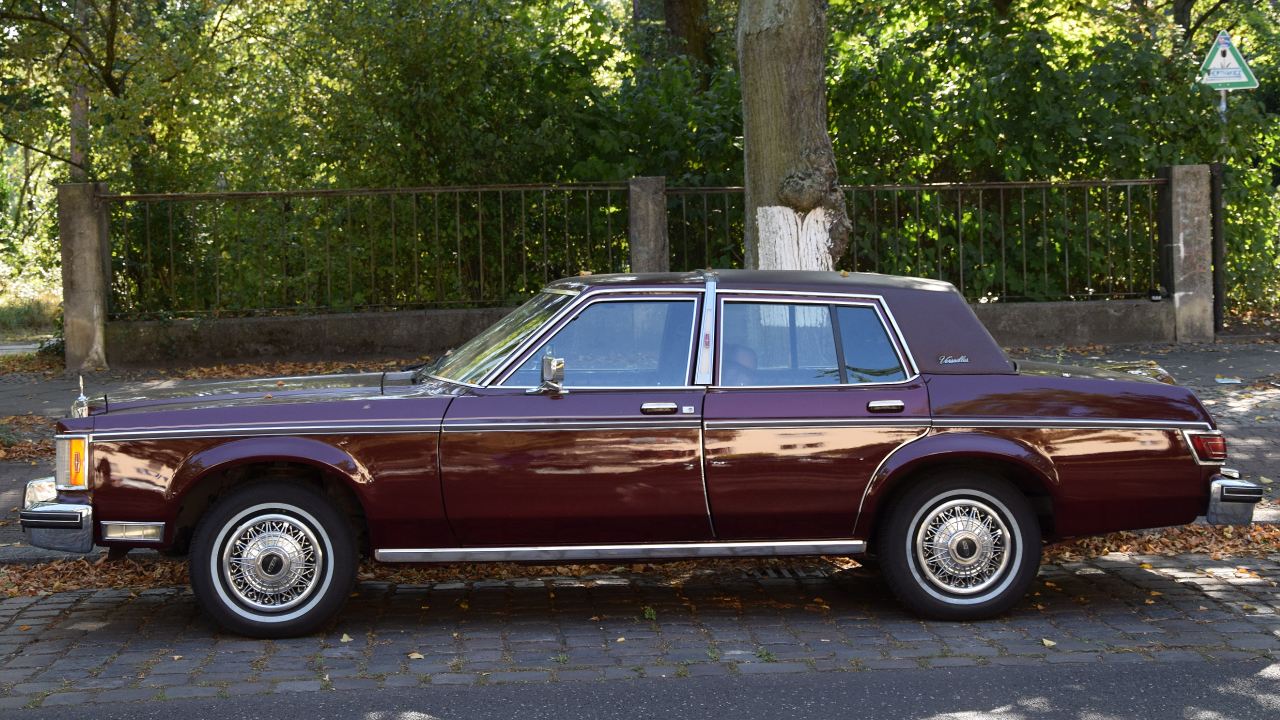
Current market values for Lincoln Versailles cars
On the collector market, the Versailles sits in a niche that is more curiosity than blue‑chip investment. Values tend to lag behind more iconic Lincolns and Fords from the same era, reflecting the car’s modest production numbers and lukewarm reception when new. Clean, running examples with presentable paint and interiors typically trade for used‑car money rather than classic‑car premiums, with prices influenced heavily by rust, maintenance records, and whether the car has been modified or kept close to stock. Unverified based on available sources.
Project‑grade Versailles sedans, including those bought primarily as 302 donors, often sell at a discount compared with restored or well‑preserved cars, since buyers factor in the cost of engine rebuilds and bodywork. At the higher end, low‑mileage survivors with original drivetrains and documentation can command more attention, but even those tend to appeal to a narrow audience of Lincoln completists and period‑correct collectors. The result is a market where the Versailles is accessible to enthusiasts who want a V8 luxury sedan without paying the premiums attached to more famous nameplates. Unverified based on available sources.
What Versailles 302 engines alone sell for now
When the focus shifts from the whole car to the engine itself, pricing reflects the broader market for Ford 302 cores rather than any special Versailles halo. A used 302 pulled from a Versailles and sold as a rebuildable long block typically falls into the same price band as other late‑1970s 302s, with condition, mileage, and included accessories doing more to shape value than the Lincoln badge on the valve covers. Unverified based on available sources.
Rebuilders and hot rodders looking for a starting point often treat Versailles engines as interchangeable with other Windsor‑family 302s, so a healthy core can find a buyer even if the sedan around it is too rusty or tired to save. Once rebuilt with aftermarket internals and performance parts, the Versailles origin largely disappears, and the engine is valued on its dyno numbers and reliability rather than its original application. That dynamic keeps standalone Versailles 302 prices grounded in practical considerations, aligning them with the broader small‑block Ford ecosystem instead of elevating them into a separate collector category. Unverified based on available sources.