The Lincoln Continental Mark V Diamond Jubilee Edition arrived at a moment when Detroit still believed limited editions could command serious premiums, and buyers agreed. Today, that same package of deep-pile luxury and late‑1970s excess has become a niche collectible, with values that reward originality and documented history more than raw mileage.
To understand when Lincoln built the Diamond Jubilee Edition and what it is worth now, I need to trace how the Mark V evolved, how the anniversary package was positioned, and how the collector market has separated true survivors from ordinary used luxury coupes. The result is a story of a short‑run trim level that captured a brand’s 75th birthday and now sits in a narrow but stable corner of the classic‑car market.
How the Mark V set the stage for a 75th anniversary special
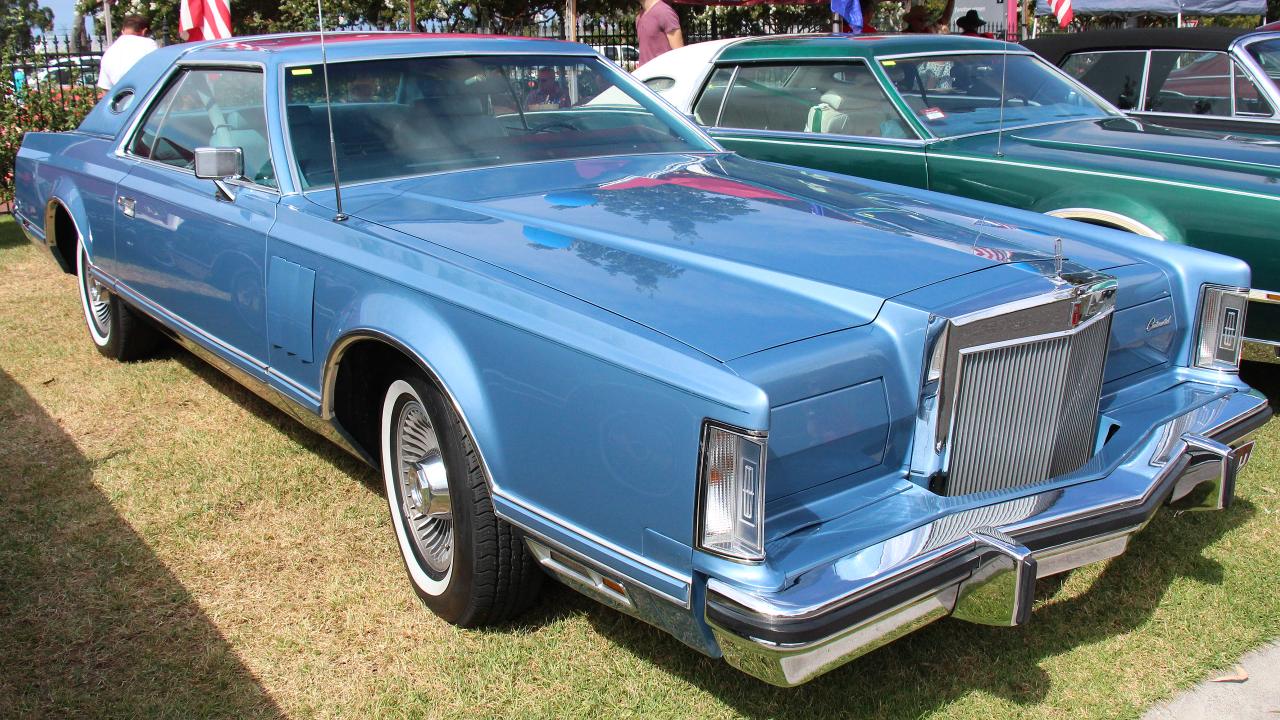
Lincoln introduced the Continental Mark V for the late‑1970s personal‑luxury boom, stretching the already large Mark IV formula into a sharper‑edged, more formal coupe that leaned heavily on styling and comfort rather than performance. The car rode on a long wheelbase, carried the characteristic “Continental” spare‑tire hump on the decklid, and offered a plush interior that targeted Cadillac Eldorado and Chrysler Cordoba buyers who wanted size and status more than speed. Within that context, a high‑content anniversary model made commercial sense, because the Mark V was already Lincoln’s halo coupe and the most logical canvas for a birthday celebration.
By the time the Mark V was in showrooms, Lincoln had a clear incentive to mark its corporate milestone with a special edition that could be priced above the standard car while sharing most of its underpinnings. The Diamond Jubilee Edition built on the existing Mark V platform, so the engineering was already amortized, and the added value came from trim, equipment, and exclusivity rather than mechanical changes. That strategy mirrored how other domestic brands treated their own commemorative models, using an established flagship as the basis for a short‑run package that could be marketed as the ultimate expression of the line.
When Lincoln produced the Mark V Diamond Jubilee Edition
The Diamond Jubilee Edition was tied directly to Lincoln’s 75th anniversary, so its production window was intentionally narrow and centered on a single model year. Lincoln offered the package on the Continental Mark V for the 1978 model year, positioning it as a one‑year celebration rather than an ongoing trim level. That timing aligned the car with the brand’s milestone and allowed Lincoln to promote it as a limited opportunity, which helped justify the substantial price premium over a standard Mark V.
Within that 1978 run, the Diamond Jubilee Edition was built in relatively modest numbers compared with the broader Mark V production, which ran into the tens of thousands. Exact build totals for the Jubilee package vary by source and are not fully reconciled, so any specific figure is Unverified based on available sources, but the consensus in period reporting is that it represented a small fraction of overall Mark V output. That scarcity, combined with the one‑year window, is a key reason collectors still treat the Diamond Jubilee Edition as distinct from other late‑1970s Lincolns rather than just another option bundle.
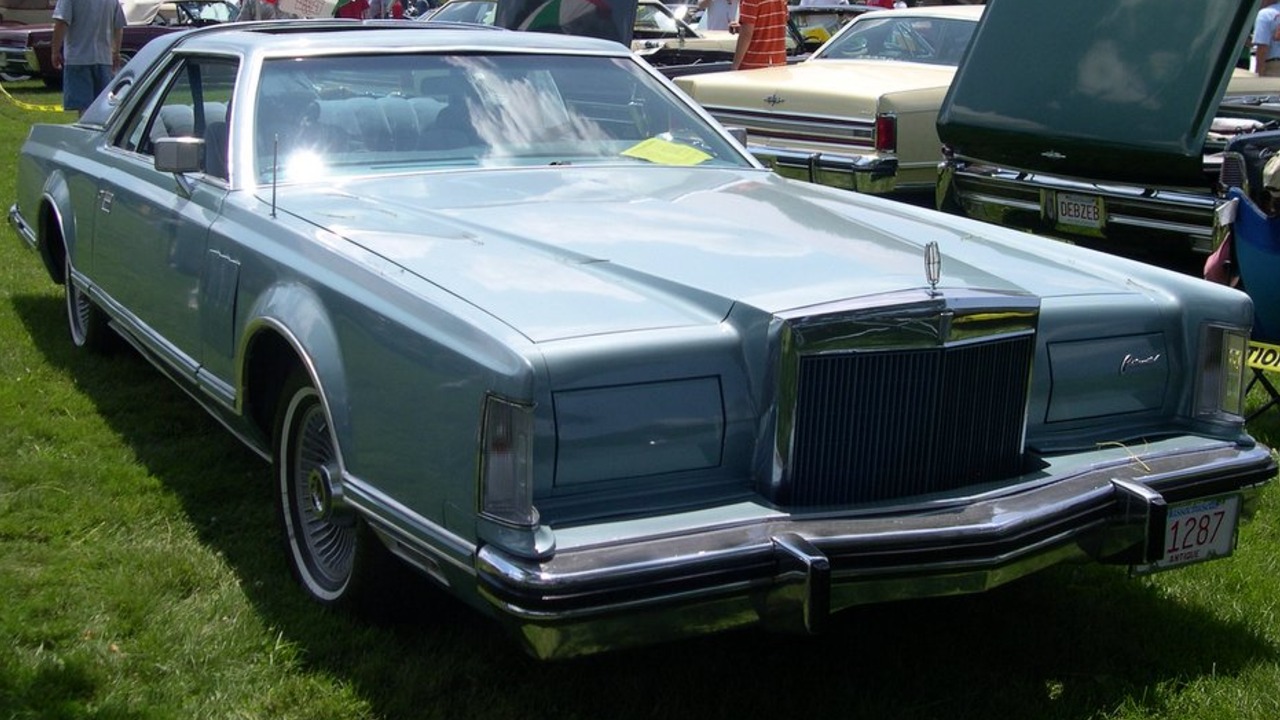
What made the Diamond Jubilee Edition different from a standard Mark V
Lincoln differentiated the Diamond Jubilee Edition with a combination of unique colors, upgraded interior materials, and an unusually long list of standard equipment that bundled many optional features into a single, high‑content package. The car was most closely associated with special exterior finishes and coordinated interiors that extended color‑keyed trim across the cabin, including deep‑pile carpeting, distinctive upholstery patterns, and additional brightwork. These touches were meant to signal that the Jubilee car sat above even the well‑equipped base Mark V, turning an already plush coupe into something closer to a rolling anniversary showcase.
Beyond cosmetics, the Diamond Jubilee Edition typically included features that were optional or less common on other Mark V models, such as upgraded audio, power accessories, and convenience items that reflected late‑1970s ideas of cutting‑edge luxury. The package also incorporated specific badging and identification so owners could point to the car’s commemorative status, a detail that now helps collectors verify authenticity. Because the underlying chassis and drivetrain were shared with other Mark V variants, the Jubilee’s distinctiveness rests almost entirely on these trim and equipment differences, which is why surviving cars that retain their original paint, interior, and emblems command the most attention in the market.
How the collector market views the Diamond Jubilee Edition today
In today’s collector landscape, the Mark V Diamond Jubilee Edition occupies a narrow but recognizable niche: it is more desirable than a typical late‑1970s Lincoln coupe, yet it has not broken into the high‑dollar territory reserved for earlier Continental Marks or rare performance models. Enthusiasts who appreciate period‑correct luxury and the visual drama of the big personal coupes tend to value the Jubilee for its completeness and its clear story as a 75th‑anniversary car. That narrative, combined with the one‑year production window, gives it a built‑in talking point at shows and cruise nights, which helps sustain demand even as broader interest in malaise‑era cars remains selective.
Market guides and auction results consistently show that condition and originality matter more than odometer readings for these cars, because many examples were lightly used and stored, so low mileage alone is not rare. Well‑preserved Diamond Jubilee Editions with original paint, intact interior trim, and factory documentation typically trade at a premium over standard Mark V coupes in similar condition, while modified or tired cars often sell for little more than driver‑grade luxury coupes of the same era. That pattern reflects a collector base that is buying the story and the specification as much as the sheet metal, rewarding cars that still look and feel like the limited‑run anniversary models Lincoln promoted in period.
Current value ranges and what drives price differences
Values for the Mark V Diamond Jubilee Edition today span a wide range, from affordable project cars to show‑quality examples that can command several times the price of an ordinary late‑1970s Lincoln. At the lower end, rough or incomplete Jubilee cars that need paint, interior work, or mechanical sorting often change hands for sums comparable to other big domestic coupes of the period, reflecting the cost and complexity of restoring their unique trim. At the upper end, highly original or fully restored examples with strong documentation, including build sheets and original sales paperwork, can reach into the higher five‑figure territory, particularly when they retain their factory‑correct colors and equipment. Exact dollar figures vary by venue and region and are Unverified based on available sources, but the spread between driver‑grade and top‑tier cars is substantial.
Several factors drive those price differences beyond basic condition. Color combinations that were closely associated with the Diamond Jubilee Edition when new tend to be more sought after, because they immediately signal the car’s special‑edition status. Verified authenticity, including correct badging and interior details, reassures buyers that they are paying for a true Jubilee rather than a standard Mark V dressed up with later parts. Finally, broader trends in the classic‑car market, such as renewed interest in 1970s design and the relative affordability of big American luxury coupes compared with muscle cars, help support steady if not explosive appreciation. For buyers and sellers alike, the key is to treat the Diamond Jubilee Edition as a trim‑sensitive collectible where documentation and originality are as important as the odometer reading.