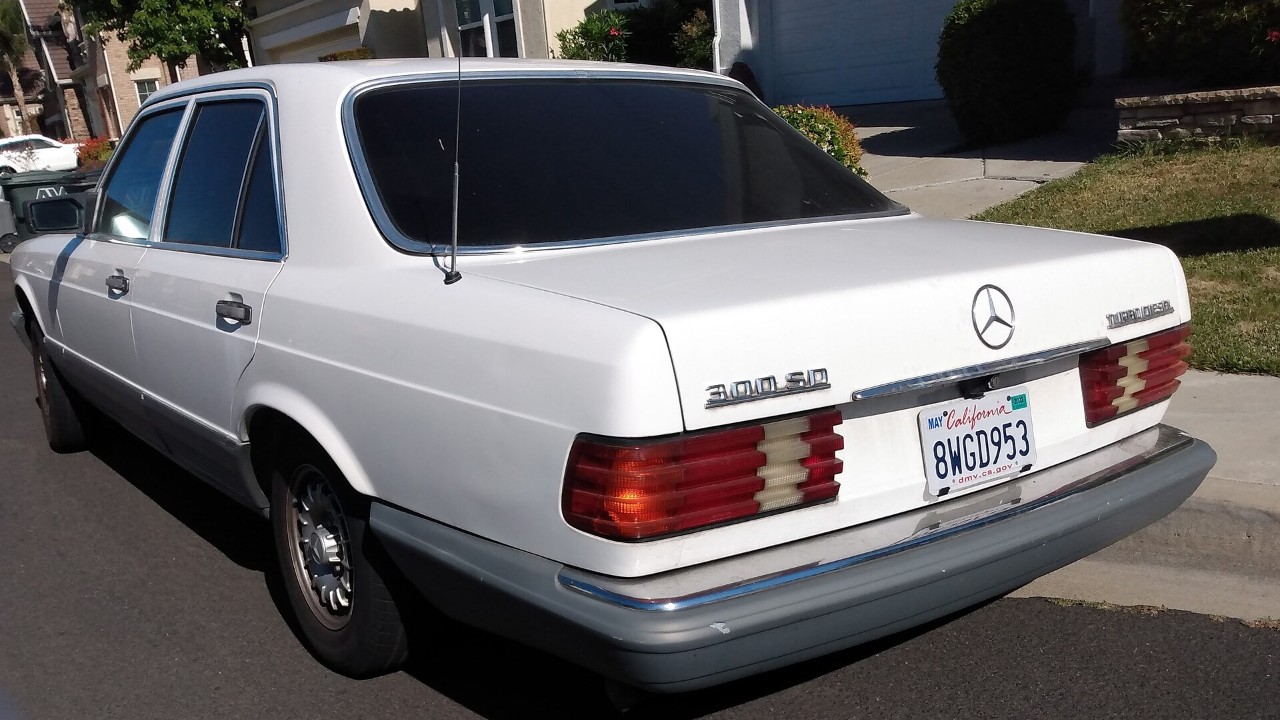
The Mercedes-Benz 300SD came with one engine, one transmission and one market. It paired a five-cylinder turbodiesel with an automatic, and Mercedes sold it only in North America. Even so, it won Motor Trend’s Import Car of the Year for 1981, and Mercedes built 78,725 of them.
Cars like that earned a certain kind of reputation. They were not the fastest or the flashiest luxury sedans of their day. Instead, they were engineered with a seriousness that still shows when you open the doors and look at the hardware. That, in our view, is what makes them such good long-term companions.
These seven are our picks, the luxury cars we think look built to cross the 300,000-mile mark. That is our opinion based on how they were engineered, not a mileage guarantee for any one car. The engines, production totals and dates come from maker records and model histories, and every number traces to a source we read.
1. 1993 Mercedes-Benz 300E (W124)
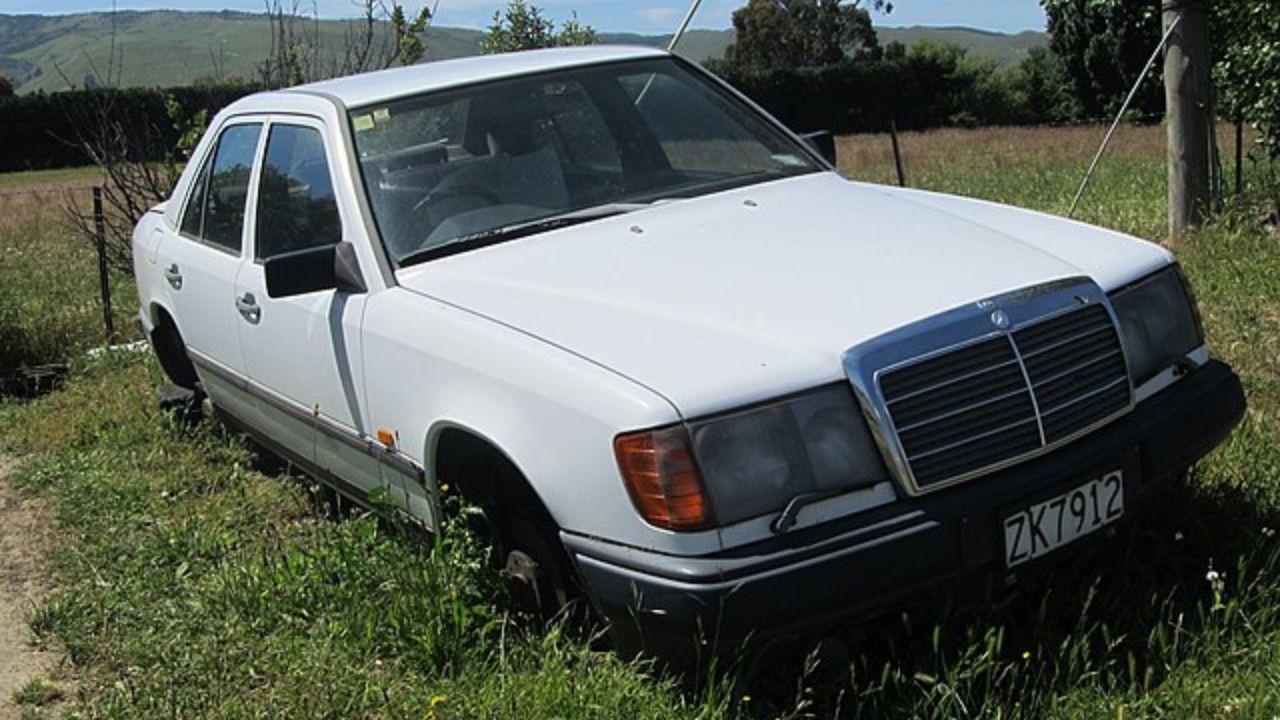
Mercedes did not rush the W124. Planning began in autumn 1976, the program officially started in July 1977 and pilot production followed in March 1984. Then, in early November 1985, the car arrived in North America as the 1986 300E.
By the 1993 model year, however, the U.S. lineup had shifted. The 2.8-liter car was sold as the 300E 2.8, while the 3.2-liter version kept the plain 300 badge. Anti-lock brakes had been standard across the range since 1988. In August 1993, Mercedes facelifted the car and moved to the E-Class name. Over its life, the W124 family reached 2,721,817 units, not counting commercial chassis.
Our take: to us, the W124 is the classic overbuilt Mercedes. Eight years of development before production says a lot about the effort behind it. In our view, a well-kept 1993 300E is one of the safest bets on this list. If you shop for one, service records matter more than mileage, because these cars reward owners who keep up with maintenance. Mercedes even trusted Porsche to build the 500E version, and Porsche made 10,479 of them at Zuffenhausen.
2. 1984 Mercedes-Benz 300SD (W126)
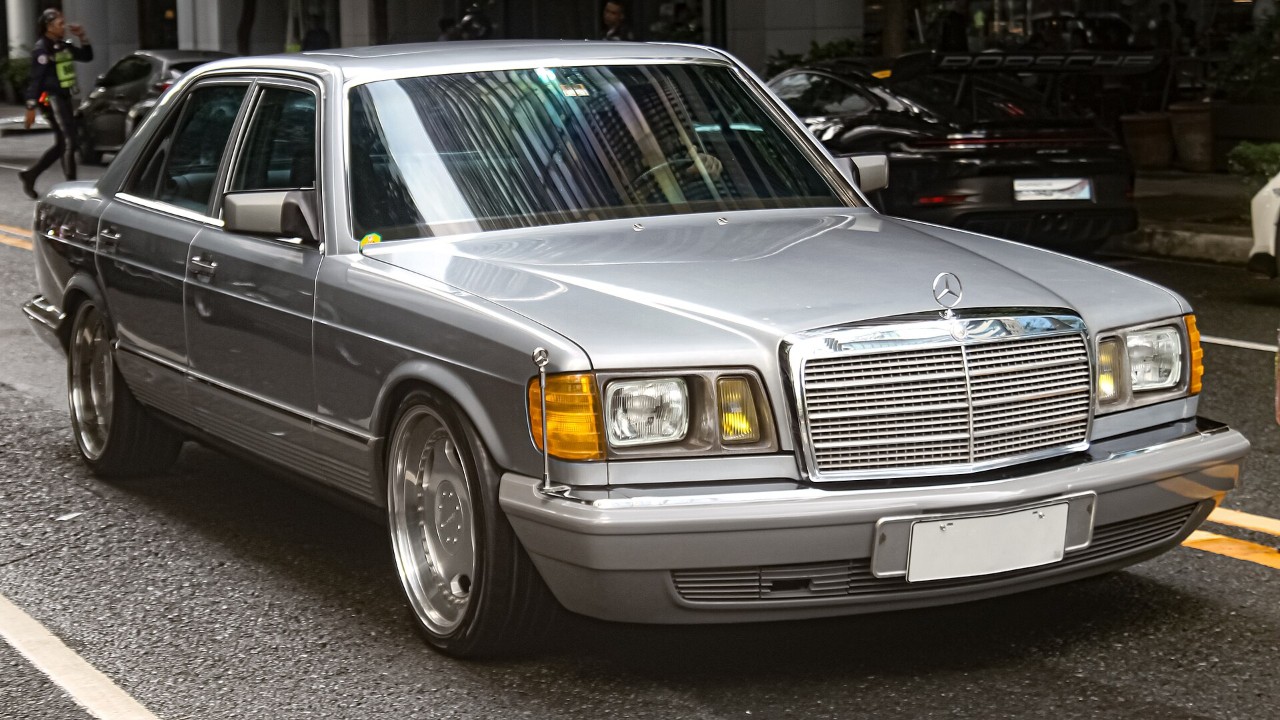
The 300SD used the OM617, a 3.0-liter five-cylinder diesel with a turbocharger. In 1984 form, it made 123 bhp and 184 lb-ft of torque. U.S. buyers got an automatic only. That is not much power for a big S-Class, and zero to 62 mph took 15.2 seconds.
Still, the rest of the Mercedes-Benz 300SD was built with real care. Development of the W126 began in October 1973, and Bruno Sacco led the design team. Mercedes used high-strength low-alloy steel to save weight without losing strength, along with front and rear crumple zones. A driver’s airbag became an option in 1981 and standard in the U.S. for the 1985 model year. In total, Mercedes built 892,123 W126 cars, and it stayed in production longer than any other S-Class generation.
In our view, the Mercedes-Benz 300SD is the purest long-haul car here. A slow diesel and a stout body are a great match for a car you plan to keep for decades. Our advice: look for a Mercedes-Benz 300SD with a documented service history, and expect relaxed performance rather than speed. For an earlier chapter of the big Mercedes sedan story, we looked at when the 1962 Mercedes-Benz 300SE ruled luxury.
3. 1997 Lexus ES 300
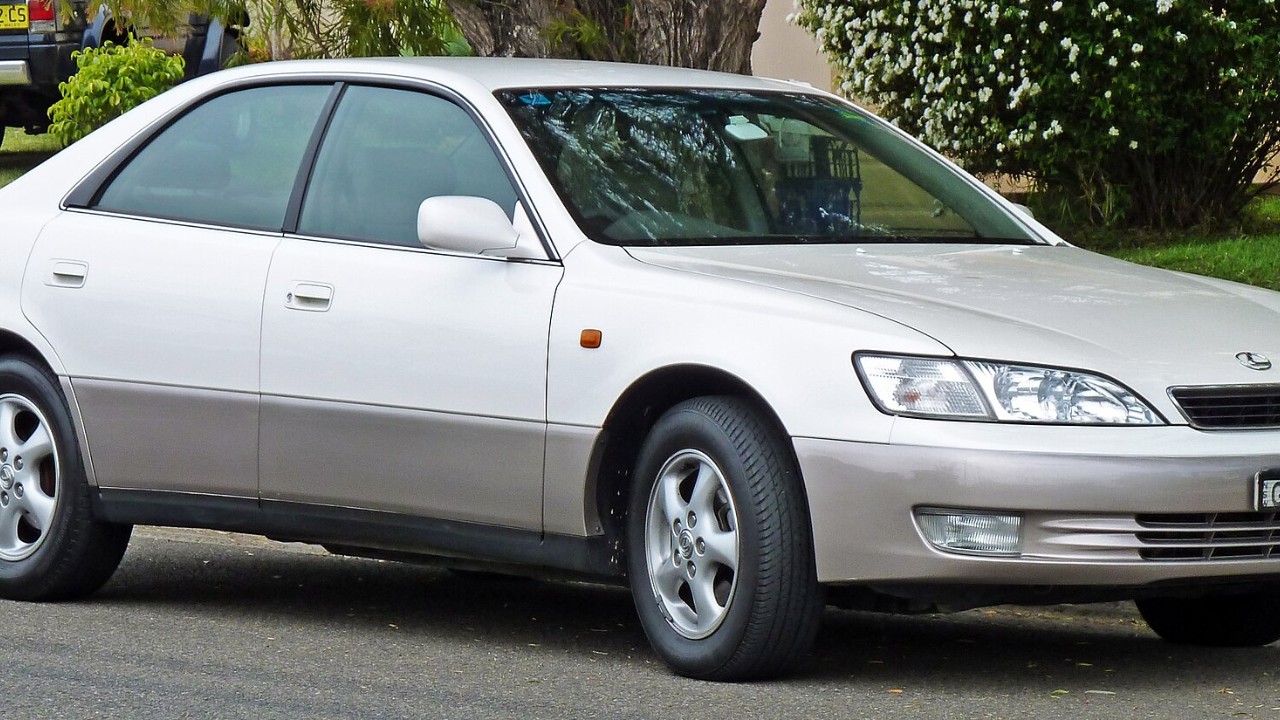
The third-generation ES 300 started production in August 1996 at the Tsutsumi plant in Toyota City. In May 1997, Toyota Motor Kyushu’s Miyata plant joined in. Lexus developed the car alongside the XV20 Camry, so it shared well-proven basics with one of the best-known sedans of its time.
Its 3.0-liter V6 made 200 horsepower and 290 Nm of torque, and a four-speed automatic was the only transmission. The body was about 30% stiffer than before, and the drag coefficient was 0.29. Meanwhile, inside, buyers found walnut trim, leather seats and an Optitron gauge panel as standard. The base price was $30,395. In its first year, the ES 300 set a U.S. sales record of 58,430 cars.
Our take: the ES 300 is a luxury car built from a Camry’s playbook, and we mean that as a compliment. Simple, proven parts and a quiet cabin make it an easy car to keep running. In our view, it is the most sensible pick here for a daily driver. Our advice: look for a car with complete service records, because routine maintenance is what keeps any high-mileage car going.
4. 1989 Toyota Cressida

The last Cressida for North America arrived for 1989 as an upper-level midsize sedan with rear-wheel drive. Under the hood sat the 7M-GE, a 3.0-liter inline six rated at 190 horsepower at 6,000 rpm and 185 lb-ft of torque. A four-speed automatic was standard.
In fact, the chassis was more sophisticated than its quiet image suggested. It used a new double-wishbone independent rear suspension, mostly derived from Supra parts. Also, standard equipment included power windows and locks, cruise control and a tilt-telescoping wheel. U.S. buyers took 23,785 Cressidas in 1989. However, sales fell quickly after that, partly because the car overlapped with the new Lexus models, and U.S. production ended after the 1992 model year.
In our view, the Cressida is the forgotten Toyota luxury car, and it looks built for the long haul. A smooth six, rear-wheel drive and Supra-derived suspension are a strong mix. We think it deserves more respect than it gets. Our advice: favor an unmodified car with documented maintenance, and walk away from one with no history.
5. 1990 Cadillac Brougham
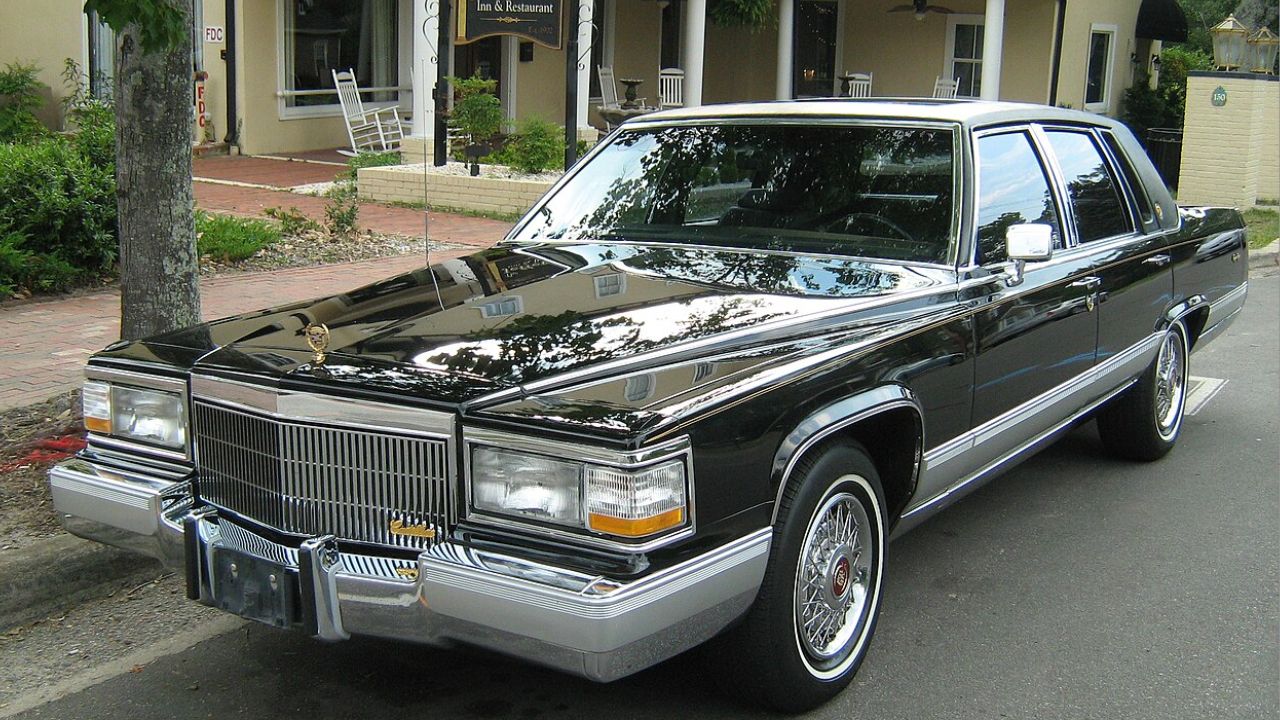
The Brougham was a traditional American luxury sedan right to the end. It used General Motors’ rear-wheel-drive D-body platform with a separate body and frame. For 1990, Cadillac gave it a facelift with a digital instrument cluster, composite headlamps and new taillamp lenses.
At first glance, the engines looked modest. The base engine was the 5.0-liter Oldsmobile V8, rated at 140 horsepower. Buyers could also order a 5.7-liter fuel-injected V8 rated at 175 to 185 horsepower. Cadillac built 33,741 Broughams for 1990 at its Arlington, Texas, plant. Production stayed there until the Brougham ended after the 1992 model year, when the rear-wheel-drive Fleetwood took over.
Our take: the Brougham looks built to last because it is so old-fashioned. Body-on-frame construction and an unstressed V8 are simple and tough, in our view. In our view, the optional 5.7-liter is the one to find, because it has more power to spare. Our advice: inspect the frame and body mounts carefully on any Brougham before buying. A rust-free one is a very relaxing way to rack up miles.
6. 1995 Volvo 960
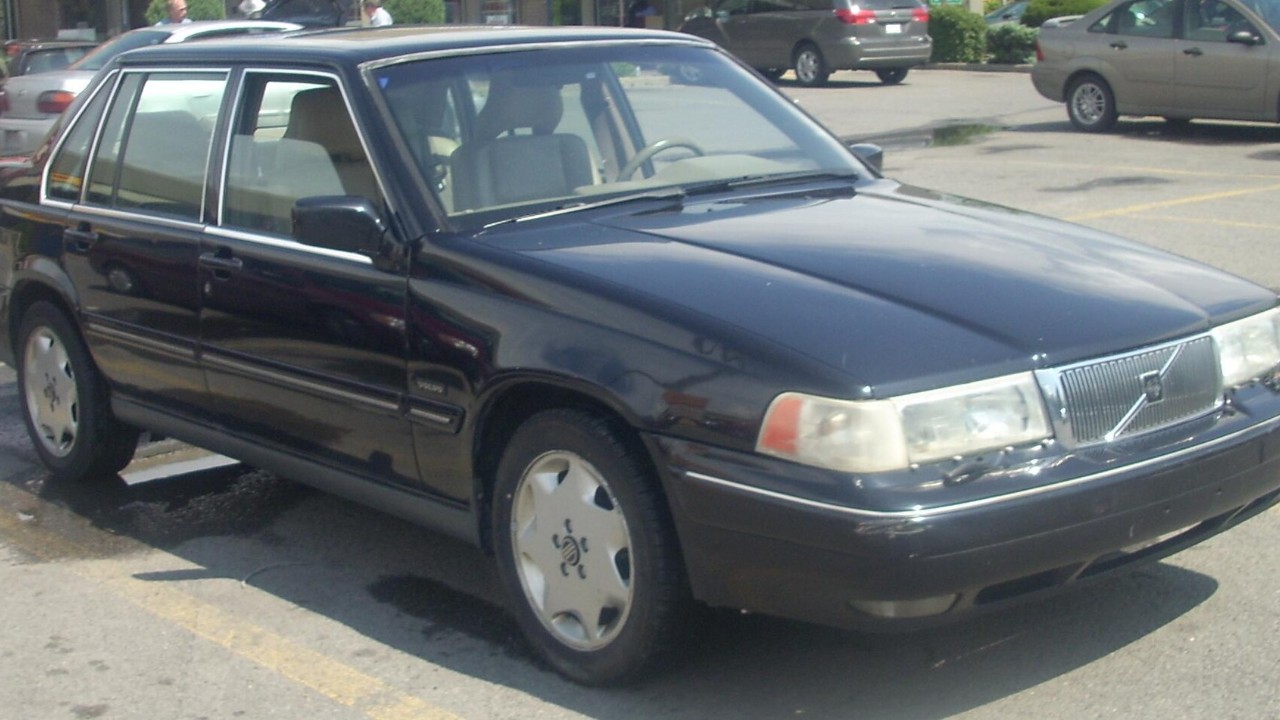
Volvo launched the 960 in autumn 1990 for the 1991 model year, as the replacement for the 760. Then, for the 1995 model year, Volvo redesigned it. According to Volvo Cars’ own history of the 960, the chassis was almost totally new, including a further developed multi-link rear suspension with a transverse composite leaf spring.
Even so, the car kept its longitudinal front engine and rear-wheel drive. Its 2.9-liter inline six used four valves per cylinder and made 204 PS in its 1991 to 1997 form. A new 2.5-liter six joined it for 1995. Volvo built 112,710 sedans and 41,619 estates before the S90 and V90 replaced the 960 in 1997.
In our view, the 960 is the most solid-feeling car on this list. Volvo’s reputation for strength fits it well, and the rear-drive layout keeps it simple. We think the revised 1995 car is the one to buy, thanks to that newer rear suspension. Our advice: confirm that the cooling system and automatic transmission have been serviced, since a well-maintained 960 is what you want for long-distance use.
7. 1998 Lexus GS 300

The second-generation GS 300 arrived for 1998 with a 3.0-liter inline six, the 2JZ-GE. It made 225 horsepower and came with VVT-i variable valve timing. The Lexus UK media archive for the 1997-2000 GS 300 notes that the new car cut its zero-to-62 mph time to 8.2 seconds while improving fuel economy.
In addition, the GS drove its rear wheels through a five-speed automatic. Lexus also gave it more headroom and a larger trunk than before. Motor Trend named it Import Car of the Year for 1998, and U.S. sales reached 30,622 in its first year. Export production started on August 4, 1997.
Our take: the GS 300 is the sportiest car here, and it still looks built for the long haul. We think the 2JZ-GE six is the heart of its appeal, and the rear-drive layout is simple and sturdy. In our view, it gives you the best balance of fun and durability on this list. Our advice: look for a stock example with records, because originality matters on a car you plan to keep. For a wider look at long-lasting cars, we also covered the vehicles predicted to hit 300,000 miles with ease.
More from Fast Lane Only