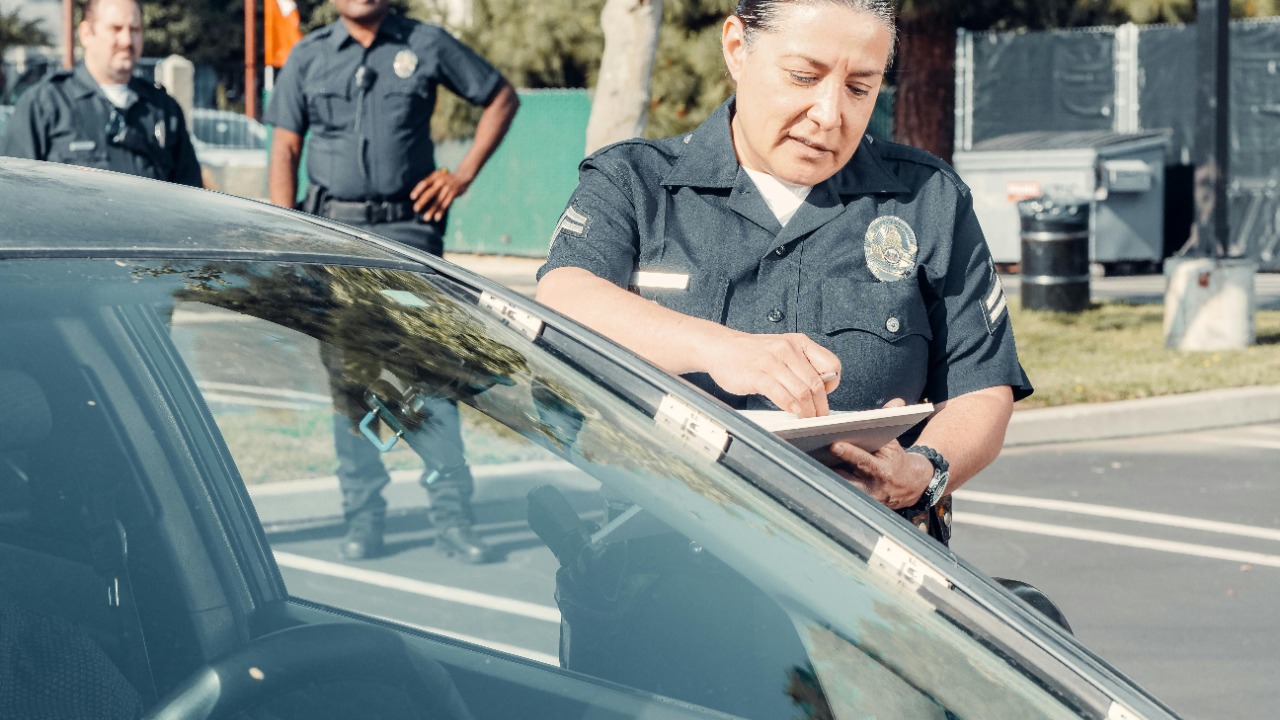
Traffic stops sit at the tense intersection of public safety, police discretion, and your constitutional rights. What feels like a simple flashing light in the rearview mirror is, in reality, a structured investigation in which officers are trained to look for specific clues, ask targeted questions, and quietly assess whether a minor violation might be a doorway to a bigger crime. Understanding what they are actually watching for, and what the law allows, is the difference between a routine citation and a roadside encounter that spirals.
When I break down how officers are trained to select cars, approach drivers, and escalate from a broken taillight to a full-blown search, a clear pattern emerges. They are not just checking your speedometer, they are scanning your vehicle, your behavior, and your answers for legally recognized red flags, all while operating within limits that courts and defense lawyers have spent years defining.
How officers decide which cars to stop
Before an officer ever walks up to a window, the first decision is whether there is a lawful reason to pull a car over at all. In most cases, that starts with a clear traffic offense such as speeding, running a red light, failing to signal, or making an illegal turn, which courts recognize as straightforward grounds for a stop under established Traffic offenses rules. Officers also look for equipment violations that are easy to spot from a distance, such as a dead headlight on a 2012 Honda Civic, a cracked taillight on a Ford F-150, or a missing front plate on a Subaru Outback, because each defect provides a specific, articulable reason to initiate a stop.
Beyond obvious moving violations, police often rely on subtler cues that still qualify as legal justification. In one detailed discussion among current and former officers, they describe how Equipment violations like dark window tint, tinted tail lights, defective headlights, defective tail lights, and defective brake lights are routinely used as the initial hook to stop a vehicle. Once that stop is underway, the officer can lawfully expand the encounter if new facts emerge, which is why something as small as a burned-out bulb on a Toyota Camry can quickly become the opening move in a broader investigation.
The real top reasons you get pulled over
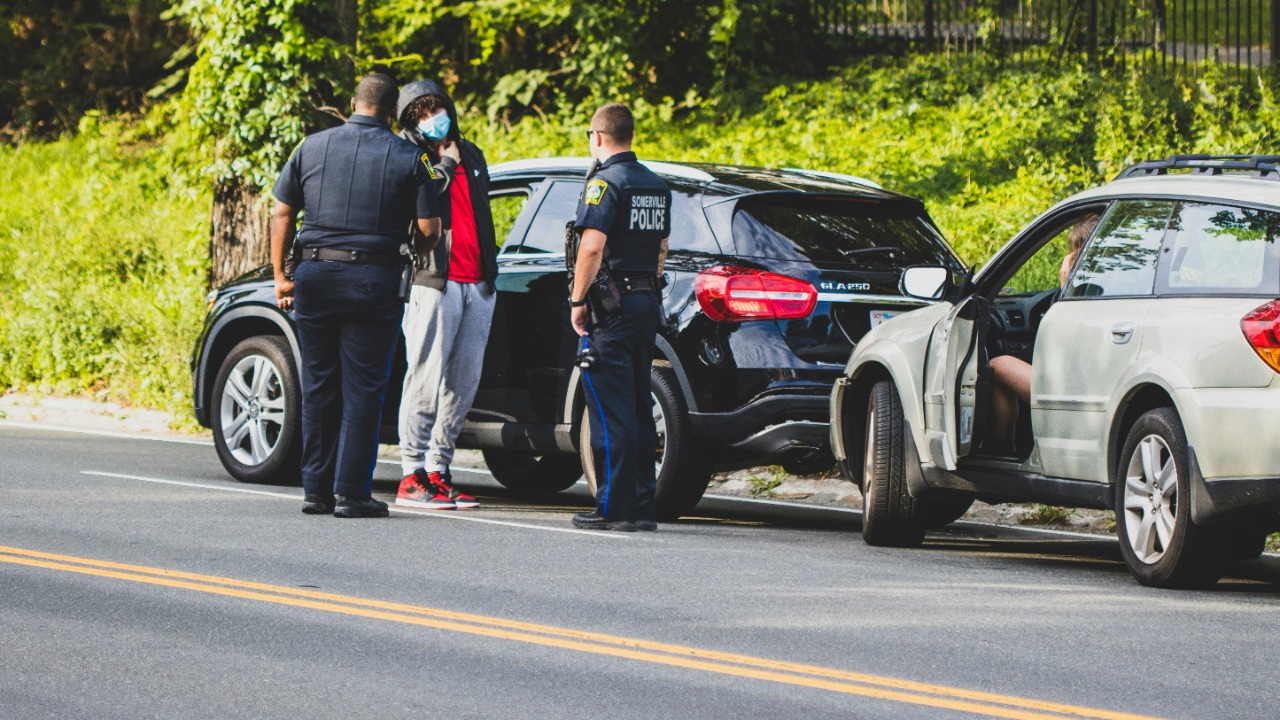
From a driver’s perspective, it can feel like officers pull people over at random, but the data on roadside enforcement shows a consistent pattern. The most common trigger is Speeding, which remains the leading reason drivers are stopped, whether that is a BMW cruising at 82 miles per hour in a 65 zone or a Kia Soul pushing 40 in a posted 25. Close behind are behaviors like distracted driving, rolling through stop signs, and aggressive lane changes, all of which give officers a clear, documentable violation to cite if the stop ends with a ticket.
Police also pay close attention to patterns that suggest impaired or careless driving, even before they label it as potential DUI. Sudden braking for no reason, drifting within a lane, or taking a wide, slow turn in a late-model pickup can all draw attention because they mirror the early “vehicle in motion” clues that DUI trainers emphasize. When those patterns combine with an obvious infraction, such as failing to maintain lane or ignoring a no-turn-on-red sign, the officer has both a legal basis for the stop and a practical reason to look more closely at what is going on inside the car.
What officers watch for once they approach your window
The real scrutiny begins after the cruiser lights come on and the officer walks up to your door. At that point, the initial traffic violation is only part of the story, because officers are trained to scan for physical and behavioral signs that something more serious might be happening. In DUI training materials, they are taught that the first phase of DUI detection starts with the vehicle in motion, but the next phase focuses on the driver’s condition, from the moment the window rolls down to the last question before the officer walks back to the patrol car.
Once they are at the window, officers look for specific physical symptoms that can indicate intoxication or drug use. Training guides describe how they are taught to note bloodshot or watery eyes, slurred speech, the odor of alcohol, fumbling fingers on a driver’s license, and unusual movements, all as part of a checklist for Physical and behavioral symptoms. They are also trained to recognize signs of drug intoxication in suspects, such as constricted or dilated pupils, slow responses, or extreme agitation, which can prompt them to shift from a simple traffic citation to a full DUI or narcotics investigation.
The questions that are designed to trip you up
Conversation during a stop is not small talk, it is a structured interview. Officers often open with seemingly casual questions that are designed to lock in your story and test your reactions, especially if they suspect impairment. In one breakdown of common tactics, defense lawyers describe how a cop might start with, “A cop pulls you over and asks where you are coming from,” then quickly follow with, “how much you have had to drink,” using that sequence to probe for inconsistencies and admissions that can justify field sobriety tests, particularly during an Aug roadside stop.
Behind those questions is a broader investigative strategy that often starts even before the officer activates the lights. Training materials explain that Officers will typically follow a vehicle for a short distance to gather “a bit of information” about how it is being driven, watching for weaving, abrupt lane changes, or delayed reactions to traffic signals before they even initiate the stop. Once the car is pulled over, the questions about where you are headed, who you are with, and whether you have had anything to drink are meant to build on those observations and create a record that can be used later in court if the encounter escalates.
Where the line is: searches, consent, and your rights
For all the discretion officers have on the roadside, there are hard legal limits on how far they can go without your permission or a judge’s approval. Criminal defense lawyers like Kevin R. Collins, Esq., who wrote a detailed analysis titled “What Police Don, Tell You About Their Tactics and Your Rights During, Traffic Stop, By Kevin, Collins, Esq,” emphasize that a valid search warrant is generally required to search a vehicle, seize property, or tow the car, unless a specific exception applies. Those exceptions can include clear probable cause, such as visible contraband on the seat of a Tesla Model 3, or circumstances where the driver is arrested and the vehicle must be inventoried, but they do not give officers a blank check to rummage through your trunk on a hunch.
One of the most misunderstood parts of a traffic stop is the role of consent. Defense attorneys stress that you are not required to agree to a search, and that saying no does not, by itself, give the officer new grounds to search your car. In a widely cited explanation, a lawyer writing in Jan spells it out plainly: Not giving consent to search does not give an officer probable cause to search your car, and courts have repeatedly held that the refusal alone cannot transform a routine stop into a full-blown search. That legal boundary is crucial, because it means the officer must point to specific facts, not just your insistence on your rights, if they want to escalate the encounter.