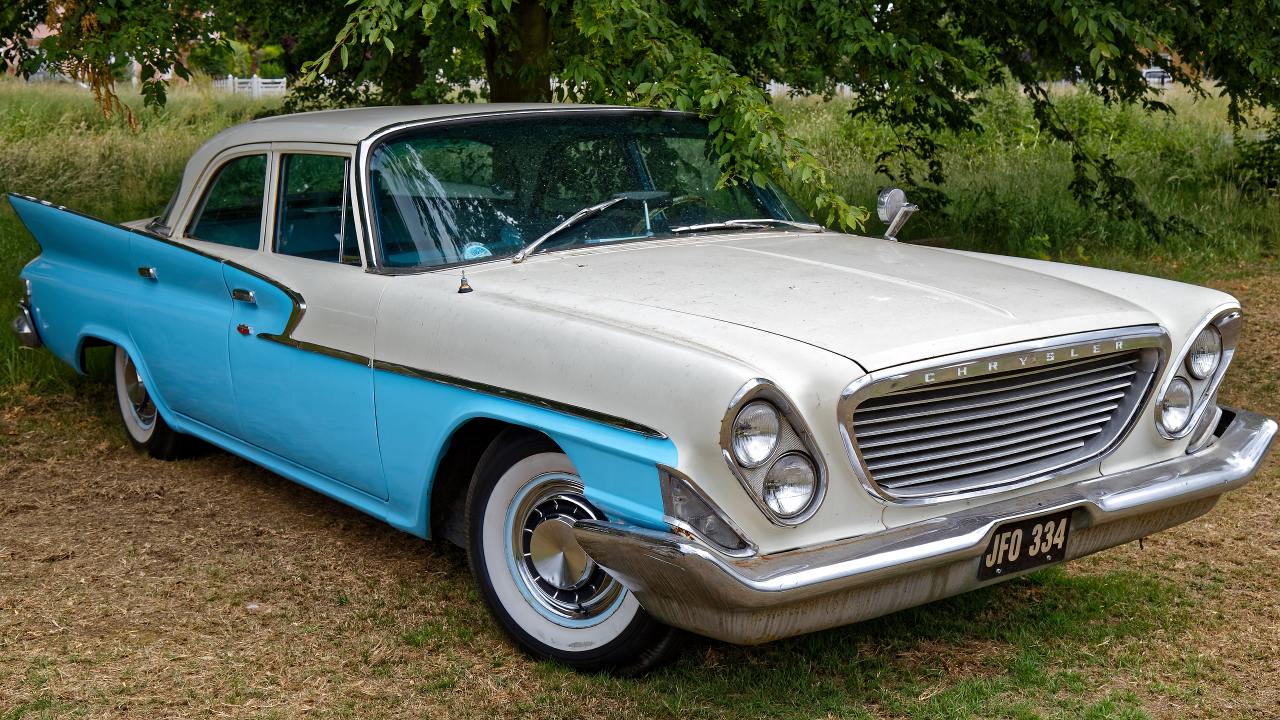
The Chrysler Newport 440 sits at the crossroads of big-block excess and full-size practicality, pairing one of Detroit’s most famous V8s with an entry-level luxury shell. For collectors today, it offers a rare combination of displacement, comfort, and relative affordability that is increasingly hard to find in the classic market. To understand when Chrysler built these cars and what they are worth now, I need to trace how the Newport evolved, when the 440 arrived under its hood, and how recent sales data frames their current value.
How the Chrysler Newport became Chrysler’s full-size gateway
The Chrysler Newport nameplate has a longer and more fragmented history than many enthusiasts realize, appearing on different body styles and concepts before it settled into its role as a mainstream full-size model. Reporting on the model’s lineage notes that Chrysler used the Newport badge several times, but it was not until the early 1960s that the car emerged as a consistent, volume-oriented line, positioned as the most accessible way into a big Chrysler. That shift turned the Chrysler Newport into a core part of the brand’s full-size strategy, rather than a one-off special or limited-run trim, and laid the groundwork for pairing it with larger engines later in the decade.
From 1961, the Chrysler Newport is described as the “entry-level” full-size Chrysler, a car that delivered the size and presence of the brand’s flagship sedans without the highest trim prices or most ornate options. Coverage of the model’s history explains that Chrysler Newport production continued across multiple generations, with the nameplate running through the 1970s and into the early 1980s as Chrysler updated its big-car platforms and styling. Market overviews of the Chrysler Newport emphasize that the company used the Newport name across several generations, reinforcing its role as a long-running, full-size mainstay rather than a short-lived experiment.
When the 440 big block entered the Newport picture
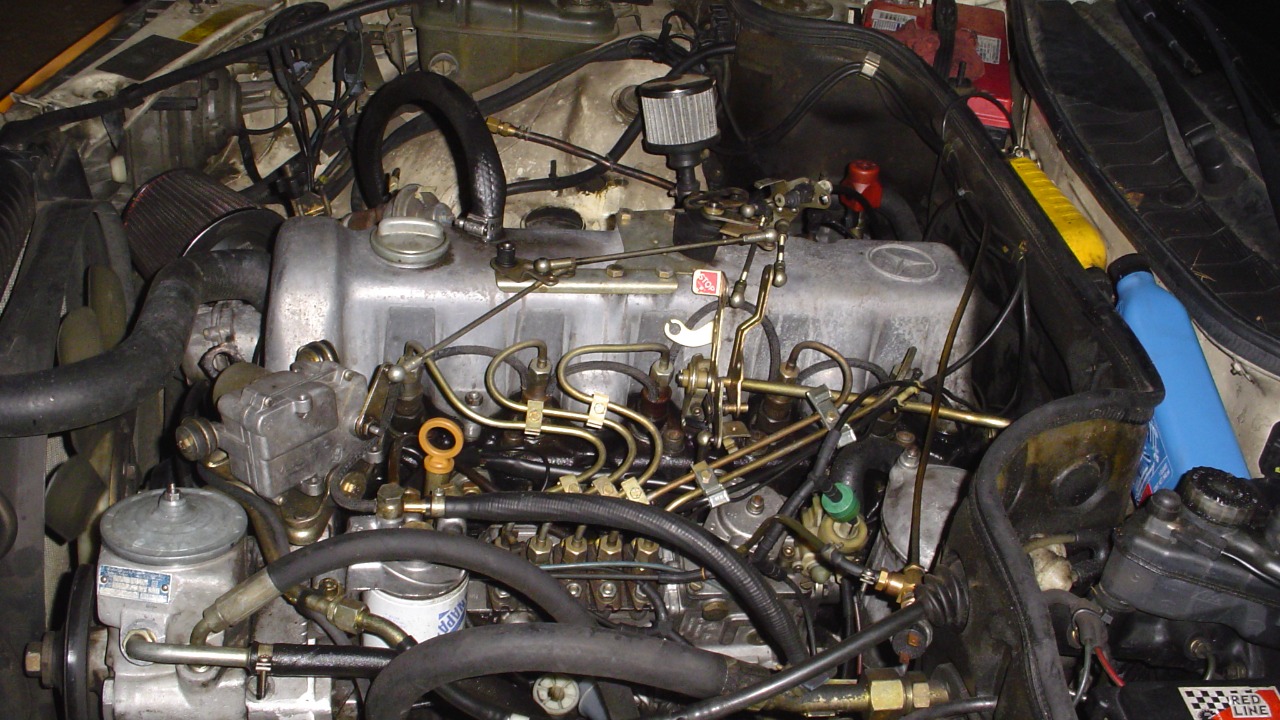
The 440 cubic inch V8 is central to the Newport 440 story, so the first step is to pin down when this engine became available and how it fit into Chrysler’s broader powertrain strategy. The 440 cu in (7.2 L) RB was produced from 1965 until 1978, making it the last version of the Chrysler RB block and a defining big-block for the brand’s late muscle and full-size years. Reporting on the engine’s development notes that the 440 first appeared in the mid 1960s, just as American performance cars were entering their glory years, which meant Chrysler could deploy it across both muscle cars and larger sedans.
Analysis of the engine’s role in the lineup stresses that the 440 was more than just a muscle car motor, and that it found a home in big Chryslers that prioritized torque and effortless cruising as much as quarter-mile times. Coverage of the Big Block notes that it was used in a wide range of vehicles, including full-size sedans that needed strong, reliable power to move substantial curb weight with ease. With the Chrysler Newport already established as a full-size model from 1961, the timing of the 440’s introduction from 1965 meant that later third-generation Newports could be ordered with this engine, creating the Newport 440 configuration that collectors now seek out.
The Newport 440 in the late 1960s and 1970s
By the mid to late 1960s, the Chrysler Newport had settled into a formula of conservative styling, roomy interiors, and a menu of V8 engines that allowed buyers to choose between economy and performance. Documentation of the 1966 Newport notes that the car received new grille work and revised taillights, while the basic structure and layout changed very little from 1965, underscoring how Chrysler preferred incremental updates over radical redesigns in this period. Engine offerings for the Newport in these years included larger-displacement V8s, and the presence of the 440 in the corporate engine family from 1965 onward meant that higher-spec Newports could be configured with serious power.
As the 1970s arrived, the Newport 440 became a way for buyers to enjoy big-block performance in a more understated package than the brand’s dedicated muscle cars. Full-size Chryslers of this era, including the Newport, were available as sedans, hardtops, and other body styles, and reporting on the 1978 full-size Chryslers notes that they had the distinction of being the last American car to date available as a true hardtop model. That detail highlights how long Chrysler kept traditional big-car features alive, even as the market shifted toward downsized platforms and more efficiency-minded designs. Within that context, a Newport equipped with the 440 cu in (7.2 L) RB engine represented a late-stage expression of classic American full-size power, right up until Chrysler prepared a new downsized model for 1979.
How much a Chrysler Newport 440 costs today
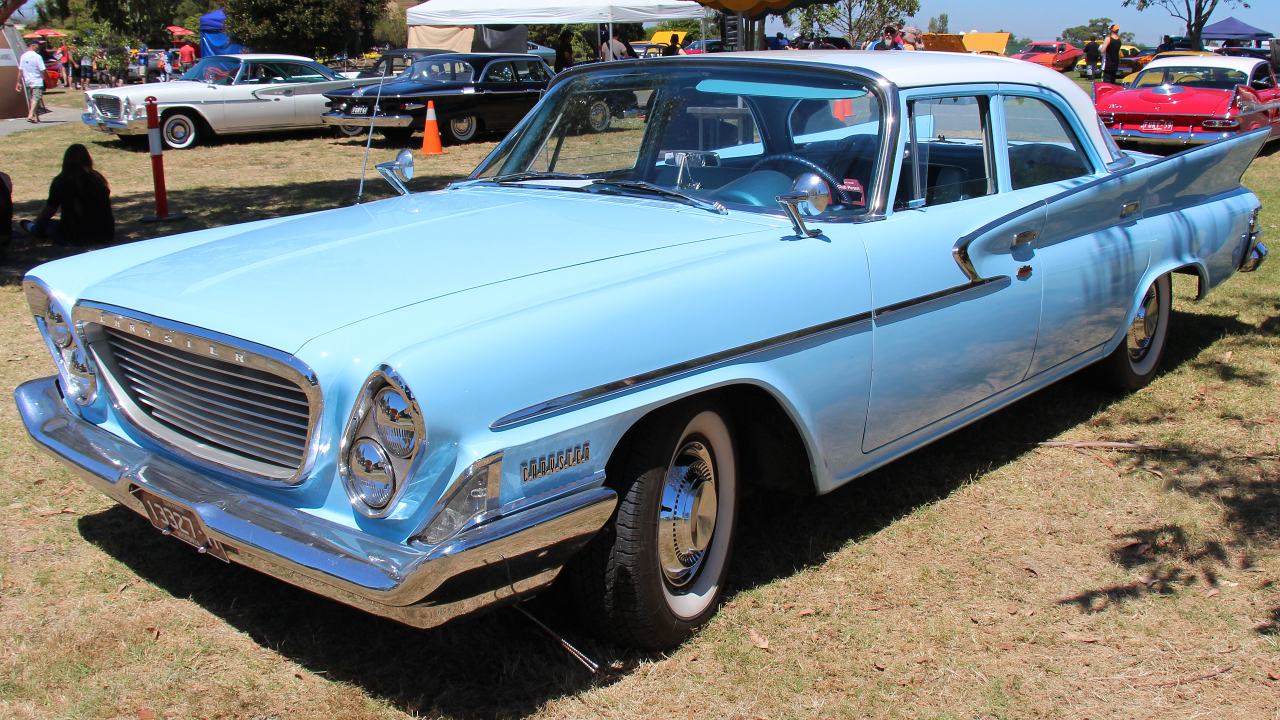
To understand what a Newport 440 sells for now, I look first at broad market tracking for the Chrysler Newport line, then at specific valuations tied to cars with the 440 engine. Aggregated sales data for the Chrysler Newport from 1941 to 1981 shows that the model spans a wide range of prices, reflecting differences in generation, body style, condition, and powertrain. Earlier cars, rare body configurations, and top-condition examples sit at the higher end of the spectrum, while more common sedans and driver-quality cars remain relatively affordable compared with many contemporary muscle models.
More targeted analysis of engine-per-dollar value helps narrow in on what a Newport 440 commands in the current market. A recent look at “biggest engines for the least money” highlights a 1970 Chrysler Newport 4-Door Sedan with a 440cid/375hp Engine and assigns a Condition #2 value of $10,600, which works out to $24.09 per cubic inch, or $24.09 when rounded to the nearest cent. That figure, tied specifically to a 1970 Chrysler Newport 4-Door Sedan with the 440, suggests that even a very good example of a Newport 440 remains far less expensive than many smaller, more famous muscle cars with the same displacement. For buyers focused on maximum cubic inches per dollar, the Newport 440 stands out as one of the most cost-effective ways to experience the 440 cu in (7.2 L) RB in a comfortable, usable package.
Why the Newport 440 remains a sleeper buy
When I compare the Newport 440’s pricing with its mechanical pedigree, it becomes clear that this car is still undervalued relative to its hardware. The same 440 that powered high-profile performance models is present here, yet the Newport’s image as an “entry-level” full-size Chrysler keeps demand and prices in check. The Condition #2 valuation of $10,600 for a 1970 Chrysler Newport 4-Door Sedan with a 440cid/375hp Engine shows that collectors can access serious big-block performance for a fraction of what similarly powered coupes and convertibles often bring, even as interest in 1960s and 1970s American iron continues to rise.
At the same time, the long production run of both the Chrysler Newport and the 440 cu in (7.2 L) RB from 1965 until 1978 means there is a relatively deep pool of cars and parts, which helps keep ownership costs manageable. Historical overviews of the Chrysler Newport emphasize its role as a mainstream full-size model from 1961, while engine histories underline how the 440 remained in production through the late 1970s as the last version of the Chrysler RB block. That combination of availability, durability, and modest pricing is why I see the Newport 440 as a classic that still offers genuine value, especially for enthusiasts who care more about displacement and highway comfort than about badges or drag-strip bragging rights.