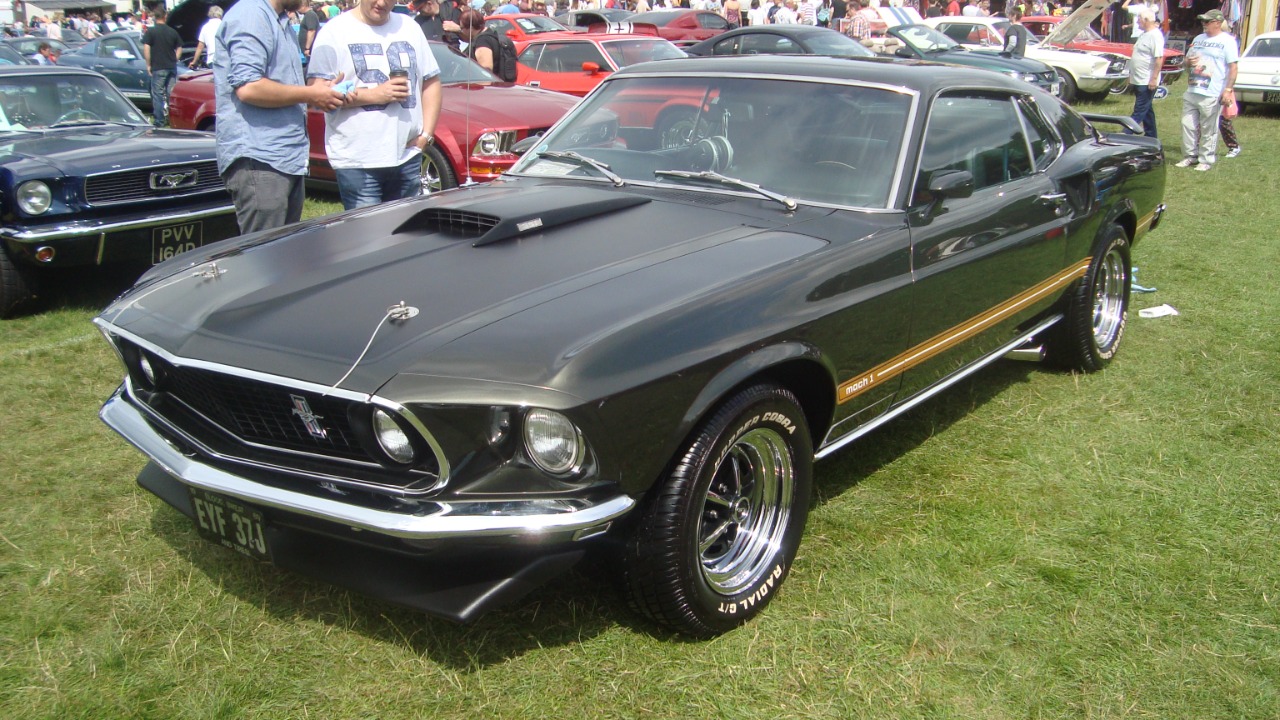
The 1969 Ford Mustang Mach 1 did not just slip into dealerships as another trim line, it arrived as a statement that the pony car era had reached a new level of aggression and polish. When that fastback body met a purpose-built performance package, showroom floors suddenly had a Mustang that looked and felt like it had driven straight off a Trans-Am grid. I want to trace how that moment came together, and why the Mach 1’s first model year still feels like the point when Ford’s showroom star turned into something closer to a street-legal race car.
The moment the Mach 1 nameplate arrived
By the late 1960s, Ford understood that the Mustang needed a sharper edge to keep pace with rivals, and the Mach 1 badge became the company’s answer. The name first appeared for the 1969 model year, when Ford rolled out a fastback package that bundled performance hardware with visual drama, from hood scoops to striping that made the car look quick even at idle. In August of that year the Mach 1 specification formally joined the Mustang lineup, and from that point through 1978 it remained a recurring presence in Ford showrooms, a sign that the company saw long term value in a performance focused sub-brand rather than a one year experiment.
When I look at the Mach 1 story in full, that initial launch reads like the opening chapter of a nameplate Ford would keep revisiting whenever it wanted to remind buyers what a serious Mustang looked like. After the original run ended in the late 1970s, the badge went quiet for decades before returning for a short stint in the early 2000s and then again between 2021 and 2023, each time positioned as a bridge between everyday GT models and more extreme track specials. That continuity, stretching from the first appearance in August 1968 for the 1969 model year through its later revivals, is why the Ford Mustang Mach 1 feels less like a single car and more like a recurring thesis on what a Mustang should be when Ford leans into speed.
How Ford’s factories geared up for 1969
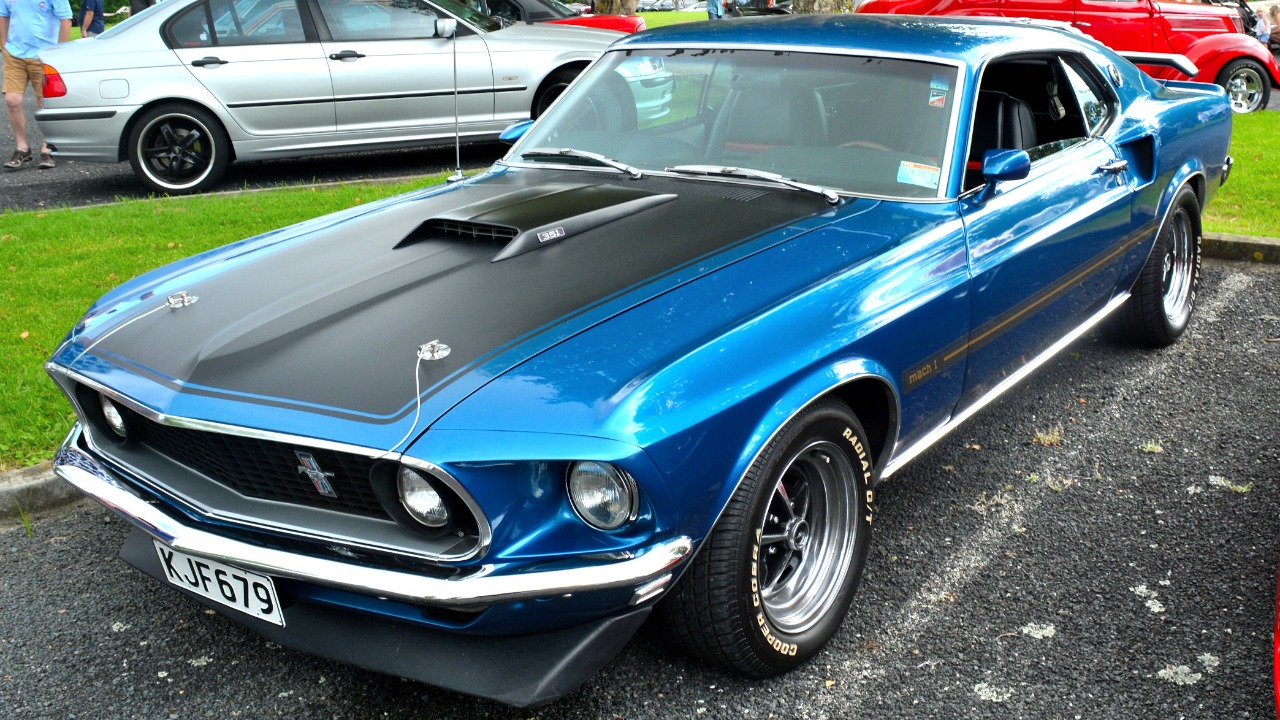
Behind the polished brochures and dealer ads, the 1969 Mach 1’s arrival depended on a very practical question, which was when Ford could actually start building the new model year. The shift from 1968 to 1969 production meant retooling for a restyled body, new trim packages and the Mach 1’s specific equipment, and that changeover did not happen overnight. Inside enthusiast circles, owners and historians have spent years comparing door tag codes and plant records to pin down when the first 1969 cars rolled off the line, because that timing shapes which early cars can claim to be among the very first Mach 1s to reach customers.
One detailed discussion of those early build dates, Started by Bigfoot on a forum where the user is listed as a SAAC Member and Hero Member, digs into when Ford’s plants actually began producing the 1969 Mustang. In that thread, which notes the figures 35 and 32 in the context of posts and participation, enthusiasts try to reconcile paperwork with surviving cars to understand how quickly the new model year ramped up. I find that kind of granular detective work revealing, because it shows how the Mach 1’s showroom takeover was not just a marketing event, it was a logistical milestone that required Ford to synchronize engineering, assembly and distribution so that dealers could unveil the new performance model in a coordinated wave.
Why the Mach 1 package reshaped the showroom Mustang
When customers first walked into a Ford dealership and saw a 1969 Mach 1 parked next to a standard coupe, the difference was immediate. The Mach 1 package wrapped the fastback body in blackout paint, hood pins and bold striping, then backed up the look with performance oriented suspension and engine options that made the car feel more planted and responsive than a base V8 Mustang. I see that combination of visual theater and mechanical substance as the key reason the Mach 1 so quickly became the de facto “serious” Mustang on the lot, the one salespeople steered enthusiasts toward when they asked for the quickest version that still felt livable day to day.
That positioning mattered because it carved out a new middle ground in Ford’s performance hierarchy. On one side sat the regular GT models, which offered V8 power but less focused hardware, and on the other side were limited production specials that leaned heavily toward racing. The Mach 1 slotted neatly between them, with enough comfort and equipment to serve as a daily driver while still signaling that its owner had chosen something more purposeful than a commuter coupe. In practice, that meant the Mach 1 often became the showroom centerpiece, the car that drew people in off the sidewalk and then anchored the sales pitch for the rest of the Mustang range.
The 1969 Mach 1’s legacy in later revivals
Looking back from today, I am struck by how faithfully later Mach 1 editions echoed the template set in 1969. When Ford revived the badge in the early 2000s, the company again used it to create a Mustang that sat above the regular GT but below the most extreme track models, with styling cues and performance upgrades that nodded directly to the original fastback. That same logic guided the modern Mach 1 that appeared between 2021 and 2023, which borrowed hardware from contemporary high performance variants while presenting itself as a balanced, road friendly package rather than a stripped out racer.
Those revivals only work because the first generation Mach 1 established such a clear identity in showrooms. The 1969 car taught buyers to associate the name with a specific blend of power, handling and visual drama, and that association has survived shifts in styling, safety rules and engine technology. When I see a modern Mach 1 parked at a dealership, I still recognize the basic promise that defined the original: a Mustang that looks like it belongs on a grid, yet is built to be driven home, parked in a driveway and lived with every day.
Why that first showroom season still matters
For enthusiasts who pore over build sheets and door tags, the 1969 Mach 1’s debut season is a puzzle of dates, plant codes and option combinations. For everyone else, it is the moment when the Mustang’s public image tilted decisively toward performance, with a car that made the showroom itself feel more like a pit lane. I think that is why stories about early production, from the August launch timing to debates over the first cars off the line, continue to resonate so strongly among owners and historians.
More than half a century later, the Mach 1’s first appearance still shapes how Ford thinks about special edition Mustangs and how buyers read the badges on a fender. The 1969 model year proved that a carefully curated package could transform a familiar shape into something that felt new, focused and aspirational, without losing the everyday usability that made the Mustang a hit in the first place. When the Mach 1 took over showrooms, it did more than move units, it rewrote the script for what a factory performance car could be, and every later revival of the name is, in its own way, a tribute to that original leap.
More from Fast Lane Only: