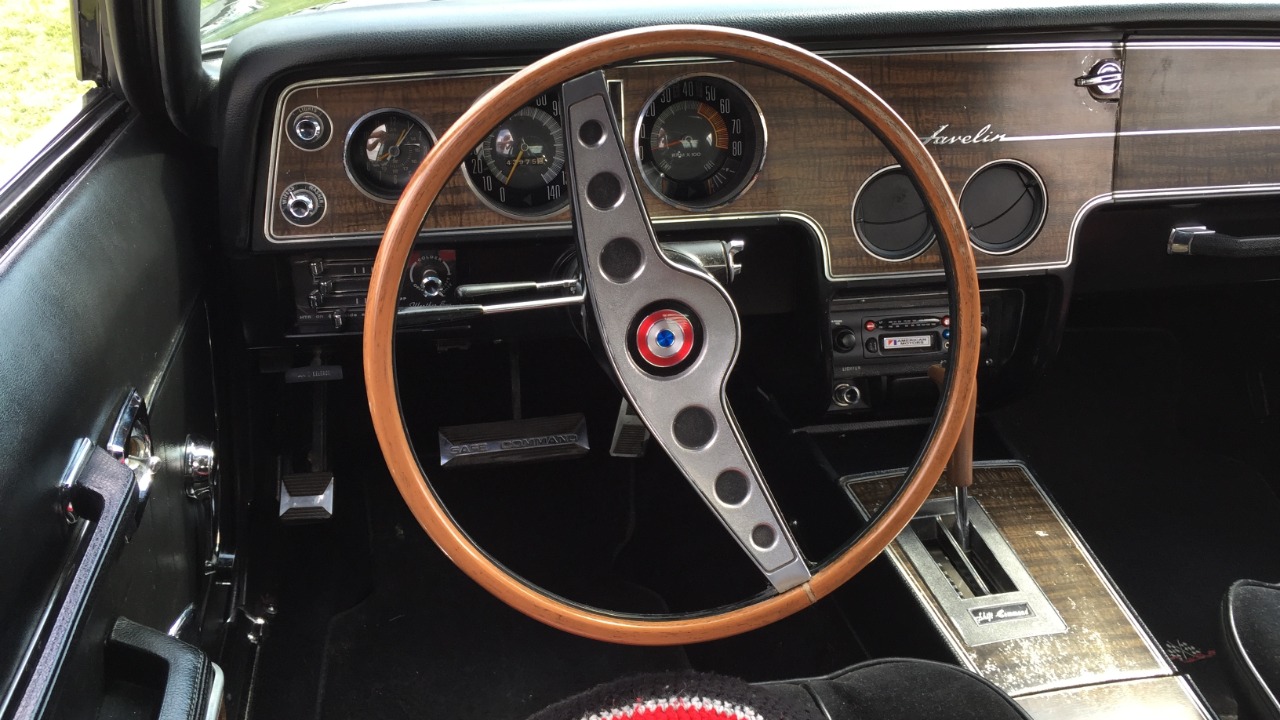
The advent of early automatic transmissions revolutionized the automotive industry and reshaped car ownership habits. By reducing the complexity of driving, these innovations made vehicles more accessible to a broader audience, significantly altering the landscape of car ownership.
The Evolution of Automatic Transmissions
Automatic transmission technology has a rich history, with its roots tracing back to the early 20th century. The first mass-produced automatic transmission was the Hydra-Matic, introduced by General Motors in 1940. This groundbreaking technology allowed drivers to experience a smooth transition between gears without the need for manual shifting. Unlike traditional manual transmissions, which required drivers to engage the clutch and shift gears manually, the Hydra-Matic provided a level of convenience that quickly garnered attention.
The user experience between manual and automatic transmissions is markedly different. Manual transmissions often engage driving enthusiasts who enjoy the tactile connection between the driver and the vehicle. However, for many, the complexities of mastering a manual gearbox can be daunting. Automatic transmissions alleviate this stress, allowing for a more relaxed driving experience. As technology progressed, innovations in automatic transmission systems improved their reliability and performance, leading to advanced variants like the continuously variable transmission (CVT) and dual-clutch systems, enhancing both efficiency and responsiveness.
Accessibility and Convenience for Drivers
One of the most significant impacts of automatic transmissions was their ability to lower the barrier to entry for new drivers. Historically, driving was often seen as a male-dominated activity, with women and the elderly facing challenges in learning to drive manual vehicles. Automatic transmissions changed this narrative, making driving more accessible and inviting a more diverse group of individuals into the car ownership fold. For instance, the 1950s saw a surge in women obtaining driver’s licenses, partly due to the popularity of models like the 1953 Chevrolet Corvette, which featured automatic options.
Furthermore, the ease of operation associated with automatic vehicles significantly reduced driver fatigue, especially during daily commutes in congested urban environments. The smooth gear transitions allowed for a more relaxed driving experience, making long-distance travel more appealing. As a result, consumer preferences began shifting towards vehicles that prioritized comfort and convenience, often at the expense of sporty performance. The 1966 Ford Mustang, for example, offered an automatic transmission option that appealed to buyers looking for an easy-to-drive vehicle without sacrificing style.
Changing Demographics of Car Owners
The rise of automatic transmissions also coincided with demographic shifts in car ownership. The post-World War II era saw suburban expansion, leading to a new wave of car buyers, particularly families seeking reliable and comfortable vehicles. The automatic transmission became a selling point for manufacturers targeting this demographic. The 1960s and 1970s witnessed a significant increase in suburban families purchasing cars, with the Ford Country Squire station wagon and the Buick Electra 225 becoming popular choices for their spacious interiors and automatic options.
Moreover, younger, less experienced drivers were drawn to automatic vehicles, as they required less skill to operate. This demographic shift influenced car manufacturers to tailor their marketing strategies, emphasizing ease of use and convenience. Brands like Honda and Toyota began to dominate the market by offering compact cars with automatic transmission options, appealing to first-time buyers in the 1980s and 1990s. Models such as the Honda Civic and Toyota Corolla became symbols of reliability and accessibility, further solidifying the automatic transmission’s place in the market.
Economic Implications of Ownership Patterns
The growing popularity of automatic vehicles had tangible effects on car sales statistics and market trends. In the 1950s, automatic transmissions were available in only a handful of models, but by the 1980s, over 90% of cars sold in the United States were equipped with automatic transmissions. This shift dramatically altered the automotive landscape, as manufacturers began focusing on automatic options to meet consumer demand. The increased production of automatic vehicles also influenced pricing strategies, making them more accessible to a broader range of buyers.
Resale value and depreciation trends also shifted with the rise of automatic vehicles. Cars equipped with automatic transmissions typically retained higher resale values compared to their manual counterparts. For example, a 2015 Honda Accord with an automatic transmission might command a better price in the used market than a similar model with a manual gearbox. Additionally, insurance rates and maintenance costs for automatic vehicles often differ from those of manual cars, as the complexity of automatic systems may lead to higher repair costs but also more comprehensive coverage options.
Cultural Shifts and Lifestyle Changes
The introduction of automatic transmissions influenced perceptions of driving and car culture, especially in the mid-20th century. The convenience offered by these vehicles allowed people to embrace driving as a leisurely activity rather than just a means of transportation. As road trips grew in popularity, automatic cars became synonymous with freedom and adventure. The classic 1960s VW Beetle, for instance, became an iconic symbol of the counterculture movement, appealing to a younger generation eager for exploration without the hassle of manual shifting.
Media representation also played a significant role in shaping perceptions around automatic transmission vehicles. Movies and television shows began showcasing these cars as symbols of modern living. In films like “American Graffiti” (1973) and “Cars” (2006), automatic vehicles were portrayed as accessible and desirable, further embedding them in the cultural zeitgeist. This shift in representation contributed to a broader acceptance of automatic transmissions and reinforced their connection to the evolving American lifestyle.
Future Trends in Transmission Technology and Ownership
As we look toward the future, developments in automatic transmission technology continue to evolve. Innovations such as continuously variable transmissions (CVTs) and dual-clutch systems are becoming increasingly common, enhancing fuel efficiency and performance. For instance, the 2021 Toyota RAV4 utilizes a CVT, allowing for seamless acceleration and improved gas mileage. These advancements are likely to further solidify the automatic transmission’s dominance in the automotive market.
Moreover, the rise of electric and autonomous vehicles presents new possibilities for car ownership habits. As manufacturers focus on electric powertrains, traditional transmission systems may become less relevant. Companies like Tesla and Rivian are leading the charge, with electric vehicles that often eschew conventional transmissions altogether. The potential for new ownership models, such as ride-sharing and subscription services, could be influenced by the ease of driving electric automatic vehicles, making car ownership even more flexible and accessible.
More from Fast Lane Only
- Unboxing the WWII Jeep in a Crate
- 15 rare Chevys collectors are quietly buying
- 10 underrated V8s still worth hunting down
- Police notice this before you even roll window down
*Research for this article included AI assistance, with all final content reviewed by human editors.