Giorgetto Giugiaro is often hailed as one of the most influential automotive designers in history. His work has shaped the visual identity of numerous iconic vehicles, yet many may not fully appreciate the extent of his impact on automotive design and culture.
The Legacy of Giugiaro’s Design Philosophy
Giorgetto Giugiaro’s design philosophy is characterized by a unique blend of aesthetics and functionality, allowing him to create vehicles that are not only visually striking but also practical for everyday use. His designs often prioritize user experience, incorporating elements that enhance comfort and usability without compromising on style. This approach became especially significant during the 1960s and 1970s when automotive design began to shift from the extravagant and flamboyant styles of the past to a more streamlined and efficient aesthetic. Giugiaro’s ability to balance these aspects has left a lasting impression on the industry, pushing the boundaries of what a car could be.
Moreover, Giugiaro’s work has profoundly influenced subsequent generations of automotive designers. His pioneering methods and principles are taught in design schools worldwide, inspiring new talent to innovate and challenge the status quo. The importance of his design philosophy cannot be overstated; it has not only shaped individual vehicles but also transformed the entire automotive landscape. His designs have become a benchmark, serving as a source of inspiration for countless designers who have followed in his footsteps.
Iconic Vehicles and Their Lasting Impact
Among Giugiaro’s most famous designs are the Volkswagen Golf and the DeLorean DMC-12. The Volkswagen Golf, first introduced in 1974, quickly became a symbol of practicality and efficiency, appealing to a broad audience. Its compact size and distinctive design set a new standard for hatchbacks and paved the way for a multitude of subsequent models. The DMC-12, famous for its gullwing doors and appearance in the “Back to the Future” trilogy, captured the imagination of many and solidified Giugiaro’s reputation for creating vehicles that are not only functional but also culturally iconic.
These vehicles have had a significant impact on modern automotive design, setting benchmarks that continue to influence contemporary car manufacturing. The Golf’s success has led to the development of various successors that maintain its core principles while adapting to changing consumer preferences. Similarly, the DMC-12’s unique features have inspired other automakers to experiment with unconventional designs, showcasing how Giugiaro’s vision has permeated the industry.
Innovations in Automotive Design
Giorgetto Giugiaro’s contributions to automotive design extend beyond aesthetics; he has been a pioneer in several key innovations. His work on aerodynamics is particularly noteworthy. By prioritizing streamlined shapes, Giugiaro created vehicles that not only look good but also achieve better fuel efficiency and performance. For instance, the Alfa Romeo Giulia is a prime example of how his design principles have led to vehicles that are not only visually appealing but also aerodynamically efficient.
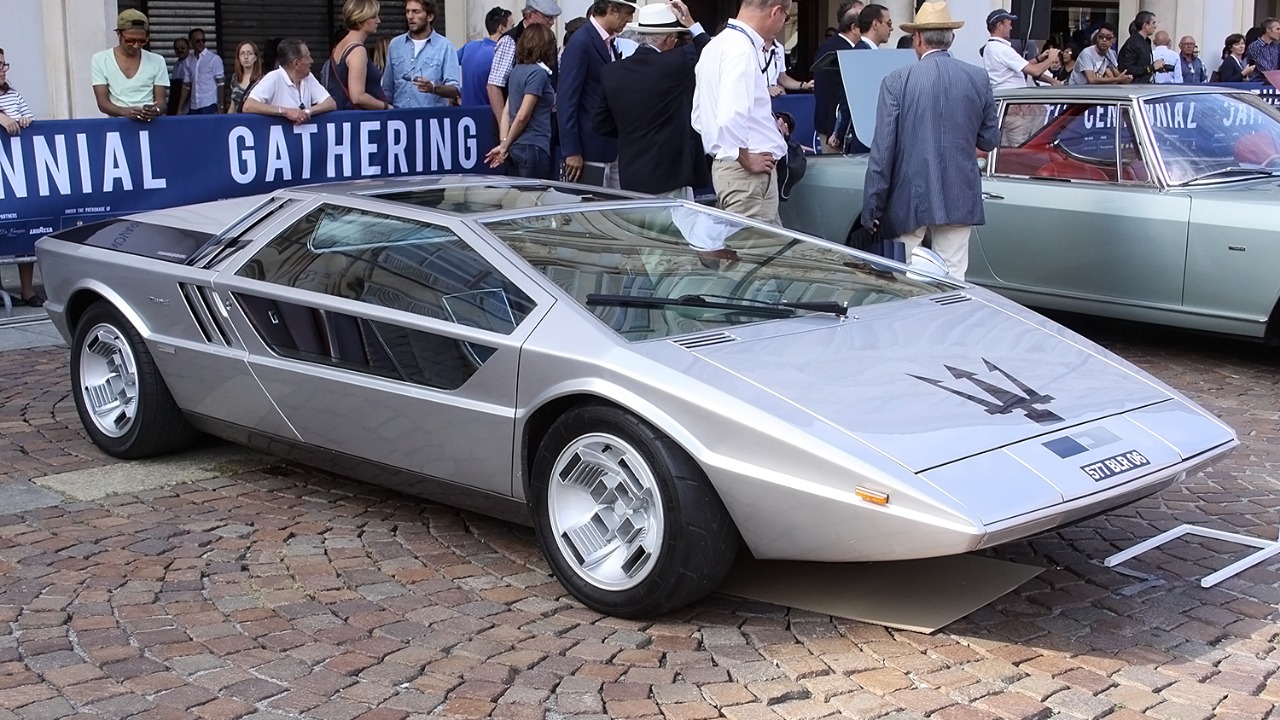
Moreover, Giugiaro was ahead of his time in integrating technology into design. He anticipated trends such as digital interfaces and electric vehicle aesthetics long before they became mainstream. For example, the design of the Maserati Boomerang in the 1970s showcased a futuristic design language that anticipated the needs of modern drivers. This visionary approach has made Giugiaro’s work relevant even as the automotive landscape evolves, demonstrating his ability to foresee and adapt to changing trends.
Collaborations and Their Broader Influence
Giugiaro’s partnerships with major automotive manufacturers have played a crucial role in shaping brand identities through cohesive design language. His collaborations with companies like Fiat, Alfa Romeo, and Maserati have produced vehicles that not only met the demands of consumers but also became defining models for their respective brands. For instance, the Fiat Panda, designed in the early 1980s, became a symbol of practicality and efficiency, showcasing Giugiaro’s ability to create designs that resonate with a wide audience.
These collaborations have led to the production of vehicles that serve as benchmarks in their segments. The Alfa Romeo Giulia and the Maserati Ghibli are just two examples of how Giugiaro’s design philosophy has influenced modern automotive aesthetics, setting high standards for performance, style, and user experience. His ability to create a cohesive brand identity through design has had a lasting impact on the automotive industry, making him a sought-after collaborator for manufacturers looking to elevate their product offerings.
The Unsung Heroes: Lesser-Known Designs
While Giugiaro is often celebrated for his iconic designs, many lesser-known models also hold significant influence. For instance, the Isuzu Piazza and the Hyundai Pony are examples of vehicles that may not be as widely recognized but played a vital role in their respective markets. These models showcased Giugiaro’s forward-thinking design principles and helped to establish new trends in automotive styling and engineering.
These lesser-known designs have had a profound impact on niche markets and specific automotive segments. By pushing the boundaries of conventional design, Giugiaro opened the door for innovation in areas that were previously overlooked. This has paved the way for modern manufacturers to explore new possibilities, leading to the development of vehicles that cater to diverse consumer needs and preferences.
The Future of Automotive Design and Giugiaro’s Influence
As we look to the future of automotive design, it’s clear that Giugiaro’s principles will continue to shape the industry. His emphasis on functionality, aesthetics, and user experience remains relevant as manufacturers increasingly focus on sustainability and electric vehicle design. The rise of electric vehicles presents an opportunity for designers to innovate and rethink traditional automotive aesthetics, and Giugiaro’s legacy will undoubtedly serve as a guiding light for future generations.
Furthermore, the relevance of Giugiaro’s ideas in the context of sustainability cannot be overstated. As the automotive industry faces increasing pressure to reduce carbon emissions and embrace eco-friendly technologies, the principles that Giugiaro pioneered—efficiency, aerodynamics, and user-centric design—will be crucial in developing the next generation of vehicles. His foresight in integrating technology and design will continue to inspire manufacturers as they navigate this evolving landscape.
Reflecting on Giugiaro’s impact, it’s evident that preserving his legacy is essential for the future of automotive design. His work has not only transformed the visual identity of vehicles but also influenced the very way we think about transportation. As we venture into a new era of automotive innovation, the principles established by Giugiaro will remain a cornerstone of design philosophy, ensuring that his influence endures for years to come.
More from Fast Lane Only
- Unboxing the WWII Jeep in a Crate
- 15 rare Chevys collectors are quietly buying
- 10 underrated V8s still worth hunting down
- Police notice this before you even roll window down
*Research for this article included AI assistance, with all final content reviewed by human editors.