Direct-injection engines were introduced with a promise that sounded ideal: more power, better fuel efficiency, and cleaner emissions, all from a more precise way of delivering fuel. On paper, the concept was a clear upgrade over older port-injection systems. In practice, mechanics have noticed a pattern that has become increasingly common in workshops—certain direct-injection engines develop carbon buildup, rough idle, and fuel system issues earlier than expected.
This does not mean direct injection is inherently flawed. Rather, it reflects a trade-off in engineering priorities, where efficiency and performance gains sometimes come at the cost of long-term intake cleanliness and component stress.
Fuel is no longer cleaning the intake system
In traditional port-injection engines, fuel is sprayed into the intake ports before entering the combustion chamber. As it passes through, gasoline helps wash away small deposits of oil vapor and carbon buildup on intake valves.
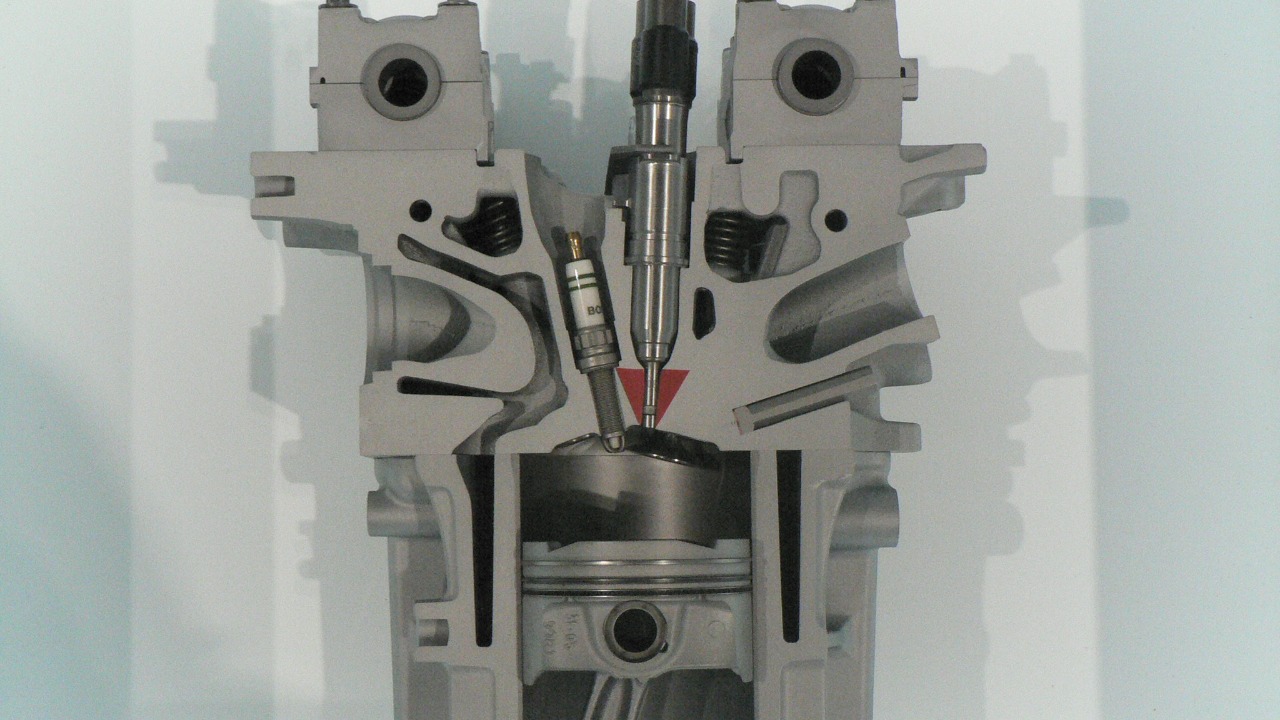
Direct-injection engines change that process entirely. Fuel is injected directly into the combustion chamber, bypassing the intake valves completely. While this improves combustion efficiency and allows for higher compression and more precise fueling, it also removes the natural “cleaning effect” that older systems provided.
Over time, oil vapors from the crankcase ventilation system and residual combustion gases begin to accumulate on intake valves. Without fuel washing over them, these deposits build up more quickly.
Carbon buildup on intake valves became a defining issue
One of the most well-documented problems mechanics see is intake valve carbon buildup. As deposits accumulate, airflow becomes restricted and combustion efficiency drops.
This can lead to symptoms such as rough idling, hesitation during acceleration, misfires, and reduced fuel economy. In more severe cases, the buildup can become thick enough to require manual cleaning methods such as walnut blasting.
Engines that are driven primarily in short trips or urban conditions often experience this issue earlier, since they spend more time operating under low-temperature and low-load conditions that encourage deposit formation.
High-pressure fuel systems introduced new failure points
Direct-injection systems rely on high-pressure fuel pumps and finely tuned injectors that operate under significantly greater stress than traditional fuel systems.
While these components are designed for precision and efficiency, they also operate at extremely high pressures, which increases wear over time. When issues occur, they can be more expensive to diagnose and repair compared with older fuel systems.
Mechanics often note that failures in these systems tend to appear earlier in the vehicle’s life compared with simpler port-injection setups, especially when maintenance is inconsistent or fuel quality is poor.
Engine oil contamination plays a larger role
Because direct-injection engines operate at high pressures and often with leaner fuel mixtures, they can be more sensitive to combustion byproducts. In some cases, small amounts of fuel dilution or carbon particles can make their way into the oil system.
This increases the importance of timely oil changes. When maintenance intervals are stretched too far, oil degradation can accelerate wear on internal components such as timing chains, cam phasers, and turbochargers.
Mechanics frequently emphasize that oil quality and service intervals matter more in modern direct-injection engines than many drivers realize.
Turbocharging and direct injection often work together
Many modern engines combine direct injection with turbocharging to maximize efficiency and power output from smaller displacement engines. While this combination is highly effective, it also increases thermal and mechanical stress.
Turbochargers generate significant heat, and when combined with leaner combustion strategies, internal engine temperatures can rise under certain conditions. Over time, this can contribute to faster wear if cooling and lubrication systems are not maintained properly.
The result is a highly efficient engine that performs well, but requires more precise maintenance habits than older naturally aspirated designs.
Short trips and city driving accelerate issues
Mechanics consistently report that vehicles used primarily for short commutes or stop-and-go traffic show earlier signs of direct-injection-related problems.
Engines that rarely reach full operating temperature are more prone to carbon accumulation and oil contamination. In addition, frequent cold starts increase moisture and fuel residue inside the engine, both of which contribute to deposit formation.
Over time, this driving pattern can make direct-injection engines appear more problematic than they actually are under ideal operating conditions.
Manufacturers have responded with improvements
It is important to note that newer generations of direct-injection engines have addressed many early shortcomings. Some manufacturers now use dual-injection systems that combine port and direct injection to reduce carbon buildup.
Improved crankcase ventilation systems, better fuel injector designs, and updated software strategies have also helped reduce the severity of early issues seen in earlier designs.
As a result, reliability has generally improved, but the underlying design trade-offs still exist.
Maintenance plays a critical role in longevity
Direct-injection engines are more sensitive to maintenance quality than many older engine types. Regular oil changes with correct specifications, high-quality fuel, and periodic intake cleaning where necessary all play important roles in preventing early wear.
Ignoring these requirements can accelerate issues that might otherwise develop much later in the engine’s life.
Mechanics often stress that these engines are not fragile, but they are less forgiving of neglected maintenance.
A trade-off between efficiency and simplicity
The rise of direct injection represents a broader shift in automotive engineering. Manufacturers are constantly balancing performance, emissions, and fuel economy targets, often at the expense of mechanical simplicity.
Direct-injection engines deliver real advantages in efficiency and power density, but they introduce new maintenance considerations that older port-injection systems did not face.
Why mechanics notice the pattern so often
From the workshop perspective, the issue becomes visible when vehicles begin to accumulate mileage. Engines that were expected to run cleanly and efficiently begin showing intake restriction, fuel system wear, or combustion irregularities earlier than anticipated.
This creates the impression of “early failure,” even though many of the problems are related to deposit buildup rather than catastrophic engine breakdown.
Mechanics see the long-term consequences of these design choices more clearly than most drivers, which is why the pattern stands out in repair environments.
The modern engine is advanced—but more sensitive
Direct-injection engines are a product of modern engineering priorities. They are efficient, powerful, and capable of meeting strict emissions standards. However, their complexity and operating characteristics mean they require more attentive maintenance and driving habits.
The early issues seen in some engines are not signs of failure in design, but rather the natural result of pushing efficiency and performance into tighter tolerances.
For drivers, understanding these trade-offs is key. With proper care, direct-injection engines can still deliver long, reliable service—but they demand more awareness than the simpler systems they replaced.
More from Fast Lane Only
- Unboxing the WWII Jeep in a Crate
- 15 rare Chevys collectors are quietly buying
- 10 underrated V8s still worth hunting down
- Police notice this before you even roll window down
*Research for this article included AI assistance, with all final content reviewed by human editors