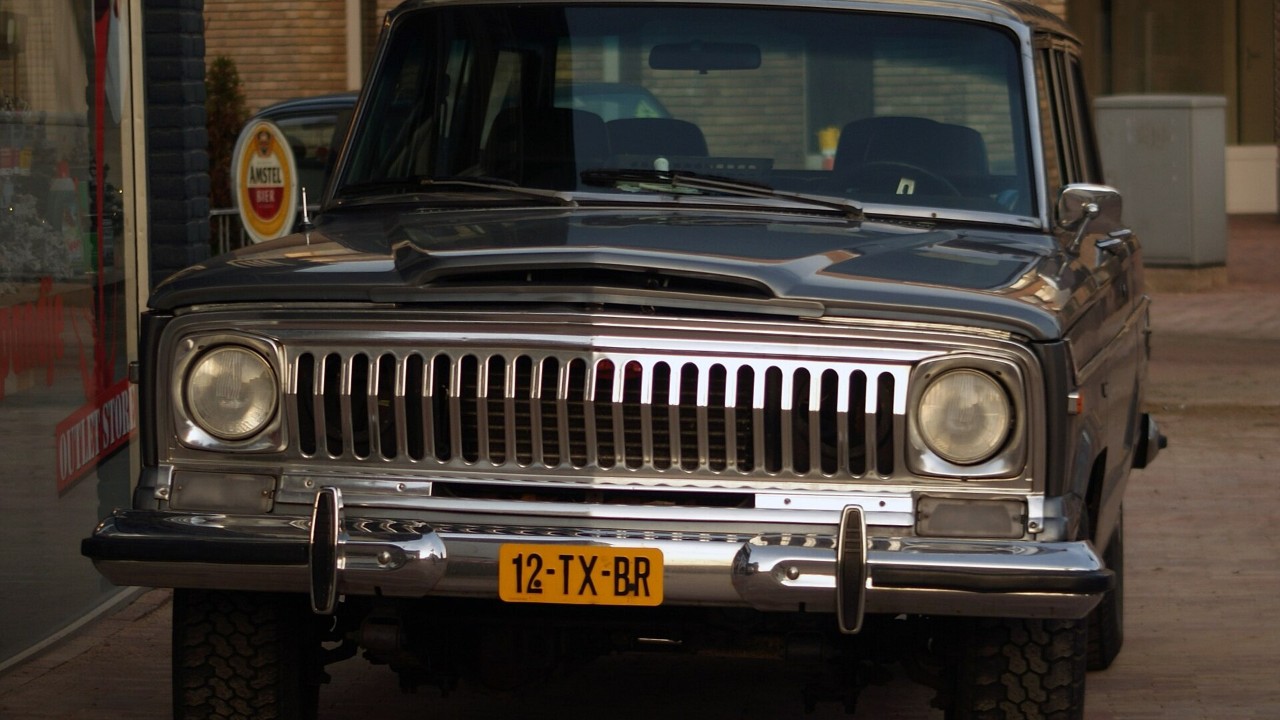
Some vehicles become timeless classics that seem to fit into any decade. Others remain so connected to a specific moment in automotive history that they instantly transport you back in time. Their styling, features, and overall character reflect the trends and priorities of the era that produced them. Whether they represent a design fad, a cultural movement, or a period of automotive excess, these vehicles feel permanently attached to their moment in history. Seeing one today is like spotting a rolling time capsule.
1983 Chevrolet Monte Carlo

The Chevrolet Monte Carlo perfectly captured the personal luxury coupe craze that defined much of the 1980s. Long hoods, plush interiors, and chrome accents were far more important than handling precision or fuel economy. Buyers wanted a car that projected style and comfort, and the Monte Carlo delivered exactly that. Its unmistakable silhouette and period-correct design make it one of the most recognizable symbols of 1980s American automotive culture, even decades after its heyday.
1990 Oldsmobile Silhouette

The Oldsmobile Silhouette arrived during a brief period when automakers believed family vehicles should look futuristic. Its dramatic windshield, aerodynamic body, and unconventional proportions made it stand out from traditional minivans. While the styling divided opinions, it perfectly reflected the industry’s fascination with space-age design during the early 1990s. Today, the Silhouette feels like a snapshot of an era when manufacturers were eager to convince buyers that the future had already arrived.
1997 Plymouth Prowler

Nothing captures the retro obsession of the late 1990s quite like the Plymouth Prowler. Inspired by classic hot rods but built with modern materials and technology, it represented a time when nostalgia was driving automotive design. The exposed front wheels and dramatic bodywork guaranteed attention wherever it went. Even now, the Prowler feels less like a traditional production car and more like a bold concept vehicle that somehow escaped onto public roads.
1991 Geo Tracker

Before crossovers became the default choice for families, the Geo Tracker offered a simple and affordable path to adventure. Small, lightweight, and available with a removable top, it prioritized fun over luxury. Buyers appreciated its approachable nature and genuine off-road capability. Modern SUVs have become larger and more sophisticated, making the Tracker feel even more tied to an era when sport utility vehicles were designed primarily for recreation and exploration.
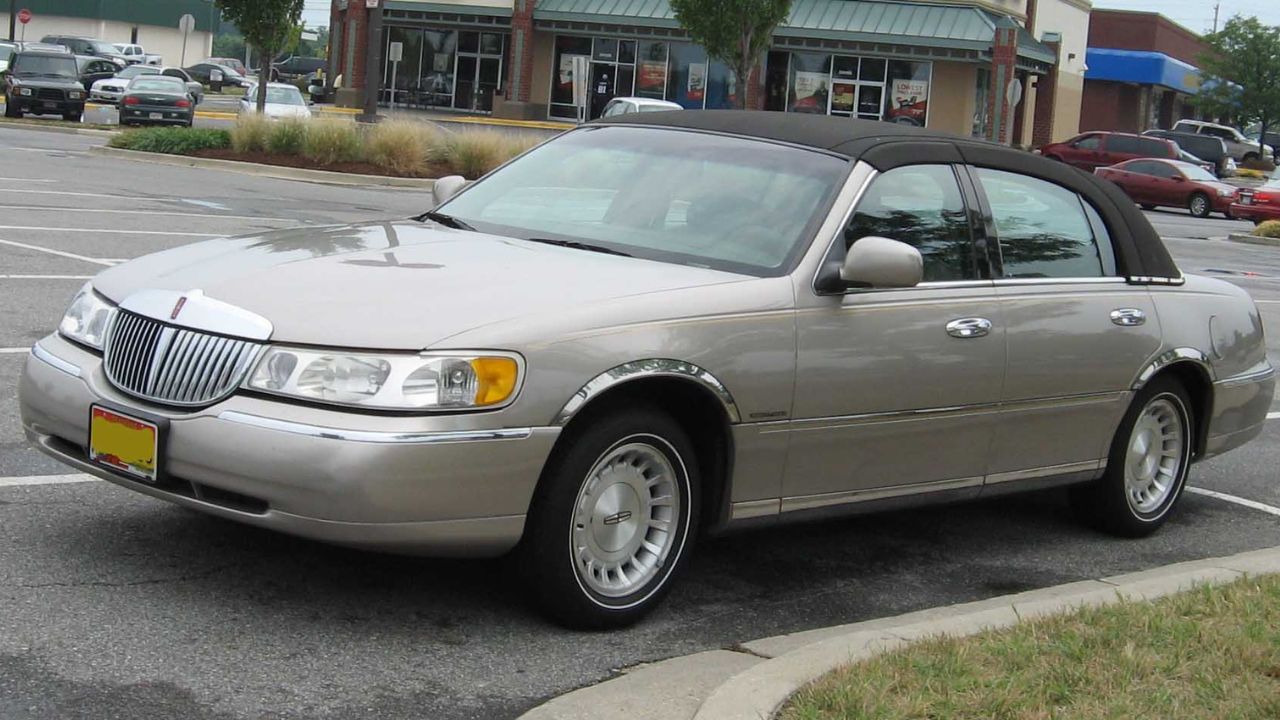
1998 Lincoln Town Car

The Lincoln Town Car represents a style of American luxury that has largely disappeared. Instead of focusing on performance or cutting-edge technology, it emphasized comfort, space, and a smooth ride. Favored by executives, chauffeurs, and retirees, it became synonymous with traditional luxury. Modern premium vehicles often prioritize sportiness, making the Town Car feel even more rooted in a period when quiet cruising and soft suspension tuning were the ultimate signs of refinement.
1993 Eagle Vision
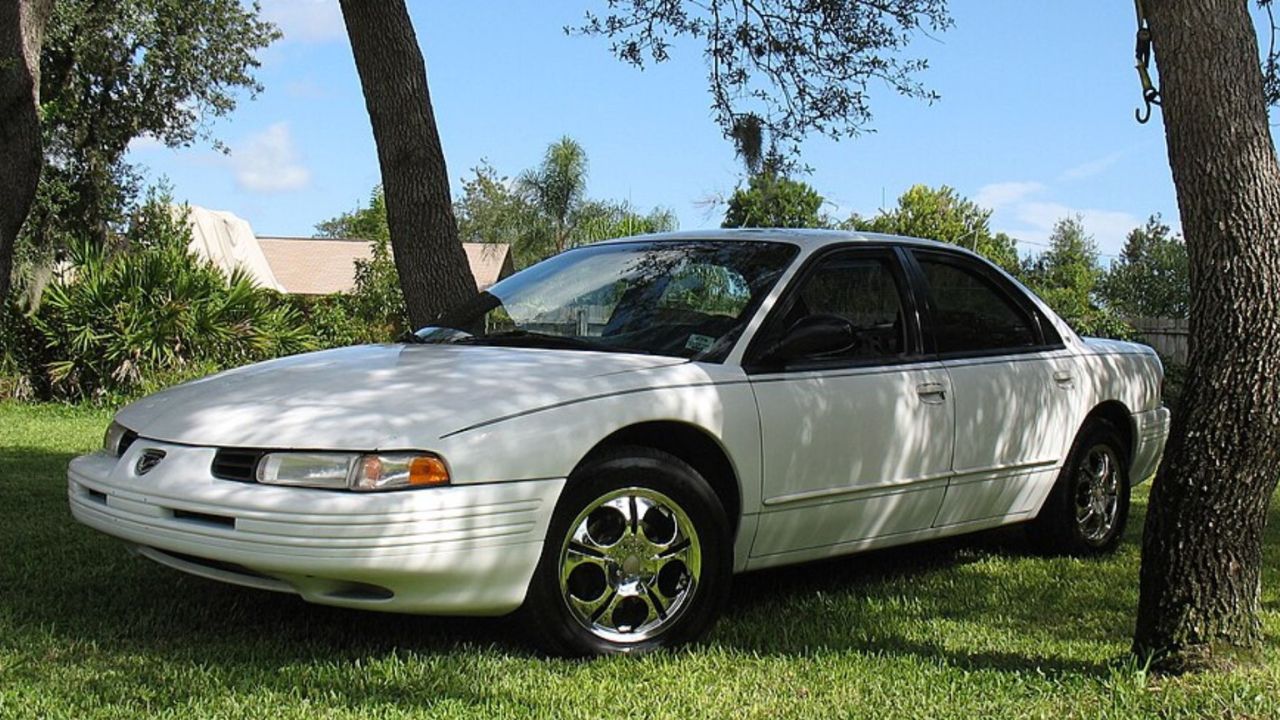
The Eagle Vision embodied Chrysler’s cab-forward design philosophy, one of the defining styling trends of the 1990s. Its sweeping windshield and streamlined profile looked futuristic compared to many contemporary sedans. The design maximized interior space while creating a bold visual identity. Looking back, the Vision serves as a reminder of a decade when automakers were experimenting with dramatic new shapes in an effort to redefine what a family sedan could be.
1985 Chevrolet Astro

The Chevrolet Astro came from an era when utility often mattered more than comfort or sophistication. Used by families, contractors, and businesses alike, it earned a reputation for durability and versatility. Its boxy shape and practical design reflected a time before crossovers transformed the market. Today, the Astro feels like a relic from a period when vehicles were expected to handle almost any task without worrying too much about luxury or style.
1996 Chrysler Sebring Convertible

The Chrysler Sebring Convertible became one of the defining affordable convertibles of its era. During the late 1990s, many buyers wanted open-air driving without paying luxury-car prices, and the Sebring filled that role perfectly. Its styling, features, and relaxed driving experience matched the mood of the time. Today, it serves as a reminder of an era when convertibles were far more common and accessible than they are now.
2003 Hummer H2
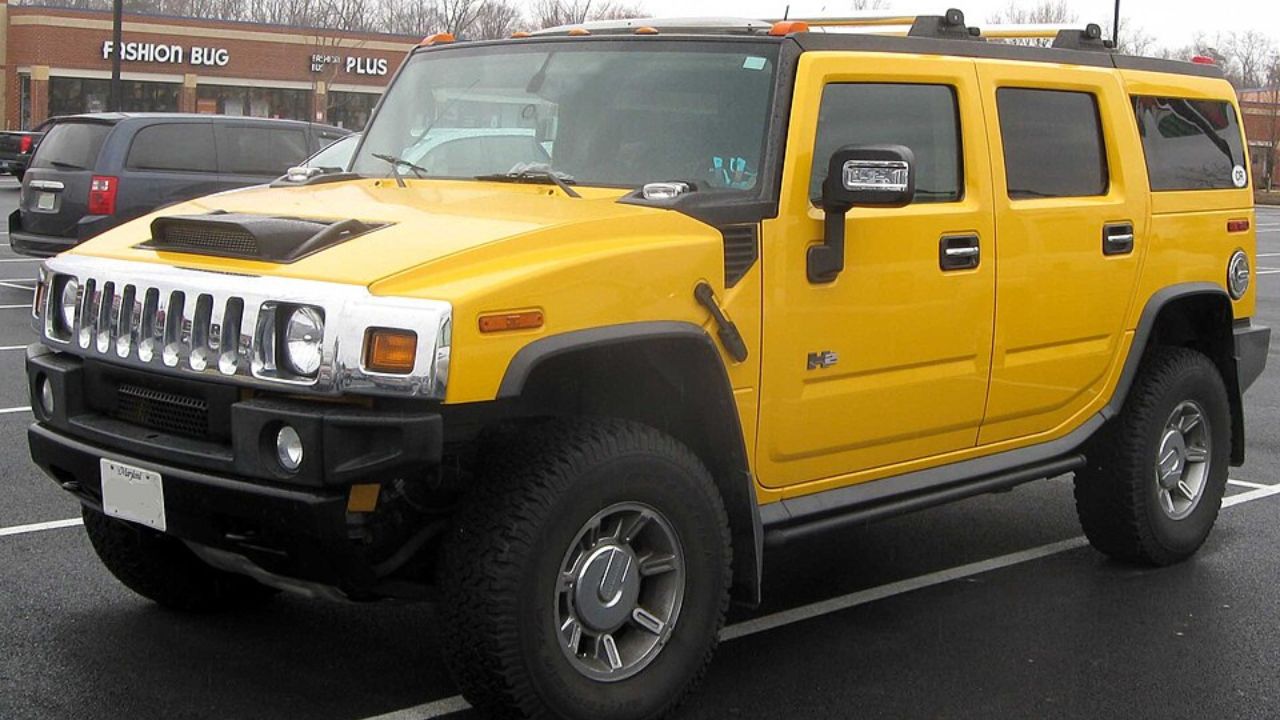
Few vehicles capture the excess of the early 2000s as completely as the Hummer H2. Massive dimensions, bold styling, and an unmistakable road presence reflected a period when bigger often seemed better. The H2 became a status symbol and cultural phenomenon, attracting buyers who wanted something impossible to ignore. As consumer priorities shifted toward efficiency and practicality, the H2 became an even clearer representation of its larger-than-life era.
More from Fast Lane Only