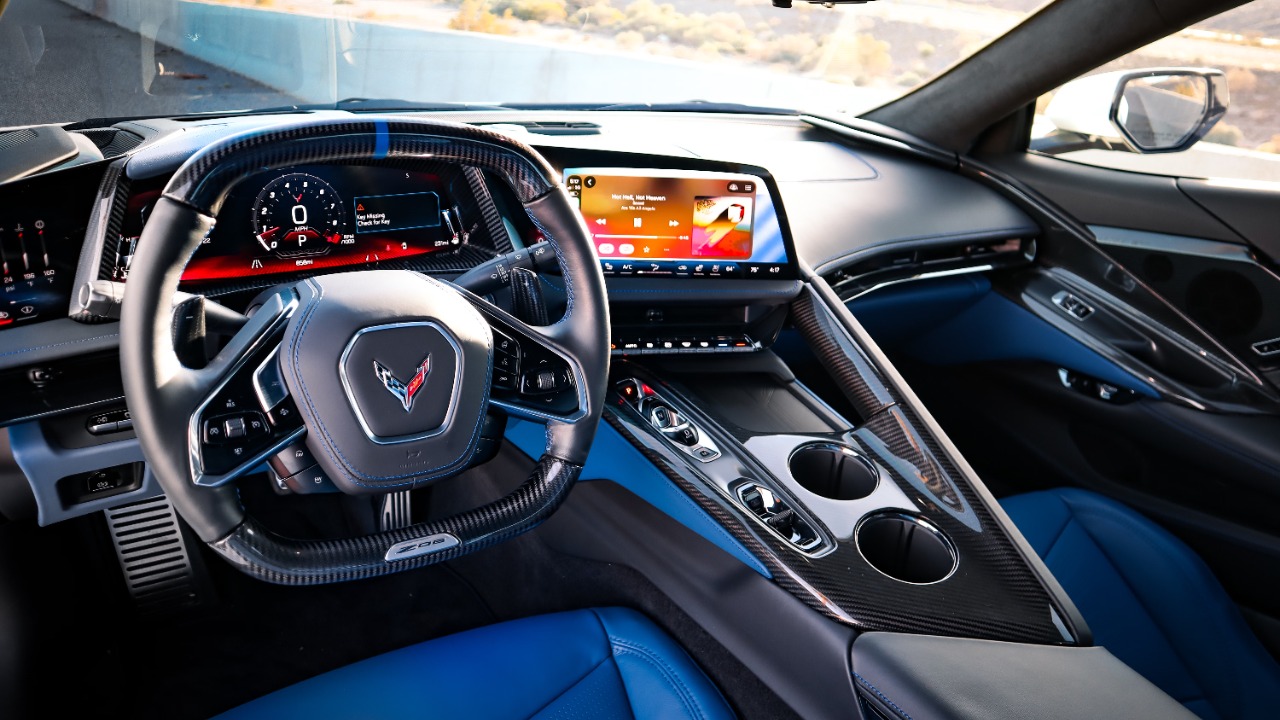
Despite its iconic status and performance capabilities, some drivers are hesitant to purchase a Chevrolet Corvette. Factors such as market trends, personal preferences, and the vehicle’s evolving design contribute to this reluctance, raising questions about the future of this American classic.
Performance vs. Practicality
When considering a vehicle purchase, many potential buyers prioritize practicality over performance. The Chevrolet Corvette, with its aggressive styling and focus on speed, may not fit the mold of a versatile daily driver. For individuals who require a car that can comfortably transport family, groceries, or sports gear, a muscle car with limited trunk space and an emphasis on high performance may seem like an impractical choice.
Moreover, concerns about fuel efficiency and maintenance costs can further deter buyers from opting for a Corvette. Traditional sports cars are often seen as gas guzzlers, and with rising fuel prices, the allure of performance can be overshadowed by the need for a car that won’t break the bank at the pump. Maintenance costs can also add up, especially for high-performance vehicles that require specialized care. These factors lead many to choose more economical options that can serve multiple purposes without the hefty price tag.
Changing Consumer Preferences
The automotive market is undergoing a significant transformation, largely driven by the rise of electric vehicles (EVs) and hybrids. As concerns about climate change and sustainability grow, many consumers are shifting their priorities away from traditional sports cars. Younger generations, in particular, are gravitating towards brands that align with their values, emphasizing sustainability and advanced technology over raw horsepower. This change in consumer preference has put pressure on manufacturers to innovate, and while the Corvette has made strides with its latest models, the allure of electric options like the Tesla Model S remains strong.
Additionally, the increasing popularity of SUVs and crossovers has impacted the demand for sports cars like the Corvette. With their higher seating positions, increased cargo space, and family-friendly features, these vehicles offer a practical alternative for many buyers. As a result, the once-coveted sports car segment feels the pinch, with many consumers opting for the versatility of an SUV over the performance of a coupe.
Cultural Perceptions
The Chevrolet Corvette is often associated with a particular demographic—typically older individuals or car enthusiasts—who may not resonate with younger, more diverse buyers. This cultural perception can alienate potential customers who might otherwise consider the Corvette. Stereotypes surrounding Corvette owners, often characterized as affluent retirees or mid-life crisis drivers, can further complicate the vehicle’s appeal to a broader audience.
Many younger consumers may prefer brands that project a more modern or inclusive image. The automotive industry is increasingly recognizing the importance of diversity and representation, and some consumers are drawn to companies that reflect their values and identities. As a result, the Corvette’s longstanding image could deter potential buyers who are looking for a vehicle that feels more aligned with their lifestyle and demographic.
Design and Features Concerns
While the design of the Corvette has evolved over the years, it has led to mixed reactions among enthusiasts and potential buyers alike. The introduction of the mid-engine C8 Corvette in 2020 marked a significant departure from its predecessors, aiming to enhance performance and handling. However, not all fans have embraced this change; some critics argue that the new design strays too far from the classic Corvette aesthetic that has captivated generations.
Moreover, the lack of a manual transmission option in the latest models has disappointed traditional driving enthusiasts who prefer the tactile experience of shifting gears themselves. As noted by many in the automotive community, the absence of this feature has raised questions about the Corvette’s commitment to preserving the driving experience that has defined its legacy. This shift towards automatic transmissions may feel like a compromise to those who value the art of driving.
Additionally, some drivers have expressed concerns about the interior quality and technology of the Corvette. While the exterior boasts a sleek and aggressive design, the interior has faced criticism for not matching the high-performance expectations set by the vehicle’s looks. Disappointment regarding materials and technological features can lead potential buyers to question the overall value of the car, especially in comparison to competitors that offer more luxurious interiors.
Market Competition
The market for high-performance sports cars is more competitive than ever, with a plethora of options available for discerning buyers. Iconic models like the Ford Mustang and Porsche 911 offer compelling alternatives to the Corvette, each with its own unique selling points. The Mustang, for example, has embraced modern technology and customization options, while the Porsche 911 is synonymous with luxury and precision engineering.
Price points and available features from these competitors can create hesitation among potential Corvette buyers. While the Corvette is often celebrated for its performance-to-price ratio, buyers might find better value in rival vehicles that come equipped with more advanced technology or a more luxurious driving experience. Consumer loyalty to other brands, shaped by personal experiences and perceptions, can also outweigh the allure of the Corvette’s legacy and performance.
Personal Experiences and Anecdotal Evidence
Personal experiences often play a significant role in shaping perceptions of a vehicle, and the Chevrolet Corvette is no exception. For instance, a recent story highlighted an owner who refuses to sell his 2024 Corvette, despite offers that would typically entice most sellers. This case underscores the passion that many enthusiasts feel for the vehicle; however, it also reveals mixed feelings about its long-term value. Such anecdotes illustrate how the emotional connection to a car can coexist with practical concerns about its resale potential.
Some buyers have voiced dissatisfaction with the Corvette’s resale value compared to other sports cars. While the Corvette is known for its performance, potential buyers may find that other models retain value better over time. Testimonials from enthusiasts often highlight their love for the driving experience but also reveal concerns about the vehicle’s practicality and everyday usability, creating a complex relationship between passion and reason.
As I dive deeper into the world of automotive culture, it’s clear that the Chevrolet Corvette remains a symbol of American performance. However, the shifting landscape of consumer preferences and perceptions presents challenges that the iconic brand must navigate. Ultimately, the decision to invest in a Corvette—or any sports car—boils down to individual priorities and experiences.
More from Fast Lane Only
- Unboxing the WWII Jeep in a Crate
- 15 rare Chevys collectors are quietly buying
- 10 underrated V8s still worth hunting down
- Police notice this before you even roll window down
*Research for this article included AI assistance, with all final content reviewed by human editors.