Turbocharged engines have become increasingly popular in the automotive industry, promising better fuel efficiency and performance. However, traditionalists remain skeptical, often viewing these innovations with a mix of apprehension and nostalgia. Understanding the reasons behind this nervousness reveals important insights into the future of driving and car culture.
The Shift from Naturally Aspirated to Turbocharged Engines
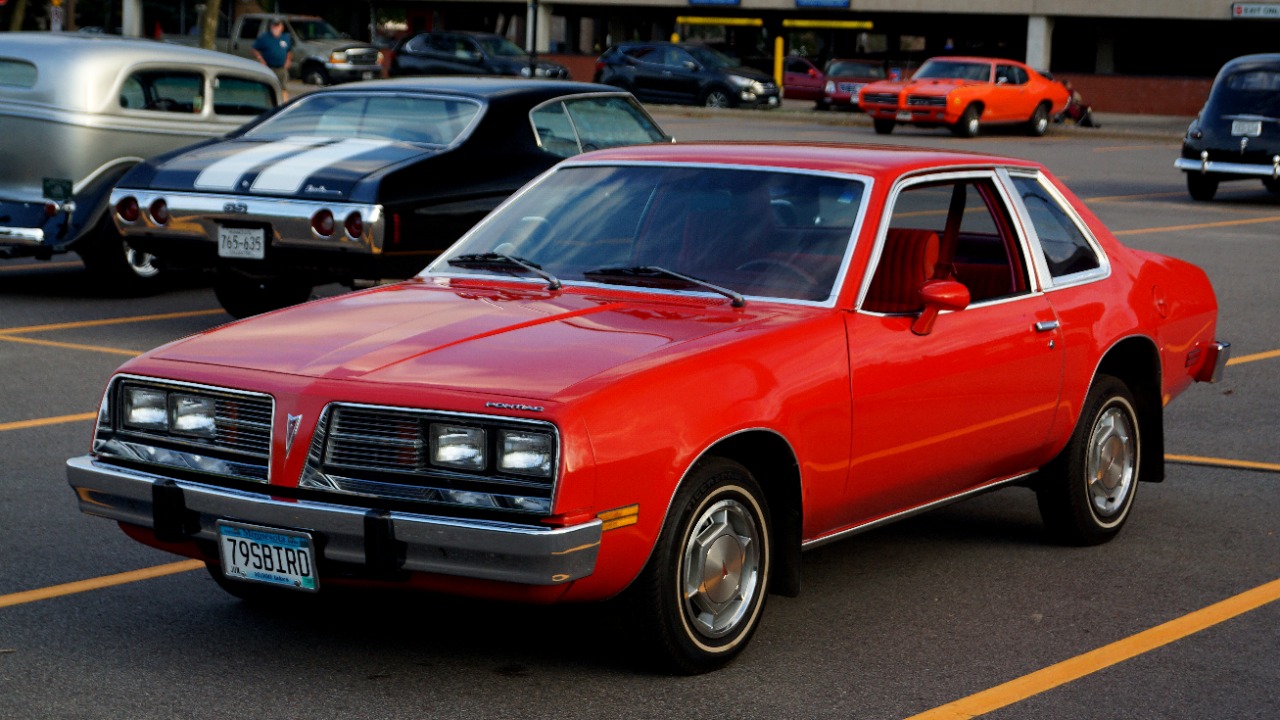
Historically, naturally aspirated engines have held a special place in the hearts of driving enthusiasts. From the raw power of classic muscle cars like the 1969 Ford Mustang with its 302 cubic inch V8 to the high-revving character of a Honda S2000, naturally aspirated engines offer a direct connection between the driver and the machine. They provide an immediate throttle response and a linear power delivery that many enthusiasts find engaging and exhilarating.
On the other hand, turbocharging has introduced a new paradigm, offering significant advantages like increased power output and improved fuel efficiency. For instance, the Ford EcoBoost engines found in models like the F-150 and Mustang provide impressive performance while consuming less fuel than their naturally aspirated counterparts. However, this shift has raised concerns among traditionalists who fear that the essence of driving—the visceral experience of feeling the engine’s power build and the clarity of its sound—may be lost in the process.
Reliability and Maintenance Concerns
One of the most significant concerns surrounding turbocharged engines is their perceived reliability compared to traditional setups. Many enthusiasts express skepticism about the longevity of turbo engines, citing the added complexity of turbocharging systems, which can lead to higher maintenance costs. For example, the turbocharged Volkswagen 2.0T engine, while powerful, has been notorious for issues related to carbon buildup and turbo failure. This has led many to question whether the trade-offs in performance are worth the potential for increased repairs.
Anecdotal evidence from car communities further fuels these concerns. Forums dedicated to specific models often feature threads discussing turbo-related failures, while users of naturally aspirated vehicles share stories of their engines lasting hundreds of thousands of miles with minimal issues. The fear of turbo failures and the associated costs can make traditionalists hesitant to embrace this new technology, leading them to hold onto their beloved naturally aspirated engines for as long as possible.
Driving Characteristics and Performance Dynamics
The driving characteristics of turbocharged engines differ significantly from those of their naturally aspirated counterparts. Turbo engines often exhibit a unique throttle response due to the nature of forced induction, which can lead to an experience that some drivers find less engaging. Turbo lag—the delay between pressing the accelerator and the engine delivering power—can disrupt the fluidity of driving, making the experience feel disconnected. For instance, the turbocharged Subaru WRX may deliver impressive power figures, but the lag can sometimes detract from the immediate thrill that a naturally aspirated engine provides.
Traditionalists often prefer the linear power delivery and responsiveness that naturally aspirated engines offer. The Honda Civic Type R, renowned for its naturally aspirated K20 engine, exemplifies how this power delivery contributes to a thrilling driving experience. Enthusiasts appreciate the predictability of power as they accelerate through corners, feeling in tune with both the car and the road. This connection is something that many believe is compromised with turbocharged engines, especially when the power delivery feels artificially manipulated.
Emotional Connection and Sound
The sound of an engine plays a crucial role in the driving experience, evoking emotions and creating a sense of connection between driver and machine. Many traditionalists argue that turbocharged engines often produce a different auditory experience, one that lacks the raw, throaty growl of a naturally aspirated engine. Take, for example, the deep rumble of a Chevrolet Corvette’s V8 engine; it’s a sound that resonates with enthusiasts and creates a visceral connection. In contrast, the more subdued tone of a turbocharged engine like that found in the Mazda MX-5 Miata may leave some drivers feeling less emotionally engaged.
This emotional connection is often steeped in nostalgia, as many enthusiasts have fond memories of driving or being in cars powered by naturally aspirated engines. The thrill of hearing the engine scream as it approaches its redline is an experience that turbocharged engines often struggle to replicate. As a result, traditionalists may view turbo engines as lacking in character, leading to an ongoing debate about what truly constitutes a “driving experience.” This emotional divide between the two types of engines can have lasting implications for the automotive community.
The Future of Engine Technology and Performance
As automotive technology continues to evolve, there are emerging trends that may address the concerns surrounding turbocharged engines. One significant development is the rise of hybrid systems that combine the benefits of both turbocharging and electric assistance. Vehicles like the Porsche 918 Spyder and Toyota Prius Prime illustrate how hybrid technology can enhance performance while maintaining efficiency. These innovations may help bridge the gap, offering a driving experience that satisfies both traditionalists and modernists.
The ongoing debate between efficiency and emotional engagement in performance vehicles is likely to continue as manufacturers strive to meet regulatory standards while appealing to consumer preferences. Future innovations may include advanced turbocharging techniques, improved throttle response systems, and even sound enhancement technologies that can mimic the characteristics of naturally aspirated engines. By addressing traditionalists’ concerns and maintaining the performance and efficiency benefits of turbocharging, the automotive industry can continue to evolve without alienating its core enthusiasts.
More from Fast Lane Only
- Unboxing the WWII Jeep in a Crate
- 15 rare Chevys collectors are quietly buying
- 10 underrated V8s still worth hunting down
- Police notice this before you even roll window down
*Research for this article included AI assistance, with all final content reviewed by human editors.