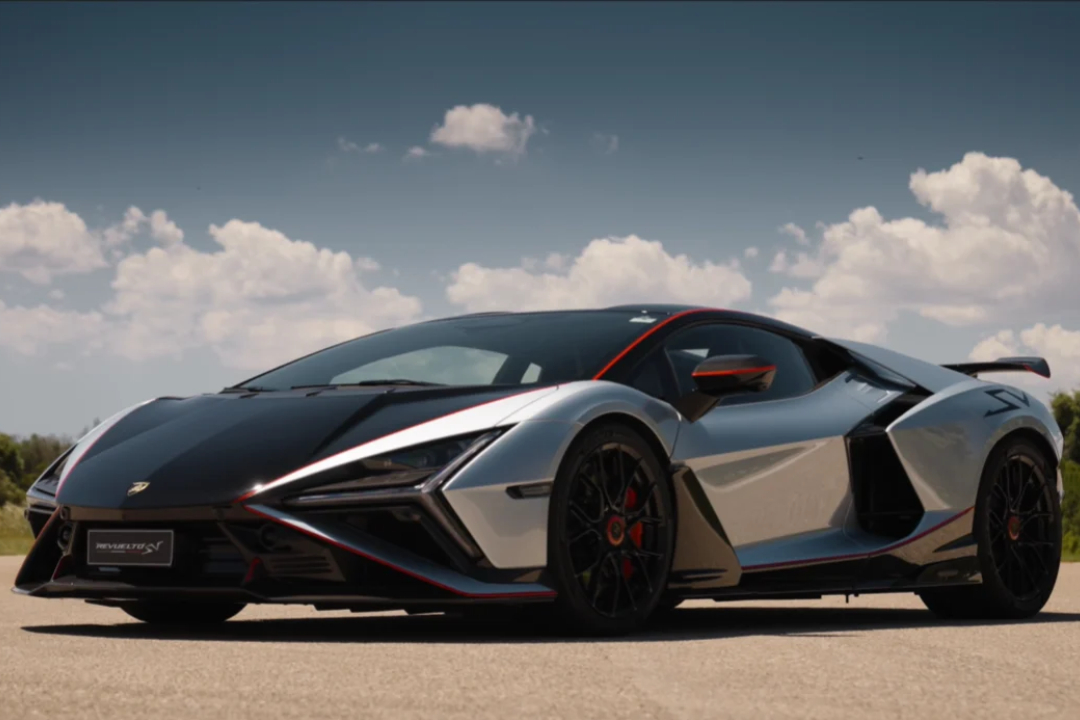
America’s independent automakers often lived in the shadow of Detroit’s largest companies, but several proved they could build luxury cars that matched or even exceeded the competition in quality, comfort, and engineering. Without the resources of the Big Three, these manufacturers relied on innovation and craftsmanship to stand out. Although many of their brands have disappeared, their finest luxury cars remain respected for showing that independent automakers could compete at the highest level.
Packard Patrician
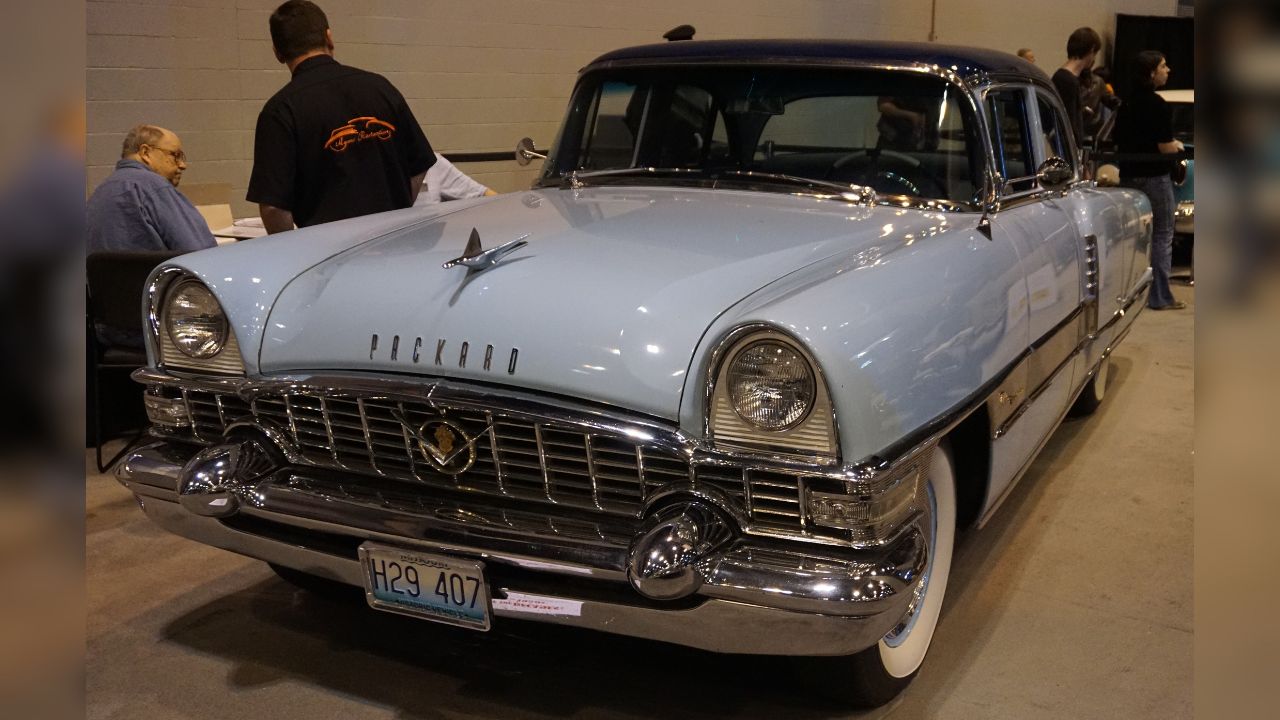
The Packard Patrician represented everything buyers expected from a premium American luxury car. It offered refined styling, a quiet ride, and a well-appointed interior that rivaled the best from Cadillac and Lincoln. Packard also equipped the Patrician with advanced engineering and solid build quality, helping it earn a reputation for reliability. Today, enthusiasts recognize it as one of the finest luxury cars produced by an independent American manufacturer.
Studebaker President Speedster
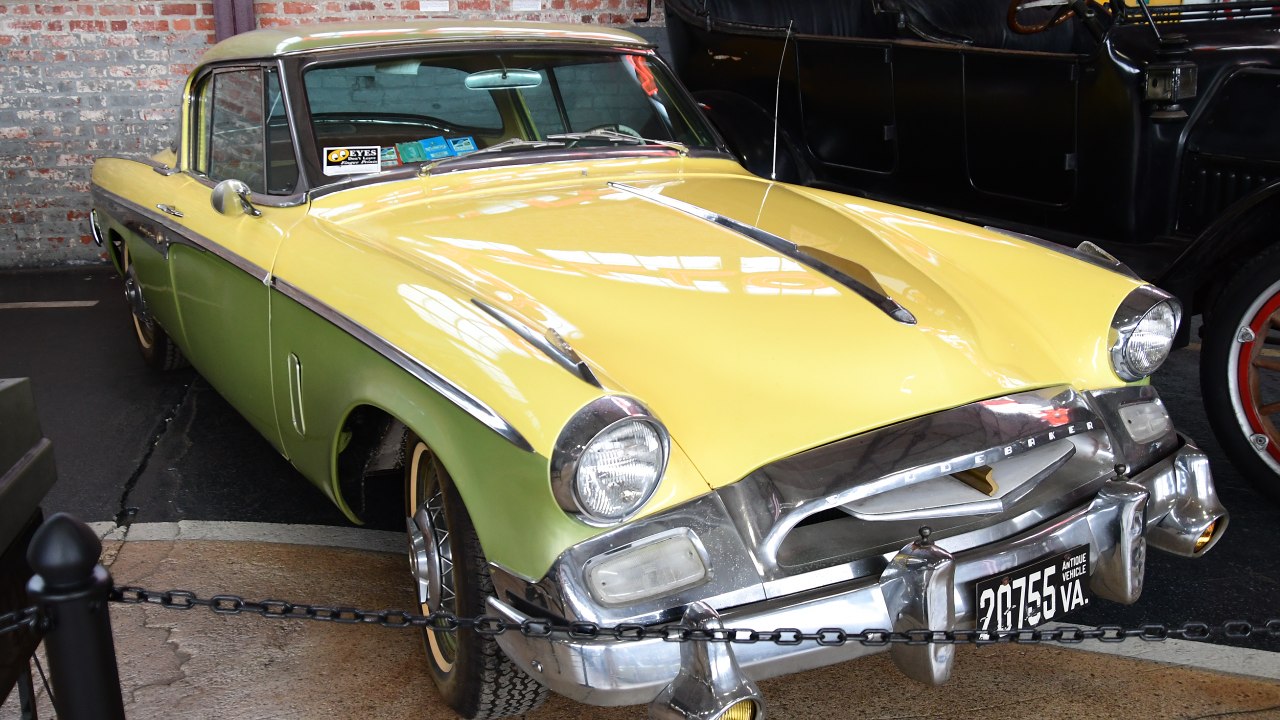
The Studebaker President Speedster combined upscale appointments with eye-catching styling and impressive V8 performance. Its distinctive two-tone paint, premium interior, and powerful engine gave buyers a luxury experience with a sporty personality. Although it was produced for only a short time, the Speedster demonstrated that Studebaker could build a sophisticated automobile capable of competing with much larger rivals.
Kaiser Manhattan
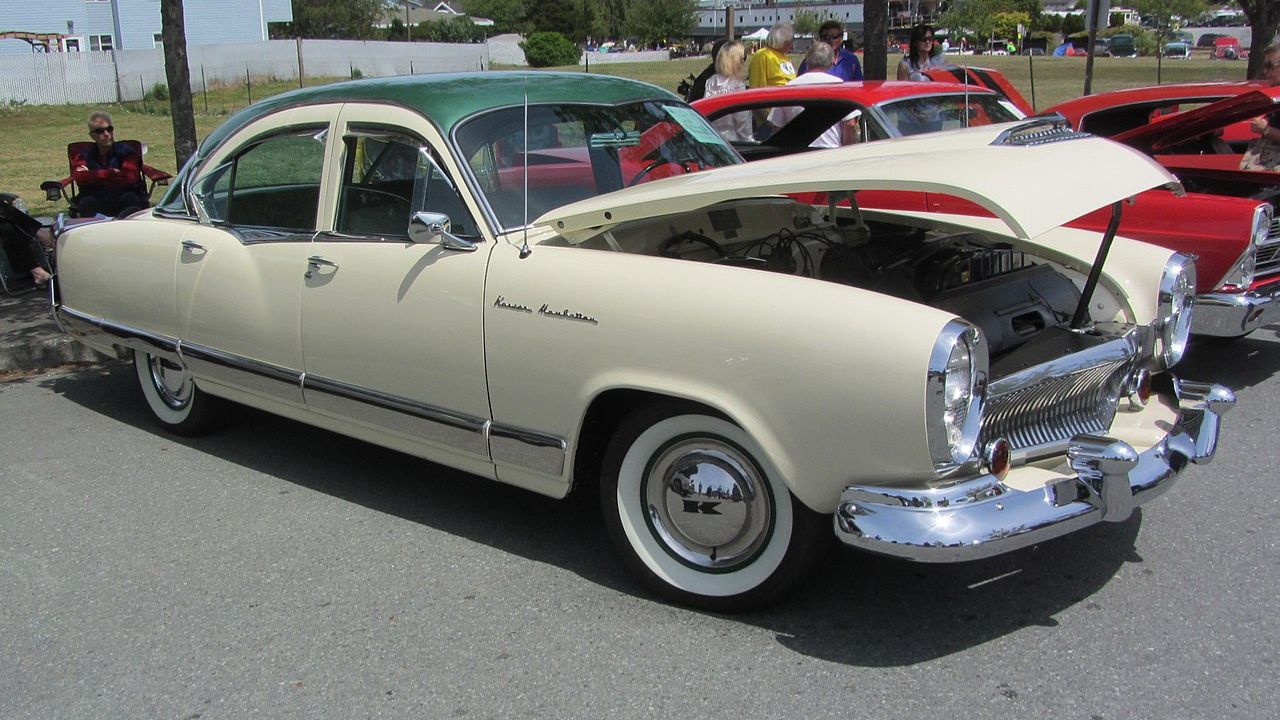
The Kaiser Manhattan stood apart with its modern styling and unusually luxurious interior. Plush upholstery, tasteful trim, and advanced features gave it a premium feel that surprised many buyers. It also delivered a comfortable ride that made it well suited for long-distance travel. While Kaiser never achieved the prestige of established luxury brands, the Manhattan proved the company could build a refined and capable flagship.
Hudson Commodore
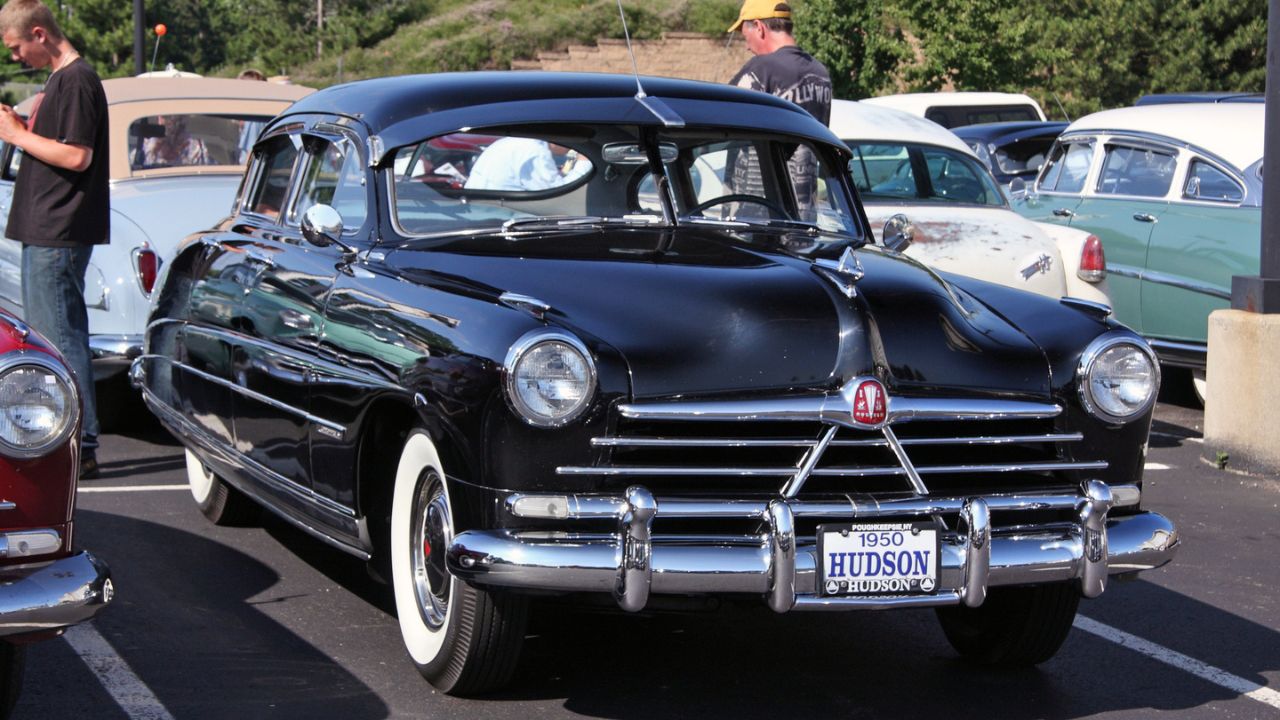
The Hudson Commodore earned praise for its smooth ride, spacious cabin, and durable engineering. Built on Hudson’s innovative step-down platform, it offered excellent handling and stability for a large luxury sedan. Buyers appreciated its combination of comfort and road manners, while enthusiasts continue to admire its engineering achievements. The Commodore showed that an independent automaker could produce a genuinely competitive premium automobile.
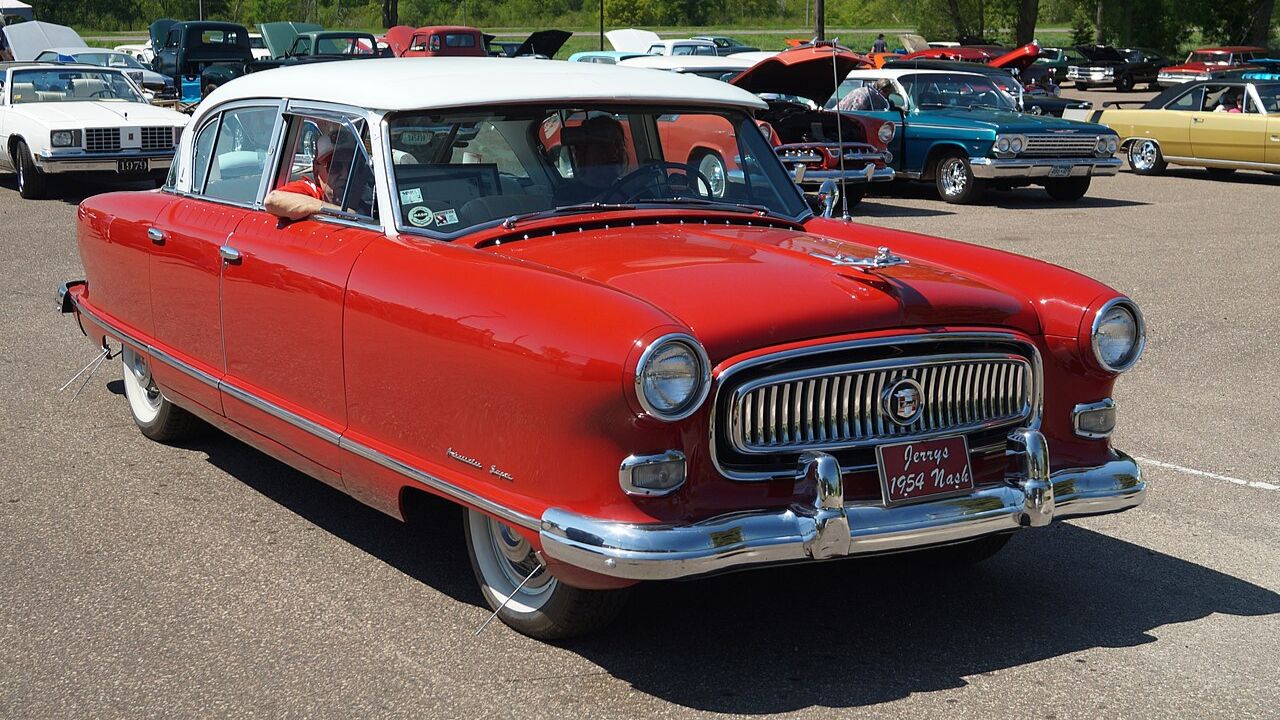
Nash Ambassador
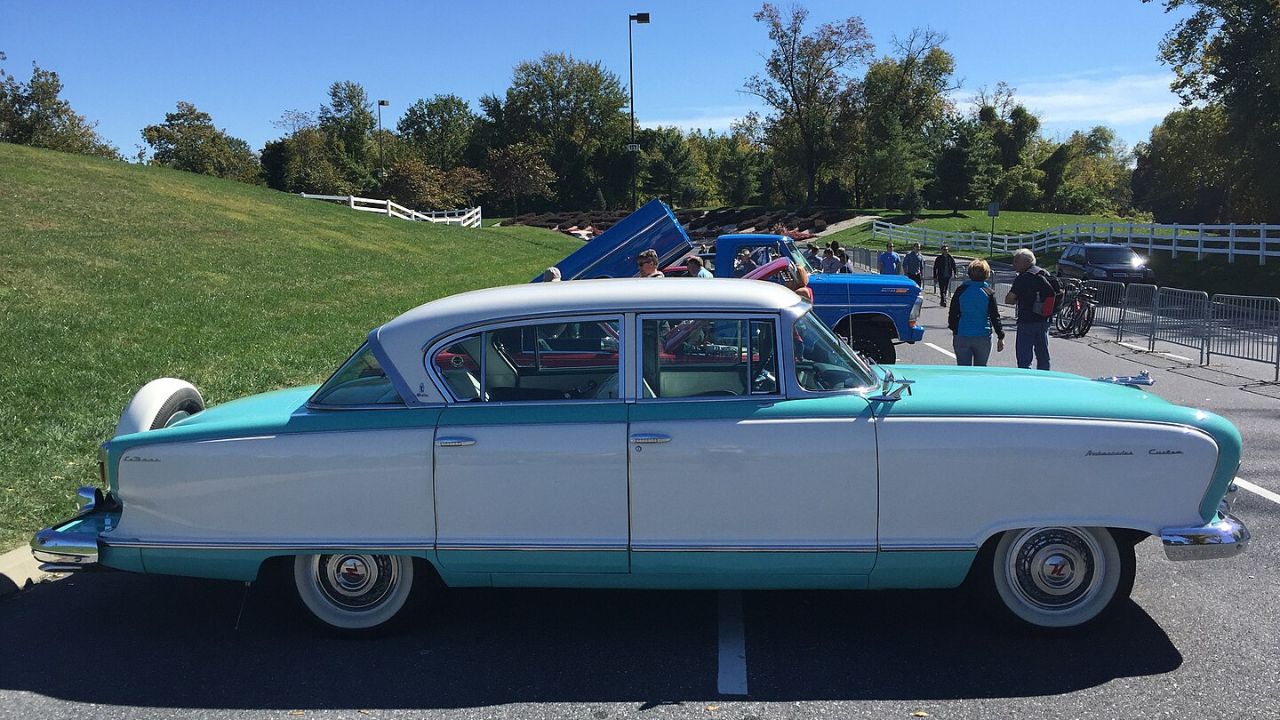
The Nash Ambassador blended comfort, practicality, and innovative engineering into a distinctive luxury package. Features such as reclining seats, advanced heating and ventilation, and a quiet cabin helped it stand out from many competitors. Its dependable mechanical components also earned a reputation for long-term reliability. Although often overlooked today, the Ambassador demonstrated Nash’s commitment to building sophisticated automobiles for discerning buyers.
Willys Aero Ace
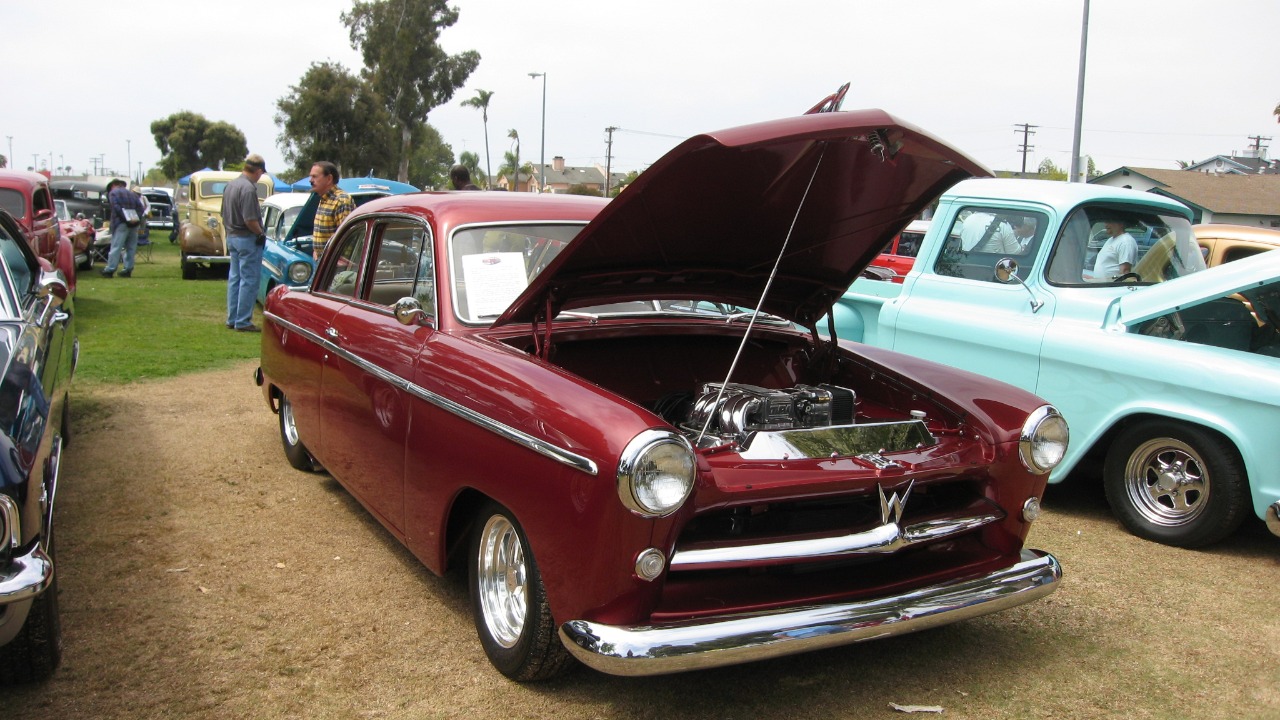
The Willys Aero Ace delivered an upscale driving experience in a clean, modern package that emphasized efficiency without sacrificing comfort. Its lightweight construction contributed to respectable performance, while its roomy cabin and quality materials appealed to buyers seeking something different from mainstream American sedans. Though the Willys brand is better known for utility vehicles, the Aero Ace proved it could also produce a capable luxury-oriented passenger car.
Franklin Series 11
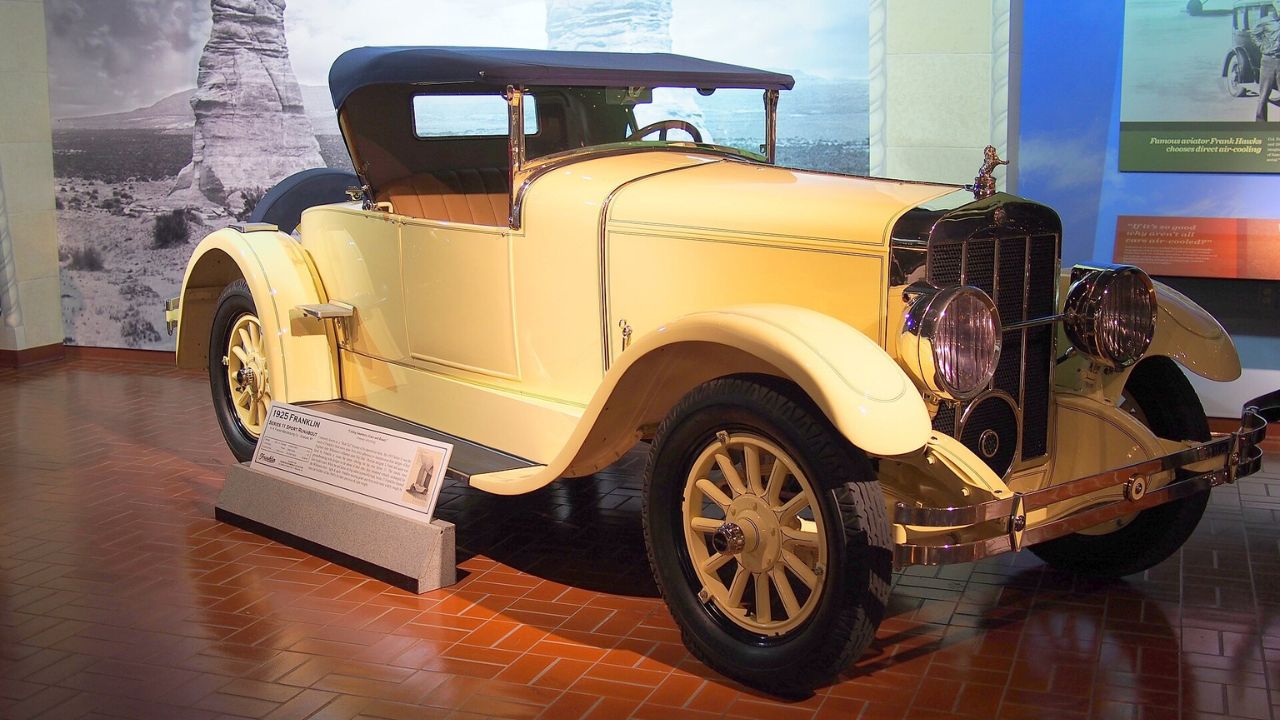
The Franklin Series 11 showcased engineering ideas that were well ahead of their time. Its air-cooled engine reduced mechanical complexity, while its lightweight construction improved both performance and efficiency. The car also offered a smooth ride and carefully crafted interior that reflected Franklin’s commitment to quality. Though the company remained relatively small, the Series 11 demonstrated that independent manufacturers could compete through innovation rather than sheer production volume.
More from Fast Lane Only
- Unboxing the WWII Jeep in a Crate
- 15 rare Chevys collectors are quietly buying
- 10 underrated V8s still worth hunting down
- Police notice this before you even roll window down
*Research for this article included AI assistance, with all final content reviewed by human editors.