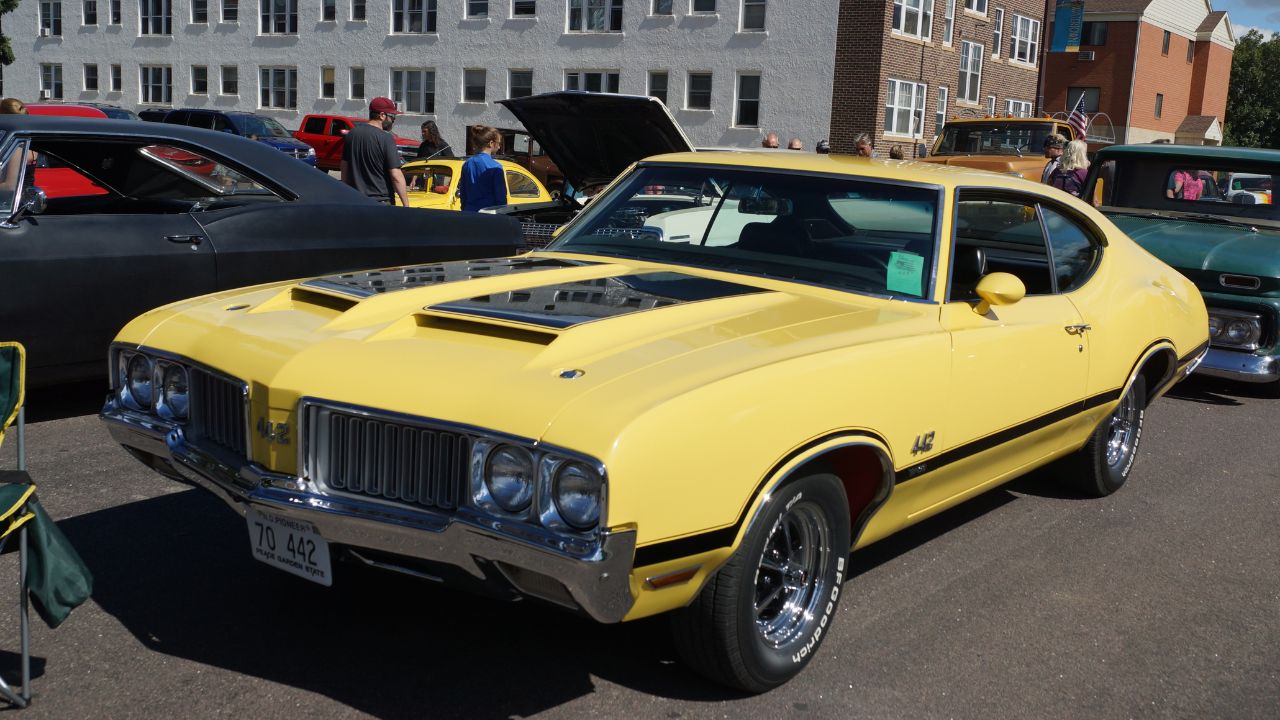
Oldsmobile built far more than the big-volume Cutlasses and 88s most people remember. Tucked into the brand’s long history are low-production experiments, homologation-minded specials, and regional oddities that rarely surface even at major shows. Here are 15 Oldsmobiles that tend to slip through the cracks, along with why they matter.
1966 Oldsmobile Toronado (W-34 package)

The original Toronado was already unusual as a front-wheel-drive American personal luxury car, but the W-34 package made it even more specialized. Period documentation ties W-34 to performance-oriented equipment and a hotter big-block setup, and it’s far less commonly encountered than standard Toronados. Survivors are scarce partly because early Toronados were often driven hard and later treated as used luxury cars rather than collectibles.
1968 Oldsmobile Hurst/Olds
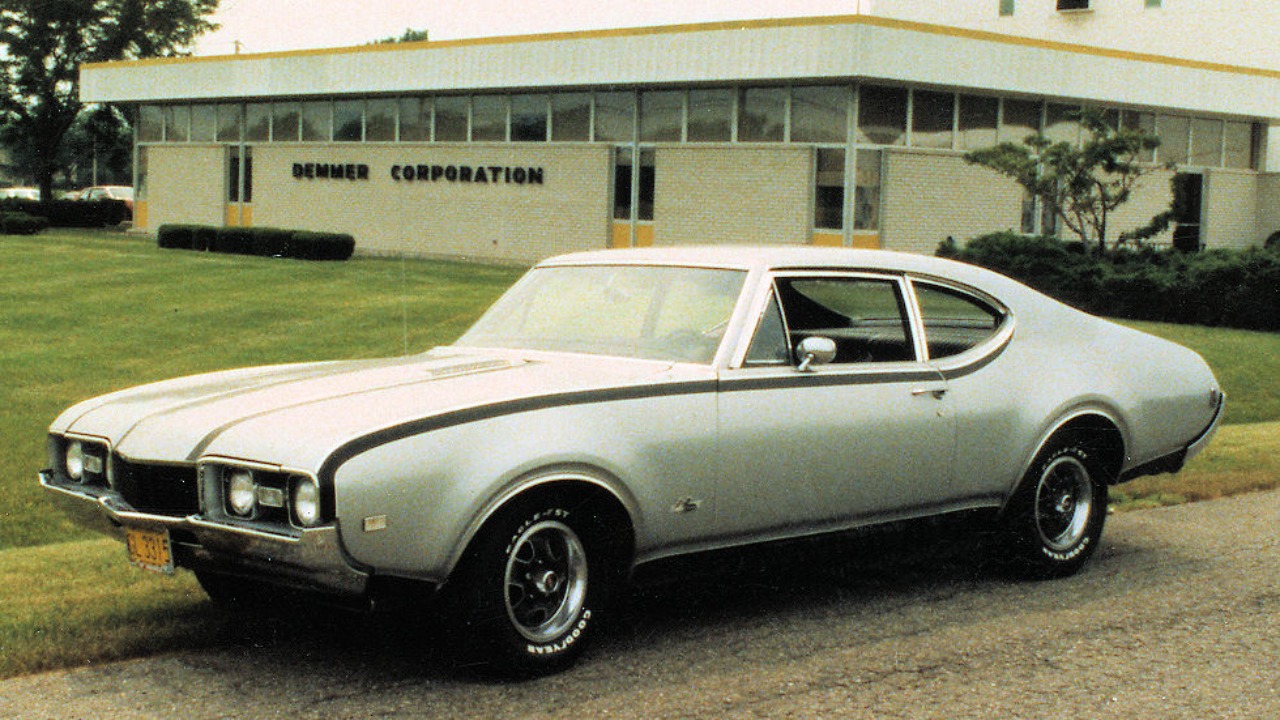
Created through the Oldsmobile–Hurst partnership, the 1968 Hurst/Olds is one of the more distinctive early muscle-era Oldsmobiles. It’s well known among marque experts, yet it still qualifies as “rare-seen” because production was limited and correct cars are hard to find unmodified. The combination of special trim, performance intent, and a short production run keeps it on collectors’ want lists.
1969 Oldsmobile Hurst/Olds
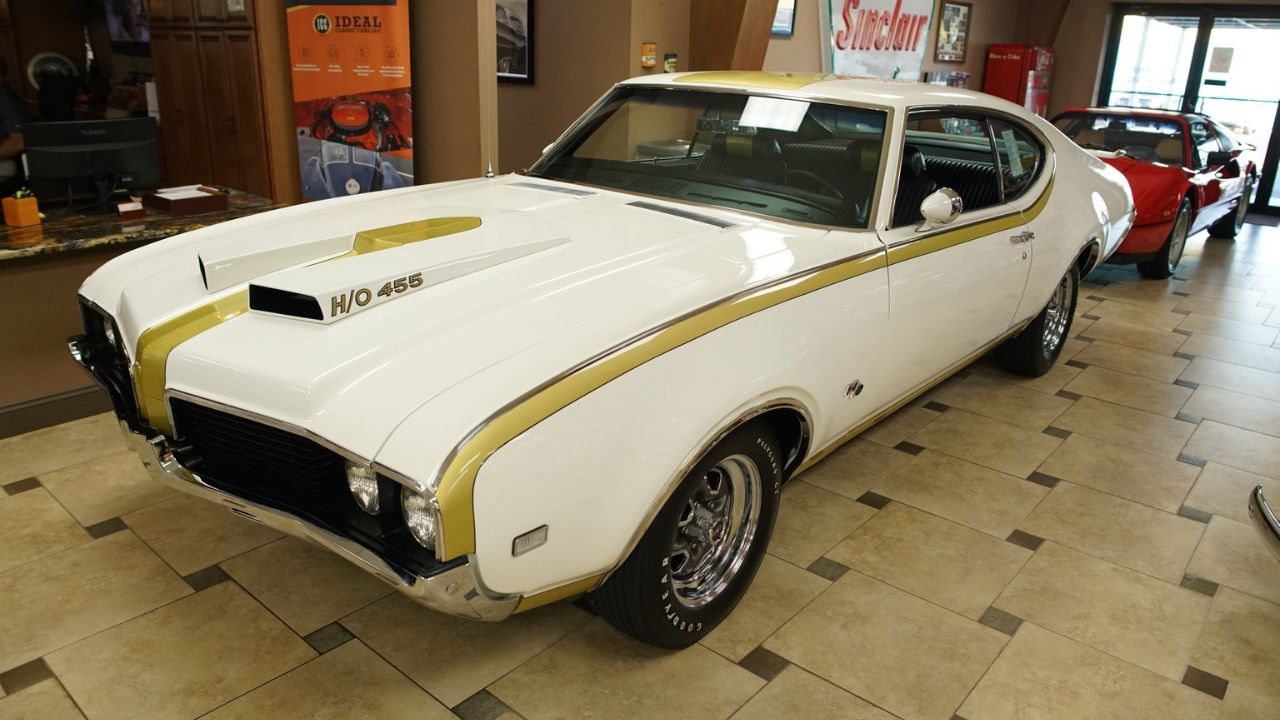
The 1969 follow-up continued the Hurst/Olds idea with its own year-specific look and equipment mix. Like many specialty muscle packages, these cars were frequently raced, cloned, or heavily altered over the decades. Finding one with original configuration details intact is what makes a genuine example feel like a unicorn at shows.
1970 Oldsmobile Rallye 350
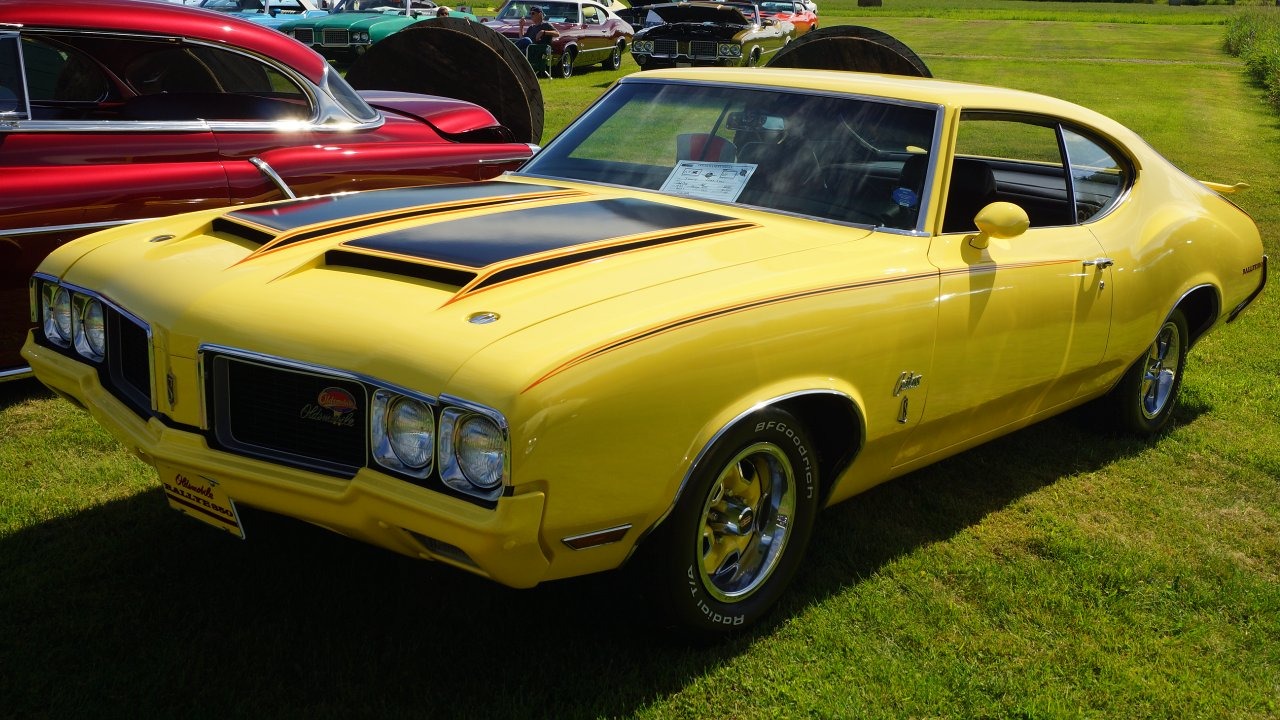
The Rallye 350 is remembered for its bold, high-visibility appearance and for being positioned as a youthful performance model within the Cutlass lineup. It wasn’t produced in huge numbers and many were repainted or modified once the bright factory look fell out of fashion. Today, an accurately restored Rallye 350 stands out because so few remain true to how Oldsmobile delivered them.
1970 Oldsmobile 4-4-2 W-30
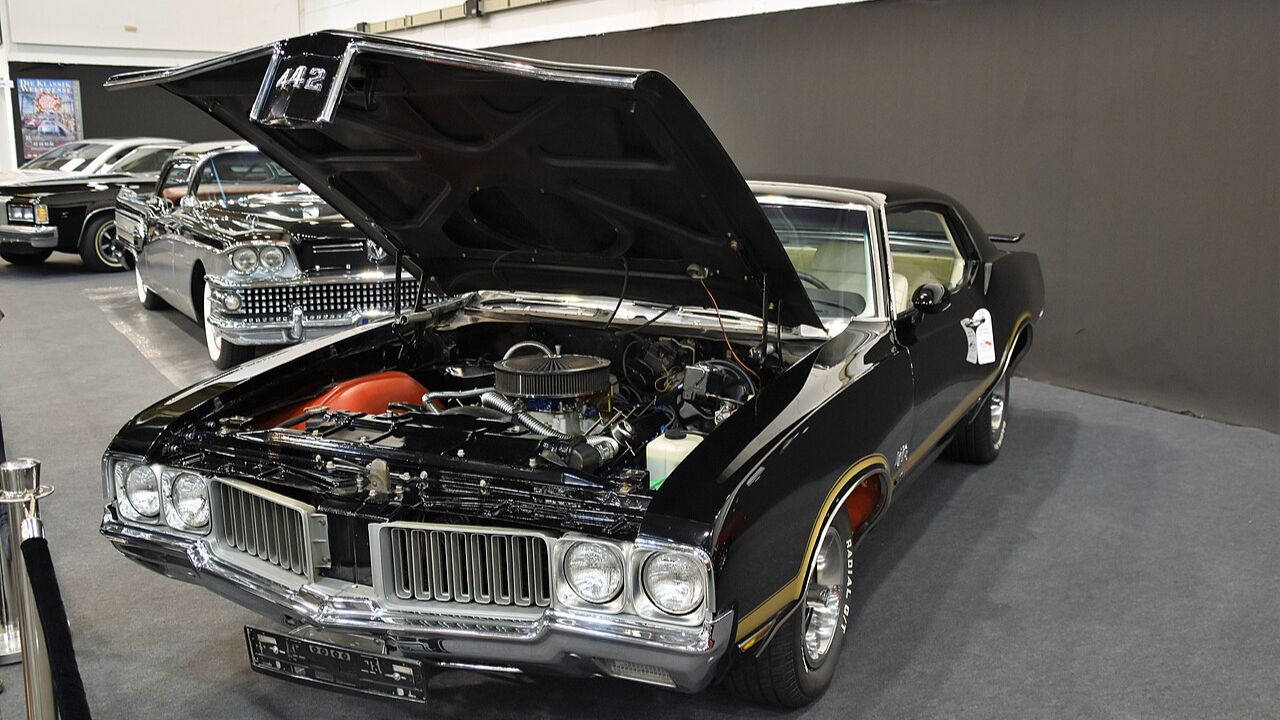
Oldsmobile’s W-30 option on the 4-4-2 represents the high-performance peak of the era for many fans of the brand. While the 4-4-2 name is famous, the real W-30 cars are a smaller subset, and verifying a correct one matters to serious collectors. They’re also often buried in collections, so they don’t pop up casually.
1971 Oldsmobile 4-4-2 W-30
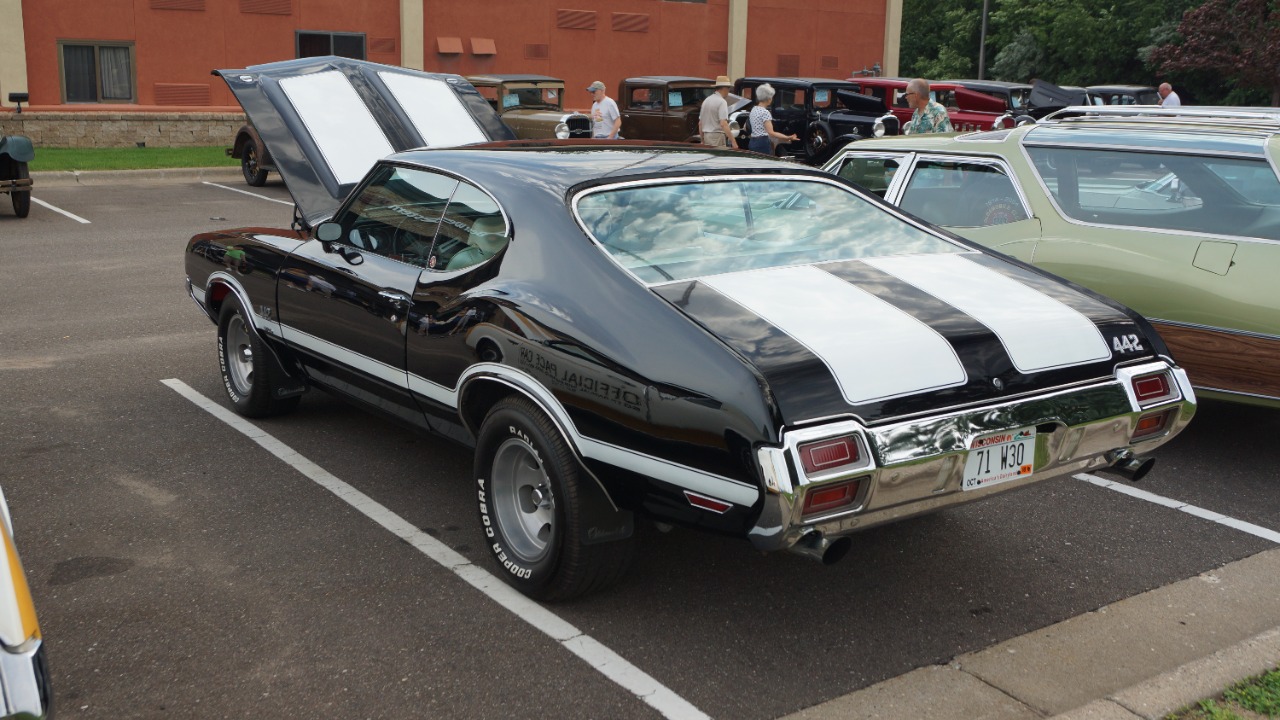
As emissions and insurance pressures began reshaping performance cars, 1971 became a transitional year that’s historically significant. The 1971 W-30 is sought after because it sits at the edge of the classic muscle era, and real examples are less common than the broader 4-4-2 population. It’s the sort of car you hear about more than you actually see.
1972 Oldsmobile 4-4-2 W-30
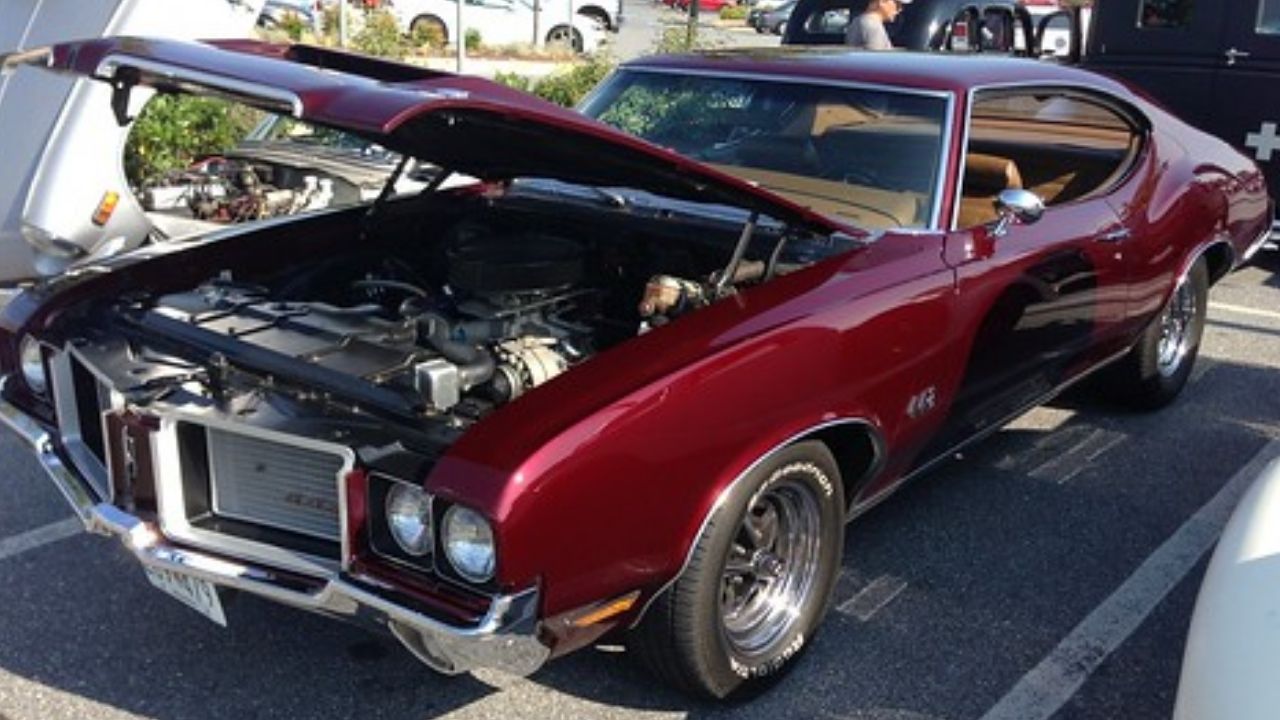
By 1972, the market and regulations were shifting quickly, and top-option performance packages were increasingly niche. The 1972 W-30 carries a special appeal for collectors who like “last of the line” specifications and subtle year-to-year changes. It’s not the kind of Olds you stumble across outside dedicated meets.
Oldsmobile Cutlass Salon (early notchback)
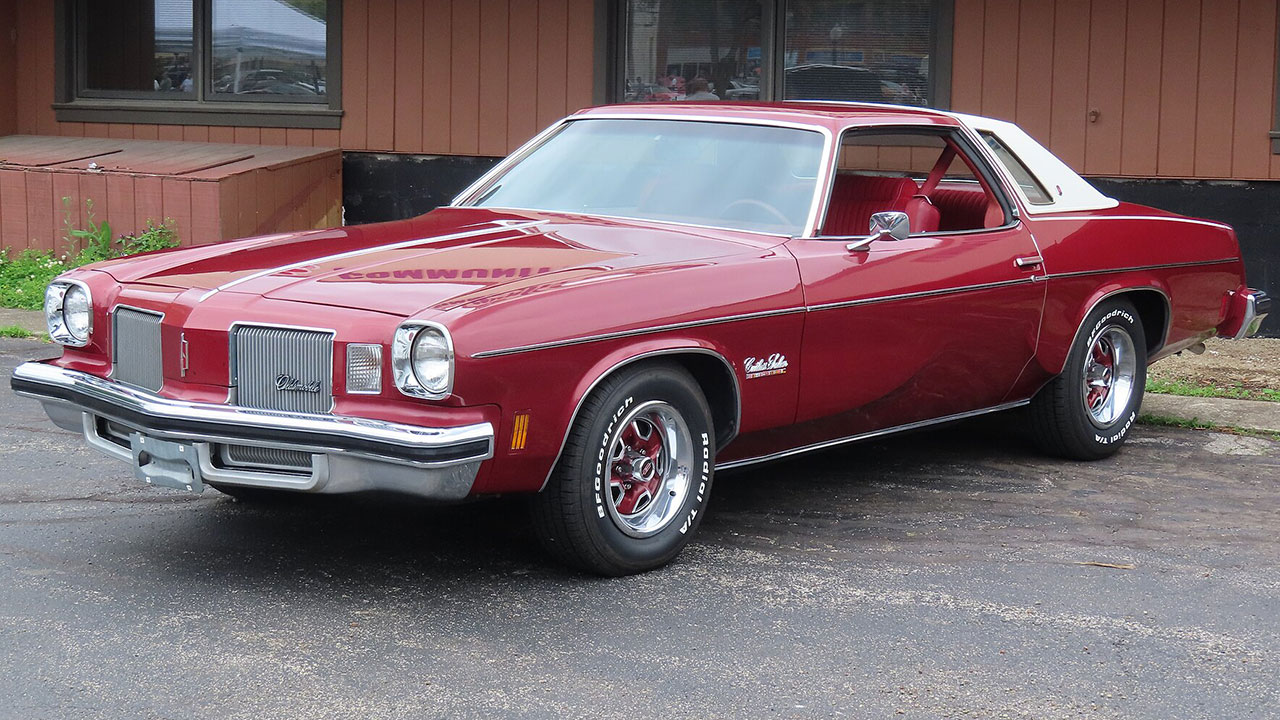
Oldsmobile experimented with the Cutlass lineup in the mid-1970s, and the Salon nameplate adds a layer of trim-and-positioning nuance that’s easy to forget. Early notchback Salon variants are less commonly preserved than the more familiar Cutlass Supreme hardtops. Many were simply used up in daily service, which is why clean survivors feel surprisingly scarce.
Oldsmobile 98 Regency (first-year “Regency” era)
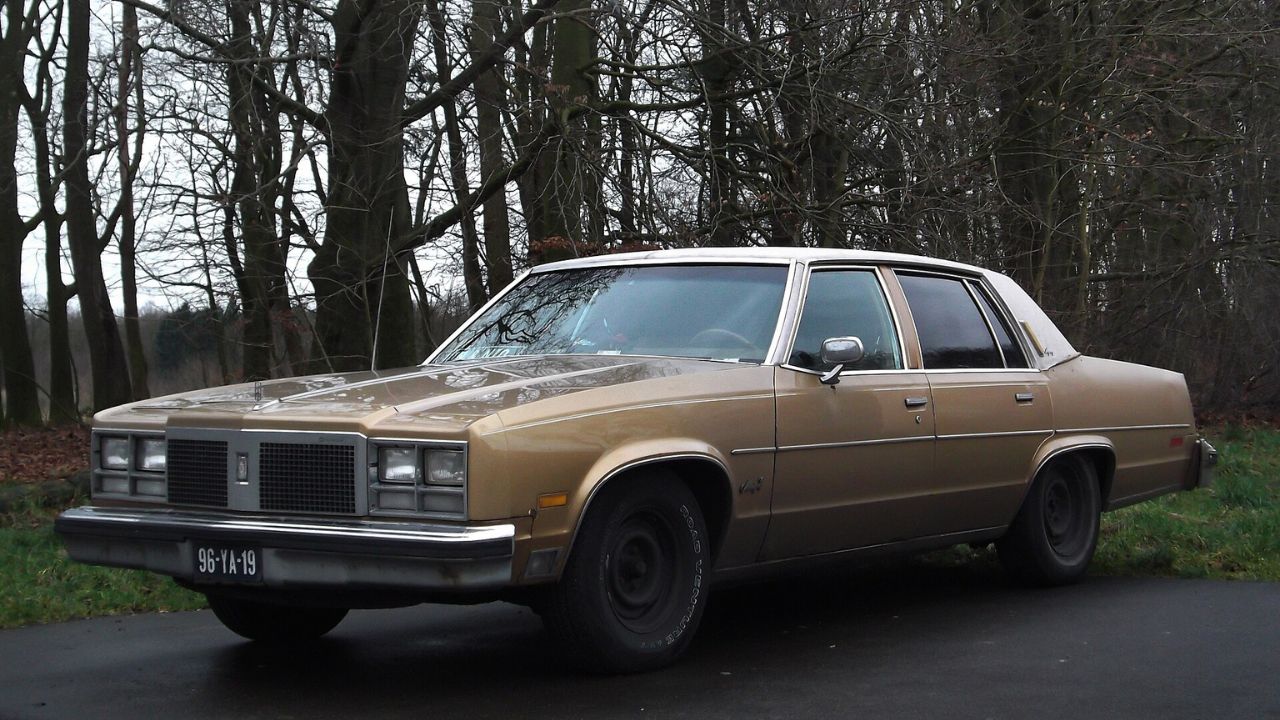
The Regency name became closely associated with Oldsmobile luxury, but early examples can be harder to find in unmolested condition than you’d expect. Late-1970s full-size cars were often treated as disposable once fuel prices, rust, and depreciation took their toll. A well-kept first-year-style Regency is a time capsule many collectors overlook.
1979 Oldsmobile Cutlass (Hurst/Olds)
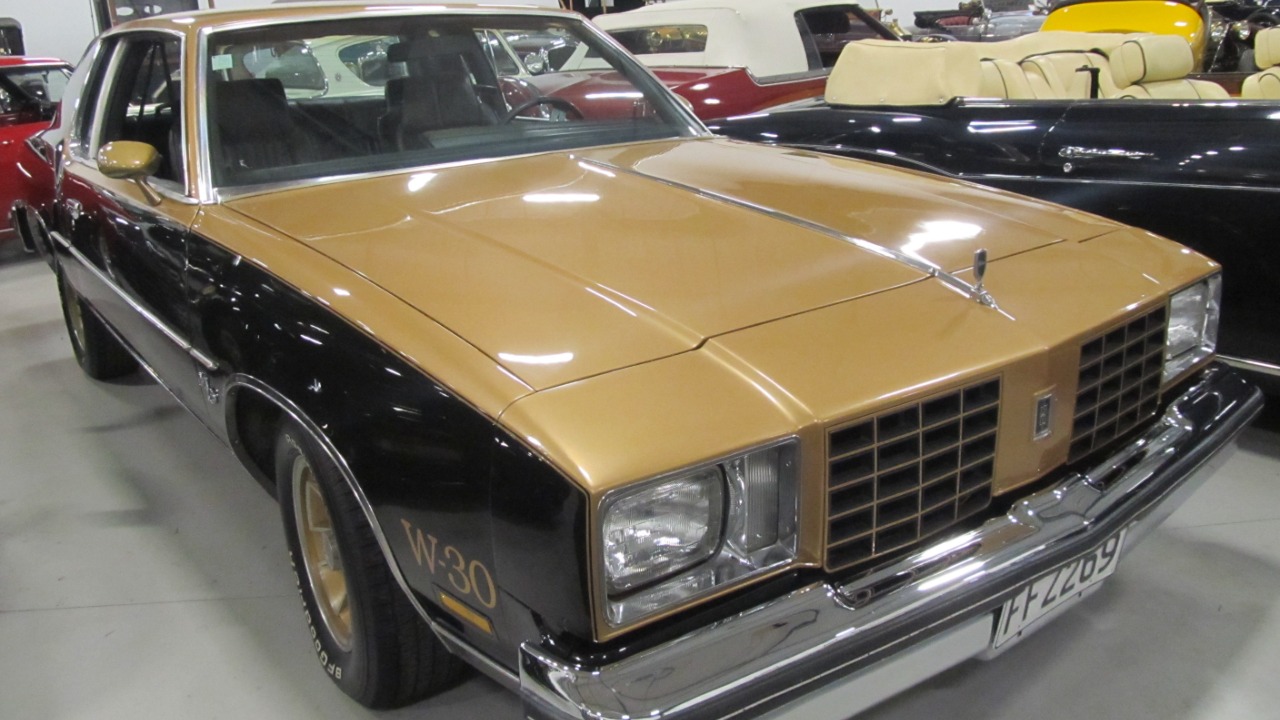
The Hurst/Olds returned in the late 1970s with a different mission: more style-and-image than the late-’60s tire-fryers, but still a recognizable special edition. Limited numbers and heavy personalization over the years make original-spec cars harder to track down. Seeing a correct one in period colors and trim is a treat for G-body fans.
1983 Oldsmobile Hurst/Olds (15th Anniversary)
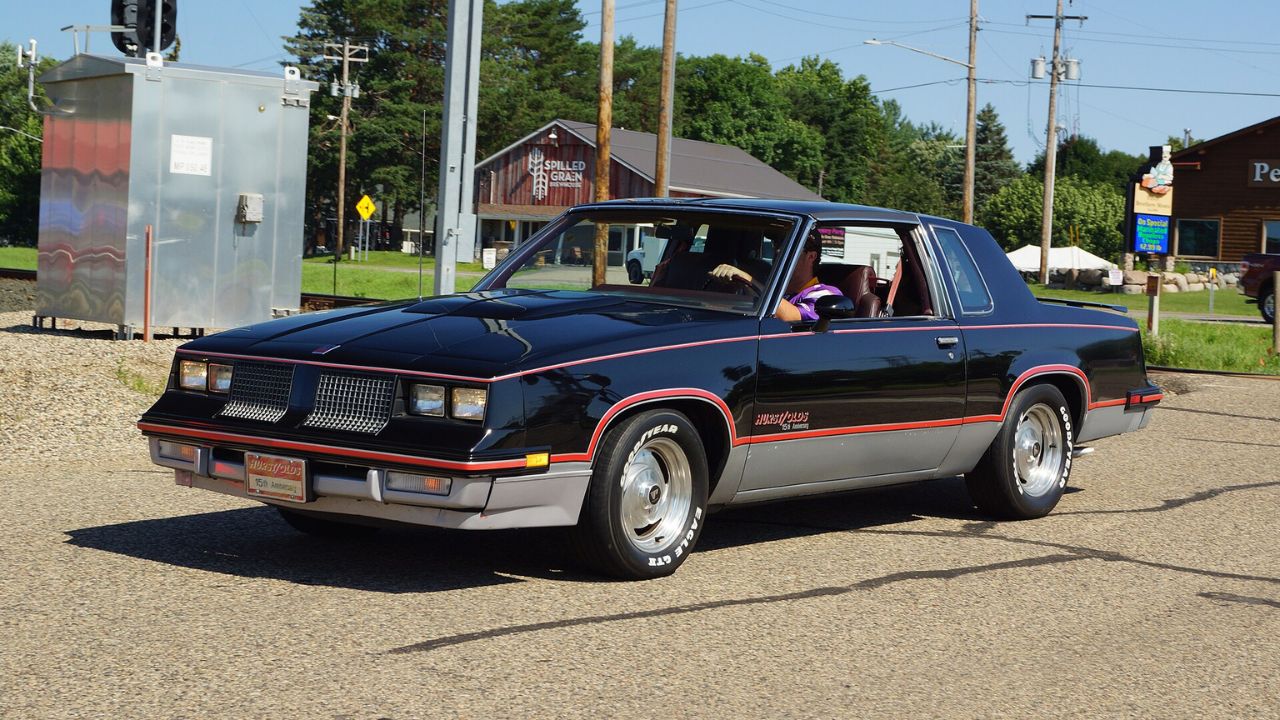
The 1983 15th Anniversary Hurst/Olds is one of the more collectible early-’80s Oldsmobiles because it was purpose-built as a commemorative special. Its unique identity is well established in hobby circles, yet they’re not common at general car shows. Many have been preserved, but they’re often held tightly in dedicated collections.
Oldsmobile Calais 442
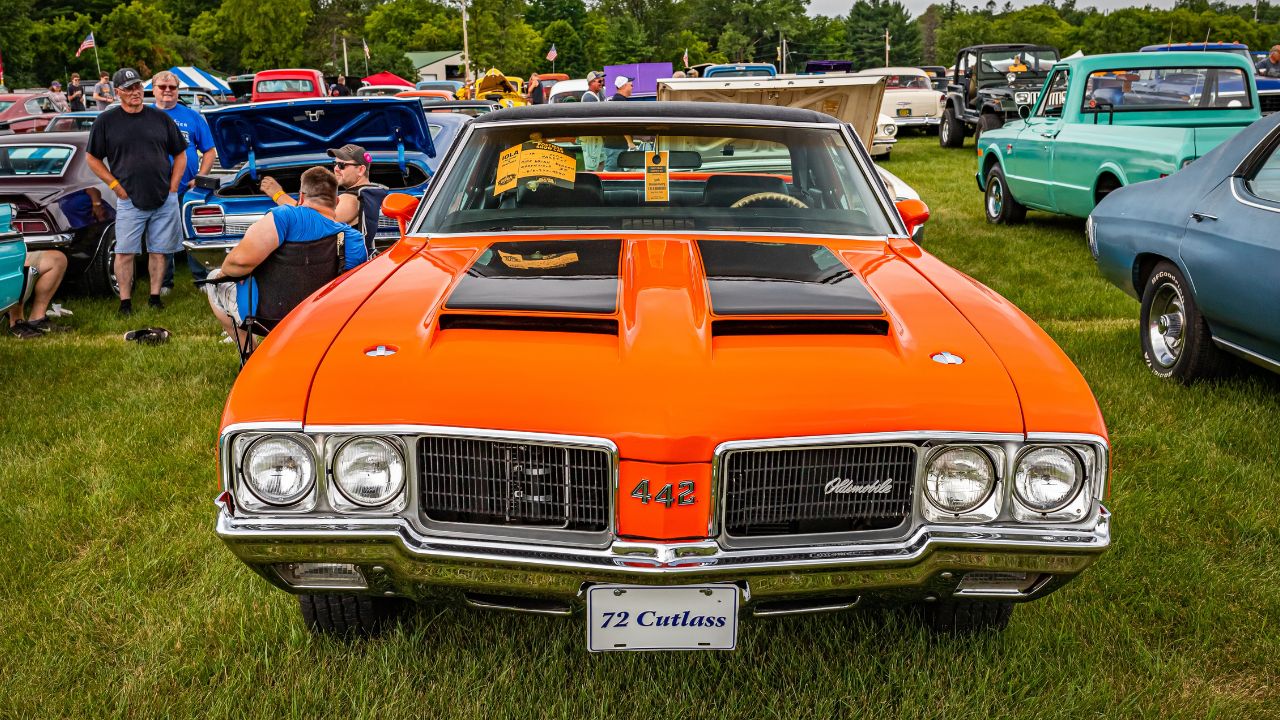
The 442 name returned on the front-wheel-drive Calais in the late 1980s, which makes it one of the most debated Oldsmobiles among traditionalists. Regardless of opinion, it’s an interesting period piece that shows how performance branding evolved. These cars weren’t universally saved, so they’ve become hard to find in clean, unmodified condition.
Oldsmobile Cutlass Calais Quad 442
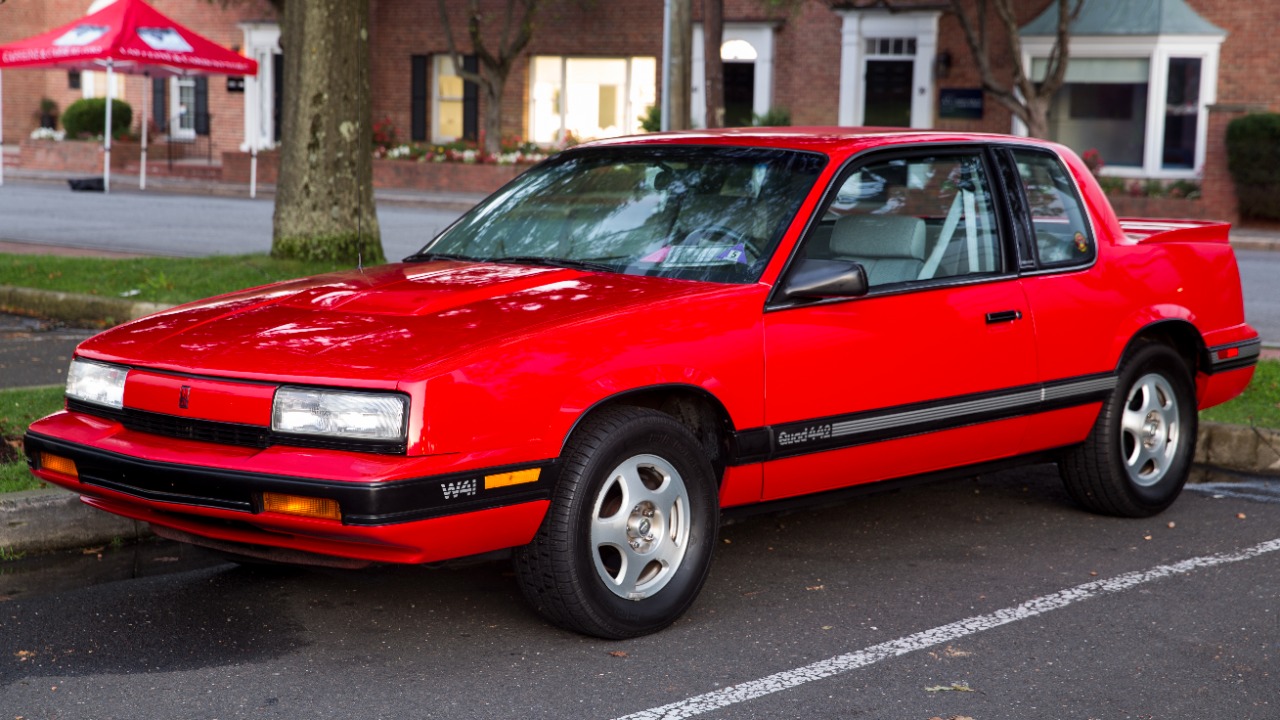
Oldsmobile leaned into high-tech, multi-valve marketing with the Quad 442 package during the early 1990s. It’s a car that makes sense once you remember the era’s excitement around DOHC four-cylinders and sport compacts. Because many were used as everyday transportation, surviving examples tend to be few and far between.
Oldsmobile Achieva SCX
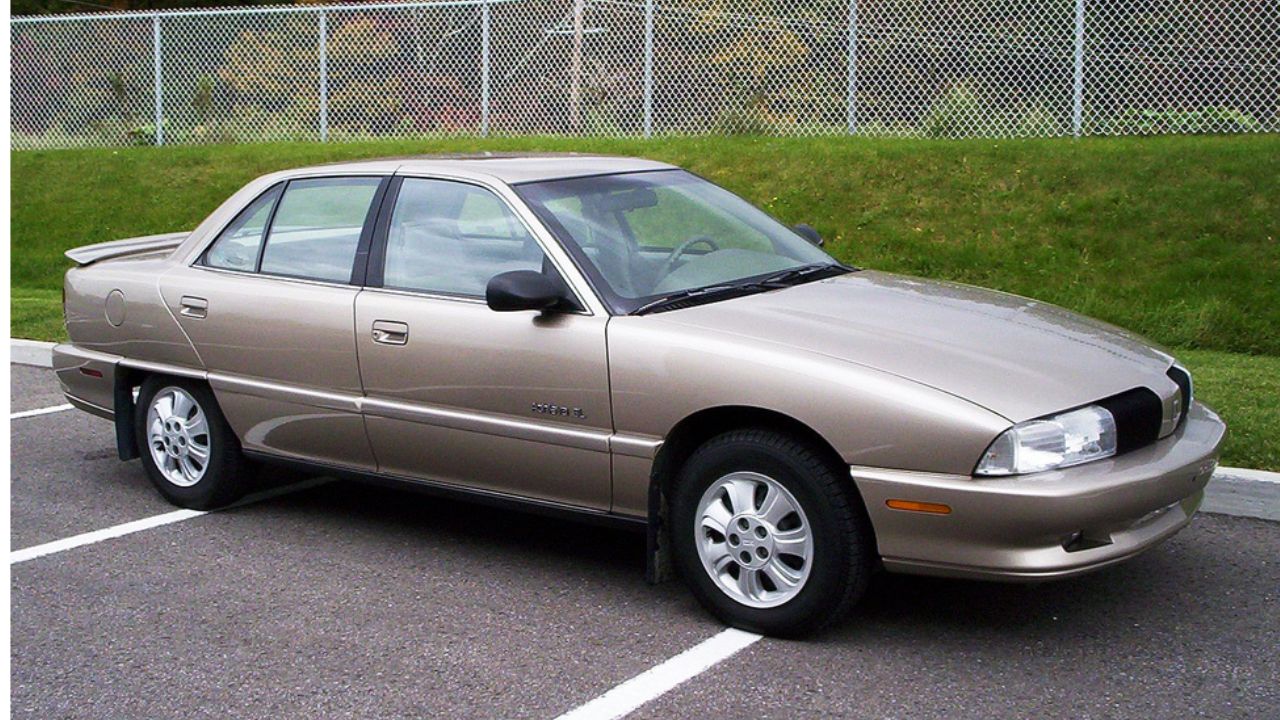
The Achieva SCX is one of those factory-built sport compacts that quietly earned credibility with enthusiasts who like overlooked ’90s engineering. It’s commonly documented as a limited-production, more serious performance variant within the Achieva line. That limited run, plus the fact that few people were “collecting” early-’90s Oldsmobiles at the time, makes sightings genuinely rare.
Oldsmobile Intrigue GX
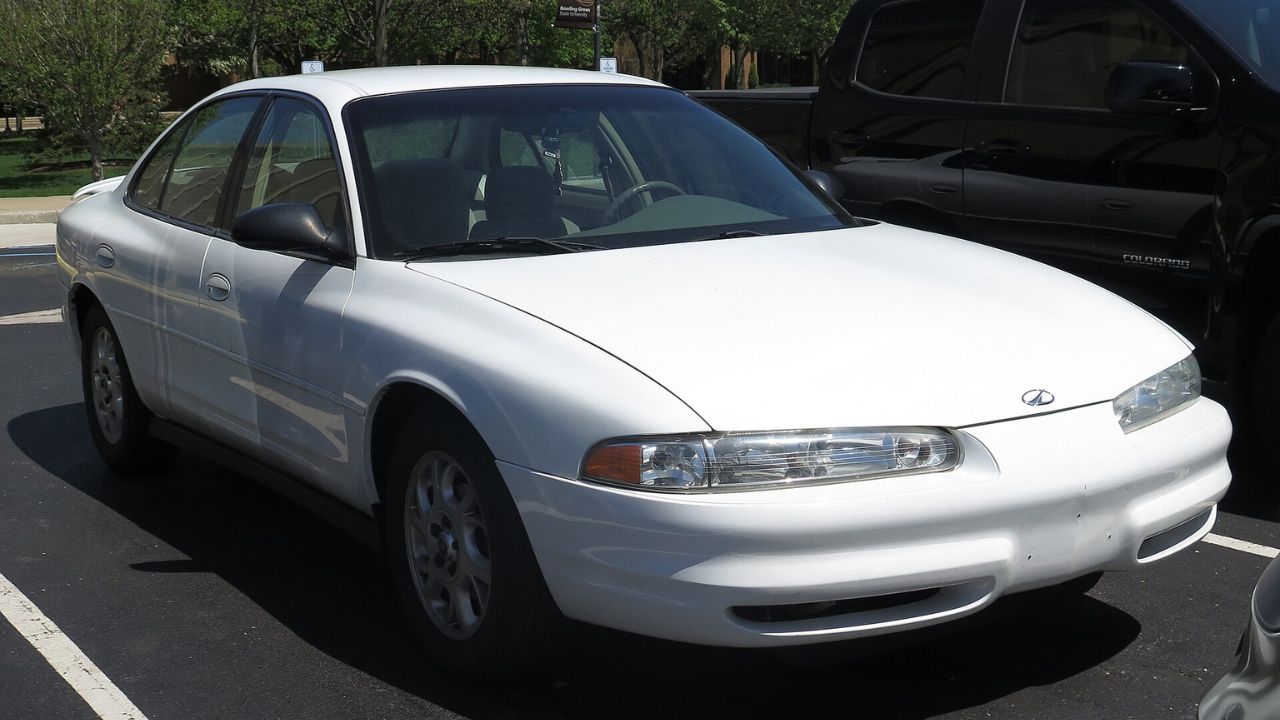
The Intrigue GX is an end-of-era curiosity: a lesser-known variant from Oldsmobile’s final years when the brand was working hard to look modern and competitive. Special trims from this period often disappeared quickly because they were leased, daily-driven, and later parted out. A clean GX today is a reminder that rarity isn’t always about the 1960s—sometimes it’s about what nobody thought to save.
What makes these Oldsmobiles so hard to spot isn’t just production numbers—it’s how they were used, modified, and forgotten before the hobby caught up. If you’re hunting one, documentation and original-spec details matter as much as the badge on the trunk. And if you see one at a show, it’s worth slowing down, because you may not get another chance for a long time.
More from Fast Lane Only
- Unboxing the WWII Jeep in a Crate
- 15 rare Chevys collectors are quietly buying
- 10 underrated V8s still worth hunting down
- Police notice this before you even roll window down
*Research for this article included AI assistance, with all final content reviewed by human editors.