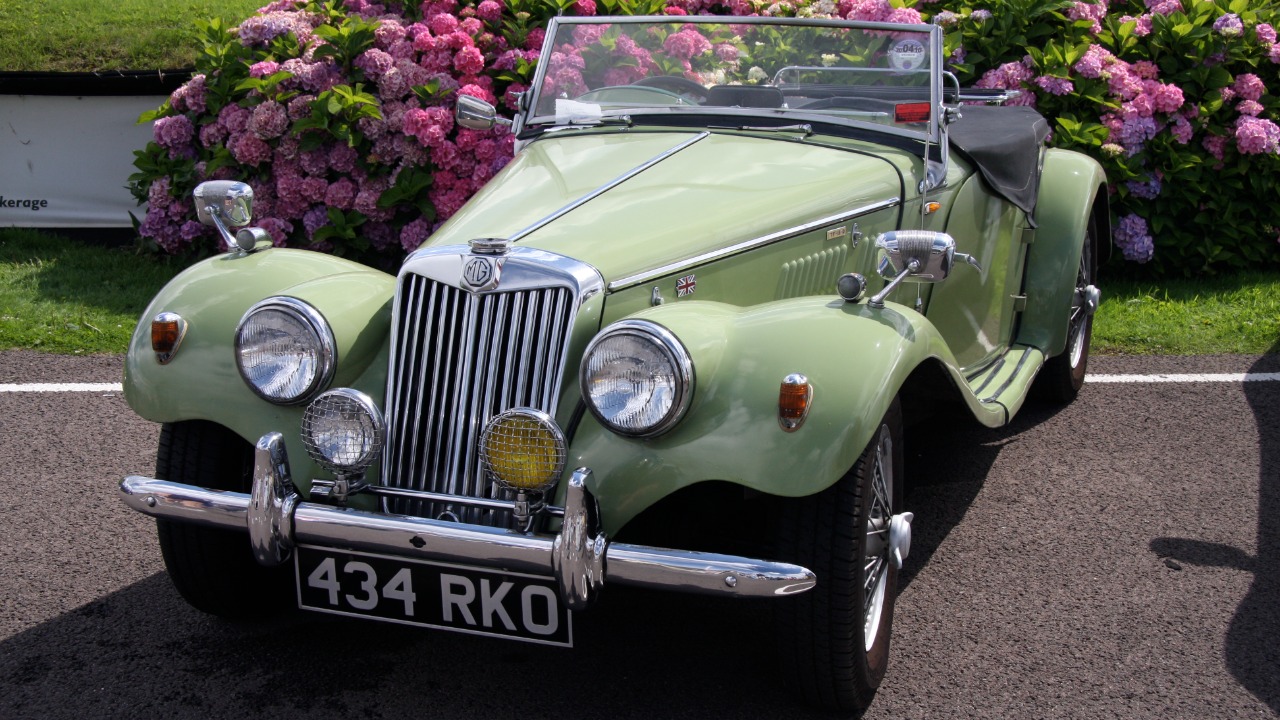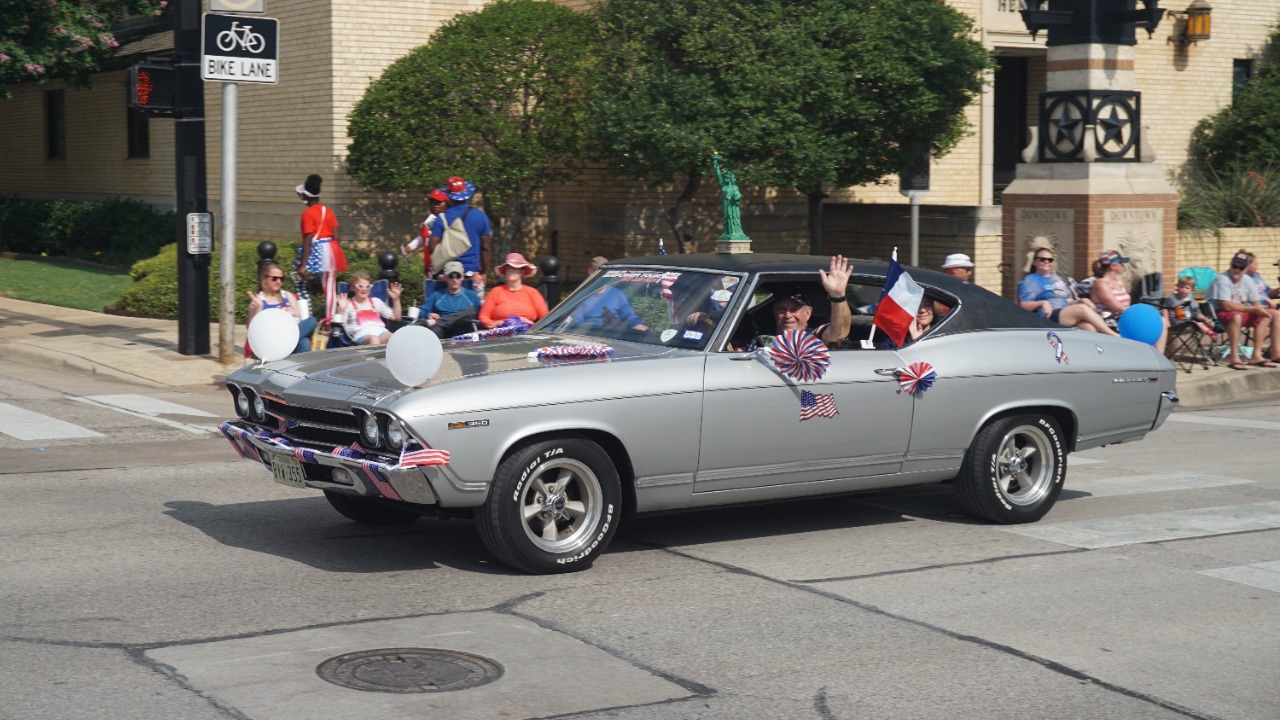
Chevrolet has produced countless models, but only some managed to become icons almost unexpectedly. Some gained attention through performance, others through styling, racing success, practicality, or lasting cultural appeal. These 20 Chevrolets started with relatively modest expectations but eventually earned places in automotive history.
Chevrolet Corvette
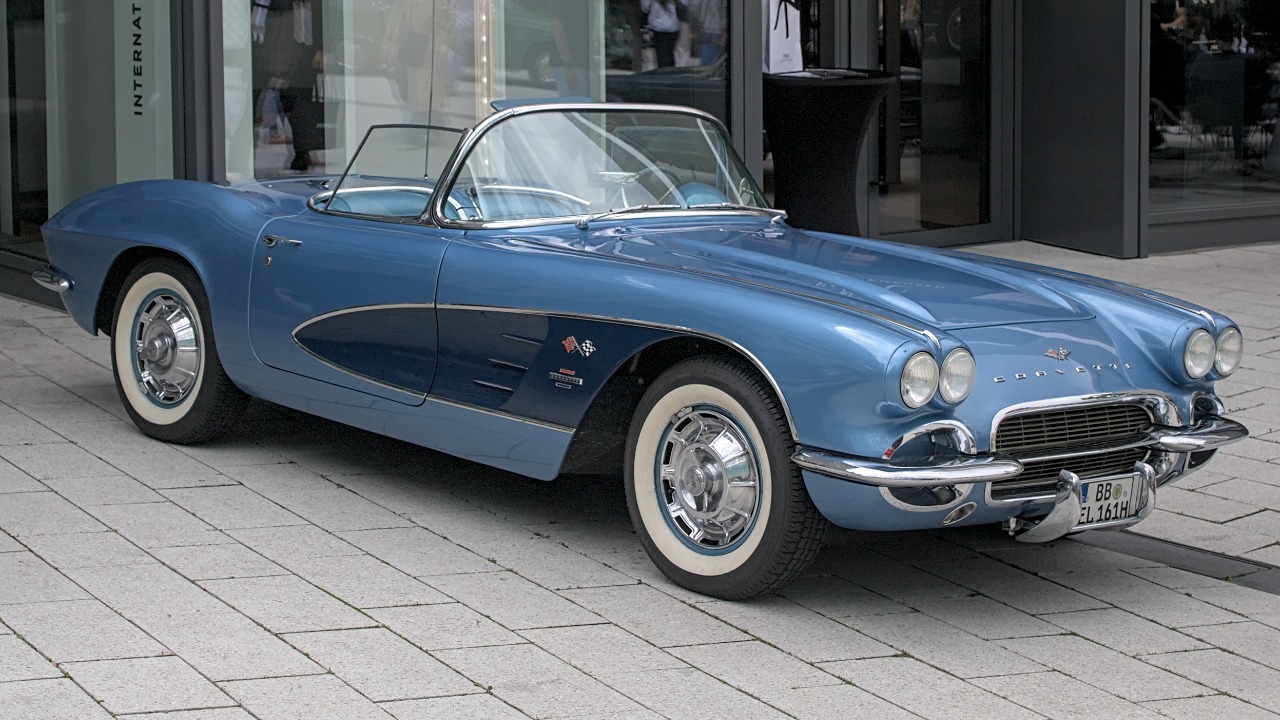
The Chevrolet Corvette began in 1953 as an experimental American sports car with a fiberglass body and six-cylinder power. Early sales were modest, but Chevrolet quickly developed the formula with stronger V8 engines and improved performance. The Corvette eventually became America’s longest-running sports-car nameplate and a global performance icon. Its transformation from an uncertain experiment into a legendary sports car remains one of Chevrolet’s most important success stories.
Chevrolet Bel Air
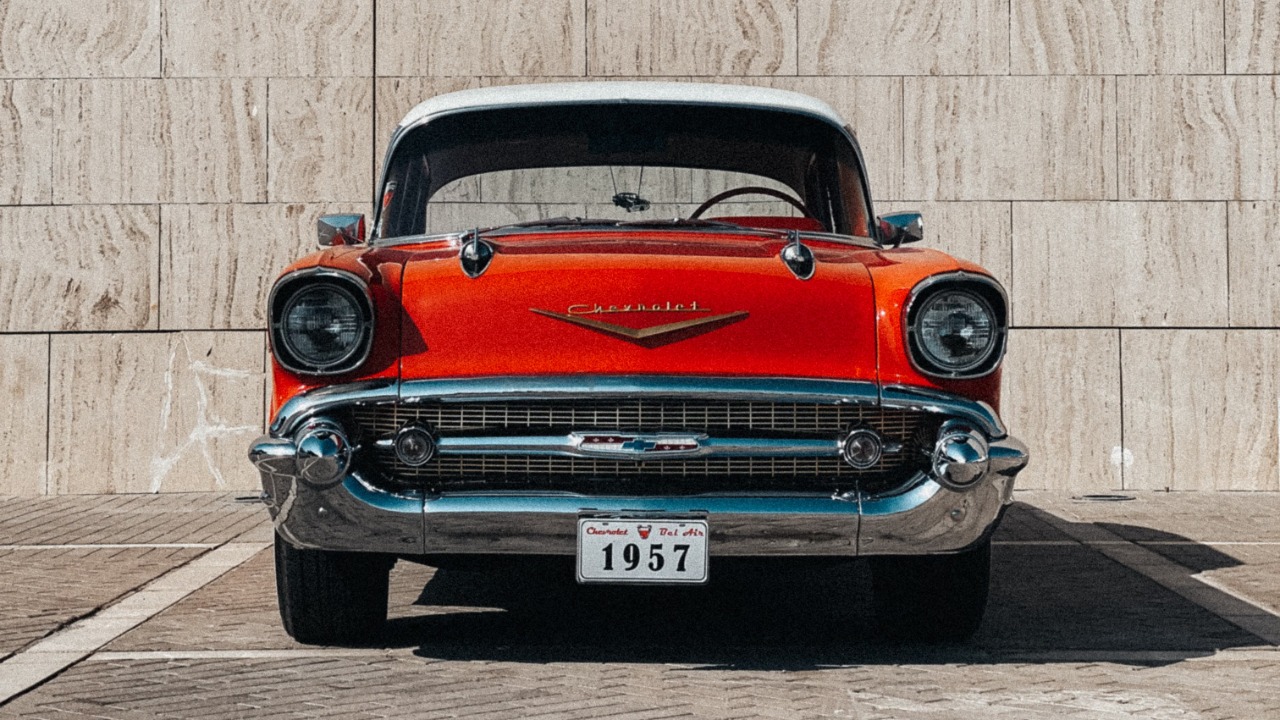
The Chevrolet Bel Air became one of the defining American cars of the 1950s. The 1955–1957 models in particular combined V8 power, dramatic styling, chrome detailing, and relatively accessible pricing. At launch, it was simply one of Chevrolet’s popular full-size models. Over time, its distinctive proportions and styling turned it into a symbol of the American postwar era. Today, certain Bel Airs are among the most recognizable classic Chevrolets.
Chevrolet Impala
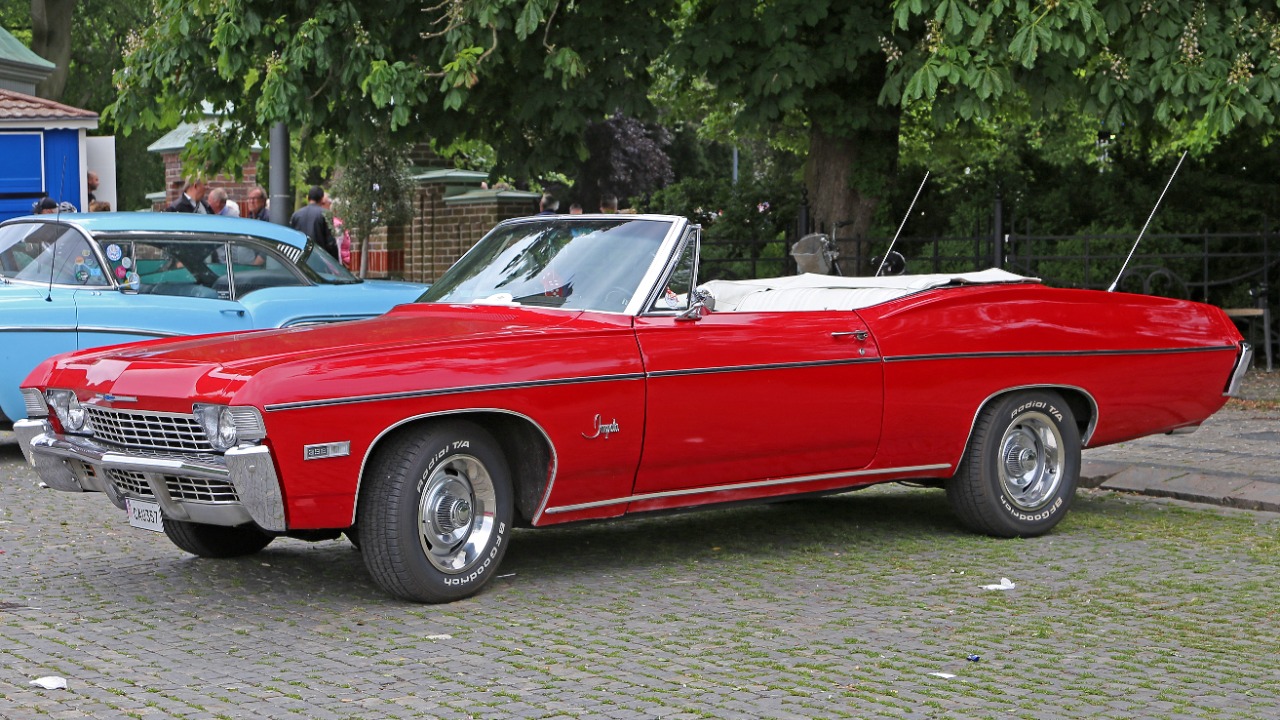
The Chevrolet Impala began as a stylish full-size Chevrolet and quickly became one of the company’s most successful nameplates. Its combination of room, comfort, available V8 power, and attractive styling made it popular with American buyers. The 1958 and later Impalas became especially significant, while the 1961–1964 cars developed a strong following among collectors. What began as a full-size family car eventually became one of Chevrolet’s most recognizable names.
Chevrolet Camaro
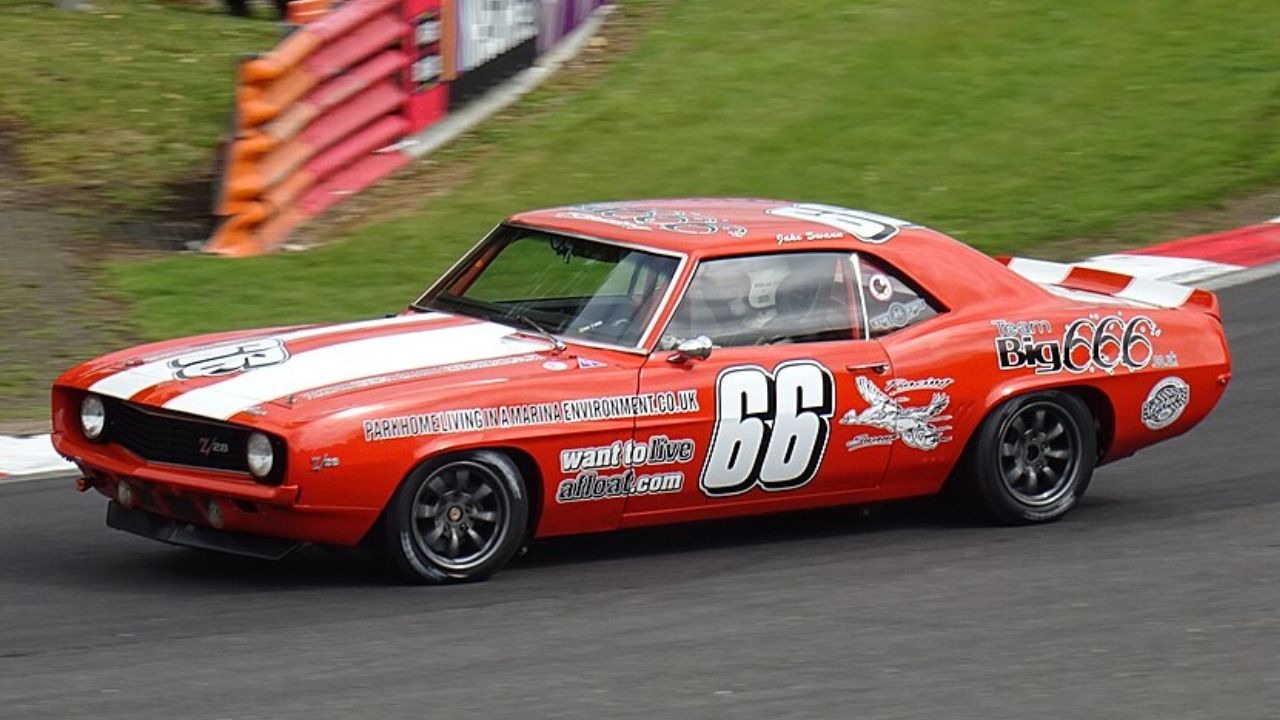
The Camaro arrived in 1966 as Chevrolet’s response to the rapidly growing pony-car market. It offered multiple engines and configurations, allowing buyers to choose everything from practical transportation to serious performance. The Camaro quickly established a rivalry with the Ford Mustang and became a major part of Chevrolet’s performance identity. Its combination of aggressive styling, V8 options, and motorsport involvement helped turn the nameplate into an enduring American icon.
Chevrolet Chevelle
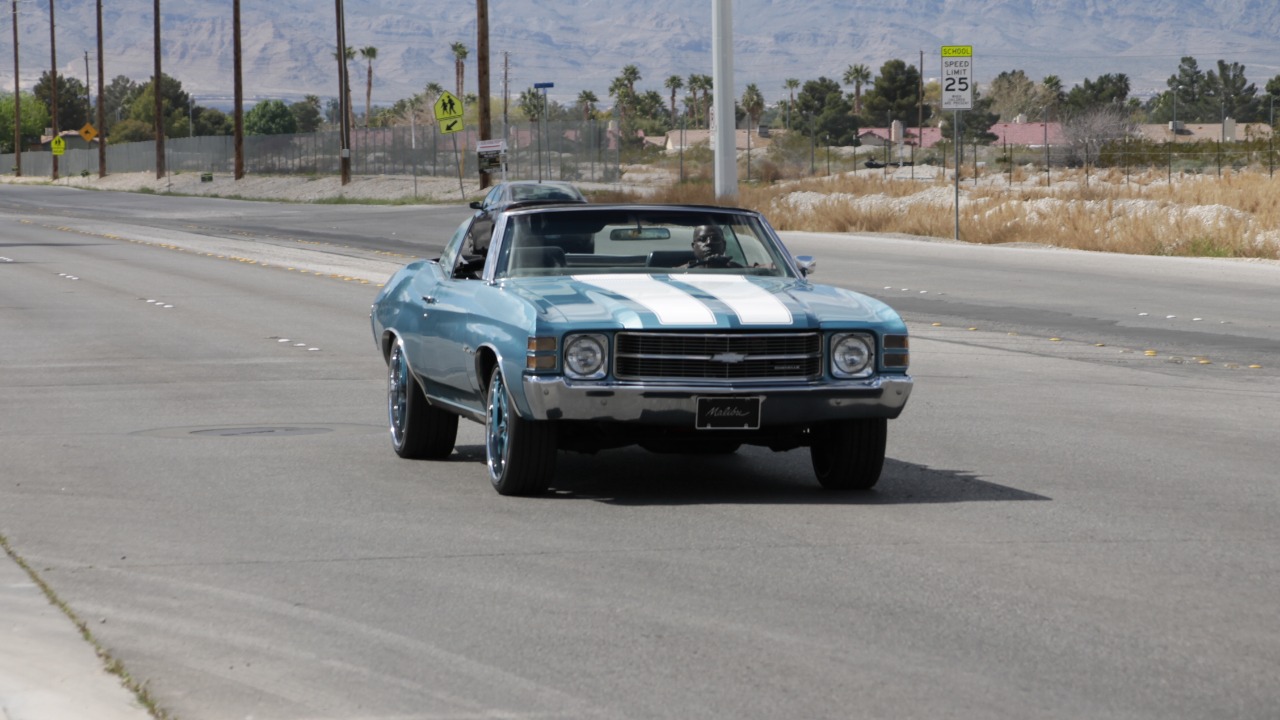
The Chevrolet Chevelle entered the market as a midsize car but became especially famous through its high-performance versions. Models such as the SS 396 and SS 454 transformed the Chevelle into a symbol of the muscle-car era. Its relatively conventional appearance made its performance capabilities even more surprising. As muscle cars became collectible, the Chevelle’s combination of size, styling, and big-block power turned it into one of the most respected Chevrolet performance cars.
Chevrolet Nova
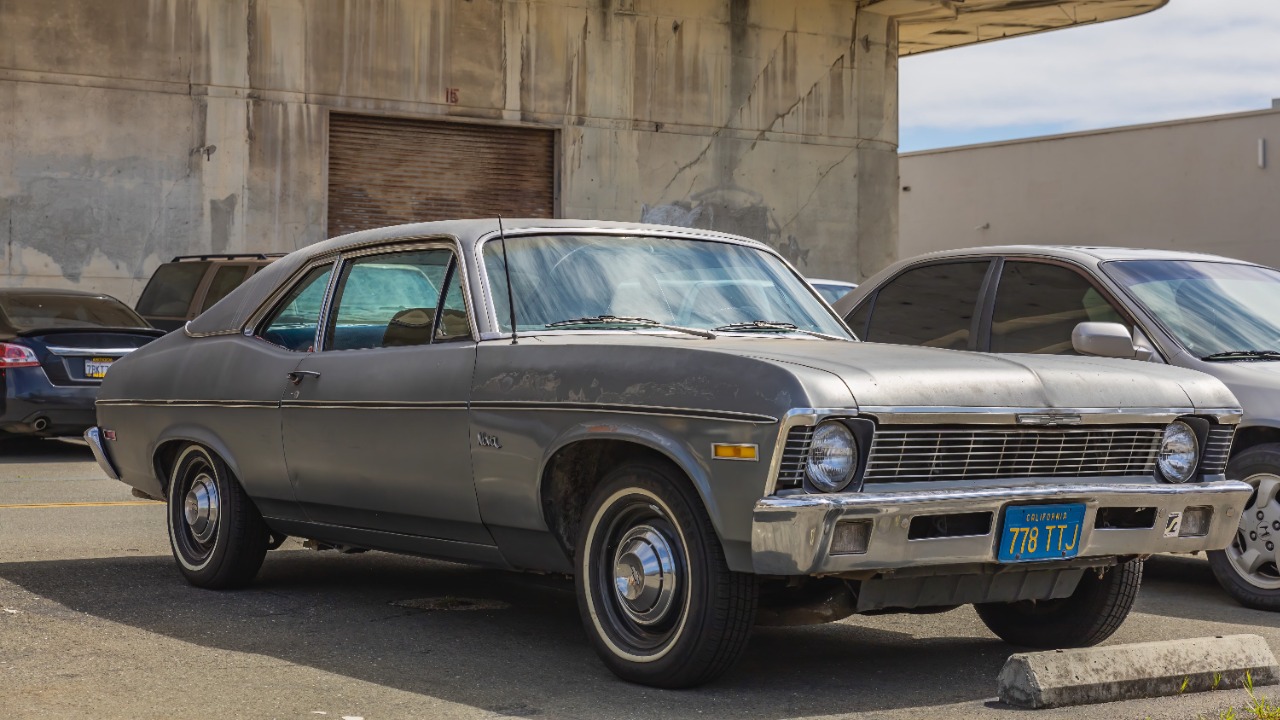
The Chevrolet Nova started as a compact and practical model, but its simple design eventually made it attractive to performance enthusiasts. V8 versions offered strong power in a relatively lightweight package, particularly during the muscle-car era. The Nova also became popular with drag racers and hot-rodders because its straightforward construction made modifications relatively easy. What began as an ordinary compact Chevrolet eventually developed a reputation as an understated performance platform.
Chevrolet El Camino
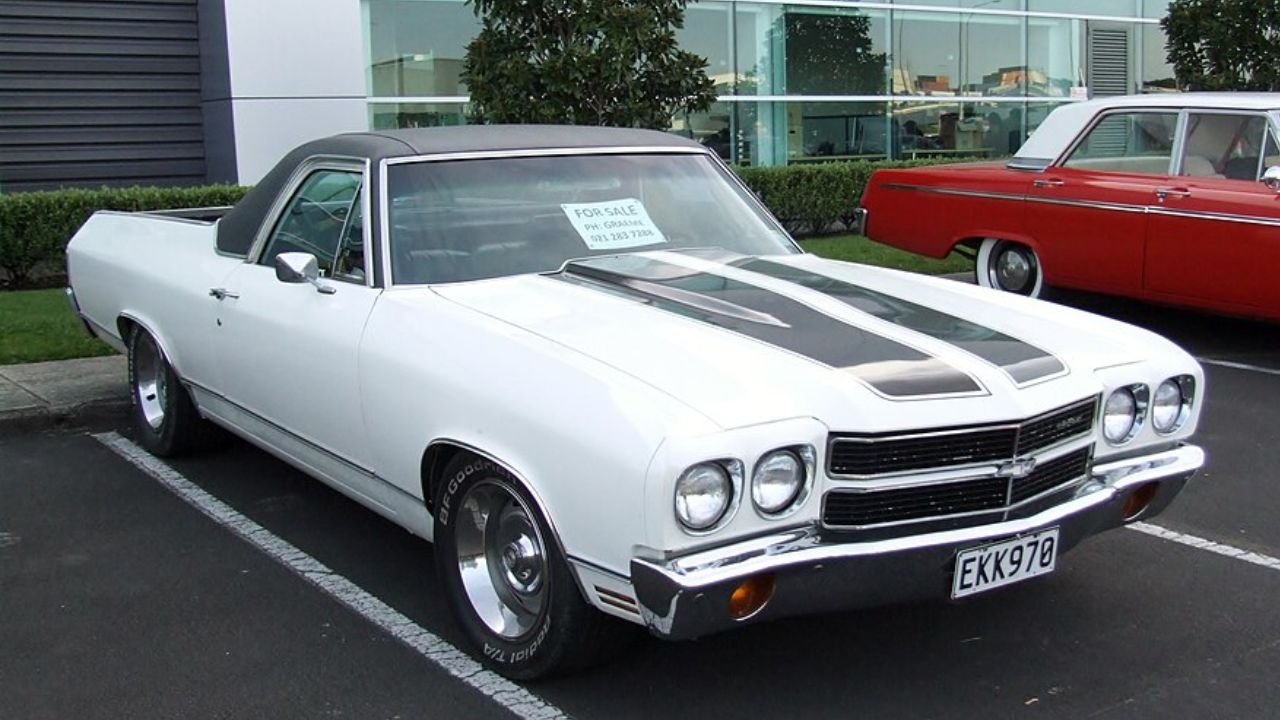
The Chevrolet El Camino combined passenger-car characteristics with an open cargo bed, creating one of Chevrolet’s most unusual vehicles. It appealed to buyers who wanted something more comfortable than a traditional pickup while retaining useful hauling ability. Performance versions later added powerful V8 engines, making the El Camino particularly distinctive. Its unusual combination of car and truck characteristics eventually turned it into a cult classic that remains instantly recognizable.
Chevrolet C10

The Chevrolet C10 became one of the most influential American pickups through its simple design, practical proportions, and wide range of configurations. The 1967–1972 generation became especially popular among collectors and custom builders. Its clean styling and body-on-frame construction provided an excellent foundation for restoration and modification. Although originally designed as a working truck, the C10 eventually became a major part of the classic-truck and custom scene.
Chevrolet Blazer
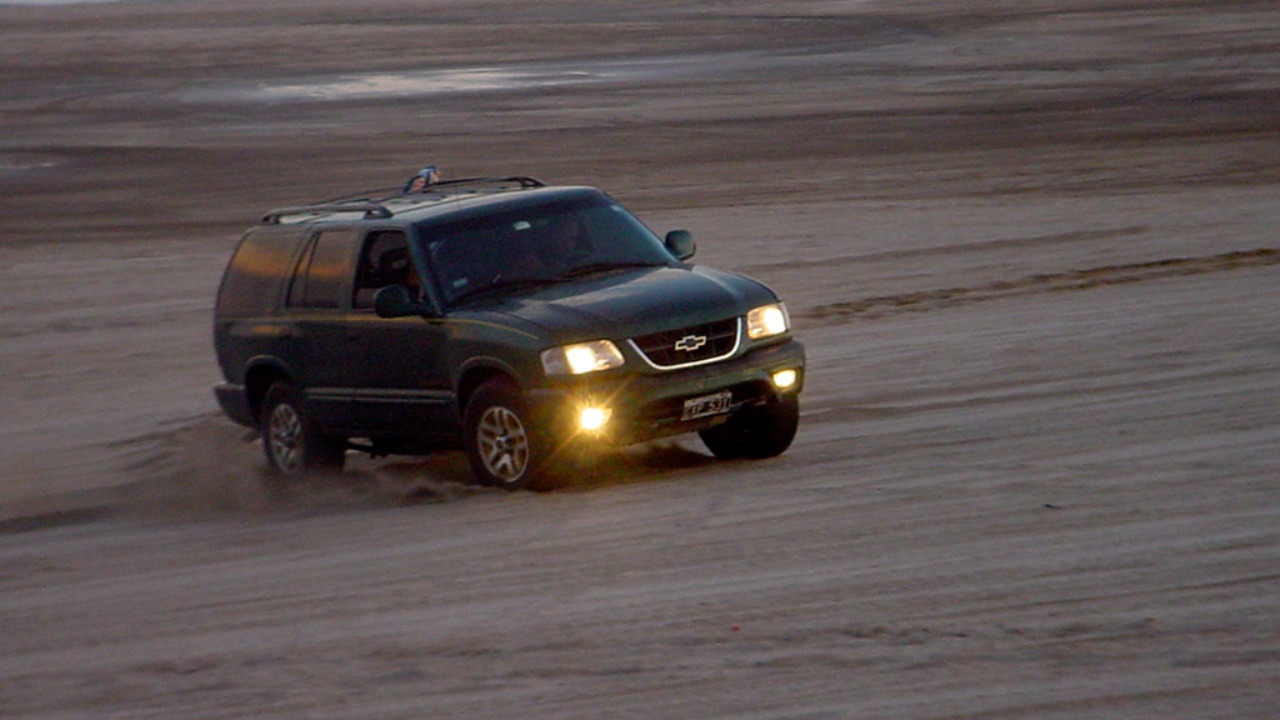
The Chevrolet Blazer helped establish the modern sport-utility vehicle formula when it debuted in 1969. Based on a shortened pickup platform, it combined four-wheel-drive capability with a more compact body and removable roof sections. The design appealed to people who wanted off-road ability without buying a full-size truck. Over time, the first-generation Blazer became highly collectible and helped define an entire category of vehicles that later became enormously popular.
Chevrolet Suburban
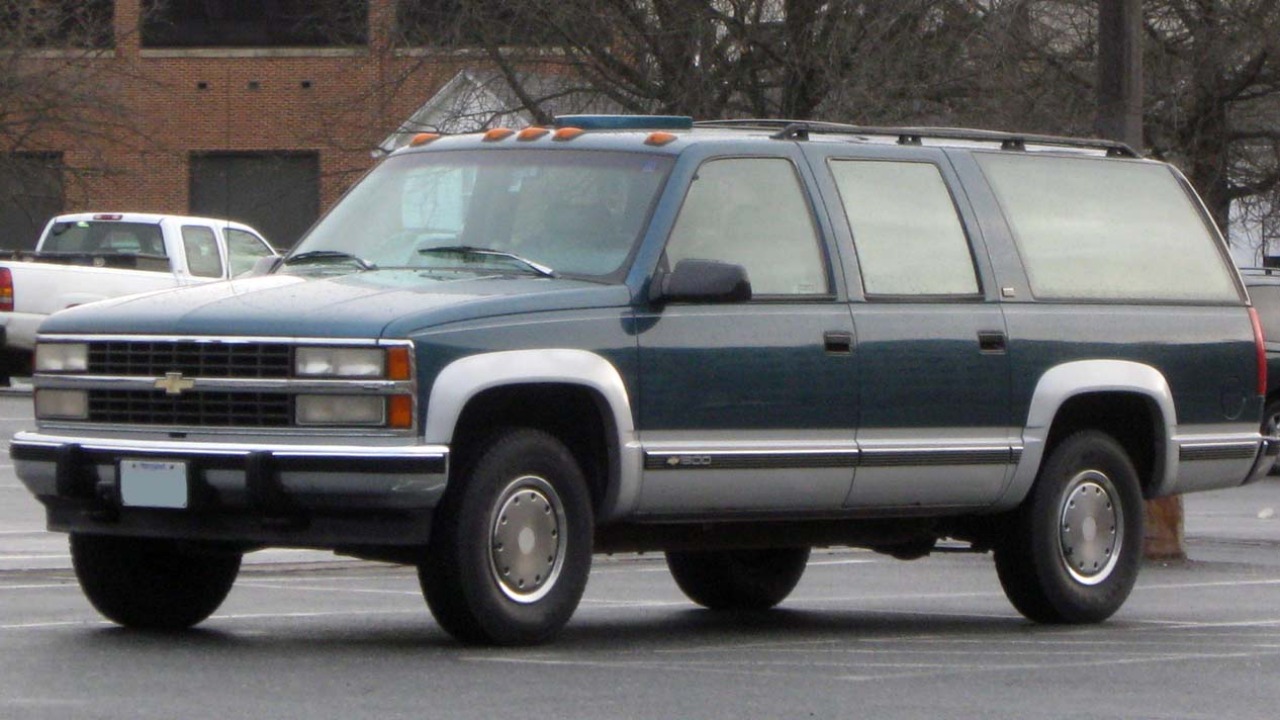
The Chevrolet Suburban has an unusually long history, but its earlier generations were originally practical utility vehicles rather than luxury icons. Its ability to carry people and equipment made it valuable to families, businesses, and rural users. Later generations increasingly combined utility with comfort. The Suburban eventually became one of Chevrolet’s most recognizable large vehicles and helped establish the full-size SUV as an important part of the American automotive market.
Chevrolet Chevette
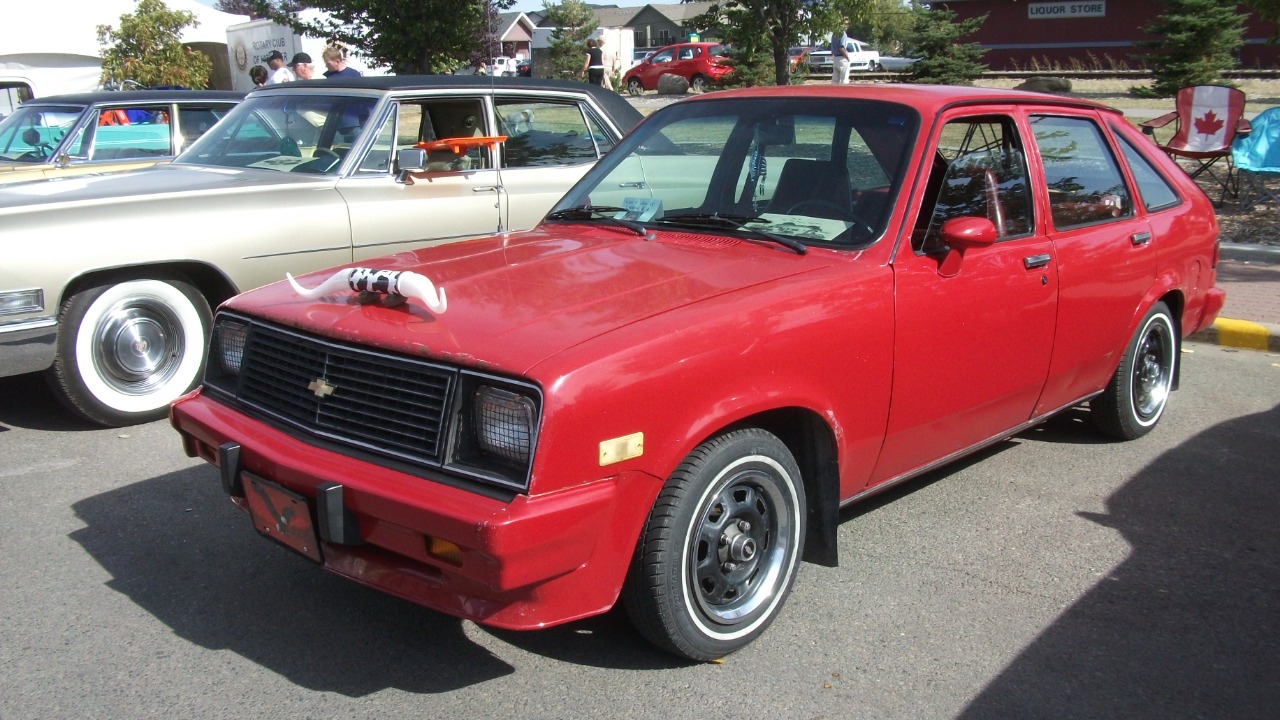
The Chevrolet Chevette arrived during an era when smaller and more economical cars were becoming increasingly important. Its simple design, compact dimensions, and relatively efficient four-cylinder engine made it a practical choice. It was never intended to be a performance icon, but its affordability and enormous production numbers gave it a lasting cultural presence. Today, surviving examples attract attention precisely because ordinary cars of the period have become increasingly difficult to find.
Chevrolet Monte Carlo
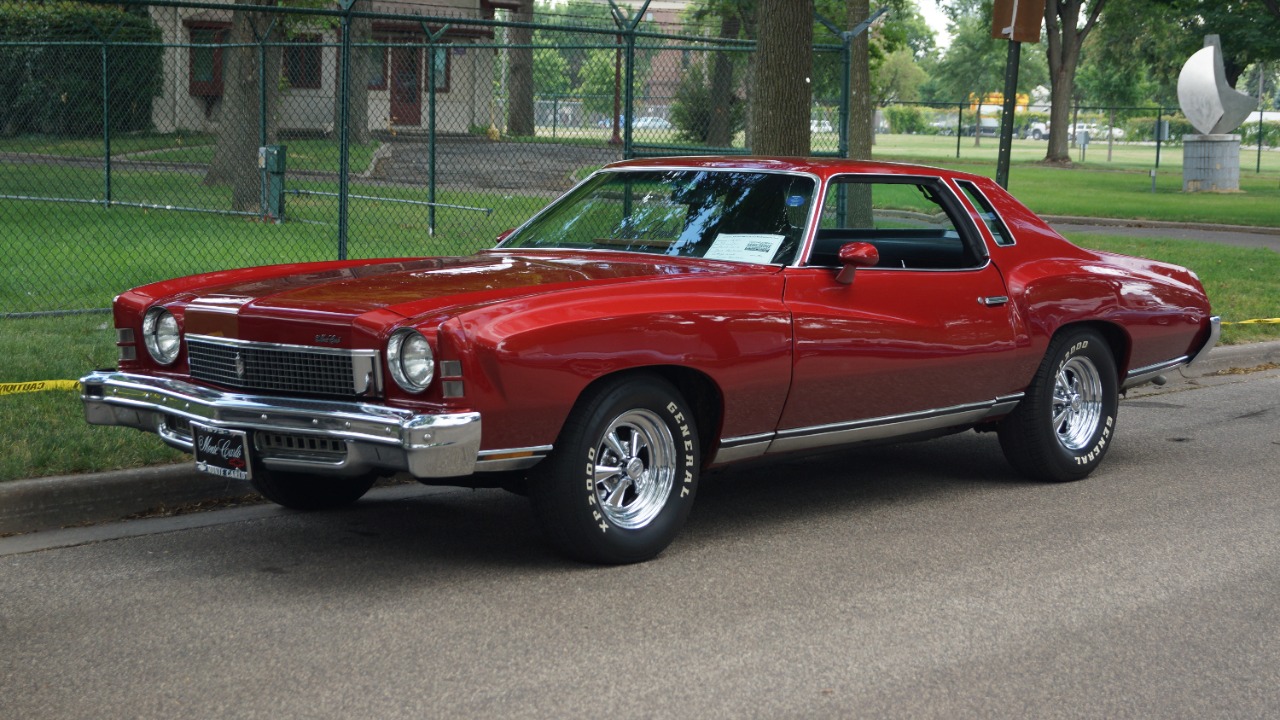
The Chevrolet Monte Carlo entered the market as a personal luxury coupe rather than a traditional muscle car. Its long hood, formal roofline, and comfortable interior gave it a distinctive character. Performance versions later added more powerful engines, while NASCAR competition strengthened the Monte Carlo’s image. The model eventually became associated with both personal luxury and stock-car racing, giving it a surprisingly broad appeal among collectors.
Chevrolet Corvette Sting Ray
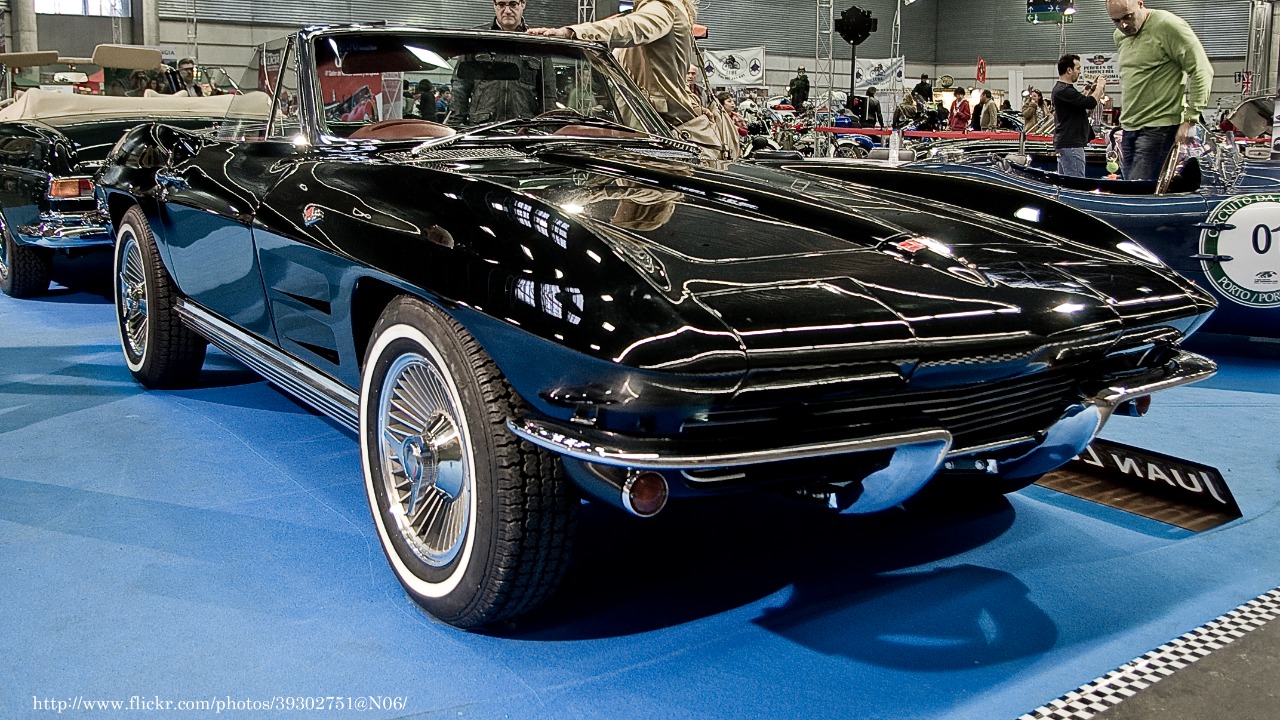
The second-generation Corvette Sting Ray transformed the Corvette’s image with sharp styling, independent rear suspension, and available high-performance engines. The split-window 1963 coupe became particularly famous for its unusual rear design. Chevrolet combined dramatic appearance with increasingly sophisticated engineering, turning the Corvette into a serious sports car rather than simply an attractive American roadster. The Sting Ray quickly became one of the most recognizable designs in Chevrolet history.
Chevrolet Chevelle SS 454
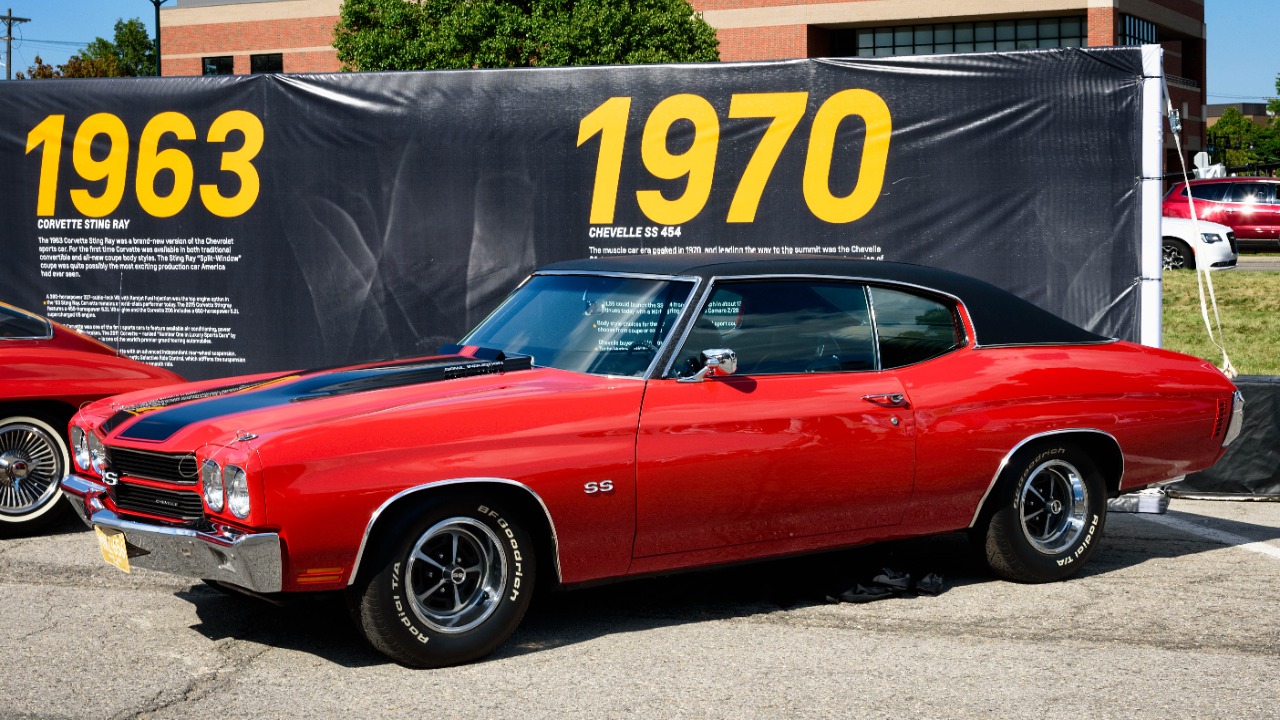
The Chevelle SS 454 represented one of the most powerful expressions of the classic Chevrolet muscle-car formula. Its big-block V8 delivered substantial torque, while the midsize body gave it an aggressive combination of size and performance. At the time, it was one of many high-powered American cars competing for buyers. As the muscle-car era ended, however, the SS 454 became increasingly significant to collectors and eventually emerged as one of the most famous Chevelles.
Chevrolet Camaro Z/28
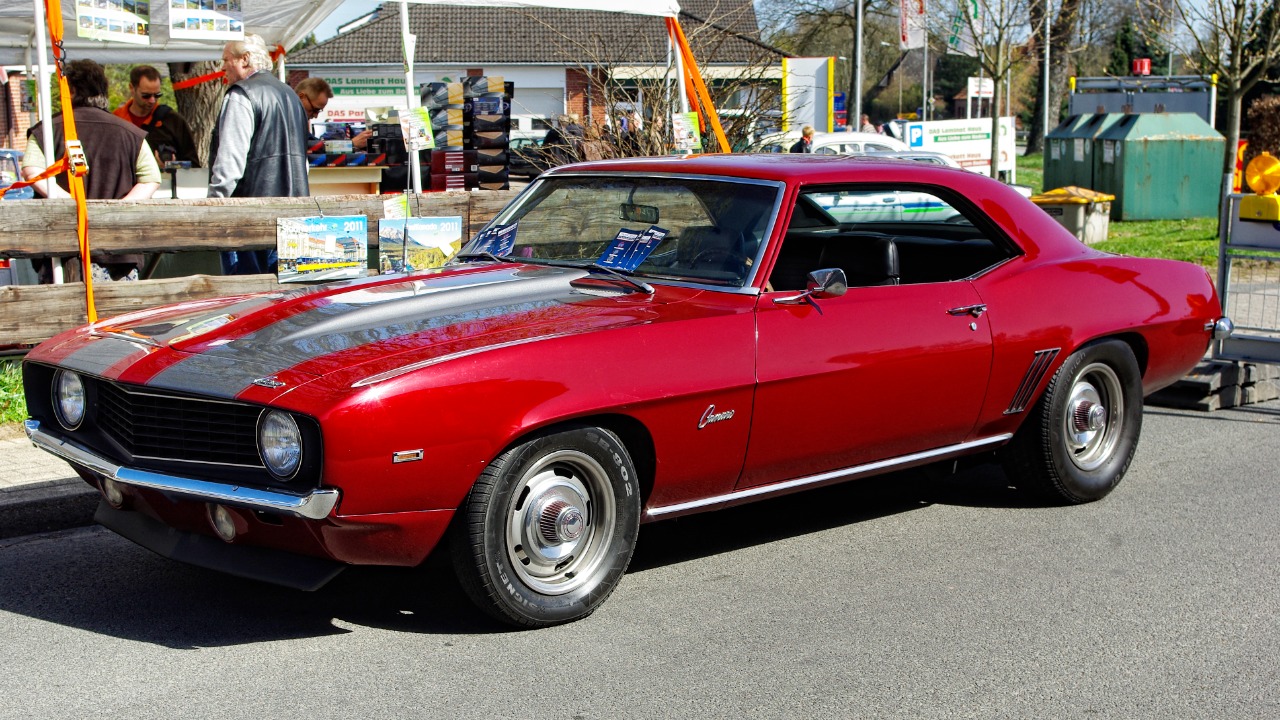
The Camaro Z/28 was developed with performance and racing competition in mind, particularly through its connection to the SCCA Trans-Am series. Its high-revving small-block V8, manual transmission, and handling-focused equipment gave it a different character from larger-engine muscle cars. The Z/28 name became increasingly important as Camaro enthusiasts recognized its racing heritage. It eventually became one of Chevrolet’s most famous performance badges.
Chevrolet Corvette ZR-1
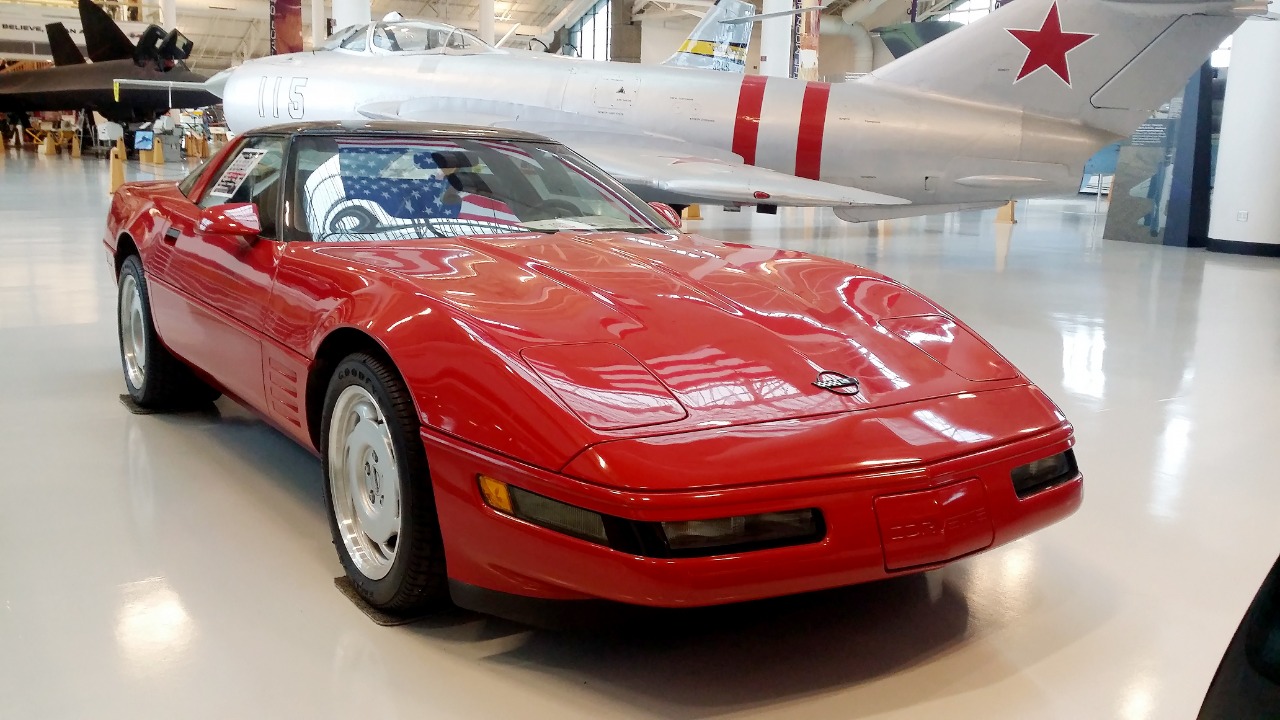
The Corvette ZR-1 of the early 1990s demonstrated that Chevrolet could compete with sophisticated European sports cars while retaining the Corvette’s traditional performance value. Its Lotus-developed LT5 V8, six-speed manual transmission, and upgraded chassis made it significantly more advanced than the standard Corvette. The ZR-1 initially surprised the performance world with its engineering and speed. Today, it is remembered as a landmark in the development of modern high-performance Corvettes.
Chevrolet Silverado
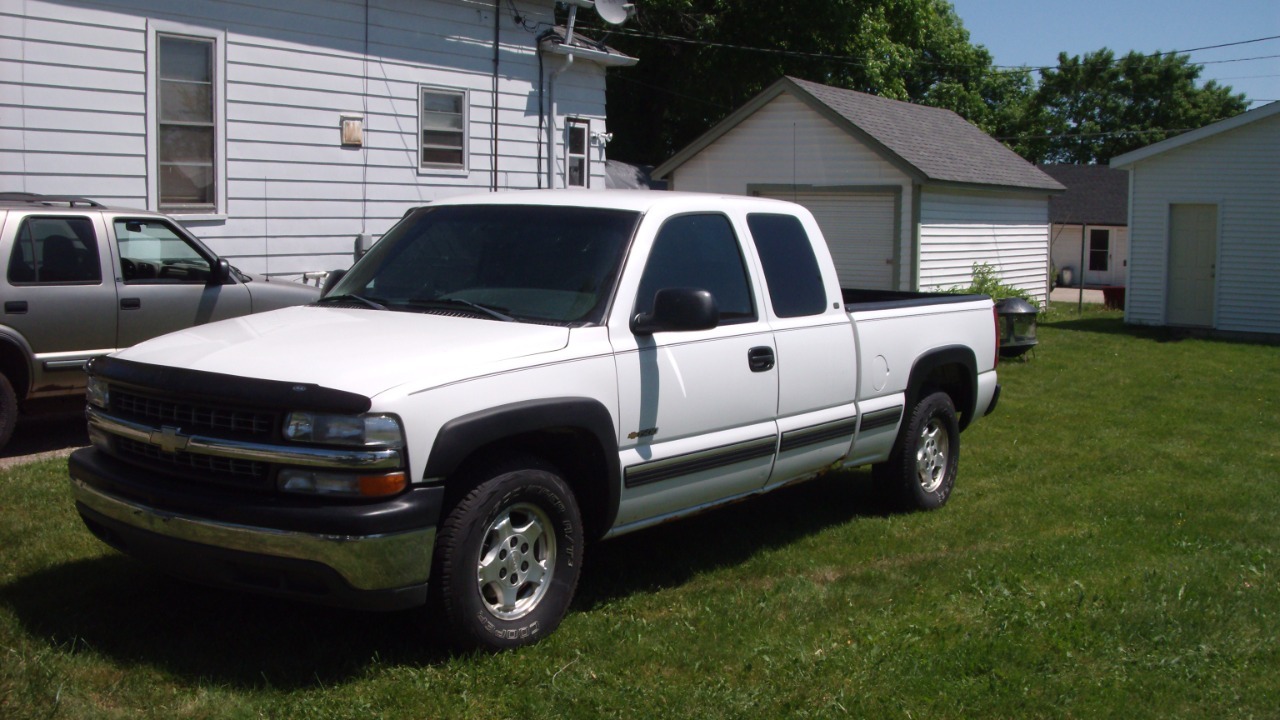
The Chevrolet Silverado name first appeared in 1998 as Chevrolet separated its full-size pickup naming from the traditional C/K designation. The truck combined increasing levels of power, towing capability, comfort, and technology. What started as a new name for Chevrolet’s full-size pickup line quickly became one of America’s most recognizable truck nameplates. Its long-term success helped establish the Silverado as a major part of Chevrolet’s modern identity.
Chevrolet TrailBlazer SS
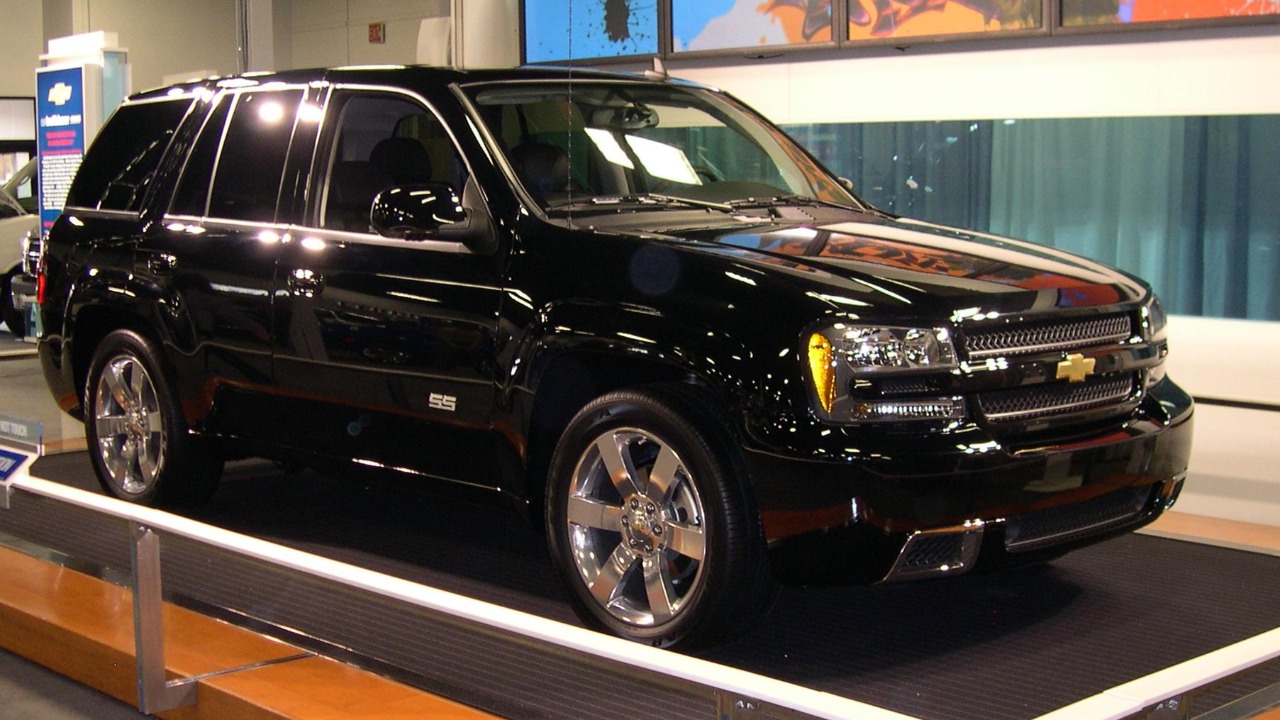
The TrailBlazer SS took the formula of a practical SUV and added a powerful V8 engine and performance-oriented hardware. It was unusual because buyers could obtain serious performance without giving up the cargo space and seating of an SUV. The model was produced for only a limited period, which later helped it develop a following among enthusiasts. Its combination of V8 power, rear-wheel drive, and SUV practicality made it a memorable Chevrolet performance model.
Chevrolet SSR
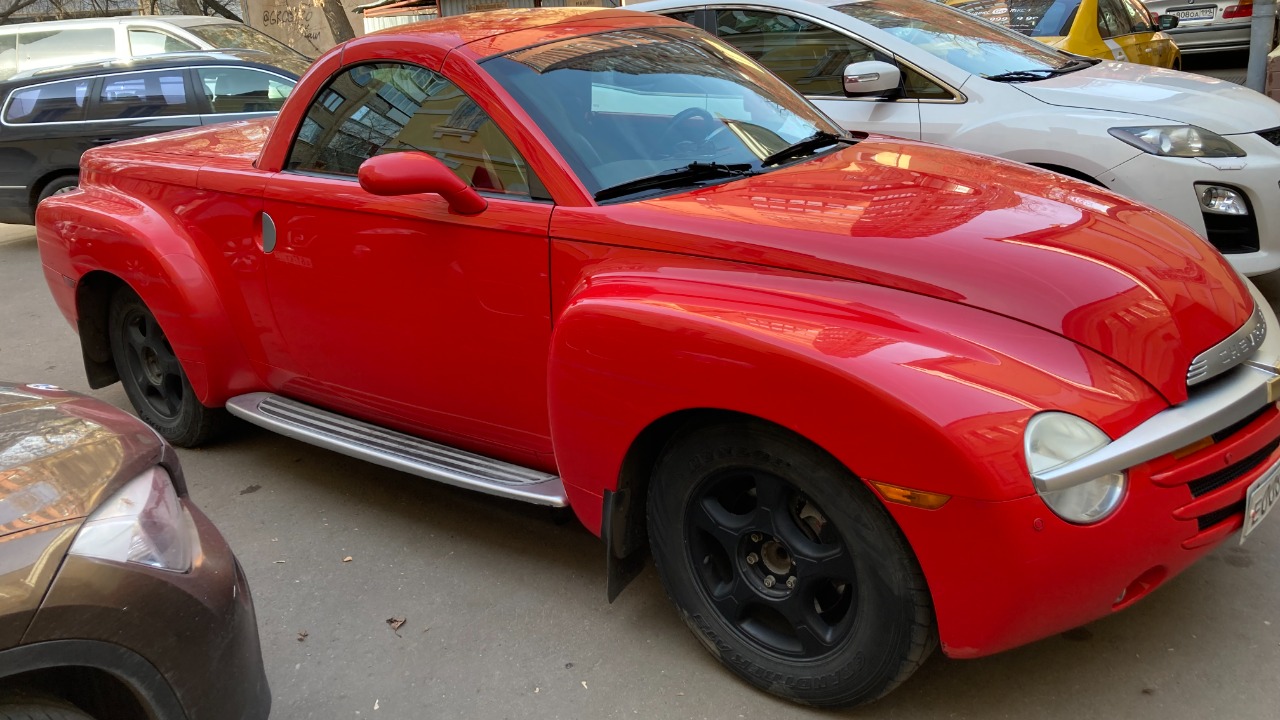
The Chevrolet SSR was one of the company’s most unusual modern vehicles. Its retro-inspired styling, retractable hardtop, pickup bed, and available V8 power created a combination that was unlike ordinary trucks or sports cars. Although sales were limited, the SSR developed a dedicated following after production ended. Its unusual design has helped it become increasingly interesting to collectors looking for distinctive Chevrolet vehicles that never became commonplace.
Chevrolet Volt
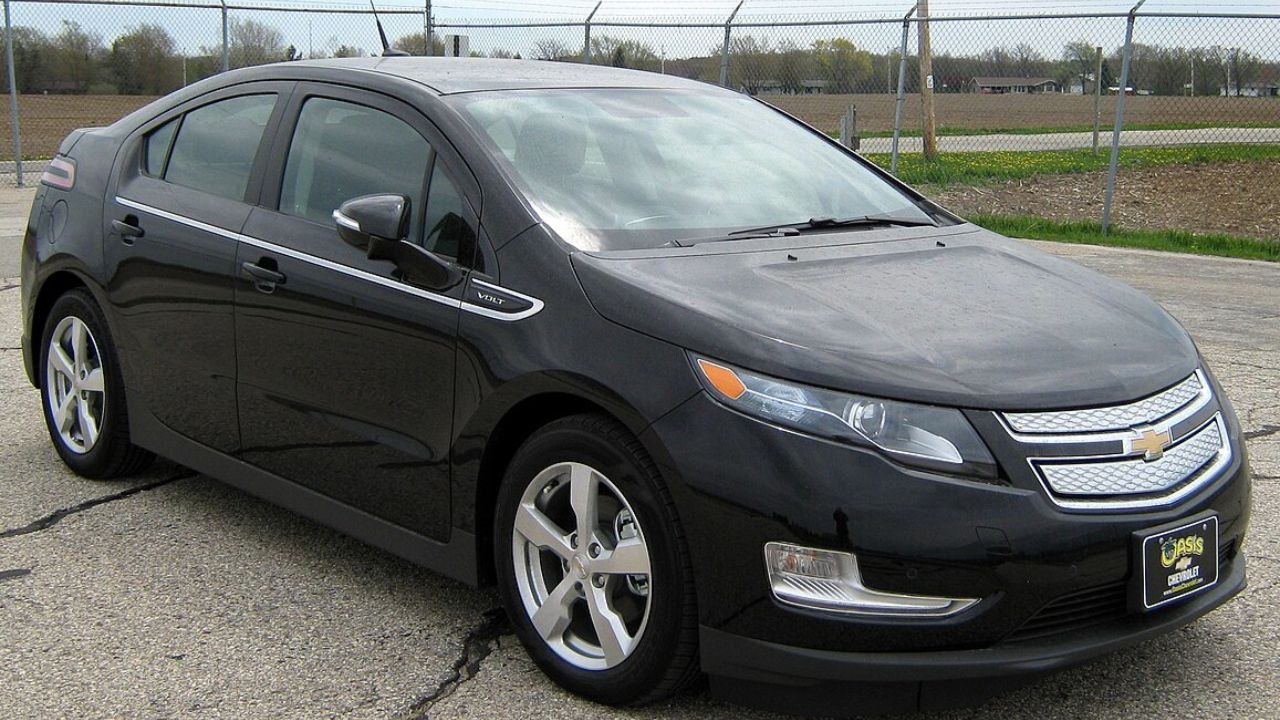
The Chevrolet Volt became an important Chevrolet model by introducing a plug-in hybrid system designed around extended electric driving. Instead of simply producing a conventional hybrid, Chevrolet developed a vehicle capable of using electric power for normal driving while retaining an internal combustion engine for extended range. Its technology was significant during the early transition toward electrification. Although it was not a traditional performance or collector car, the Volt became an important part of Chevrolet’s modern history.
More from Fast Lane Only
- Unboxing the WWII Jeep in a Crate
- 15 rare Chevys collectors are quietly buying
- 10 underrated V8s still worth hunting down
- Police notice this before you even roll window down
*Research for this article included AI assistance, with all final content reviewed by human editors