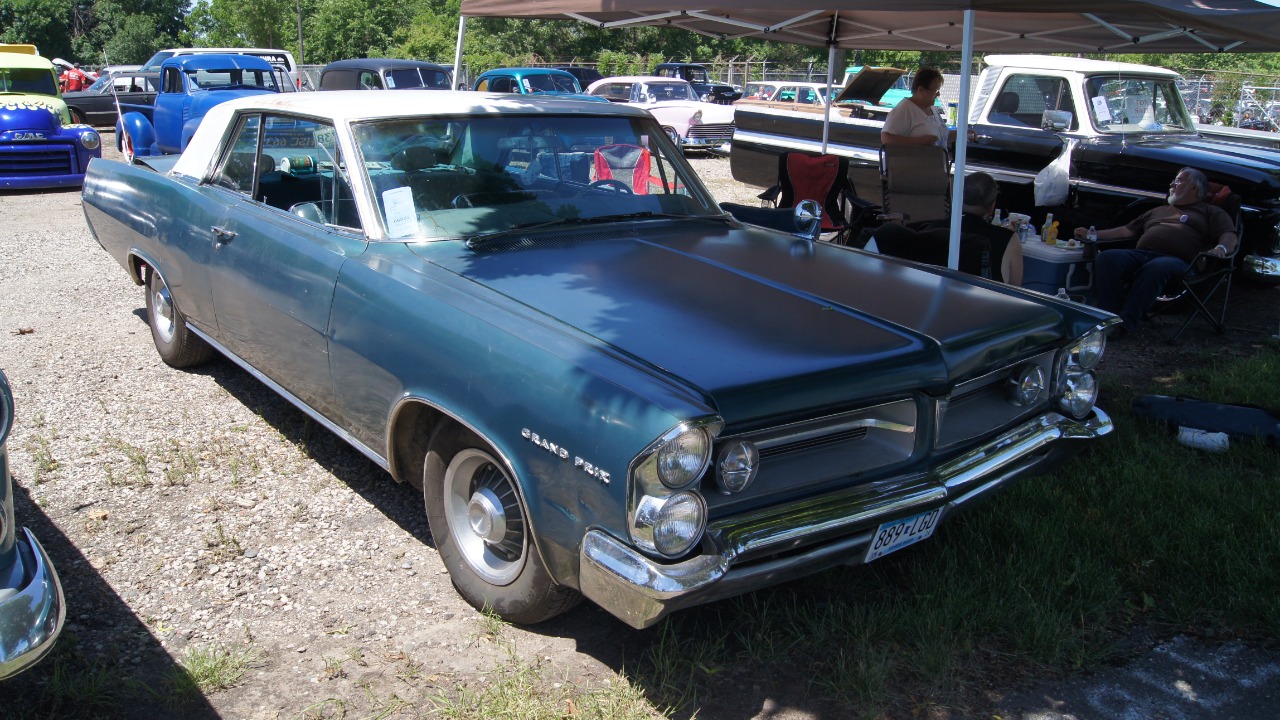
In the world of classic automobiles, the 1963 Pontiac Grand Prix stands out not only for its design and performance but also for its abrupt removal from the market. The reasons behind the Grand Prix’s sudden exit from the Pontiac lineup are multifaceted, illustrating the complexities of automotive production and market dynamics during that era. Exploring these factors provides a deeper understanding of how decisions were made in the automotive industry in the early 1960s.
Historical Context of the 1963 Pontiac Grand Prix
The early 1960s marked a transformative period for the Pontiac brand, which was striving to establish itself as a leader in the burgeoning muscle car market. Pontiac’s tagline, “We Build Excitement,” was not merely a slogan; it was a reflection of the brand’s commitment to performance and style. The Grand Prix was introduced in 1962 as a performance-oriented model, and by 1963, it had cemented its position as a flagship vehicle for the brand. As a full-sized car, the Grand Prix combined luxury with a powerful engine, appealing to a demographic that craved both comfort and speed.
The automotive landscape in the early 1960s was characterized by fierce competition among manufacturers. Brands like Ford, Chevrolet, and Chrysler were all vying for market share, each introducing innovative designs and powerful engines. This competitive spirit was fueled by changing consumer tastes, as buyers began to favor performance and style over traditional sedans. Pontiac’s Grand Prix was well-positioned to capitalize on these trends, but it would soon face challenges that would lead to its sudden discontinuation.
Sales Performance and Consumer Demand
Sales figures for the 1963 Pontiac Grand Prix reveal much about its reception in the market. In its debut year, the Grand Prix sold approximately 76,000 units, a substantial number that indicated strong consumer interest. However, when examining the 1963 model year, sales dipped to around 30,000 units. This sharp decline raised red flags within General Motors, prompting a reevaluation of the model’s future. The decline in sales can be attributed to several factors, including shifting consumer preferences and economic conditions.
During the early 1960s, consumers began to gravitate toward smaller, more fuel-efficient cars. The post-war economic boom was giving way to a more cautious economic climate, and buyers were becoming more discerning about their automotive purchases. The rise of compact cars and the increasing popularity of imports, particularly from Europe, forced American manufacturers to reconsider their offerings. The Grand Prix’s size and fuel consumption did not align with the changing tastes of consumers, significantly impacting its sales performance.
Design and Engineering Challenges
The 1963 Pontiac Grand Prix was notable for its unique design elements, which included a sleek, low profile and a distinctive split grille. However, these bold design choices were not universally praised. While many consumers appreciated the car’s aesthetic appeal, others found certain features, such as the cramped interior space, less than ideal. Additionally, the car’s engineering faced various challenges during production, particularly with its transmission system, which experienced reliability issues.
Feedback from consumers played a critical role in shaping the design of future models. The engineering difficulties faced in the Grand Prix’s production highlighted the need for improved quality control processes, which would become a focus for General Motors in subsequent years. As a result, the lessons learned from the 1963 model influenced the design and engineering of the next generation of Pontiac vehicles, including the 1965 Grand Prix, which addressed many of the shortcomings of its predecessor.
Corporate Decisions and Strategic Shifts
Behind the scenes, General Motors was undergoing significant strategic shifts during the 1960s. The company was reevaluating its product lines and marketing strategies in response to evolving consumer demands. Internal discussions revealed a growing concern about the profitability of the Grand Prix, particularly in light of its declining sales figures. As the company analyzed market research data, it became clear that the Grand Prix was no longer aligned with the direction in which Pontiac and the broader automotive industry were heading.
The decision to pull the Grand Prix from the lineup was not made lightly. Executives at General Motors recognized that the brand needed to focus on models that resonated with consumers and aligned with emerging trends. This strategic shift ultimately led to the introduction of more compact and fuel-efficient models, as the company sought to adapt to the changing automotive landscape. The discontinuation of the Grand Prix was a pivotal moment for Pontiac, prompting a reevaluation of its identity within the automotive market.
Legacy and Impact on Future Models
The discontinuation of the 1963 Pontiac Grand Prix had far-reaching effects on Pontiac’s subsequent models. While the Grand Prix was no longer part of the lineup, the brand learned valuable lessons about consumer preferences and market conditions. The challenges faced by the 1963 model informed the design and marketing strategies for future vehicles, ultimately leading to the successful relaunch of the Grand Prix in 1965, which would go on to become a hallmark of Pontiac’s performance image.
The legacy of the 1963 Grand Prix lives on among classic car enthusiasts and collectors. Its unique design and performance capabilities have earned it a dedicated following, making it a sought-after model in the classic car market. The lessons learned from the 1963 Grand Prix’s abrupt exit from the market serve as a reminder of the importance of adaptability in the automotive industry. Companies must be willing to respond to consumer needs and market conditions to remain competitive.
The End of an Era
The significance of the 1963 Pontiac Grand Prix in automotive history cannot be overstated. Its abrupt removal from the market reflects broader trends in the automotive industry during a time of rapid change. As manufacturers adapted to shifting consumer preferences and economic conditions, the Grand Prix’s story serves as a cautionary tale about the volatility of the automotive market.
In reflecting on the cultural impact of the Grand Prix, it becomes clear that this vehicle occupies a unique place in car lore. It symbolizes a transitional period in American automotive history, where classic designs met the realities of a changing consumer landscape. The lessons learned from the 1963 Grand Prix continue to resonate, reminding us that even iconic vehicles can face unexpected challenges in the fast-paced world of automotive production.
More from Fast Lane Only
- Unboxing the WWII Jeep in a Crate
- 15 rare Chevys collectors are quietly buying
- 10 underrated V8s still worth hunting down
- Police notice this before you even roll window down
*Research for this article included AI assistance, with all final content reviewed by human editors.