Some pickups earn their reputations without making much noise. They spend years hauling equipment, pulling trailers, working farms, and handling daily abuse before their owners finally admit just how durable they are. These trucks may not always be the most glamorous choices, but their strong drivetrains and straightforward designs helped many survive far longer than expected.
Chevrolet S-10

The Chevrolet S-10 became a popular choice for drivers who wanted a useful truck without the size of a full-size pickup. Its compact dimensions made it easy to use around town, while several engines proved capable of handling years of ordinary work. Plenty were treated as inexpensive workhorses, yet well-maintained examples have shown remarkable staying power.
Ford Courier

The Ford Courier gave American buyers a compact pickup at a time when smaller trucks were becoming increasingly attractive. Early versions used simple mechanical components and compact engines that were relatively easy to maintain. Their straightforward construction helped many survive years of basic hauling duty. Today, finding a clean Courier is difficult, partly because so many were used hard.
Chevrolet LUV
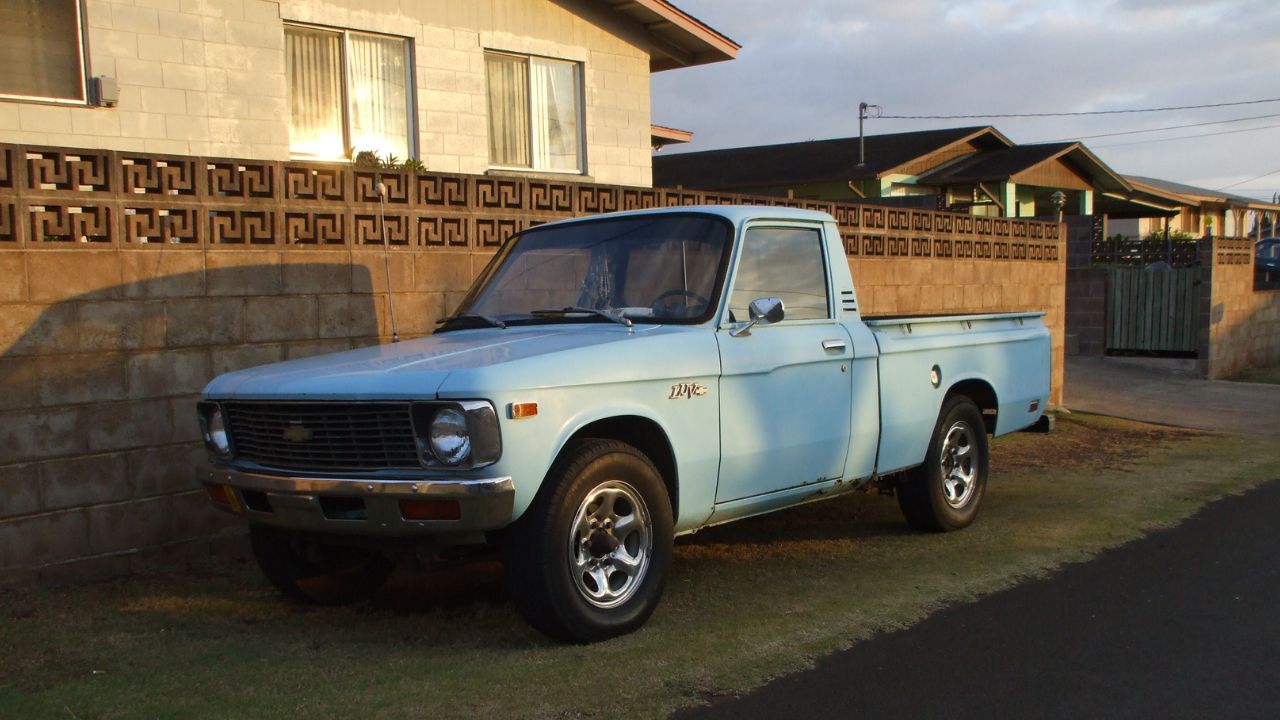
The Chevrolet LUV was another small pickup that earned its place through simplicity. Its compact size made it useful for light-duty work, while its straightforward mechanical design kept maintenance manageable. These trucks were never treated like valuable collectibles when new, so many disappeared through ordinary use. Surviving examples now reveal how durable a basic little work truck could be.
Chevrolet Colorado ZR2

The Colorado ZR2 was designed around serious off-road capability, requiring stronger suspension components and specialized hardware to handle difficult terrain. Its rugged approach gave the midsize pickup a more substantial character than ordinary street-focused versions. Although modern electronics are part of the package, the underlying truck is still designed to absorb abuse from rough trails. It shows how durability can be engineered into a smaller pickup without simply making the vehicle larger.
Chevrolet C-20
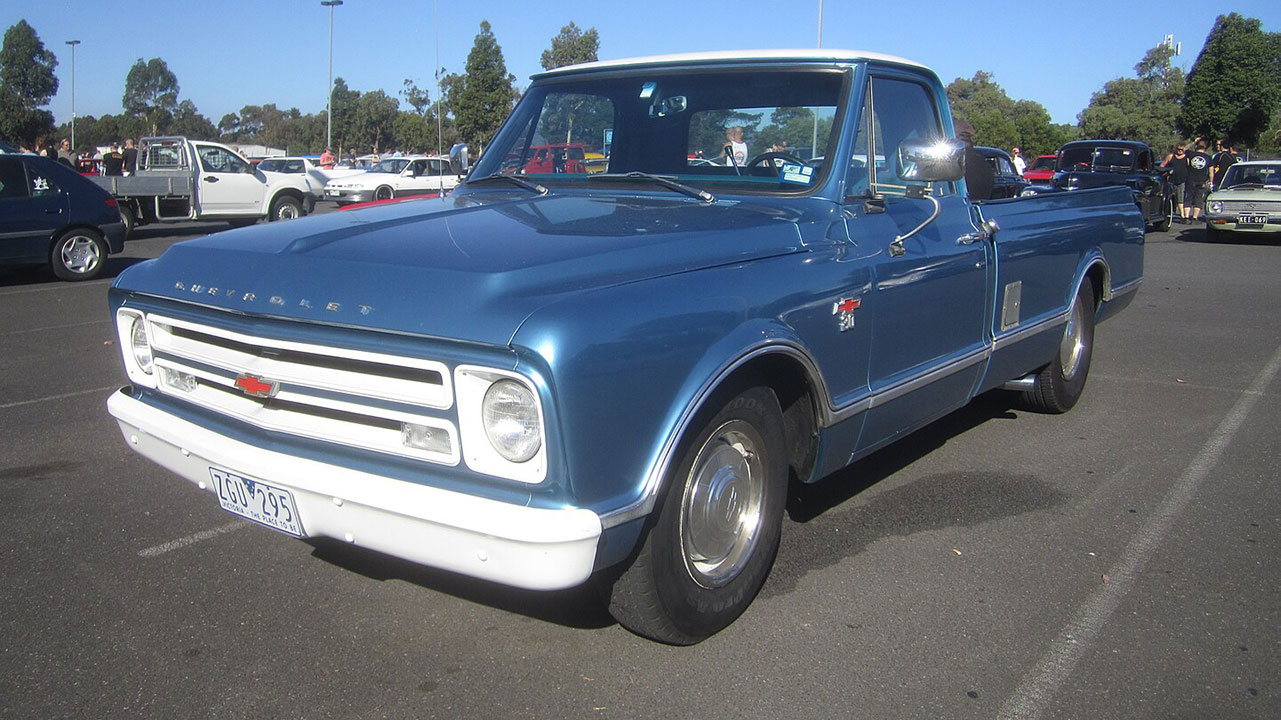
The Chevrolet C-20 was built for owners who needed more capability than a half-ton pickup could provide. Its heavier-duty suspension and robust drivetrain made it well suited to farms, construction sites, and towing duties. Many were worked extremely hard, yet surviving examples demonstrate how much abuse a properly maintained full-size Chevrolet could absorb.
Ford F-600

The F-600 was designed for serious work rather than casual pickup duty. Its heavier chassis and commercial-oriented construction allowed it to handle substantial loads without being treated gently. Many spent their lives hauling equipment or working on farms. Their survival into old age says plenty about the strength of Ford’s heavy-duty truck engineering.
Chevrolet K30
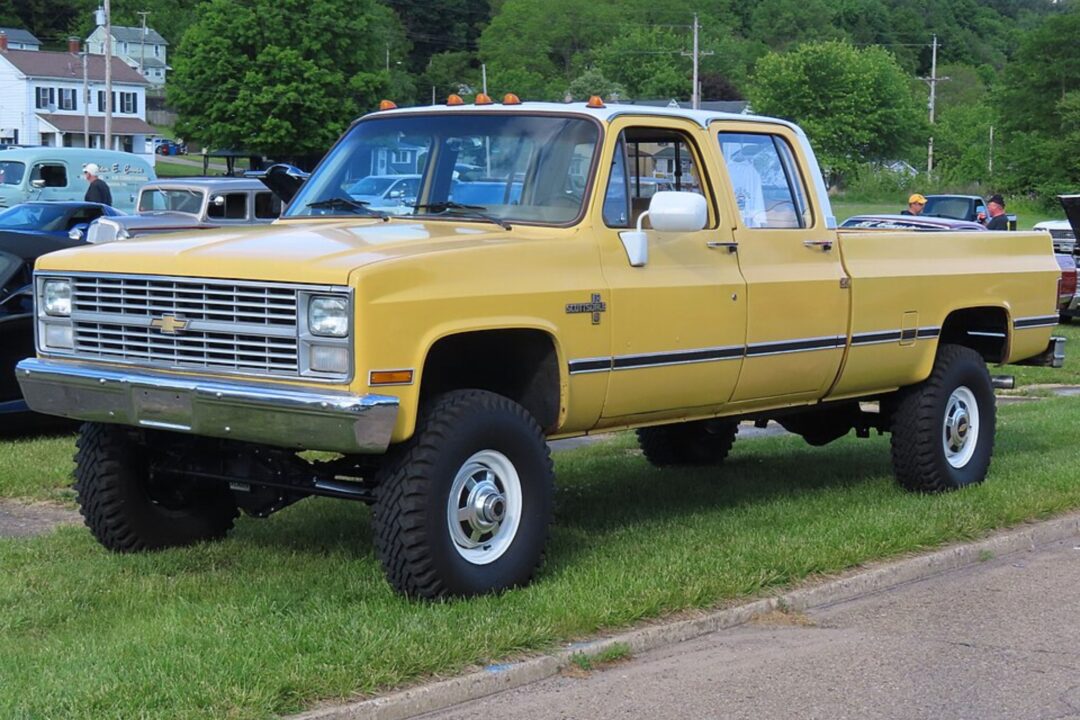
The K30 represented the heavy-duty four-wheel-drive side of Chevrolet’s classic truck lineup. Built for demanding work, it combined a sturdy frame with substantial suspension and drivetrain components. These trucks were commonly used for towing and off-road jobs that could punish lighter vehicles. A properly maintained K30 can still command respect for its mechanical toughness.
Ford F-350 Super Duty
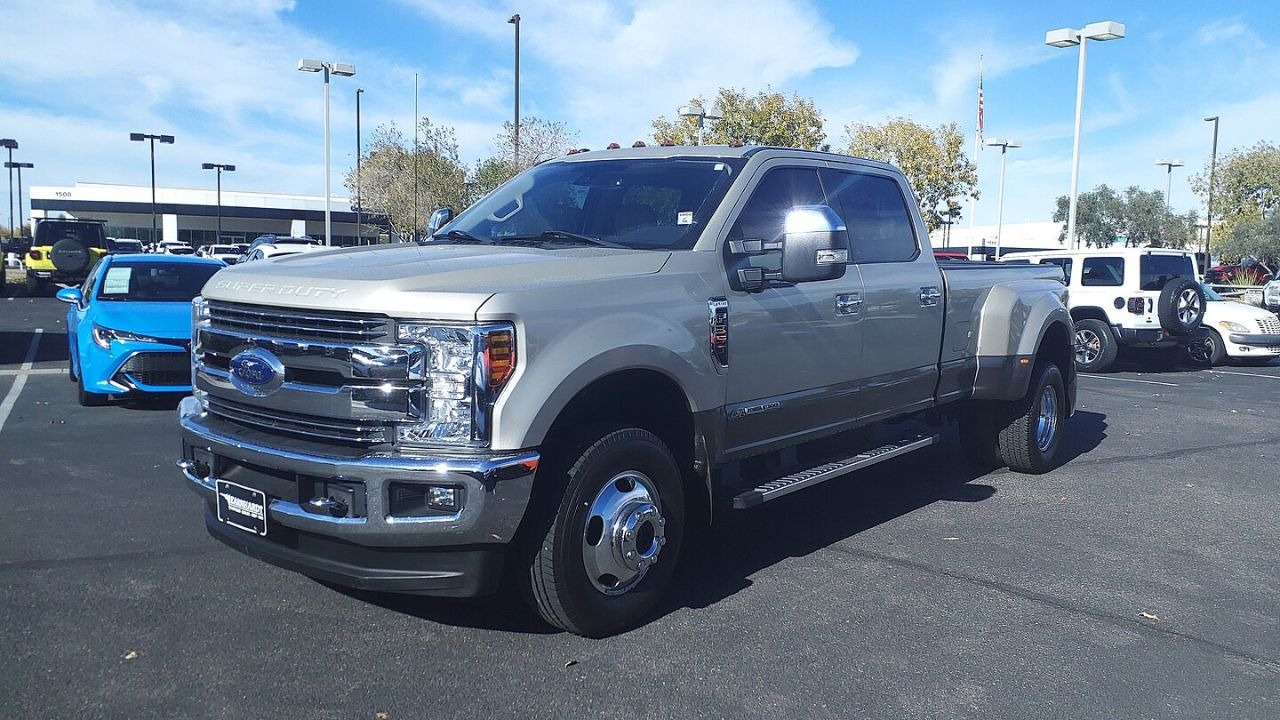
The F-350 has long occupied the heavy-duty end of Ford’s pickup range. Its purpose has always been straightforward: carry serious loads, tow substantial trailers, and keep working. Depending on generation, buyers could choose from gasoline and diesel powertrains designed for demanding service. That work-focused engineering has helped many F-350s remain useful long after their original owners moved on.
Chevrolet C-30
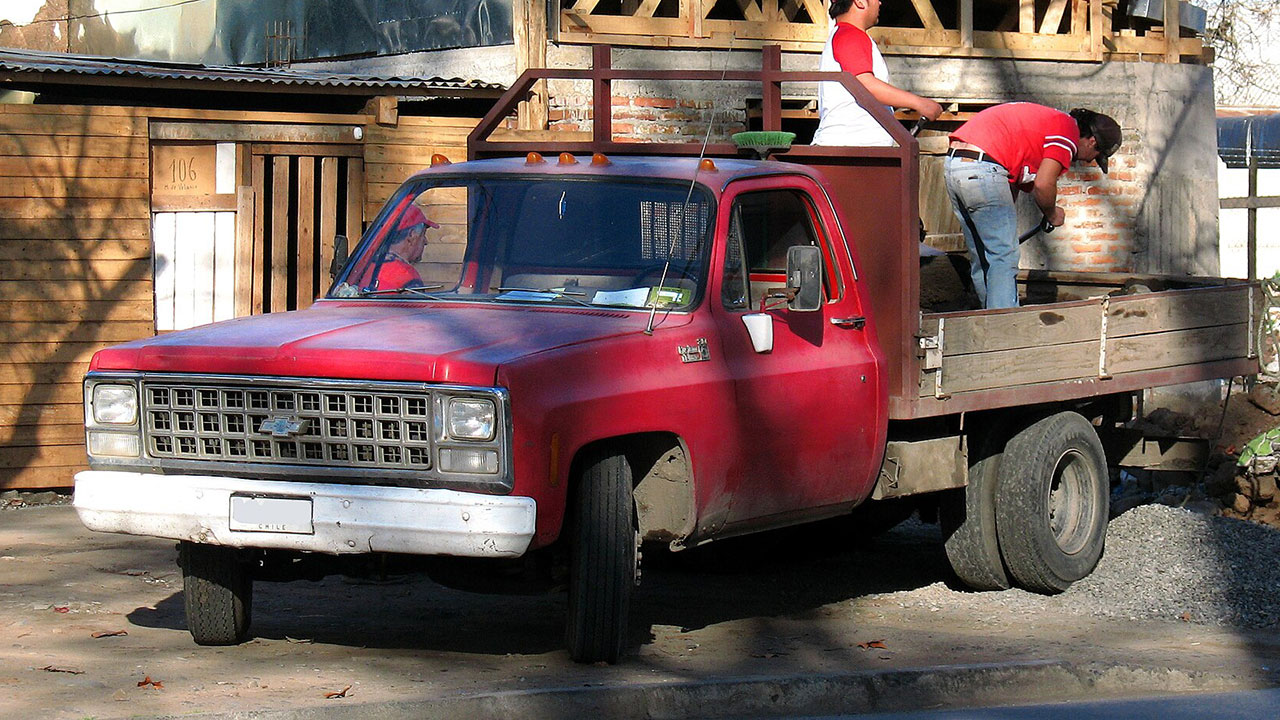
The C-30 was built for buyers who needed a serious work truck without moving into a full commercial vehicle. Its heavier-duty chassis and suspension made it particularly useful for towing, hauling, and agricultural work. Many were used relentlessly, making surviving examples a testament to the durability of Chevrolet’s traditional truck architecture.
Ford F-250 Camper Special
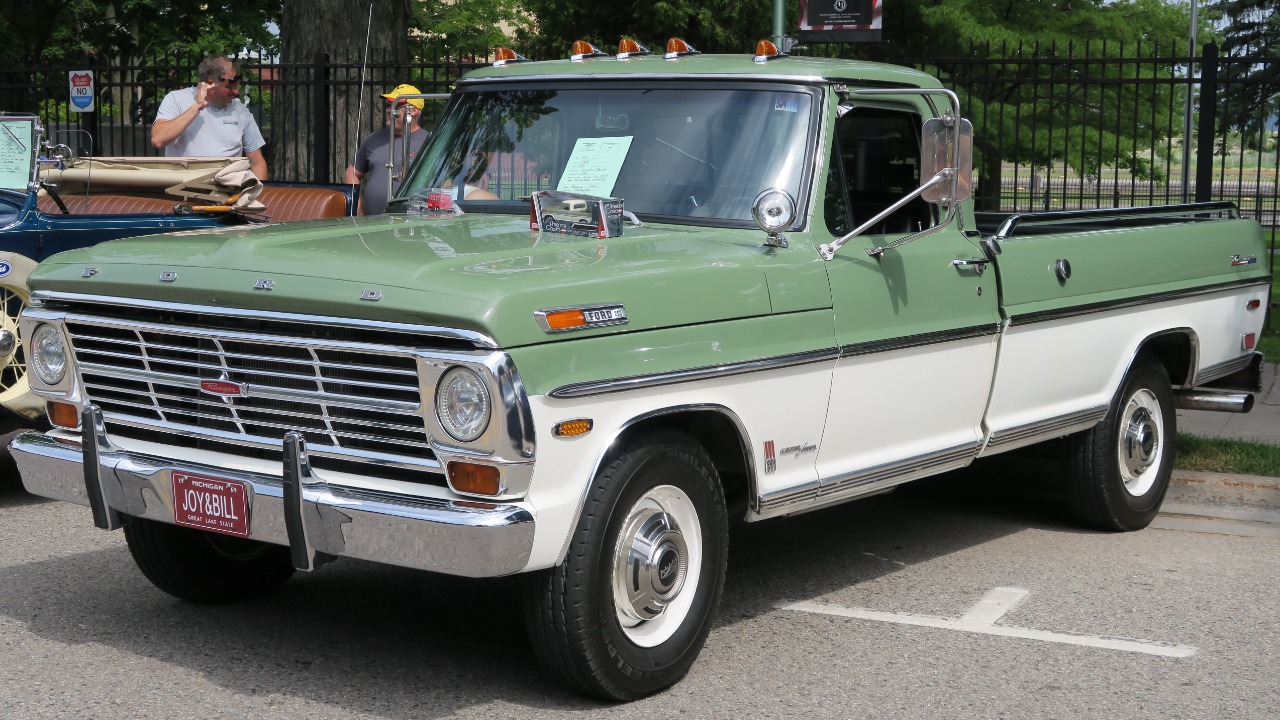
The F-250 Camper Special was designed to handle the additional weight associated with slide-in campers. That meant stronger suspension and a drivetrain suited to carrying substantial loads. It was still a practical pickup, but its heavy-duty equipment gave it an advantage over ordinary light-duty models. Well-preserved examples show how much engineering went into trucks intended for constant heavy use.
Dodge D200
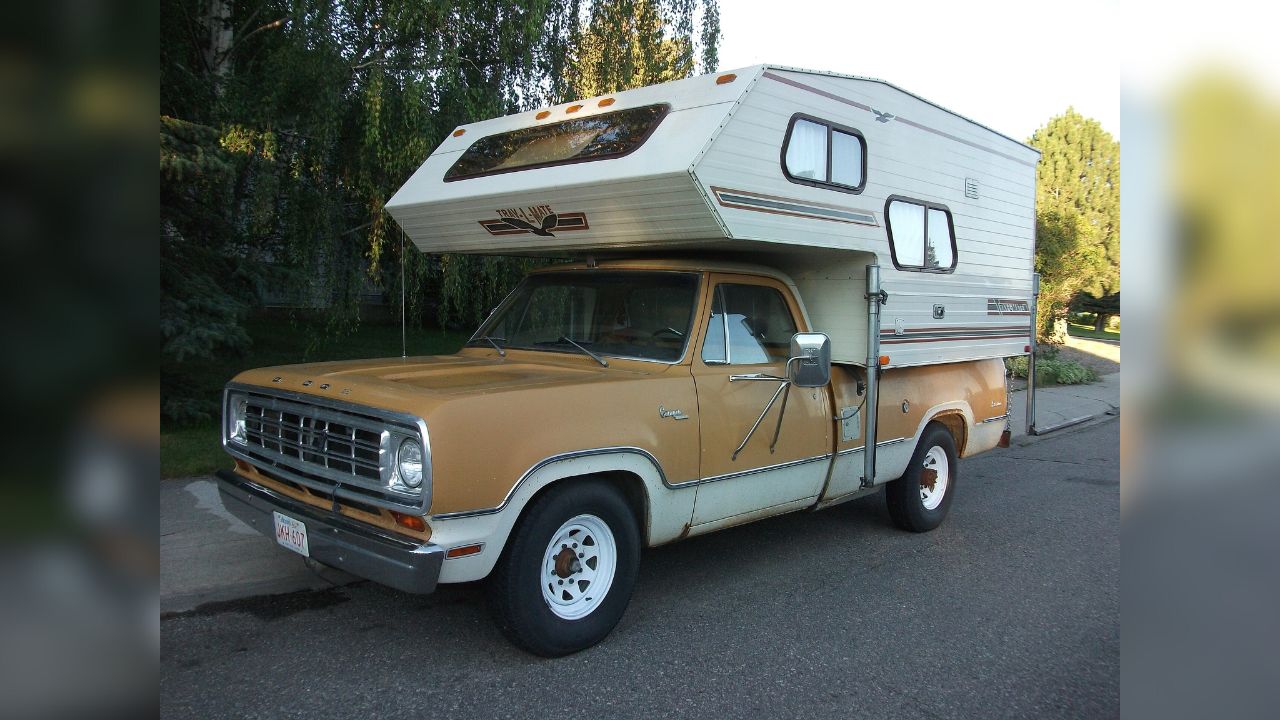
The Dodge D200 offered a sturdy alternative to Ford and Chevrolet’s work trucks. Its traditional body-on-frame construction and available V8 engines gave it the strength needed for hauling and towing. Many spent their lives doing actual work rather than sitting in garages. That makes clean surviving examples particularly interesting today.
Dodge W200
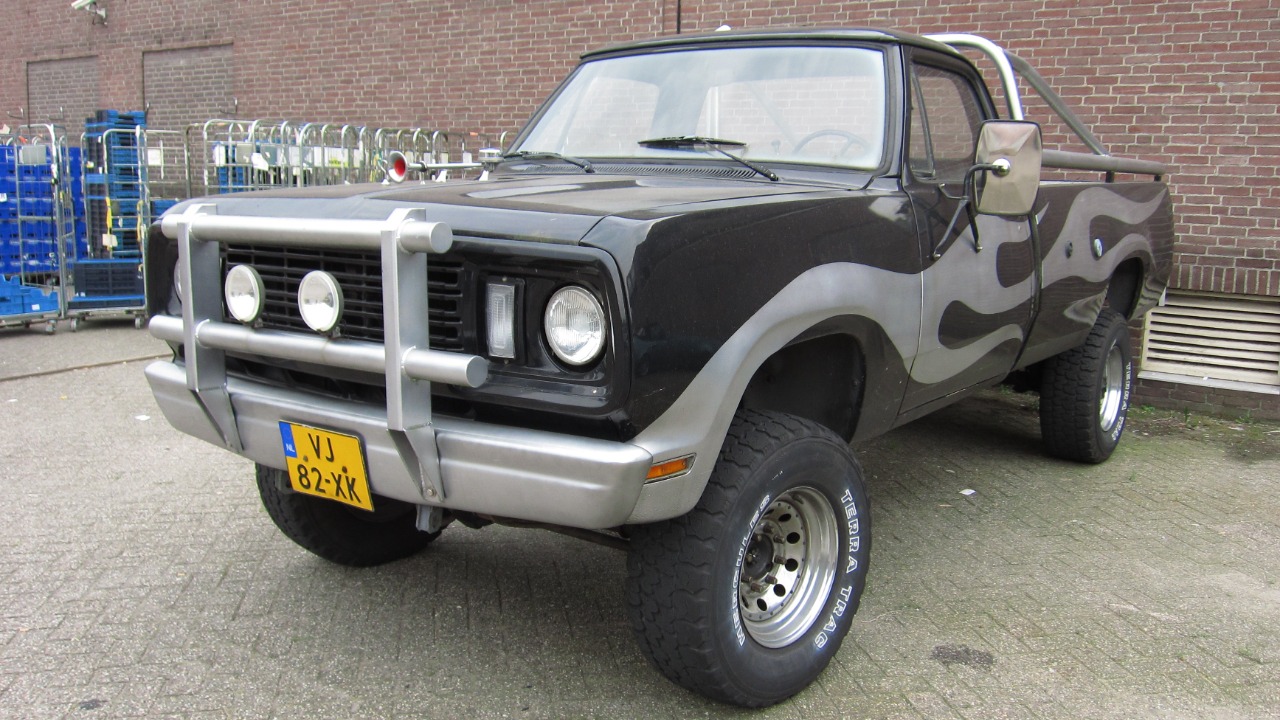
The W200 added four-wheel drive to Dodge’s heavy-duty pickup formula. Its rugged chassis and drivetrain made it useful for farms, construction work, hunting, and rough terrain. These trucks were rarely pampered, yet some have survived in remarkably solid condition. Their straightforward mechanical design is a major reason enthusiasts continue to appreciate them.
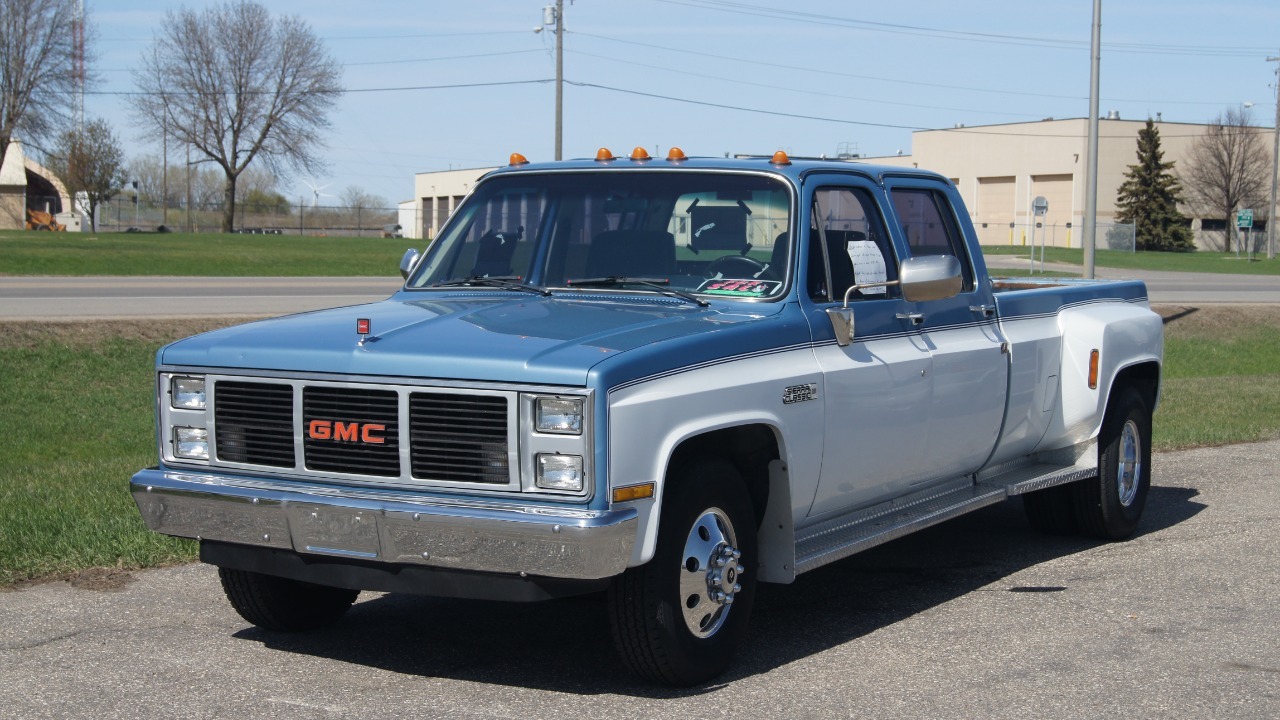
GMC Sierra Classic
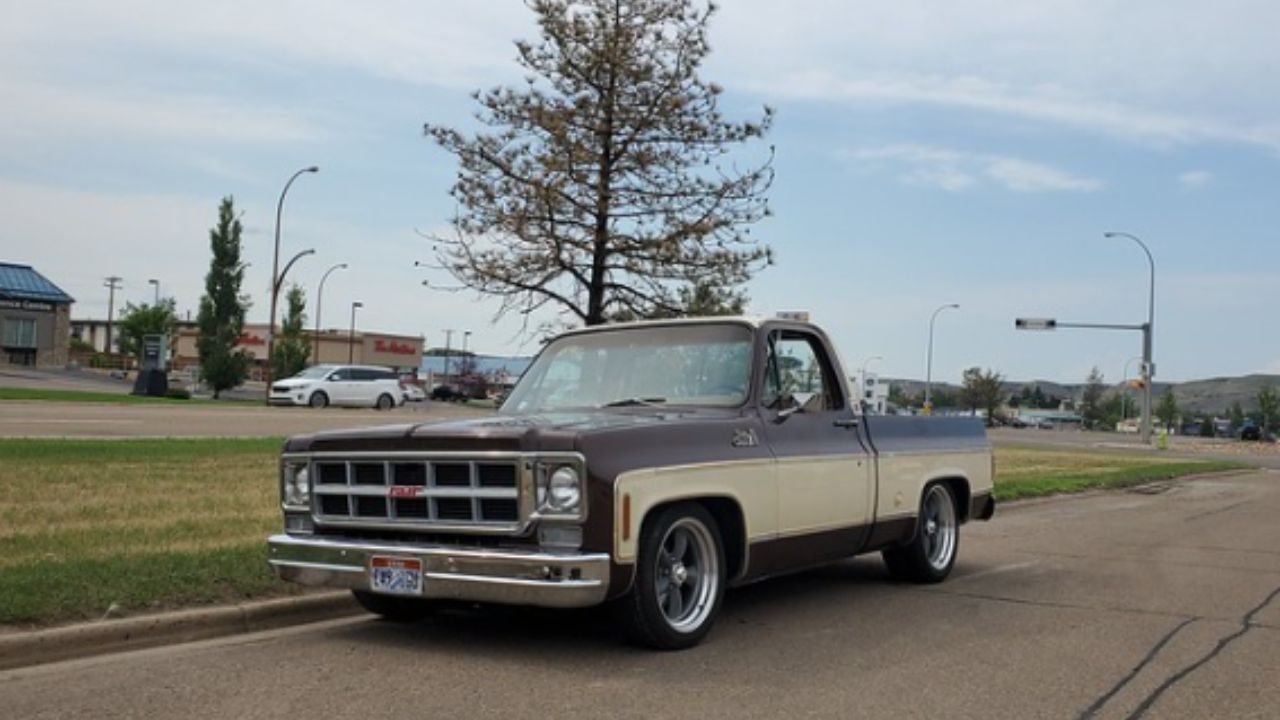
The GMC Sierra Classic represented the traditional American pickup before trucks became heavily focused on luxury and technology. Its sturdy construction and conventional mechanical layout made it an effective work vehicle. Many were used for towing and hauling rather than commuting, and that hard-working background makes a well-preserved survivor a reminder of how purpose-built older pickups could be.
Honda Ridgeline
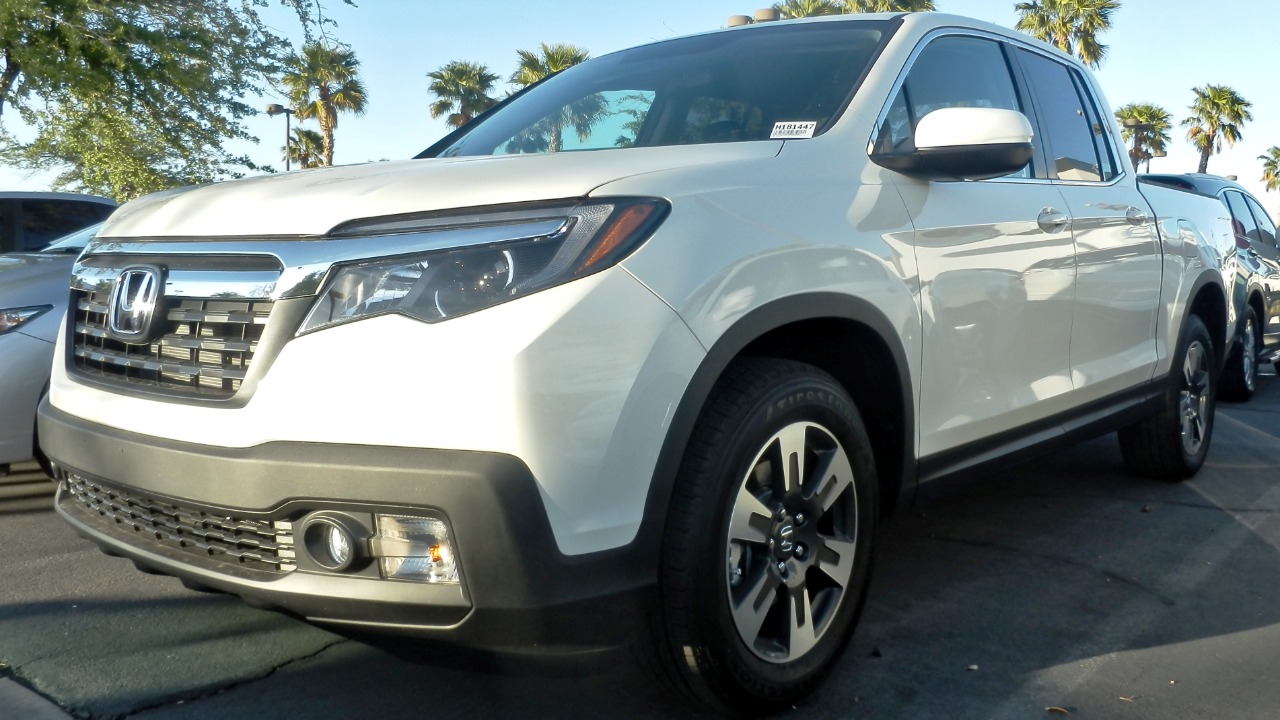
The Honda Ridgeline challenged traditional pickup conventions with its unibody construction and independent rear suspension. Despite that different approach, it proved capable of handling everyday hauling, towing, and utility duties. Its design prioritizes durability in the context of normal ownership rather than extreme commercial workloads. The Ridgeline demonstrates that a pickup does not necessarily need a traditional heavy frame to be useful and dependable for the majority of truck owners.
Ford Ranchero
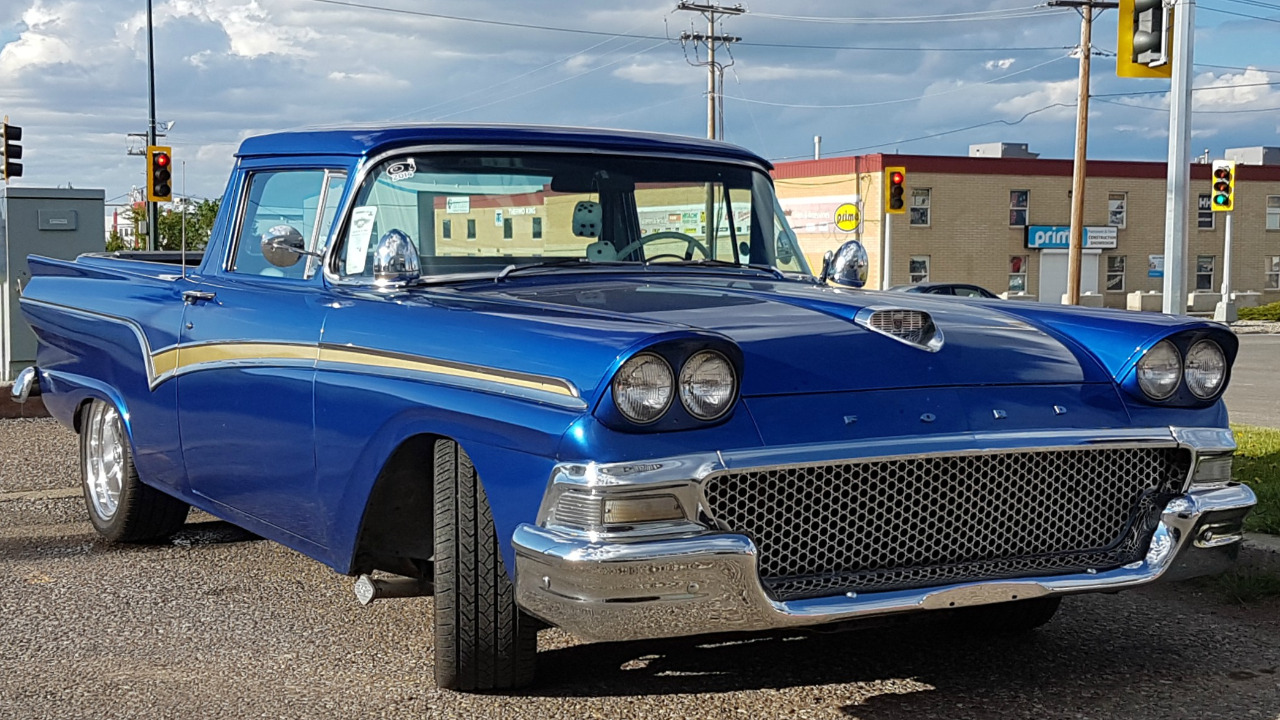
The Ford Ranchero combined a car front end with an open cargo bed, creating a vehicle that could handle light work without driving like a traditional pickup. Several generations offered sturdy engines and rear-wheel-drive mechanicals. Many were used as inexpensive utility vehicles, which makes surviving examples increasingly interesting. Their unusual design also gives them strong appeal among collectors.
Chevrolet El Camino
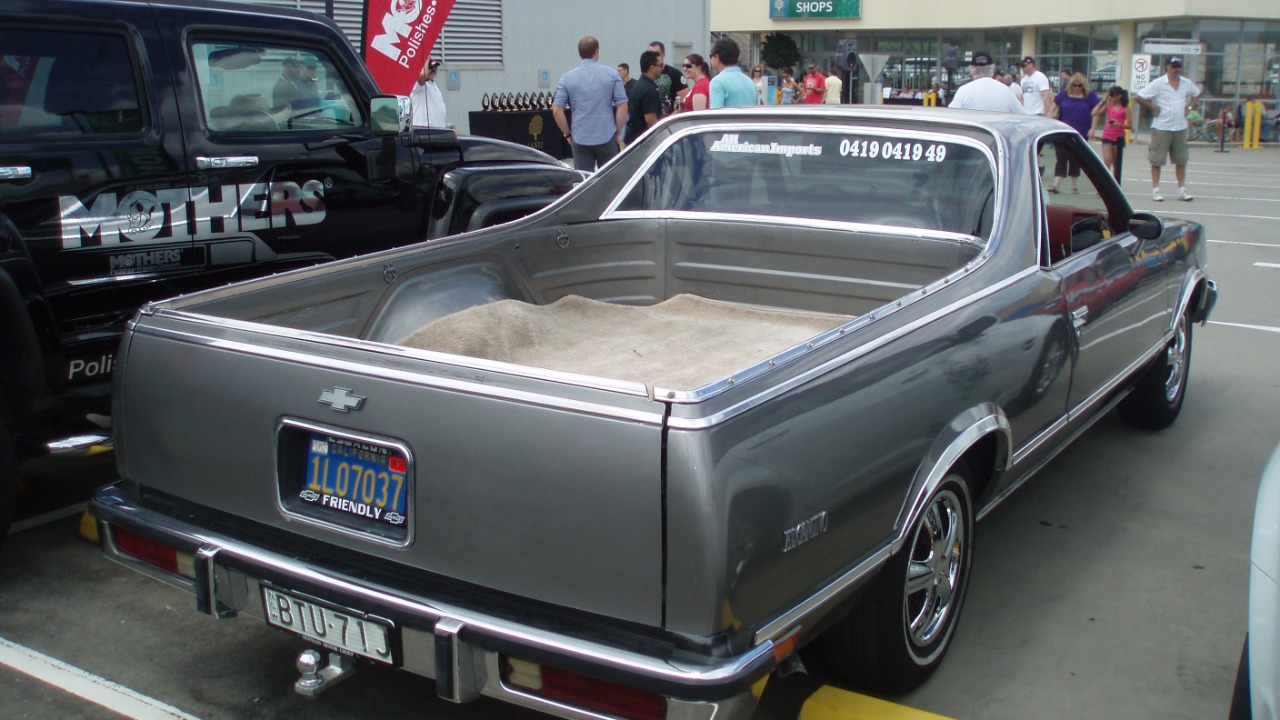
The El Camino became one of America’s best-known car-based pickups. It offered passenger-car styling with a useful cargo box and was available with a wide range of engines. Some versions could also deliver serious performance. Because these vehicles served as both transportation and work equipment, finding a solid original example today can be surprisingly difficult.
GMC Sprint
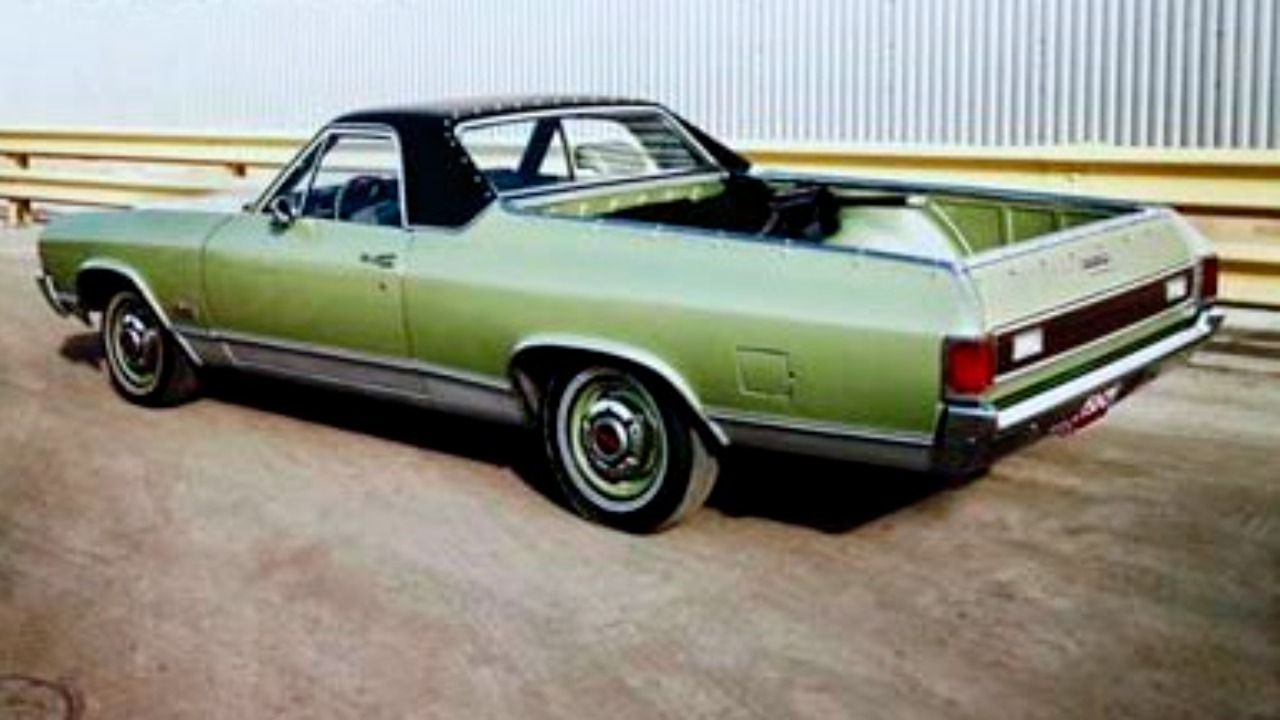
(Wikipedia uploader was Vegavairbob at en.wikipedia) – Public domain/Wiki Commons
The GMC Sprint was the brand’s early answer to the growing popularity of car-based pickups. It offered a useful cargo bed while retaining the driving characteristics of a passenger car. Later versions became more powerful and distinctive. The Sprint was never produced in the numbers of conventional GMC pickups, making surviving examples an increasingly uncommon sight.
Jeep FC-150
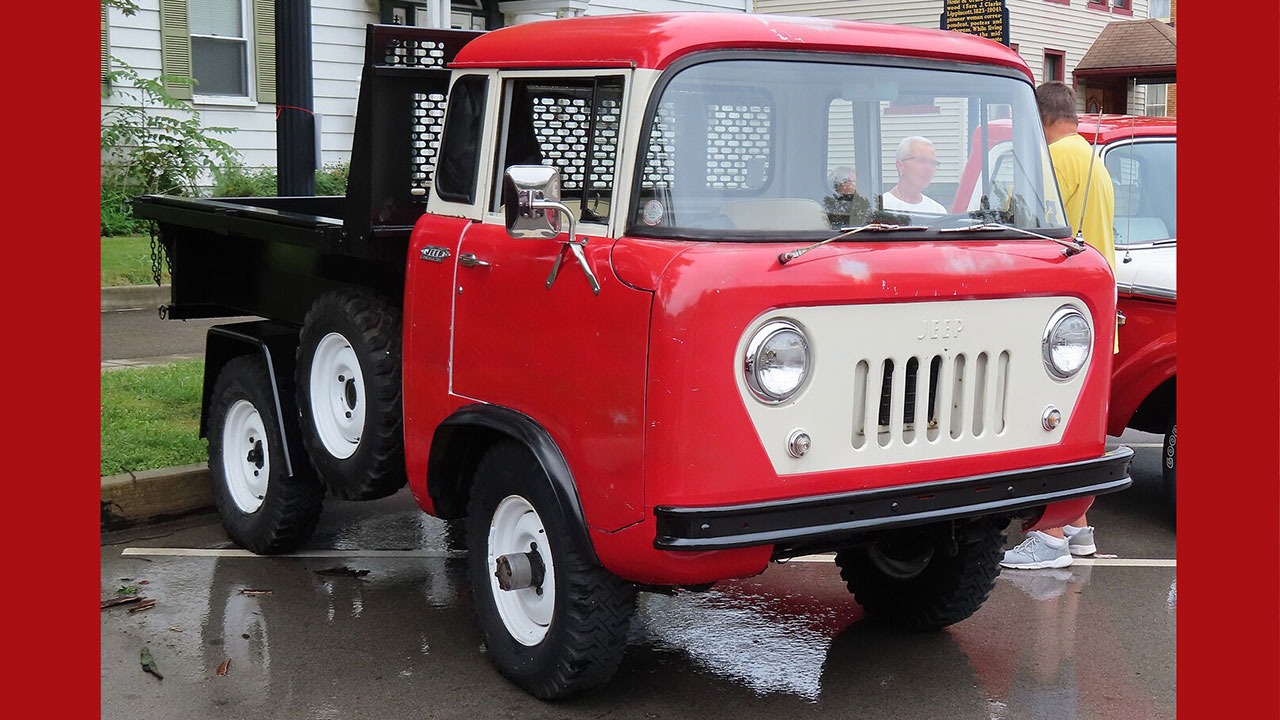
The Jeep Forward Control put the cab ahead of the engine and created a highly unusual compact work truck. Its short wheelbase and four-wheel-drive capability made it useful in tight spaces and rough terrain. The design was unconventional, but its rugged mechanical components suited working environments. Surviving FC-150s remain popular because few other trucks look anything like them.
Chevrolet SSR
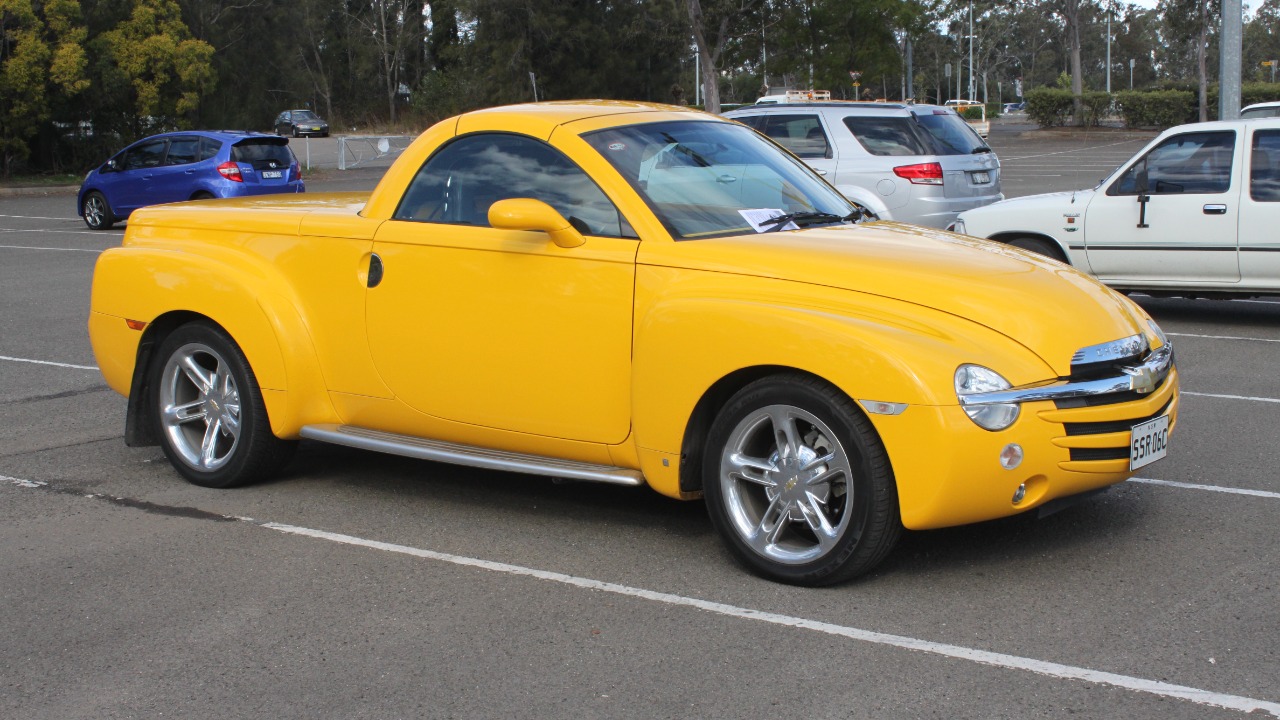
The SSR is an unusual choice for a durability-focused list, but its truck-based architecture gave it a solid mechanical foundation. The model used familiar General Motors components and a robust rear-drive layout beneath its retro-inspired body. Its retractable roof and unusual styling attracted most of the attention, but the underlying hardware was conventional. That combination helped make the SSR more mechanically substantial than its appearance initially suggested.
Mazda B-Series
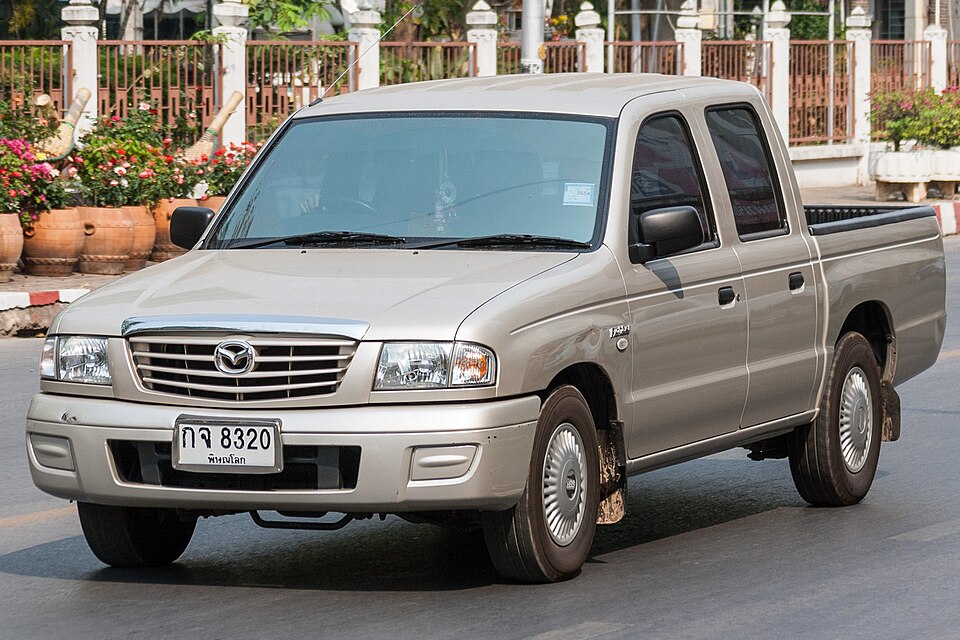
The Mazda B-Series became popular because it offered a simple and dependable approach to pickup ownership. Many versions used straightforward four-cylinder engines and conventional rear-wheel-drive layouts. The trucks were small enough to be economical but useful enough for light work. Their uncomplicated engineering made them easy to understand and maintain. For owners who wanted a basic pickup without excessive equipment, the B-Series could deliver years of practical service.
More from Fast Lane Only
- Unboxing the WWII Jeep in a Crate
- 15 rare Chevys collectors are quietly buying
- 10 underrated V8s still worth hunting down
- Police notice this before you even roll window down
*Research for this article included AI assistance, with all final content reviewed by human editors.