The Dodge Charger name has lived several lives. It started as a big-block fastback in 1966, then turned into a front-drive hatchback during the 1980s. Later, it came back as a four-door muscle sedan. Few nameplates have changed shape so often and kept their fans the whole way.
That kind of run produces winners and forgettable years alike. Some Chargers simply aged, while others kept a reason to exist long after Dodge moved on. In fact, a few make more sense now than they did on the showroom floor.
These seven are our picks, the Chargers we think refuse to become obsolete. The verdict is our opinion. However, the years, engines and production figures behind each one are facts, and we checked every one of them.
1. 1966 Dodge Charger 383
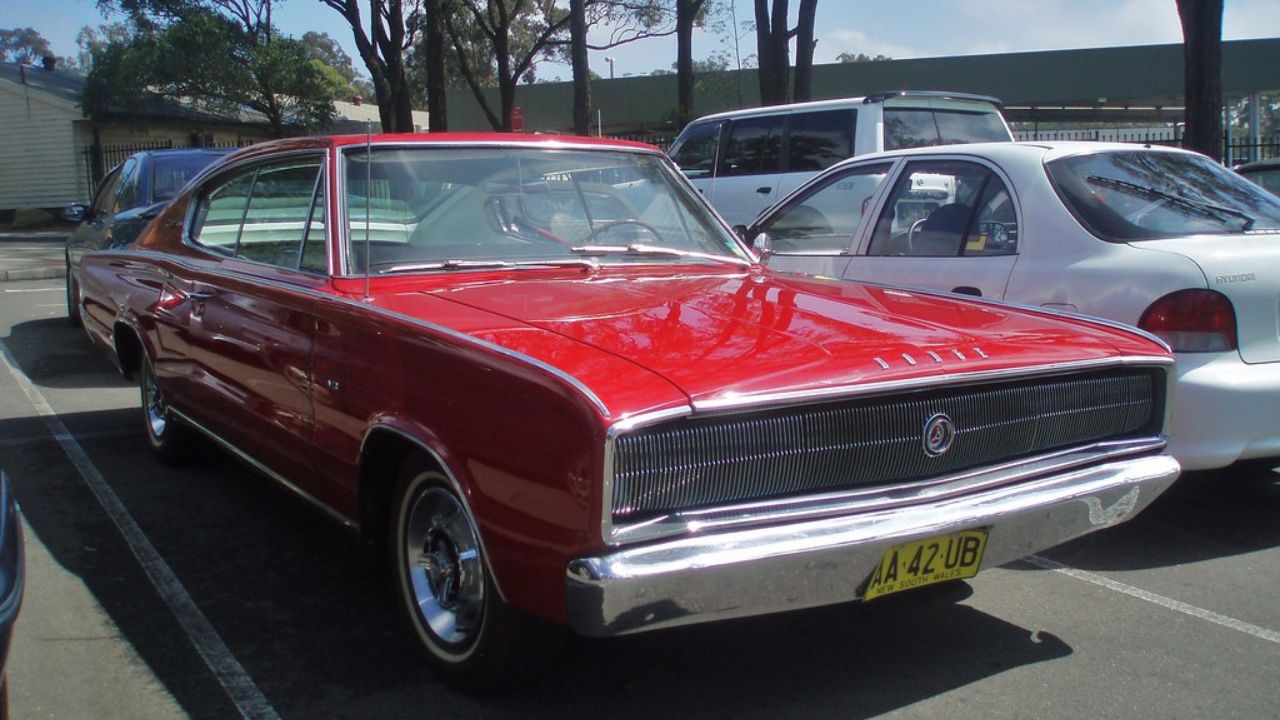
The first Charger was a gamble on a fastback roof grafted onto the Coronet. Hagerty’s history says buyers were dubious. In fact, only about 37,300 Chargers left the line for 1966, against 607,568 Mustangs that same year. By comparison, that was a rounding error.
Yet the car aged beautifully because Dodge filled the cabin with ideas. You got four bucket seats, a full-length console and electroluminescent gauges that glowed at night. Meanwhile, the headlights rotated out of sight behind the grille. The engine list ran from a 230-horsepower 318 up to the 425-horsepower Street Hemi, according to Hagerty’s 1966 Charger valuation profile. Only 468 buyers took the Hemi, and 218 of those chose an automatic.
Our favorite is the middle ground. The 383 four-barrel carried a 330-horsepower rating, so it was quick without the Hemi’s fussy dual carburetors. In our view, a 383 car is the one to drive every weekend. It feels like a mid-century lounge that happens to hide a big-block, and that never goes out of date. On top of that, the fastback had racing credibility. Once NASCAR teams fixed its rear lift with a spoiler, Chargers won 18 races, Hagerty notes.
2. 1968 Dodge Charger R/T 440 Magnum

For 1968, Dodge threw out the slab sides and gave the Charger its Coke-bottle shape. The rear got dual circular taillights. Inside, a fixed rear bench replaced the first car’s rear buckets, so the cabin felt more practical as a result. That redesign is the Charger most people picture when they hear the name.
The R/T package made the 440 Magnum standard, with the 426 Hemi on the options sheet. Dodge had introduced that 440 for 1967 at 375 horsepower. Buyers loved the formula, too. After 1967 sales of just 15,788, Charger sales jumped to 96,100 cars for 1968. More than 17,000 of them were R/Ts. If you want more on the trim, we dug into it in our look at the misunderstood Charger R/T.
Here’s our take. The Hemi grabs the headlines, but the 440 R/T is the better everyday car. It pulls hard from low revs, so in our view it asks for less fiddling. You also get the best-looking Charger body for far less than a Hemi car costs to buy. Because the R/T sold in real numbers, you can also shop around rather than chase one rare car for years.
3. 1970 Dodge Charger R/T SE
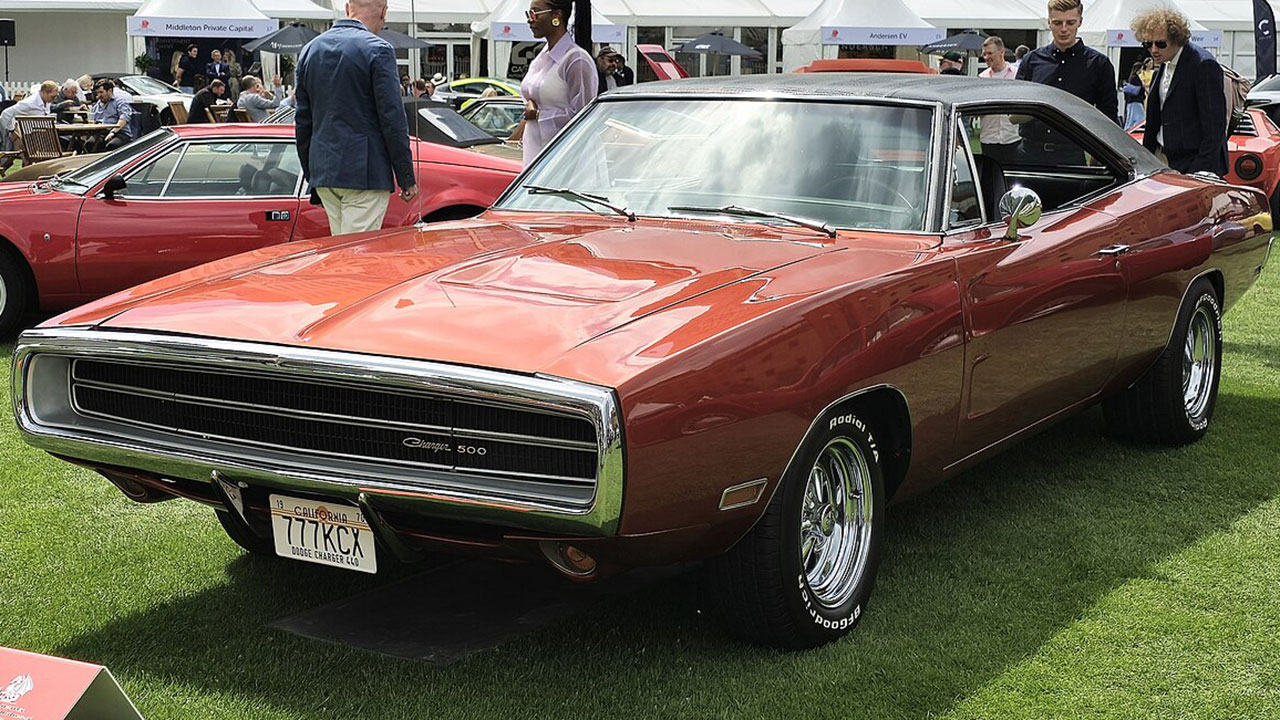
By 1970 the Charger wore a large wraparound chrome bumper, and the grille no longer split down the middle. Dodge also offered the SE luxury trim on both the 500 and the R/T. The SE had first appeared for 1969 with leather inserts on the front seats, chrome rocker moldings and wood-grain trim.
That combination meant you could order serious muscle with a dressier cabin. Dodge added the 440 Six Pack for 1970, rated at 390 horsepower on three two-barrel carburetors. Total Charger production fell to 46,576 for the model year. Even so, the shape kept winning on Sundays. Charger-based cars took ten NASCAR races in 1970, more than any other car, and Bobby Isaac won the championship. That racing line grew out of the aero work behind the 1969 Charger 500’s flush grille and rear window.
We think the R/T SE is the grown-up’s muscle car. It has the big-block shove and the race pedigree. At the same time, it has a cabin you would happily sit in for a long highway run. That blend is exactly why it never feels dated to us, even next to newer cars at a show.
4. 1973 Dodge Charger Rallye
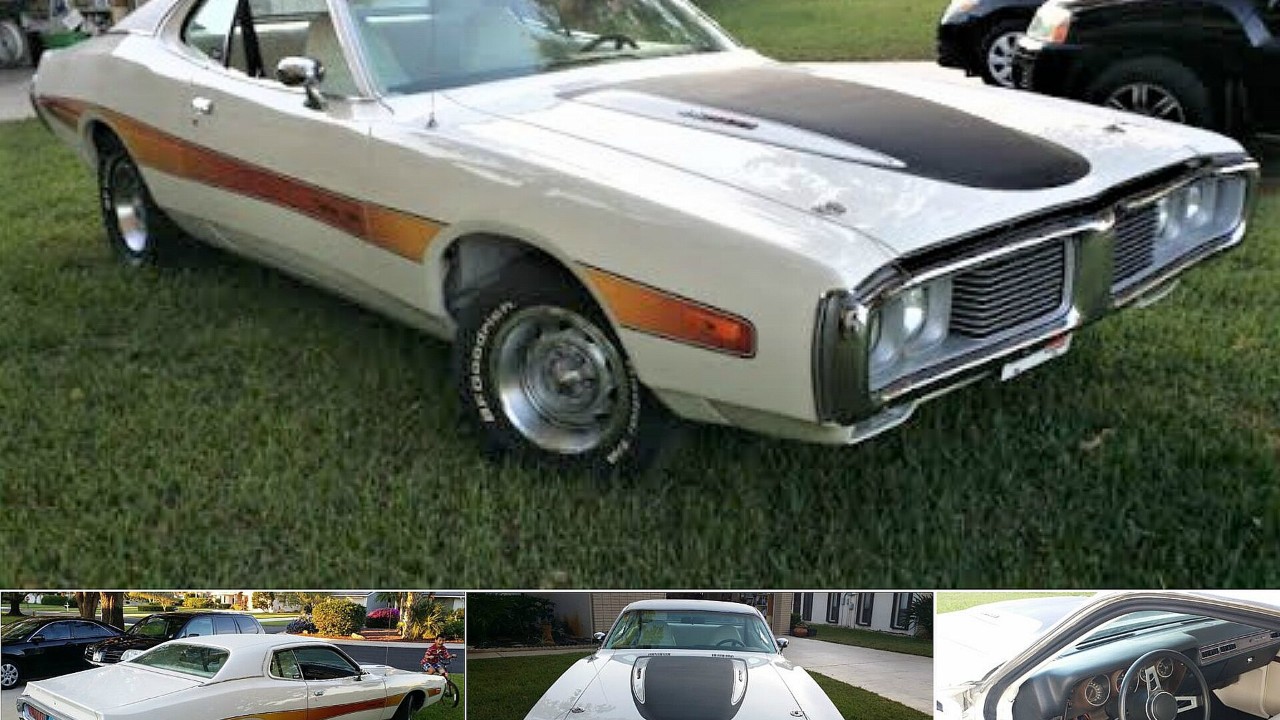
The third-generation Charger gets less love because it arrived as emissions rules tightened. For 1972, the Rallye option replaced the R/T. Dodge rated the 440 at 280 horsepower in SAE net terms that year, down from 350 gross. On paper, the party looked over.
Then 1973 brought new sheet metal that was longer, wider and taller. The hidden headlights went away. Meanwhile, the 340 small-block stayed available only on the Rallye, which made it the enthusiast’s pick of the range. Buyers responded with roughly 108,000 sales. That is a long way from the low-volume, winged 1969 Charger Daytona, but it shows the car kept its pull. For 1974, a 360 four-barrel replaced the 340, and that was the final year for performance options.
The body also had a racing career that embarrassed its reputation. Richard Petty won 35 races with this body style between 1972 and 1977. Our view is simple. A 340 Rallye is a light, rev-happy Charger you can buy without six-figure stress. Besides, that NASCAR record gives it real standing among people who know the history.
5. 1983 Dodge Shelby Charger
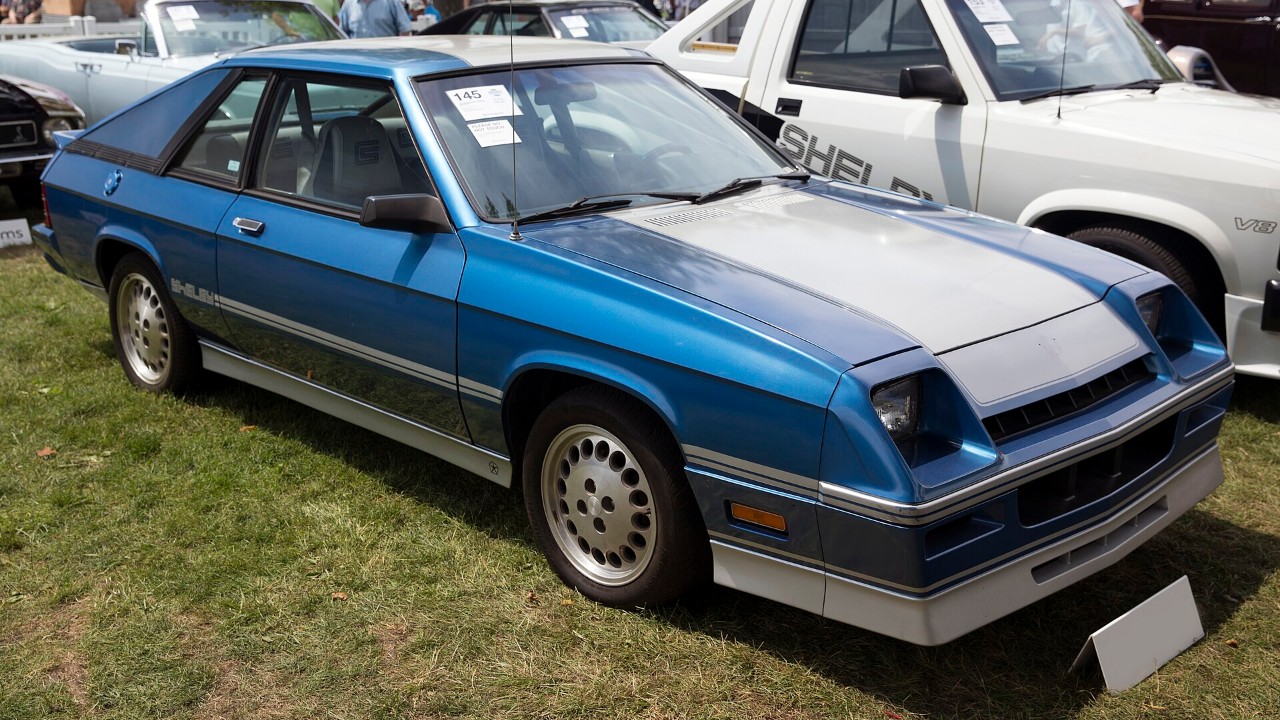
Purists wince at a front-drive Charger, yet the Shelby version earned its stripes. Carroll Shelby reworked the little L-body hatchback for Dodge dealers. His goal was sharper handling and styling rather than pure speed. Before that, the 1981 Charger 2.2 package had cost $399 and made 84 horsepower.
The Shelby changes were real, though. Higher compression lifted the 2.2-liter four to 107 horsepower. Shelby also fitted revised gear ratios, shorter springs, stronger brakes and a quicker 14:1 steering rack. Then a free-flowing exhaust finished the job. Buyers could pick Santa Fe blue with a silver skunk stripe, or silver with a blue one. Dodge built 8,251 of them in 1983 and kept the car going, with 7,552 more in 1984.
We like it because it tells the truth about its era. Gas prices and rules had pushed the big V8 out of reach for most young buyers. So Shelby made a cheap hatchback fun to drive instead. In our view, that honest approach is why the car deserves a place in the Charger story, right beside the fastbacks.
6. 1987 Shelby Charger GLHS

The GLHS was Carroll Shelby’s parting shot at the L-body. He bought the last 1,000 Shelby Chargers and converted them at his own shop in Whittier, California. Every car left in black, with a numbered Shelby badge and no Dodge badges at all.
Under the hood sat a Turbo I engine updated with the Turbo II intercooler and plumbing. As a result, output reached 175 horsepower and 175 lb-ft of torque. Koni adjustable struts, Goodyear Eagle GT tires and Shelby’s Centurion wheels sharpened the chassis. A sticker even raised the speedometer to 125 mph. A ClassicCars.com feature on a surviving GLHS calls that rating conservative.
Our take: this is the Charger that most outran its own price tag. It was a small, light car with a turbo, an intercooler and a hand-finished pedigree. Still, Shelby kept the A525 five-speed rather than the Turbo II’s Getrag, so the recipe stayed simple. To us, a numbered GLHS reads like a collector piece, not a used hatchback. It also closed a chapter, since the 1987 Charger was the last model derived from the Omni and Horizon.
7. 2020 Dodge Charger Scat Pack Widebody

The modern sedan earned its spot with one package. For 2020, Dodge offered the Widebody option on the R/T Scat Pack, not only on the Hellcat. The flares added 3.5 inches of width, MotorWeek reported at the reveal. Dealer orders opened in the fall of 2019, with cars due in early 2020.
Overall width grew to 78.3 inches. That width let Dodge fit 20×11-inch wheels and 305/35ZR20 Pirelli tires. The car also gained new electric power steering and the Hellcat’s thicker anti-roll bars, 34 mm up front and 22 mm at the rear. The front brakes used six-piston calipers on 15.4-inch rotors, hardware shared with the Hellcat. Power came from the 392 Hemi, a 6.4-liter V8 rated at 485 horsepower and 475 lb-ft of torque. In addition, adaptive Bilstein dampers, line lock and launch control rounded out the package.
We think this is the sweet spot of the late Charger. You get most of the Hellcat’s grip and stance, a naturally aspirated V8 and four doors. That is a recipe Dodge will not repeat, because LD Charger production at Brampton Assembly ended in December 2023.
More from Fast Lane Only