Racing rules once forced carmakers to sell what they raced. To enter a touring car or rally series, a company had to build a set number of road cars first, and that is how the Ford Lotus Cortina, the Mini Cooper S and the BMW M3 reached showrooms.
The best of these homologation specials share a simple recipe. They are light, they put a strong engine in a modest body, and they skip anything that does not make the car faster. Many of them predate traction control, launch modes and paddle shifters, so the driver does the work.
These are our picks, nine homologation specials that remind us why simplicity matters. Each one has a racing reason to exist, and each one shows how little a great driver’s car really needs. The verdicts are our opinion, but the specs and race results are on the record.
1. 1965 Ford Lotus Cortina
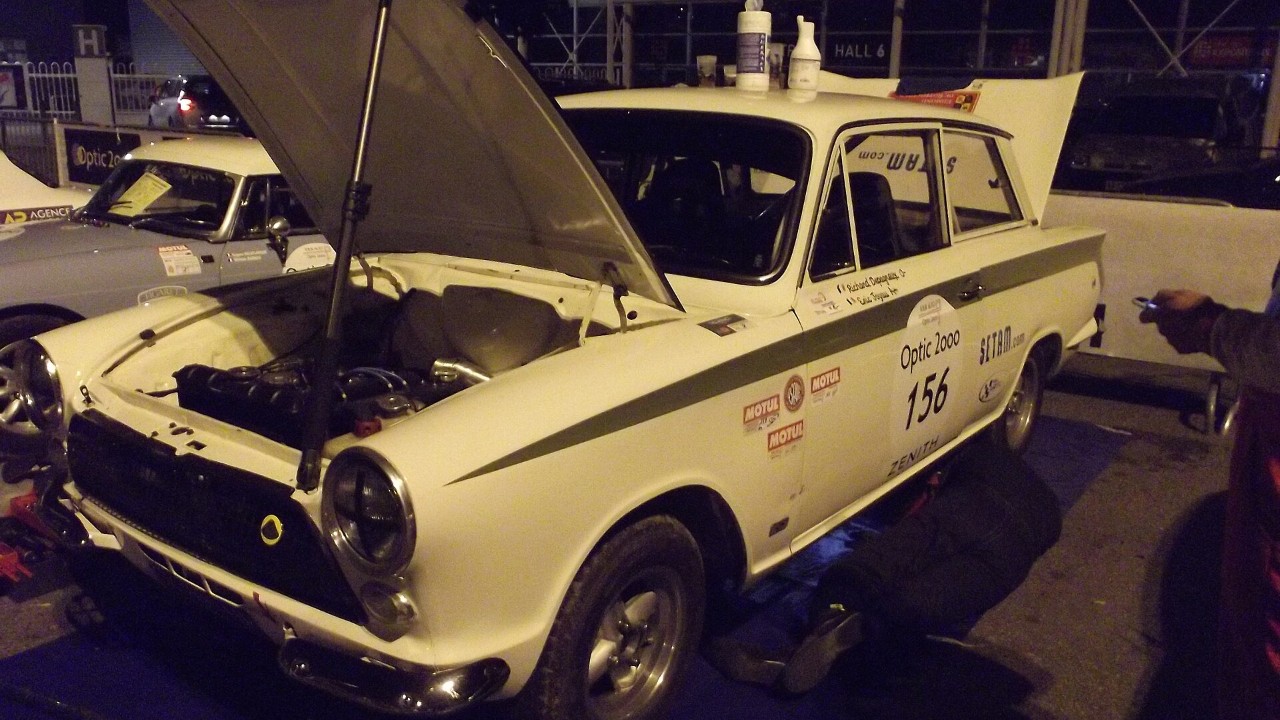
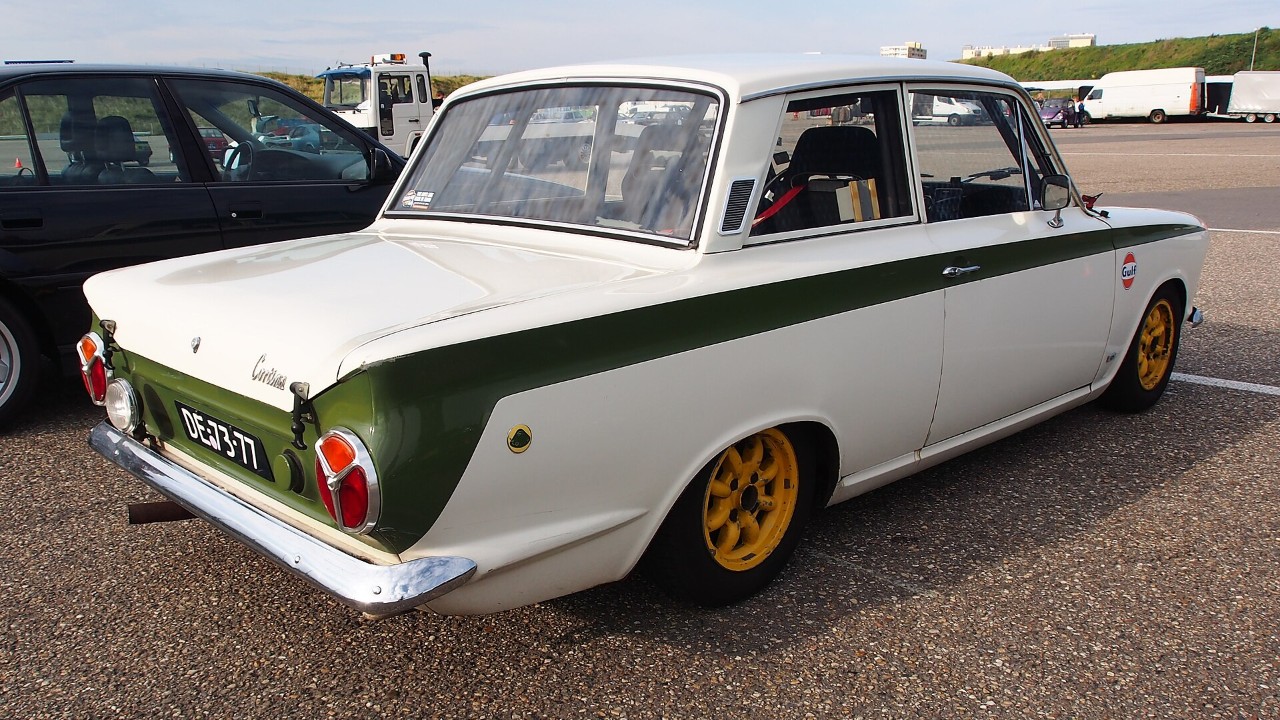
Ford needed 1,000 road cars to race the Cortina in Group 2 saloon racing. According to Motor Sport magazine, Ford’s Walter Hayes asked Colin Chapman to fit Lotus’s twin-cam engine into that first batch. As a result, the car made its race debut at Oulton Park in September 1963.
Harry Mundy designed the twin-cam, and Keith Duckworth developed it. In the Mk1 Lotus Cortina, it displaced 1,557 cc and made 105 bhp. Early cars also used lightweight doors, bonnet and boot. Then, in mid-1965, Ford replaced the A-bracket rear suspension with the Cortina GT’s leaf springs and radius arms.
The results came fast. For example, Jim Clark won the 1964 British Saloon Car Championship in one. Ford built 3,306 Mk1 cars, and factory cars came in white with a green stripe.
Our take: the Ford Lotus Cortina is the template for every fast family sedan that followed. It is a plain box with a jewel of an engine. If you shop for one, verify the car’s identity carefully, and favor one with a documented history.
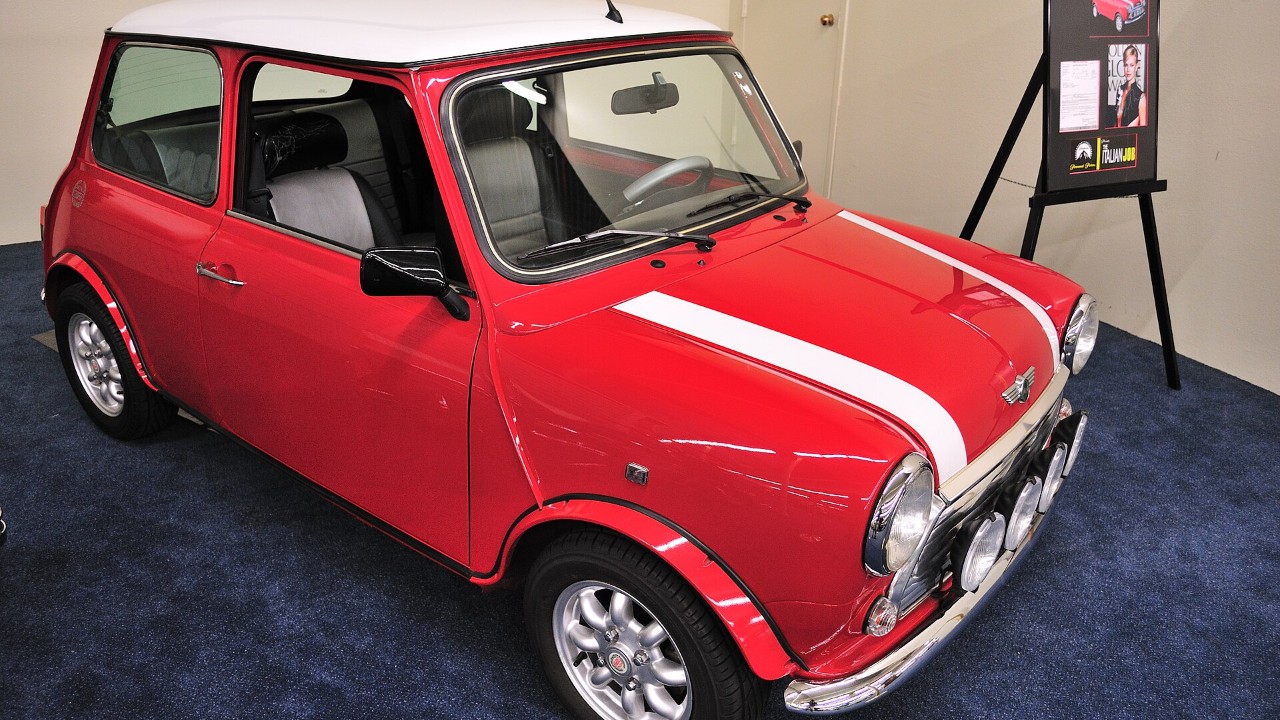
2. 1965 Austin Mini Cooper S 1275
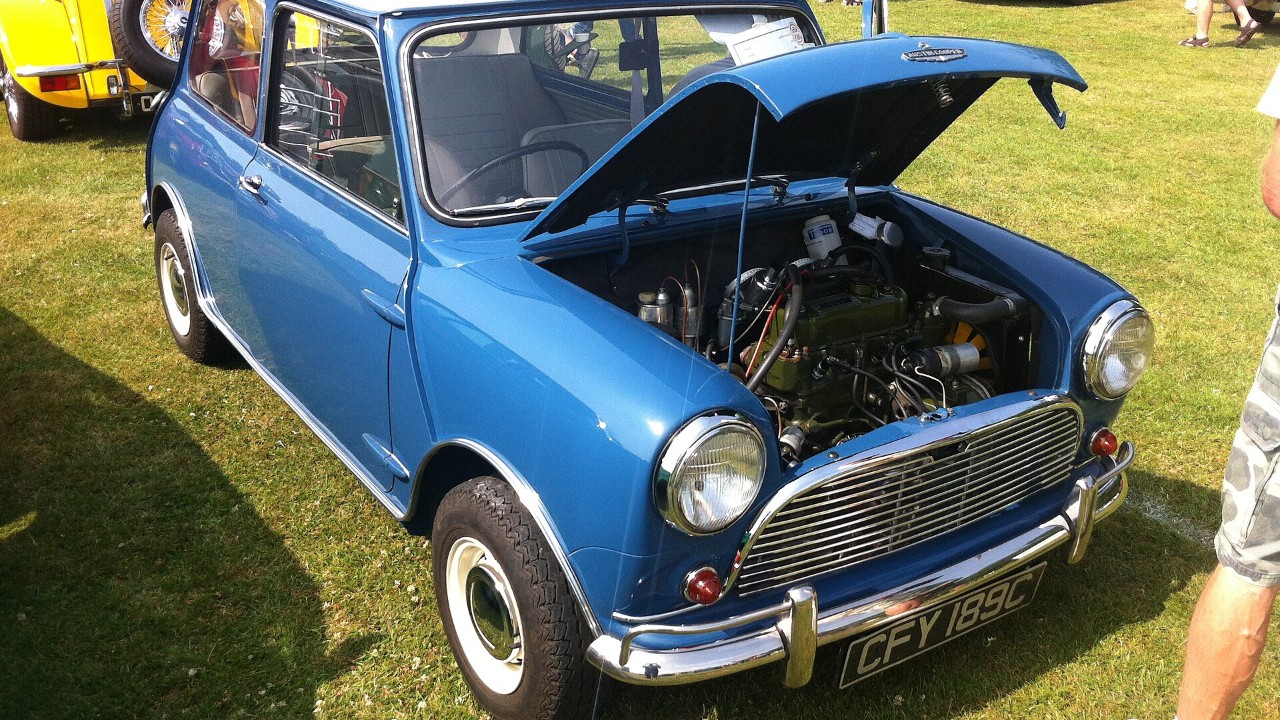
John Cooper built Formula 1 cars, and he was a friend of Mini designer Alec Issigonis. Cooper then persuaded the British Motor Corporation to back a performance Mini. The original Mini Cooper then needed a run of 1,000 cars to qualify for Group 2 rallying.
The 1,275 cc Cooper S arrived in April 1964 with 76 bhp. That is not much, yet a tiny car with a front-drive layout and a wheel at each corner made it count. Because of that, the Cooper S won the Monte Carlo Rally in 1964, 1965 and 1967.
The 1966 event became famous for another reason. Minis finished first, second and third, but officials disqualified them over their headlamp dimming circuits. As a result, the win went to a Citroën DS driven by Pauli Toivonen, who reportedly felt he had not really won.
In our view, the 1275 S is the purest proof that a small, simple car can beat bigger ones. It weighs little, it steers sharply, and it needs no electronics to feel alive. Before you buy, confirm that the car is a genuine S, since badges are easy to add to a lesser Mini.
3. 1988 BMW M3 E30
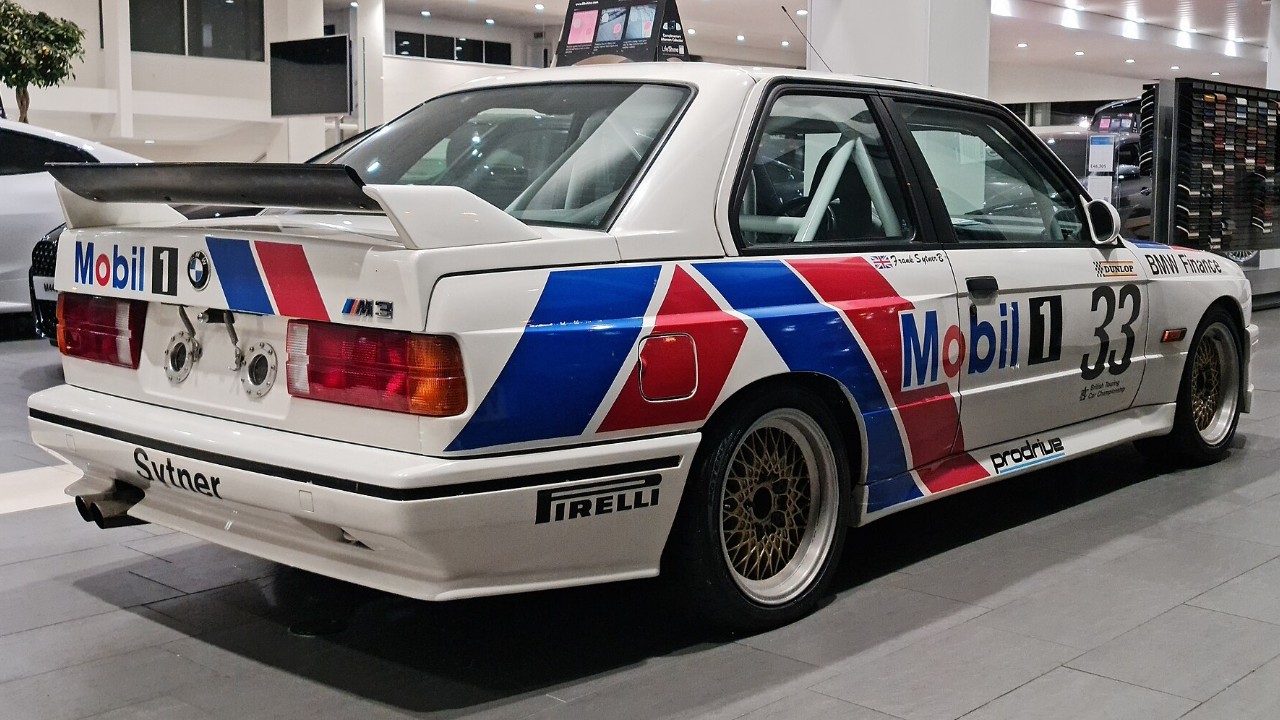
BMW built the first M3 to win touring car races. According to the Petersen Automotive Museum, Group A rules required 5,000 road examples, so BMW developed the road and race cars together. The road M3 got a high-performance engine, transmission, rear axle, suspension and steering.
The body also changed. Flared fenders, side skirts and new air dams went on, and the rear window took a steeper rake. Under the hood, the S14 four-cylinder revved to 7,250 rpm. Even with a catalytic converter, it made 192 hp.
The payoff came immediately. In its first season, the racing M3 won the European and World Touring Car Championships and the DTM, the Petersen notes. BMW eventually built 17,970 road cars, including 786 convertibles.
Our take: the E30 M3 is the car modern performance sedans keep chasing. It has modest power by today’s standards, but it is light, balanced and honest. In our view, that is exactly the point of this list. Budget for a thorough inspection and a full service history before you commit.
4. 1977 Ford Escort RS1800
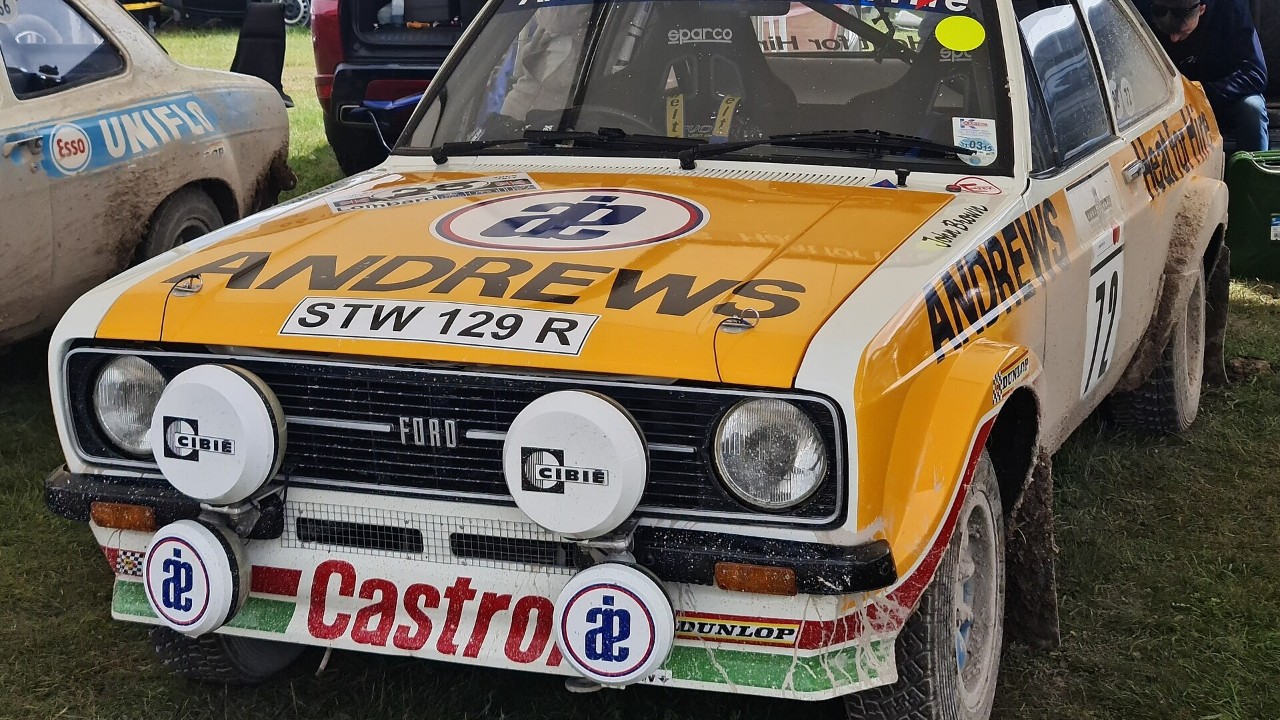
The Escort RS1800 is a rare road car with a huge rally record. Classic & Sports Car calls it a homologation special built in tiny numbers. Its 1,835 cc, 16-valve BDA engine made 115 bhp in road trim.
Even so, Ford never published an accurate production figure. However, the RS Owners Club puts the total at about 109 road cars between March 1975 and September 1977. Its registrar knows of 86, and around 75 survive. Ford built early cars at Halewood, while later ones started life as RS Mexicos from Saarlouis in Germany before Ford engineers fitted the BDA engine.
The rally cars made the name. Ford won the 1979 World Rally Championship for manufacturers with the Escort. Björn Waldegård took the 1979 drivers’ title, and Ari Vatanen won it in 1981, both in RS1800s.
In our view, the RS1800 is rear-drive rallying at its simplest: a light two-door, a strong four-cylinder and a driver with quick hands. Genuine road cars are scarce, so if you find one, check its chassis number against the owners club records before money changes hands.
5. 1966 Shelby GT350
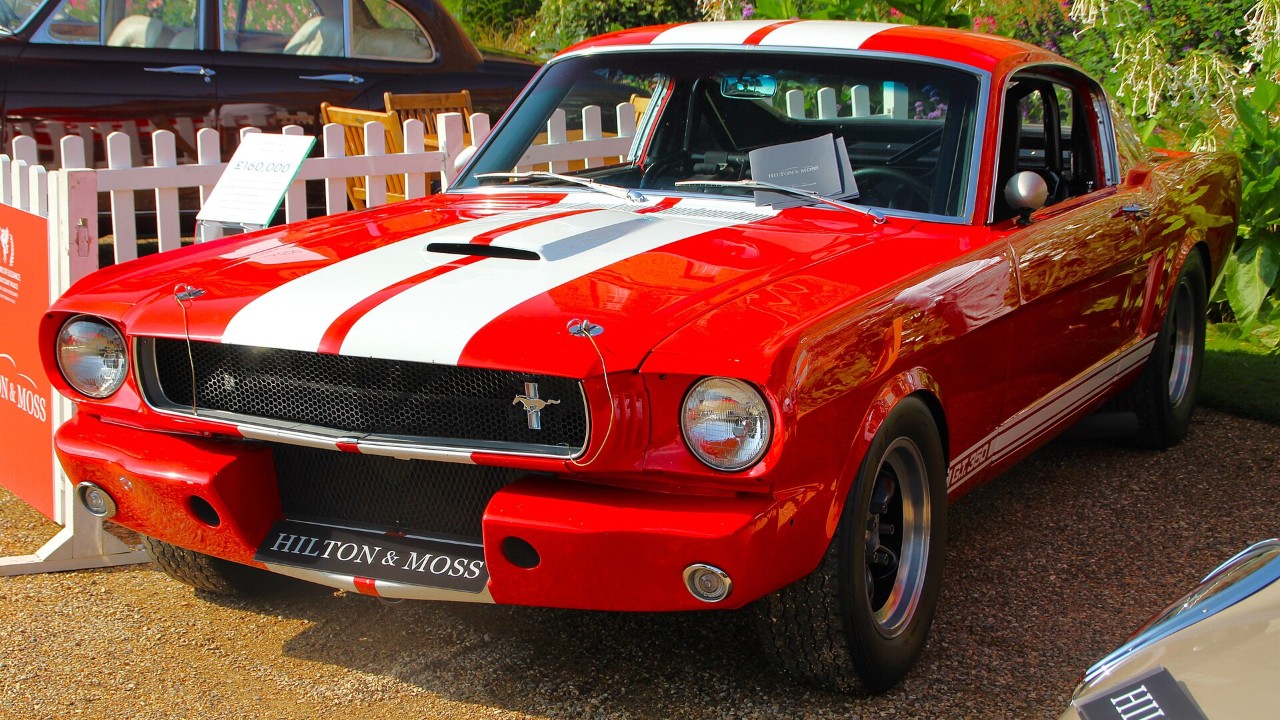
Carroll Shelby turned the Mustang fastback into an SCCA B-Production racer, and the road car came along for the ride. At first, Ford’s K-code 289 V8 made 271 hp stock. Shelby’s changes, including a big 725 cfm Holley carburetor, raised that to 306 bhp at 6,000 rpm.
For 1966, Shelby softened the car slightly for the street. Rear quarter windows replaced the vented panels, functional brake scoops appeared, and colors beyond white joined the list. The fold-down rear seat also became optional. In all, Shelby built 2,378 cars that year, and Hertz bought about 1,003 fastbacks for its rental fleet.
The racing side stayed serious. Shelby built 34 race-spec GT350R cars, and the model won the B-Production championship three years in a row. For more of the Mustang family tree, our list of Mustang special editions worth remembering fills in the gaps.
Our take: the 1966 GT350 keeps the original recipe with a little more comfort. It is loud, direct and mechanical, with no driver aids at all. Before you buy, confirm the car’s Shelby serial number against the registry records.
6. 1970 Ford Mustang Boss 302
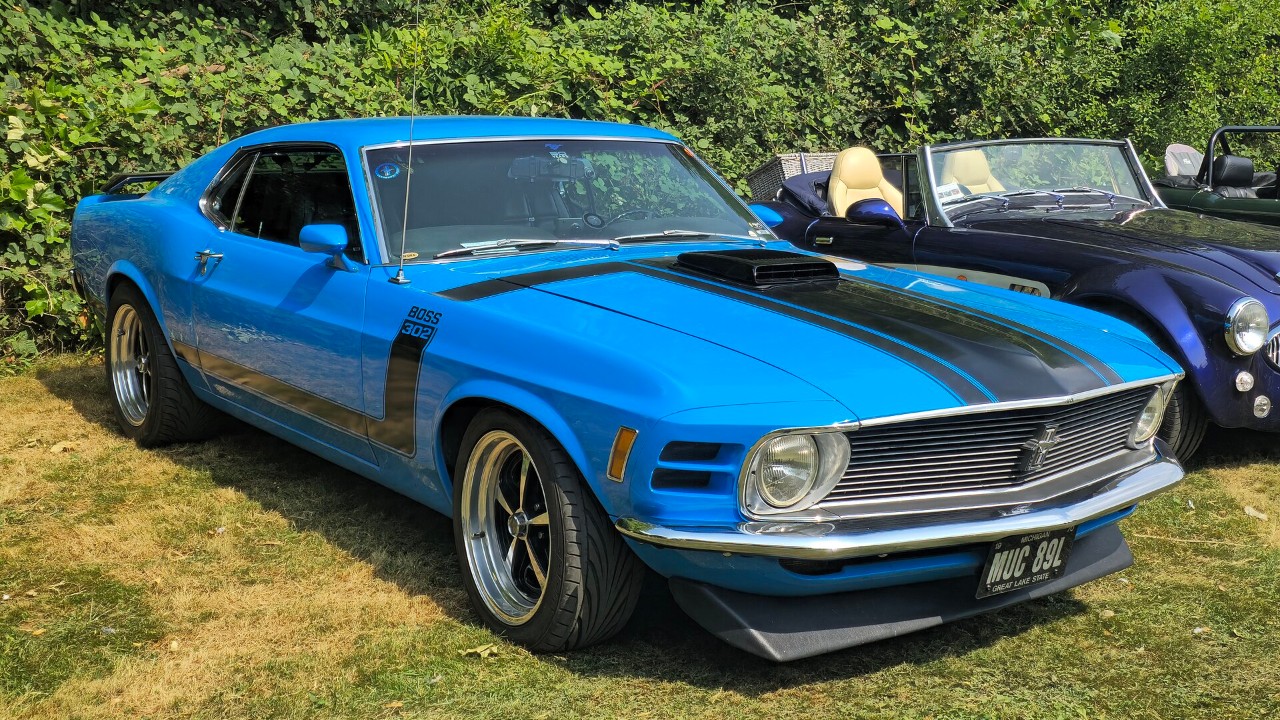
The Boss 302 existed to win the SCCA Trans-Am series. Ford needed road cars to qualify the engine for the 5.0-liter class, so it built a street version of its race car. Ford rated the high-revving 302 V8 at 290 hp.
Designer Larry Shinoda, a former GM stylist, gave the car its look. He removed the fake rear fender scoops and added a front spoiler and rear deck wing. For 1970, Ford sold 7,013 of them at a suggested price of $3,720.
That season paid off. According to Hagerty, Bud Moore Engineering ran Ford’s only factory team in the 1970 Trans-Am. Parnelli Jones won five races and George Follmer won one, and Ford took the manufacturers’ championship over the 11-race season.
In our view, the Boss 302 is the most balanced Mustang of its era, because it chose revs and handling over sheer size. Check the car’s paperwork carefully before you pay Boss money. A real one rewards a driver who likes to work the gearbox. For the bigger picture, our look at the history behind factory race cars sold to the public explains why these rules existed.
7. 2001 Mitsubishi Lancer Evolution VI Tommi Makinen Edition
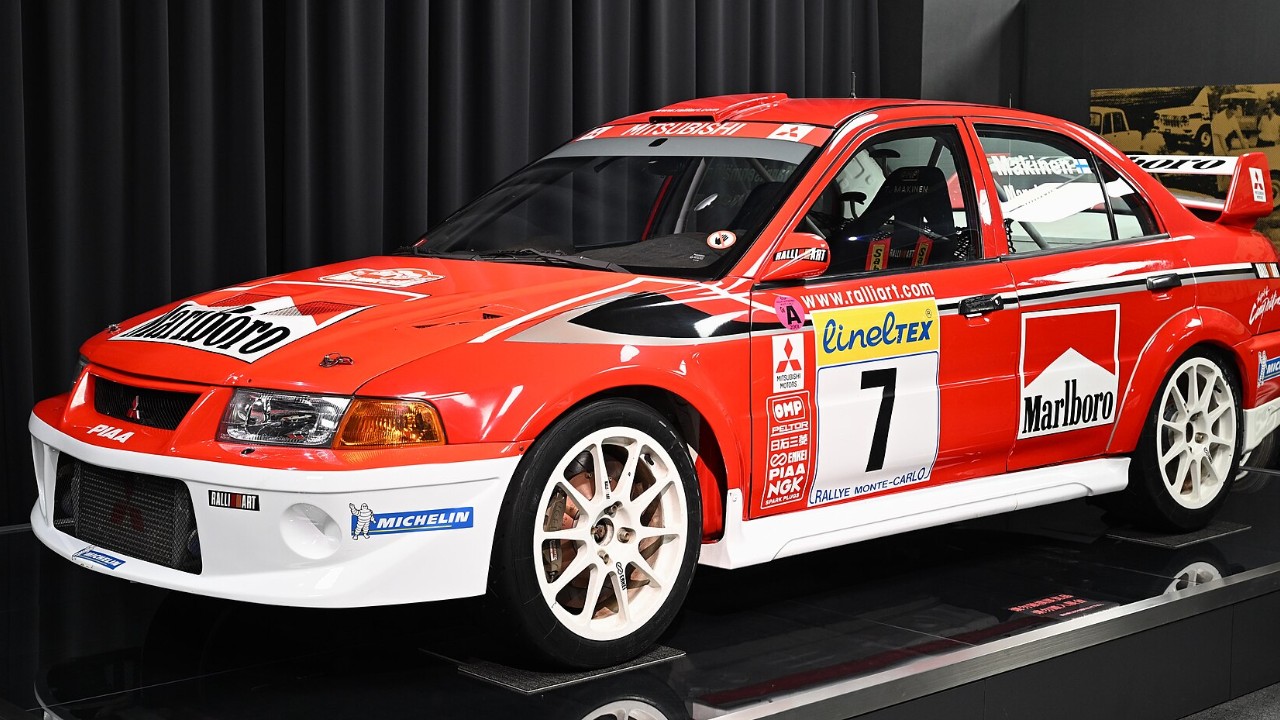
Mitsubishi named this Evo after Tommi Mäkinen, who won four straight World Rally Championship drivers’ titles for the brand from 1996 to 1999. The company launched the special edition in December 1999. Like every Evo of that era, it came from a Group A homologated line.
The changes were small but smart. Mitsubishi fitted a titanium turbine that spooled up faster, plus a lower ride height for tarmac stages and a quicker steering ratio. It also added a new front bumper, 17-inch white Enkei wheels and red and black Recaro seats. In total, Mitsubishi built 4,092 of them.
Buyers could even order decals that copied Mäkinen’s rally car. Meanwhile, the Evo VI carried a rating of 280 PS at 6,500 rpm.
Our take: the Tommi Makinen Edition is a rally car you can register, and it shows that the right tweaks matter more than big power. Many owners have modified their Evos over the years. So, before you buy, look for unmodified examples with a clear import and service history.
8. 1970 Alpine A110 1600S
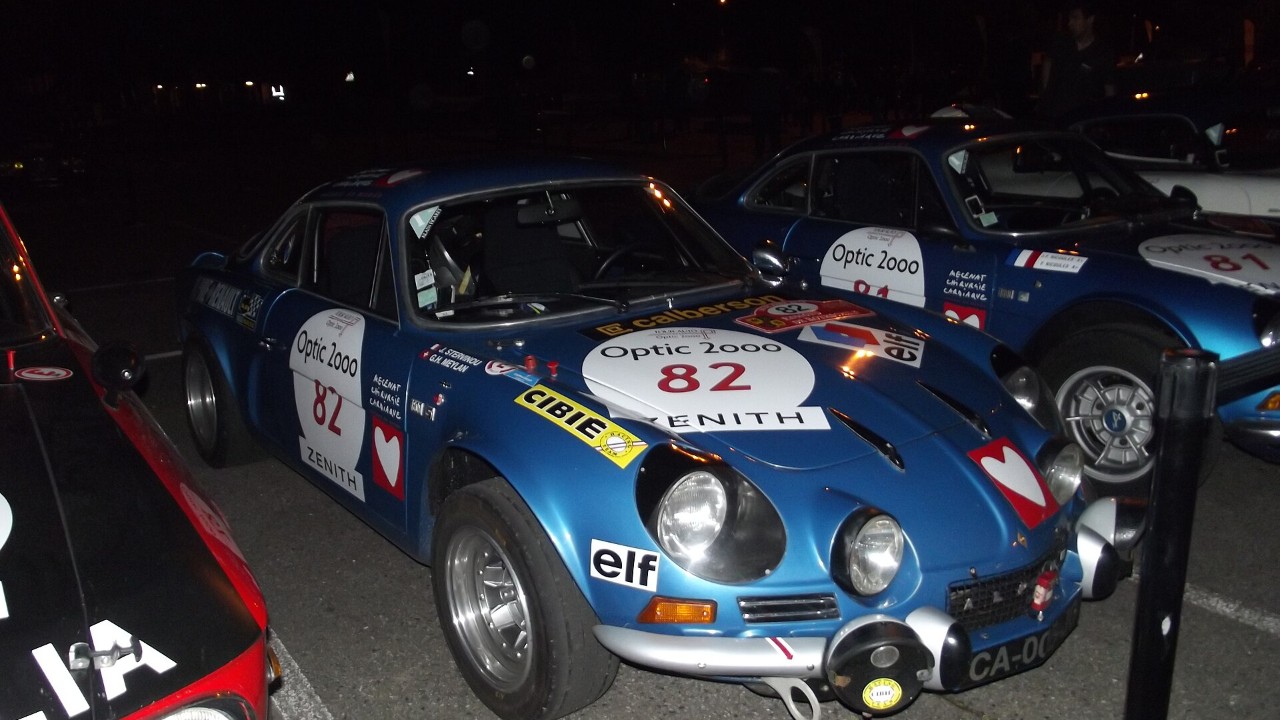
Jean Rédélé started Alpine in Dieppe by modifying Renault 4CVs for rallies. He named the company after the Alps, where he had earlier rally success. The A110 that followed used a fiberglass body on a steel backbone chassis, so it stayed very light.
The 1600S arrived for 1970 with a tuned Renault 16 TS engine. That 1,565 cc four made 125 PS DIN, which was plenty in such a light car. Then the results arrived. Ove Andersson won the 1971 Monte Carlo Rally in an A110, and Alpine took a one-two-three finish there that year.
In 1973, Alpine won the very first World Rally Championship for manufacturers. That made a small French sports car company the series’ first champion.
Our take: the A110 1600S is all about lightness and balance, and it feels nimble at any speed. It is also delicate, with a fiberglass body that rewards careful owners. If you shop for one, inspect the backbone chassis for corrosion and ask whether it has a rally history.
9. Lancia Delta HF Integrale
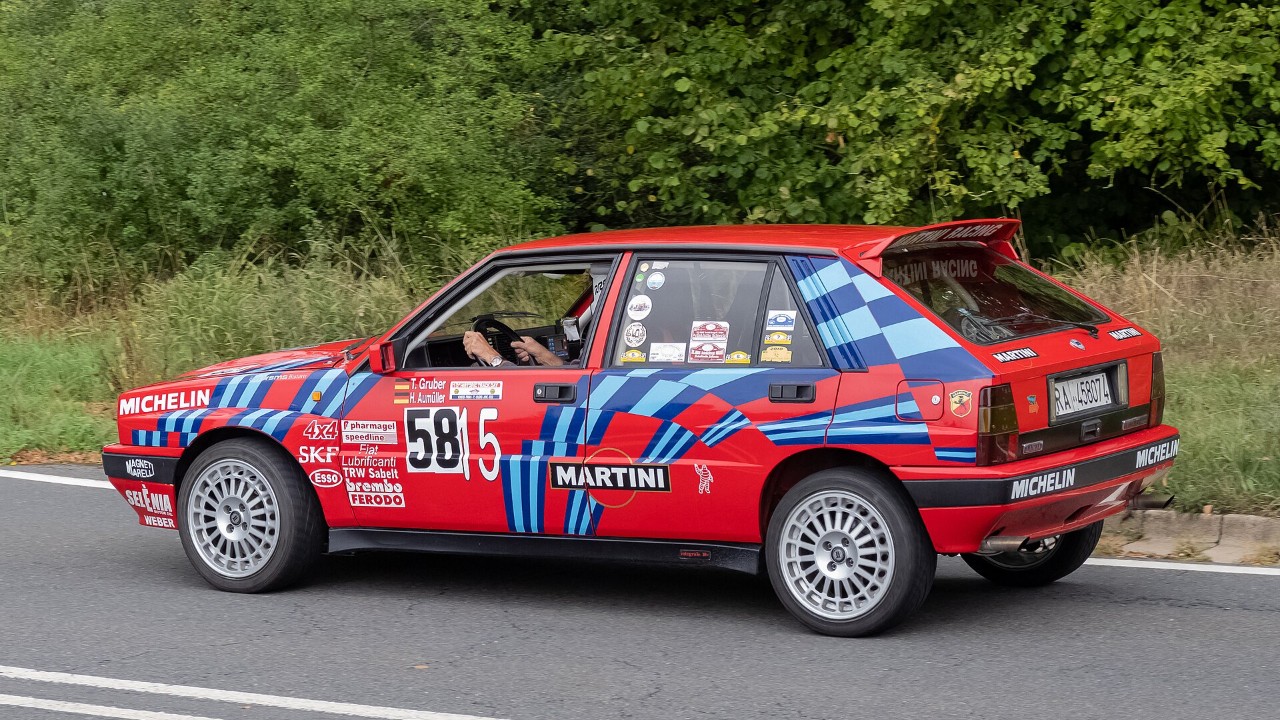
When rally rules changed, Lancia was ready. Group B ended after the 1986 season, and Group A required at least 5,000 production examples in 12 months. Lancia’s answer was the Delta, a family hatchback with all-wheel drive and a turbocharged 2.0-liter four.
The HF Integrale replaced the HF 4WD in September 1987. At first, its eight-valve engine made 185 PS. Then a 16-valve version arrived in 1989 with 200 PS, and the Evoluzione of 1991 and 1992 reached 210 PS. Production carried on until about 1994, roughly two years after the first-generation Delta ended.
The drivers also loved it. Juha Kankkunen won the drivers’ title in 1987 and 1991, and Miki Biasion won in 1988 and 1989.
In our view, the Integrale proves that a sensible family hatchback can become a giant killer with the right hardware and very little else. If you buy one, budget for specialist care, and favor cars with complete records. Lancia won six straight World Rally Championship manufacturers’ titles with the Delta, from 1987 to 1992.
More from Fast Lane Only