When temperatures plunge, the same cold that stiffens your fingers quietly sabotages the chemistry inside your car battery. Drivers tend to blame “old age” when a vehicle will not crank on a frigid morning, but freezing conditions accelerate that decline and can literally turn the electrolyte to slush if the battery is weak enough. I want to unpack why that happens and, more importantly, which winter habits actually keep a battery alive instead of just making you feel prepared.
The core problem is not just that cold air exists, it is that low temperatures slow the reactions that produce electrical current while demanding more power from the starter and electronics. That mismatch between reduced output and higher load is what strands people in parking lots, and it is also what smart storage, charging and insulation strategies are designed to fix before the first Arctic blast arrives.
How cold really wrecks a car battery
At its heart, a standard 12 volt battery is a chemical factory, and cold weather turns that factory into a slow shift. Inside, six cells convert chemical reactions into electrical energy, but as the temperature drops those reactions lose speed and the battery’s available current falls just when the starter motor needs a surge. Reporting on Standard 12 volt designs shows that this slowdown can leave even otherwise healthy batteries struggling to deliver enough power to crank an engine that is itself thick with cold oil.
The cold penalty starts well before anything literally freezes. Analysis citing According to NAPA Auto Parts notes that by 32 degrees Fahrenh a typical battery has already lost a significant share of its cranking capacity. That is why “Why Car Batteries Die” in Cold Weather emphasizes that low temperatures both challenge the battery’s chemistry and increase internal resistance, a combination that quickly exposes any underlying weakness.
When a battery actually freezes solid
Drivers often assume any subzero night will turn a battery into an ice cube, but the reality is more nuanced and depends heavily on state of charge. Electrolyte in a healthy, fully charged unit is a strong acid solution that resists freezing until extremely low temperatures, while a discharged battery is closer to water and far more vulnerable. Technical guidance on Can a Car Battery Really Freeze explains that the more the battery is drained, the closer its freezing point creeps toward the familiar water mark of 32 degrees Fahrenheit.
That chemistry shows up clearly in lab figures. One analysis notes that a fully charged battery will not solidify until around 76°F below zero, while a heavily discharged one can freeze at roughly the same temperature as water. A related breakdown of What Does It Take for a Car Battery to Freeze stresses that Fully charged units are extremely resistant to this, which is why a frozen case is usually a symptom of long term neglect rather than one brutal cold snap.
Why winter exposes weak or neglected batteries
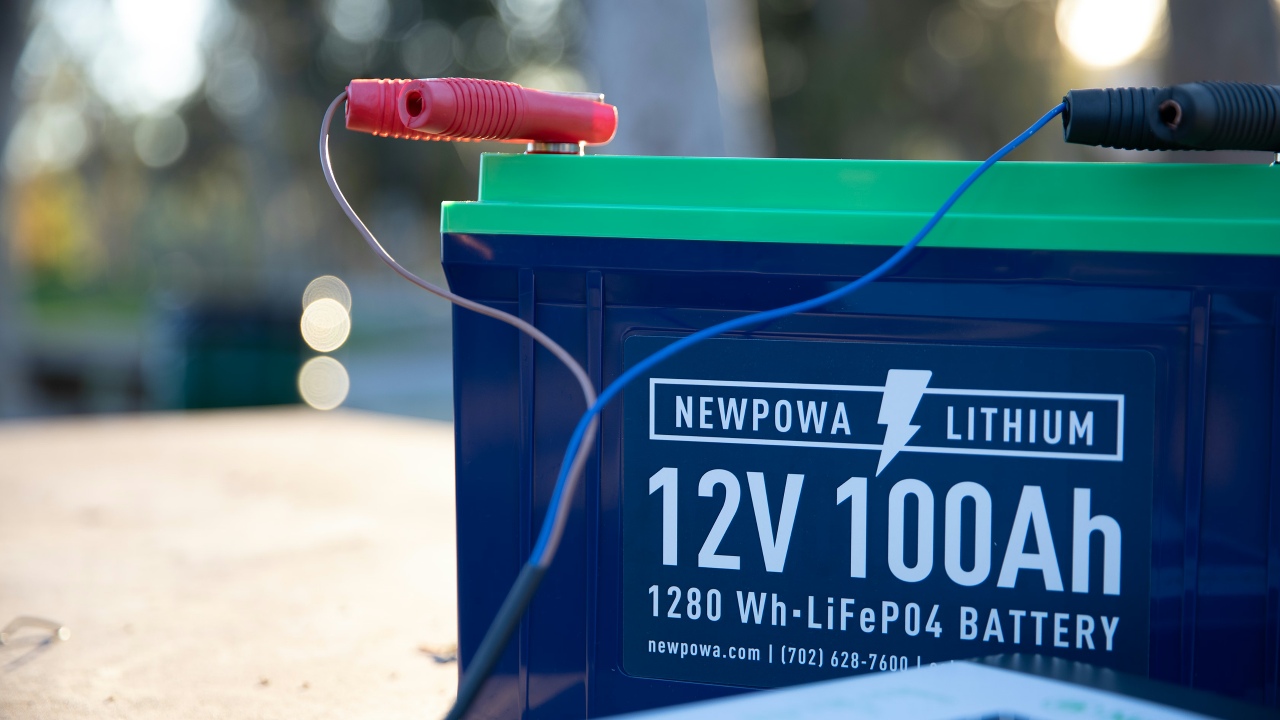
Cold weather does not create battery problems out of thin air, it magnifies issues that were already there. Corroded terminals, sulfated plates from chronic undercharging and general age related wear all reduce capacity, and once the temperature drops those margins disappear. Coverage under the banner of Why Car Batteries Die Car notes that low temperatures significantly challenge already compromised batteries, often leading to sudden failure in the first real cold snap of the season.
Modern driving patterns make that worse. Short trips with heavy accessory use leave alternators little time to recharge, so the battery enters each night slightly more depleted than the last. A technical explainer on What Happened To a Car Battery In Cold Weather points out that some chemistries tolerate this better than others, but all suffer if they sit partially discharged in the cold. That is why guidance on Your car being hard to start in winter highlights that many “dead” batteries are simply not fully charged when the temperature drops.
Habits that actually prevent winter battery failure
The most effective winter protection is not exotic gear, it is keeping the battery charged, clean and out of the harshest conditions whenever possible. Parking in a garage or even a basic carport shields it from wind chill and extreme lows, while a smart maintainer keeps voltage topped up so the electrolyte stays in its low freezing point zone. Practical advice on How to Prevent freezing stresses parking your vehicle inside when you can and using a plug in maintainer so the battery never sits deeply discharged through a cold spell.
Simple housekeeping matters too. Dirt and corrosion on the case and terminals can create tiny leakage paths that slowly drain charge, which is why technical notes on Keep your battery clean emphasize wiping the top and ensuring tight, corrosion free connections. Another set of recommendations on how How Cold Weather Affects Car Batteries urges drivers to switch off accessories before shutting down, so the next start does not compete with blower motors and heated seats for limited cold cranking power.
Choosing and storing batteries for real winter resilience
For drivers in places where winter is not a weekend novelty but a season, the type of battery and how it is stored between uses can be the difference between routine starts and regular jump cables. Some designs are built with higher cold cranking ratings and more robust internal construction, and guidance under the question While discussing winter protection notes that certain batteries are simply better suited to cold climates. A related explainer that asks Is There a Better Battery for the Cold Temperature points drivers toward options with high temperature and corrosion resistance that also perform well in low temperatures, a combination that matters for vehicles that bake in summer and freeze in winter.
Storage is just as critical for seasonal vehicles, from classic cars to snow belt convertibles that sit out the salt months. Technical guidance on What to note when storing a battery stresses picking the Correct location, ideally a cellar or similar space with a constant temperature even in winter, and avoiding Poor conditions that lead to deep discharge. The same principle shows up in electric vehicle discussions, where owners on an Oct forum thread advise to Always leave the car plugged in at home so onboard systems can maintain both the high voltage pack and the 12 volt battery at a healthier temperature and state of charge.
More from Fast Lane Only: