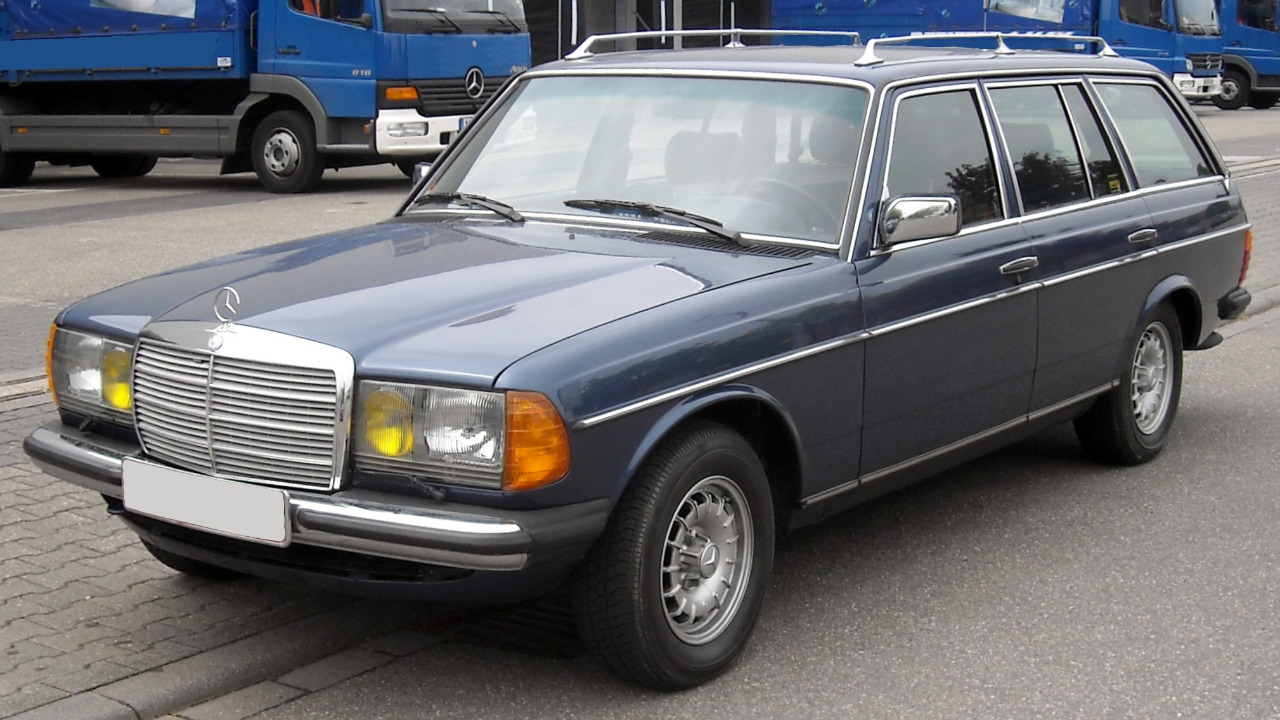
Mercedes-Benz built almost 2.7 million cars in its W123 family, and the Mercedes-Benz 240D was the most common of them all. Volvo, meanwhile, built more than 2.8 million of its 240 and 260 series. Numbers like that don’t happen by accident. They come from cars that owners kept driving, year after year.
The 1970s get a rough reputation among car fans, and some of it is earned. Even so, the decade also produced a group of simple, honest cars that just kept going. Many of them were built for families, taxi drivers and commuters, not for magazine covers.
These are our picks: nine cars from the 1970s that never seemed to quit. That verdict is our opinion. The years, engines and production figures come from the makers, period reports and reference sources, and we’ve left out any mileage claims we couldn’t verify.
1. Mercedes-Benz 240D W123
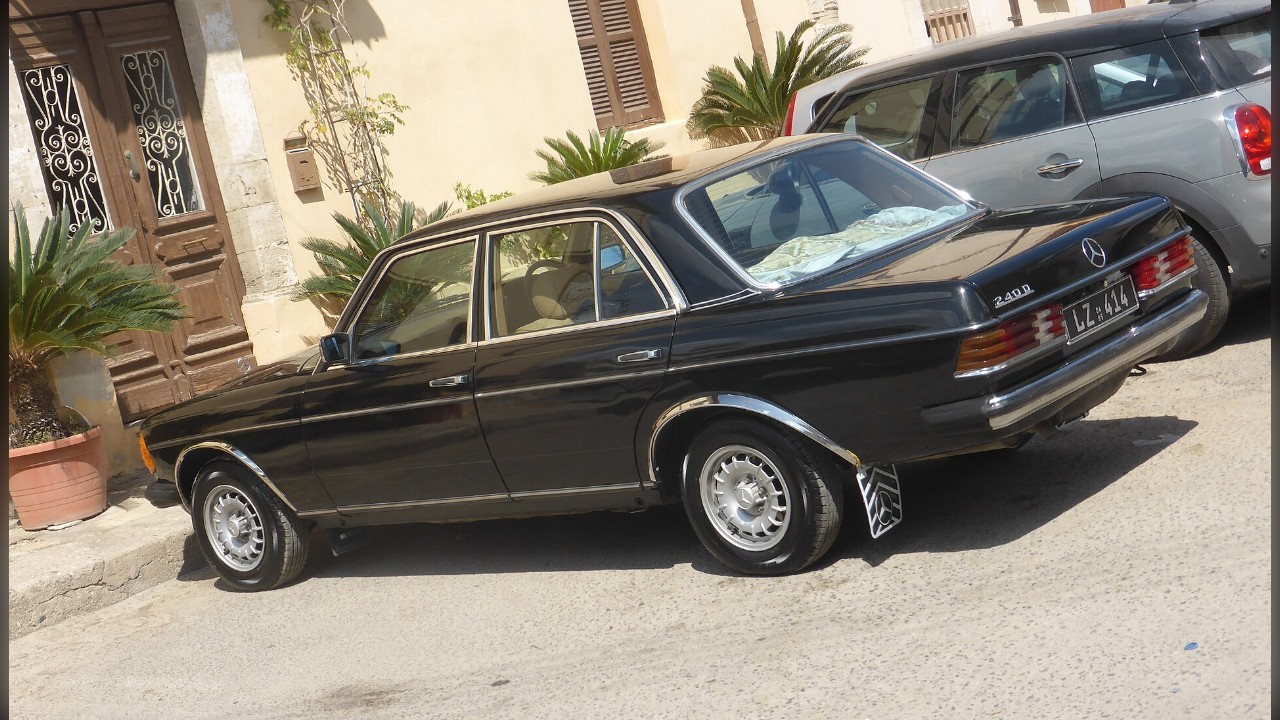
The W123 sedan went on sale in January 1976 and ran until the mid-1980s. According to Driven Car Guide, the range became Mercedes-Benz’s most successful model series up to that time. The same report says the 240 D sedan was the most common version. By one count, Mercedes built roughly 455,000 of them, starting in November 1975, ahead of the sales launch.
The 240 D used a 2.4-liter four-cylinder diesel. At launch it made 65 PS, and from August 1978 that rose to 72 PS. US cars from 1977 to 1980 were rated at just 62 hp. That’s not much power for a big sedan, but speed was never the point.
Instead, the Mercedes-Benz 240D won over taxi operators. Many German taxi firms chose the W123 for its reputation for durability and reliability. In our view, a taxi fleet’s choice of Mercedes-Benz 240D sedans tells you more than any spec sheet could. The W123 family also had a tougher side, since two 280 E sedans won the 1977 London-Sydney Marathon. If you buy one, check the body carefully for rust before you worry about the engine.
2. 1978 Volvo 244 DL sedan
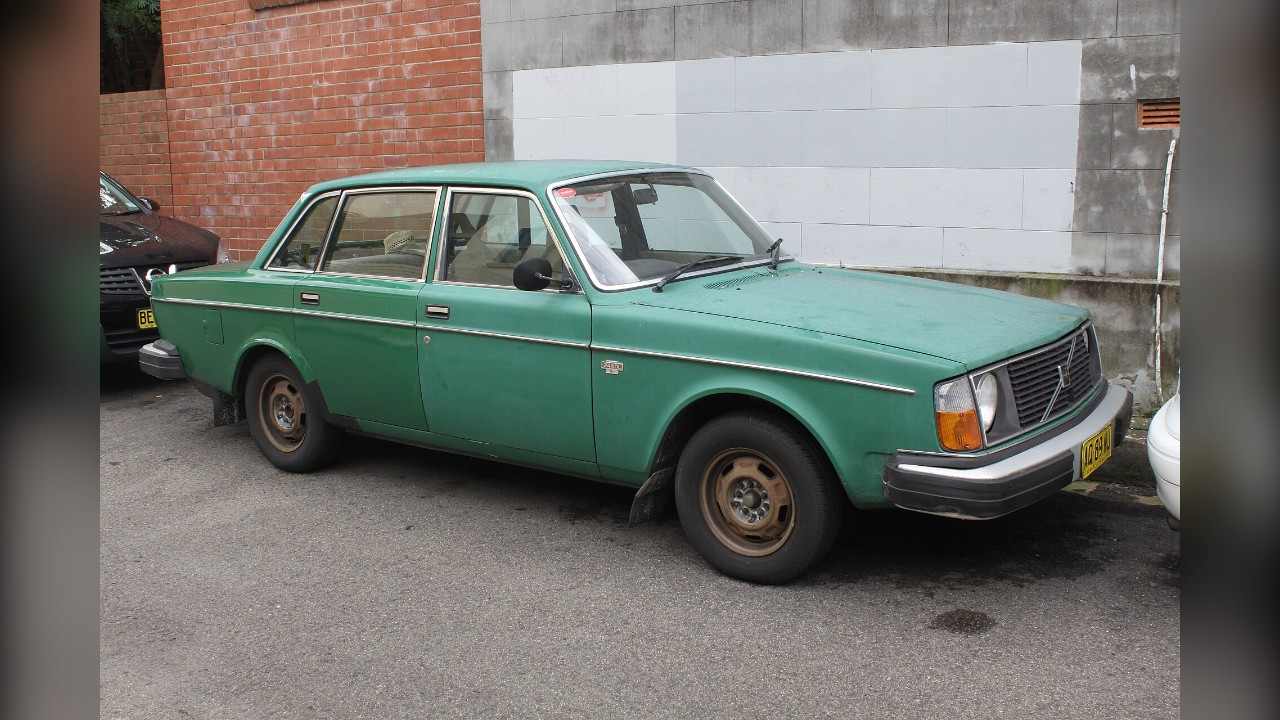
Volvo presented the 240 and 260 family in August 1974, developed from the earlier 140 series. Production then ran until 1993. According to Volvo’s own model history, the company built more than 2.8 million 240/260 cars, and 1,483,399 of them were 244 sedans.
The DL, short for de Luxe, was part of the original 1974 lineup. In 244 DL form, the B21A four made 97 PS, and the front used MacPherson-type suspension. For 1978, Volvo gave the car a grille with a chrome surround and a redesigned rear with wraparound taillights. It also used a new paint formula meant to fight rust, which matters on a car meant to last.
Volvo also says US authorities used the 240 as a standard for safety development. That fits the car’s character, and like the Mercedes-Benz 240D, it put substance ahead of flash. It’s boxy, heavy and practical, and it was built to protect people first. In our view, a 1978 244 DL is the classic version, because it combines the early, simple layout with the first round of improvements. If you shop for one, straight panels and a clean interior matter more than low miles.
3. 1974 Toyota Corolla KE25 Deluxe coupe
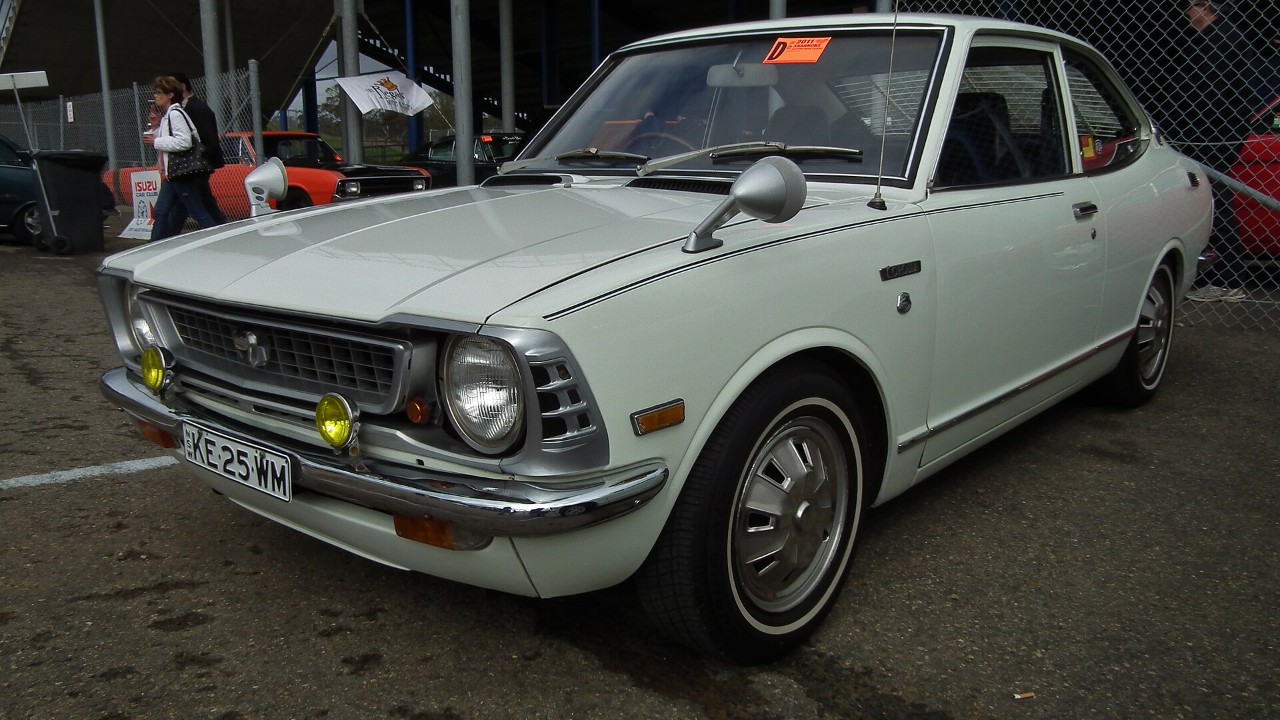
Toyota launched the second-generation Corolla in May 1970. That same year, the Corolla became the second-best-selling car in the world. The E20 range included two- and four-door sedans, wagons, vans and a two-door coupe, the KE25.
The coupe used the 1,166 cc 3K four-cylinder. In Japan, it made 68 PS, while export versions were rated lower, and the US 3K-C engine was listed at 73 hp gross. Toyota sold the coupe in DX, Hi-DX and SL trims. Coupes and sedans stayed in production from May 1970 to July 1974, so a 1974 Deluxe coupe comes from the very end of the run. Wagons and vans carried on until May 1978.
Why does it make this list? Because the E20 is a plain, light car with a small eight-valve, carbureted engine and very little to go wrong. In our opinion, those are the ingredients of a car that keeps going with basic care. It also comes from the generation that made the Corolla a global name. If you find a solid one, keep it stock, because originality is what makes an early Corolla special to us.
4. 1975 Peugeot 504 GL sedan
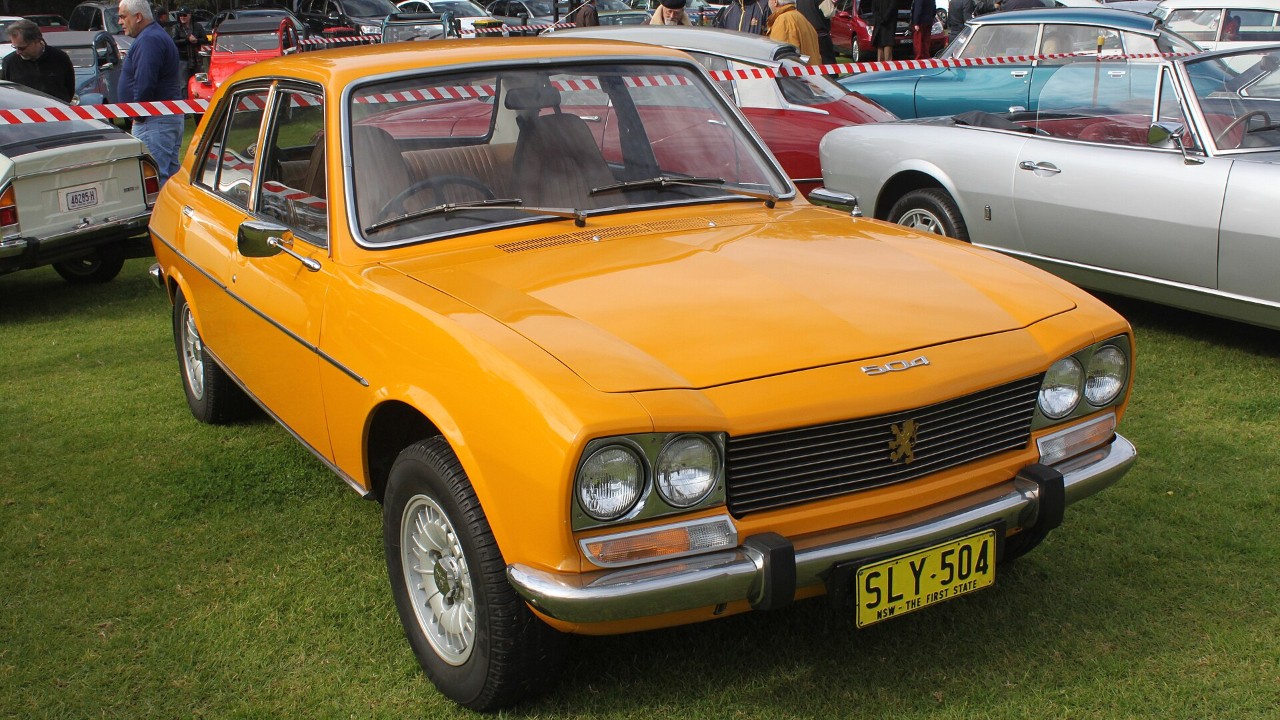
Peugeot built the 504 in France from 1968 to 1983, and it made more than three million of them in Europe. It was named European Car of the Year in 1969. Yet the story didn’t end in 1983. Licensed production continued in Kenya until 2004 and in Nigeria until 2006.
That long life says a lot about how tough the car was. In fact, 504s won the East African Safari Rally in 1975 and 1978. The 1978 win came in a V6 coupe driven by Jean-Pierre Nicolas.
The GL version used a 2.0-liter carbureted gasoline four, while other 504s offered Indenor diesels. It was not the fastest 504, but it was the kind of car families relied on for years. We think the 504 belongs here more than almost any other car on the list. A car that was still being built nearly four decades after its launch clearly did something right. If you see one, look for rust in the sills and wheel arches before anything else. In our view, two Safari wins say more about its toughness than any brochure could.
5. 1973 AMC Hornet DL 2-door sedan
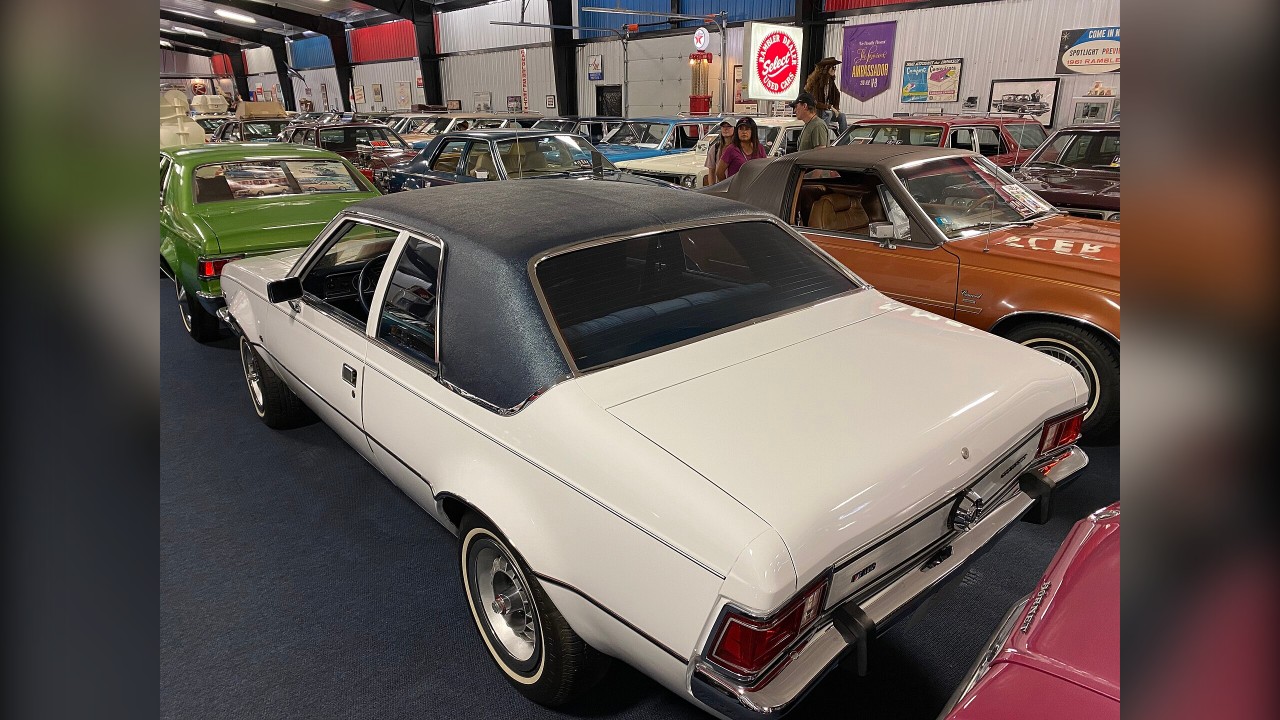
AMC sold the Hornet from the 1970 to 1977 model years. Then it carried on under other names. The same basic platform underpinned the Gremlin, the Concord, the Spirit and the four-wheel-drive Eagle, which AMC built through 1988.
For 1973, the Hornet got bumpers built to meet new low-speed impact rules, with a 5 mph unit at the front. Overall length grew by about six inches. The 232 cubic-inch six was standard, and AMC added a 258 cubic-inch six as an option that year. Buyers who wanted more could choose the 304 V8.
A Hornet hatchback also earned a moment of fame in 1974. In the James Bond film The Man with the Golden Gun, a red Hornet jumps a broken bridge in a chase scene. In our view, though, the real proof of the Hornet’s toughness is how long AMC kept using its bones. A platform that lasted from 1970 to 1988 must have been well engineered. The AMC inline-six is also a simple engine, and we’d pick one over the V8 for a car meant to run forever.
6. 1973 Dodge Dart Custom 4-Door Sedan
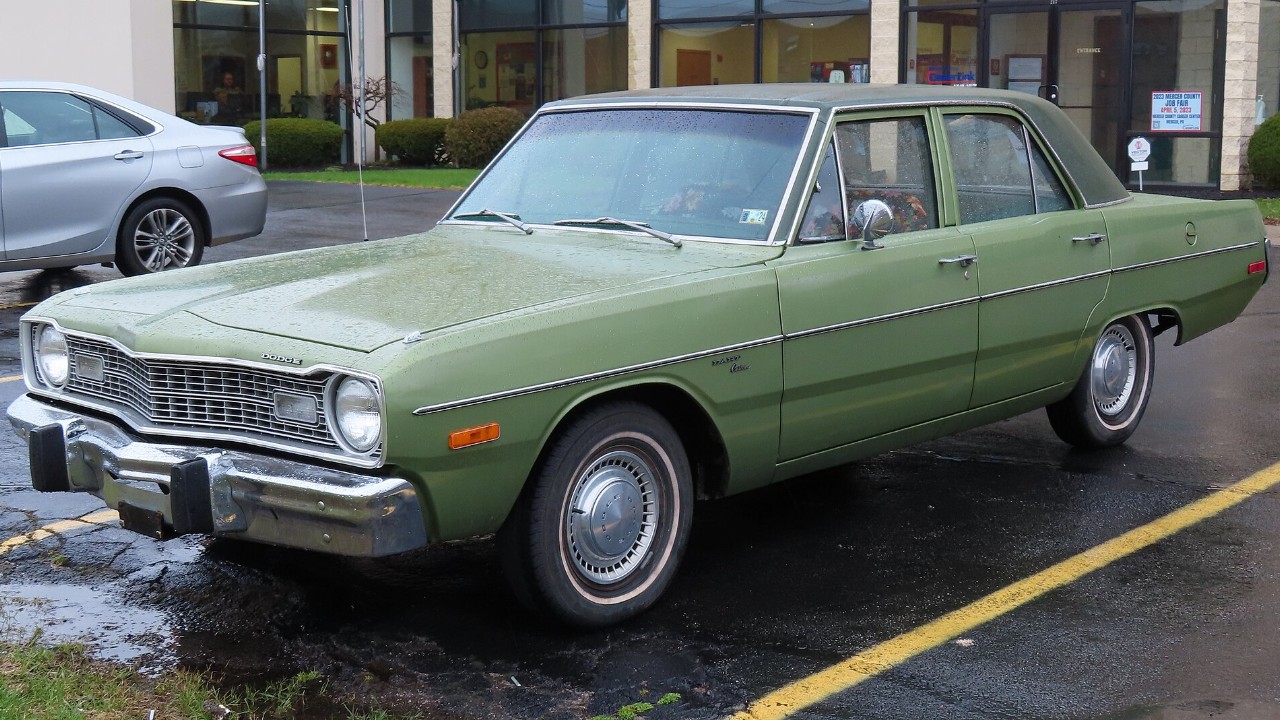
The Dodge Dart of 1967 to 1976 rode on Chrysler’s A-body, and the sedan used a 111-inch wheelbase. For years, the famous 225 cubic-inch Slant Six was an upgrade option. It became standard on every Dart in 1975, after Dodge dropped the smaller 198. Dodge also offered taxi packages built around the 225. For 1973, the Dart got a modified K-frame for a new engine mount, plus stronger upper ball joints taken from Chrysler’s larger B-body cars.
Sales were huge. For 1974 alone, Dodge built 285,672 Darts, including 183,700 with six-cylinder engines. Chrysler executive R. D. McLaughlin later called the Dart “one of the most successful compact cars ever introduced in the American automobile marketplace.”
In our view, a Slant Six Dart is one of the purest examples of a 1970s car that simply refused to stop. The engine is basic, and the car is easy to work on in a driveway. If you’re shopping, look for the 225 Slant Six over a V8. For more cars in the same spirit, see our list of 1970s classics that show why simplicity matters.
7. 1975 Honda Civic CVCC 1200GL
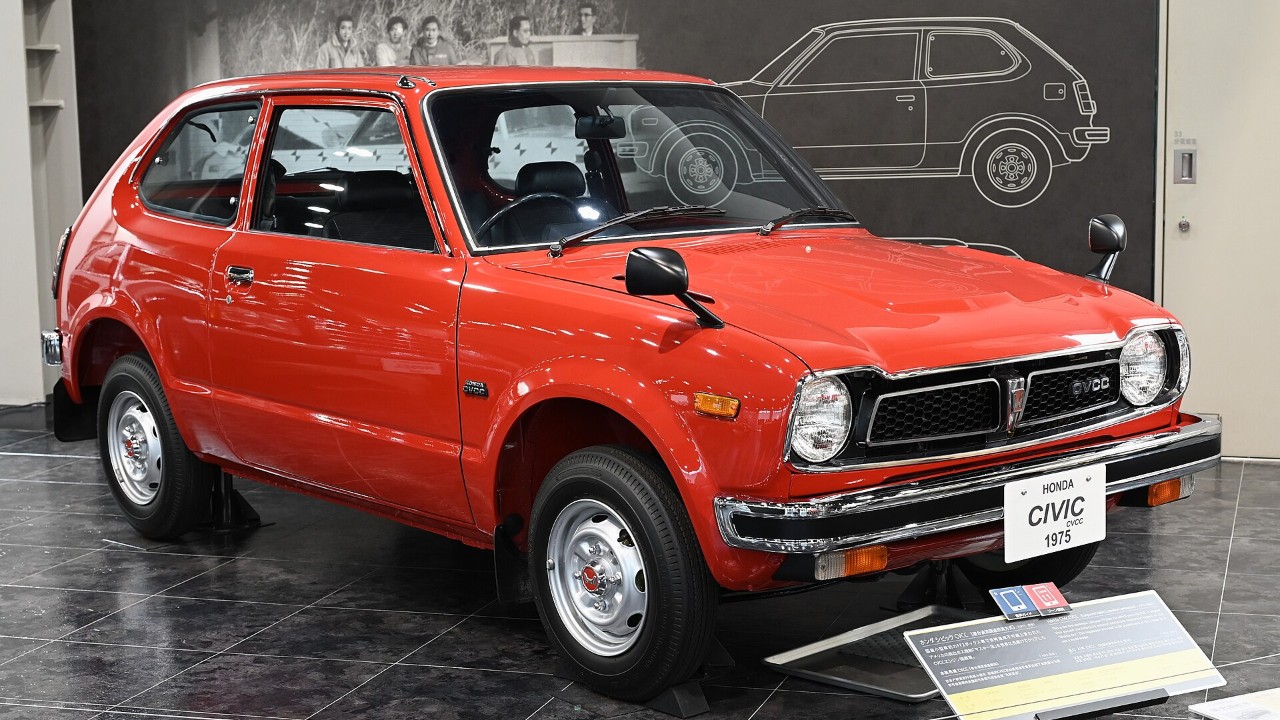
Honda built the first Civic from July 1972 to June 1979. It used a transverse engine and front-wheel drive, a layout that now seems normal but was still fresh in small cars then. In 1975, Honda added its CVCC engine alongside the standard unit. The four-door sedan later bowed out in June 1978, a year before the first generation ended.
Honda’s CVCC design let the engine meet tightening emissions standards without a catalytic converter or unleaded fuel. In California, which had stricter rules, Honda sold only the CVCC-powered Civic. The US CVCC engine displaced 1,488 cc and made 53 hp.
In our view, the CVCC Civic belongs on any list of tough 1970s cars because it solved a hard problem simply. It didn’t need a catalytic converter at all. Small, light and easy to fix, it showed American buyers what a Japanese economy car could do. If you find one, check for rust first, because the mechanical side is the simple part. For other 1970s cars that seem to keep going, see our list of 1970s classics built to last.
8. 1973 Volkswagen 1303 Super Beetle
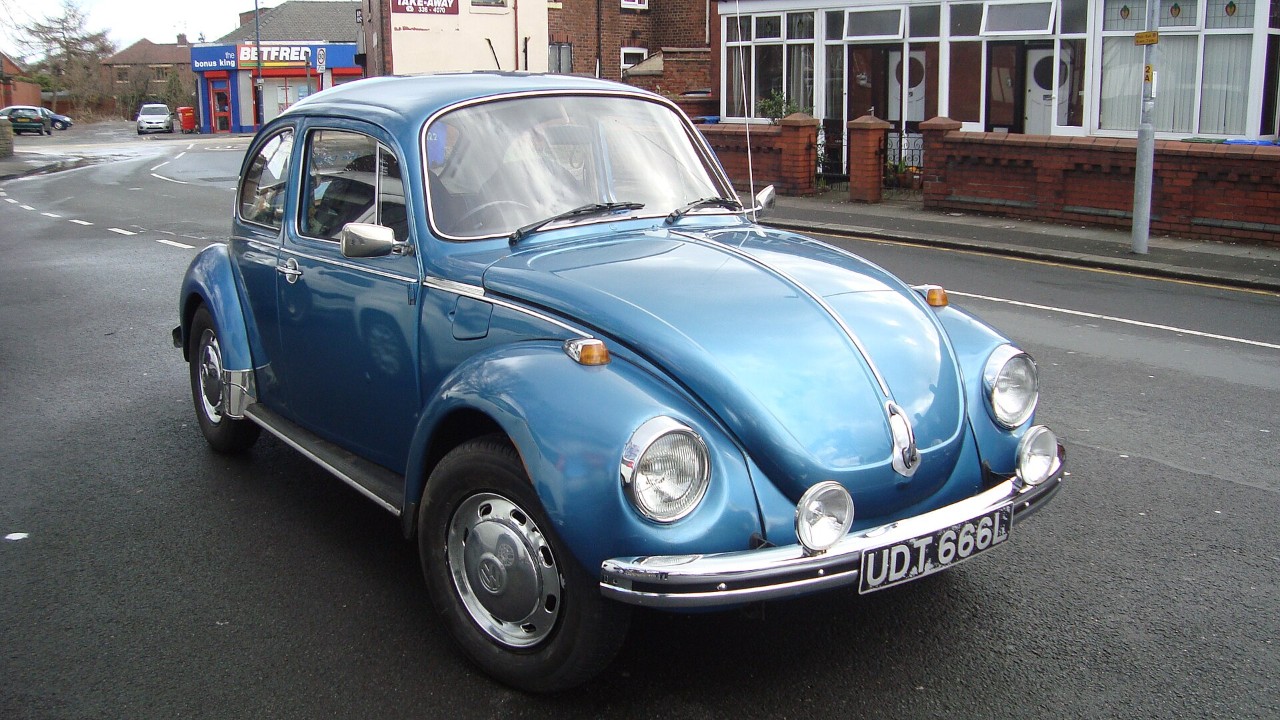
In February 1972, the Beetle passed 15,007,034 units and became the best-selling car of all time. Volkswagen went on to build 21,529,464 Beetles in total. By August 1972, the 1303 had replaced the 1302 as the Super Beetle, so a 1973 car comes from the first full year of the new version.
The Super Beetle line had introduced MacPherson strut front suspension in 1970. It also used the 1,584 cc flat-four, which made 50 PS in 1302S form. Volkswagen built the 1303 sedan until July 1975, while the Wolfsburg plant alone turned out 11,916,519 Beetles over the years.
The Beetle’s simple, air-cooled engine has no radiator to leak and no water pump to fail. In our view, that’s a big part of why so many of them kept running. In our view, the 1303 is the most comfortable classic Beetle to live with, thanks to its revised front end. It still has the charm and simplicity of the original. If you want one, check the floor pans and heater channels, and you’ll know quickly whether a car has been looked after.
9. 1977 Chevrolet Caprice Classic Station Wagon
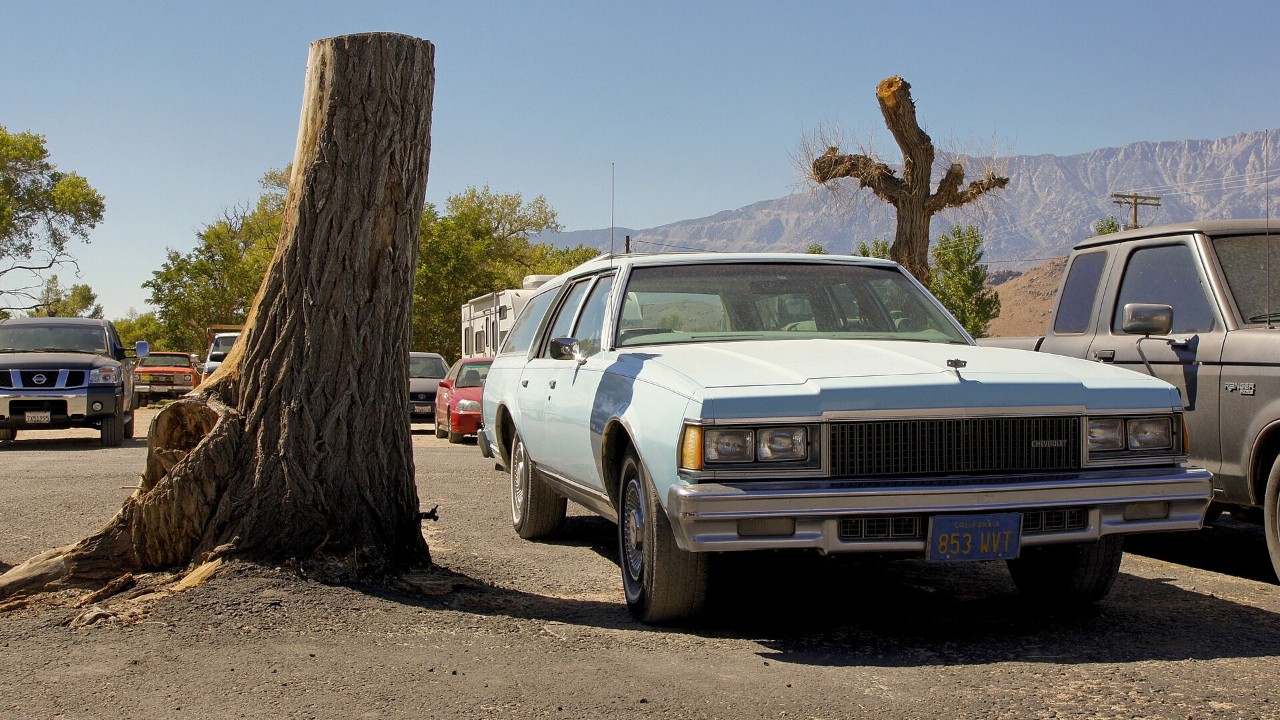
For 1977, Chevrolet shrank its full-size cars, and the wagons changed the most. They lost 871 pounds and 14 inches of length compared with 1976. Yet, as Hagerty notes, the new full-size Chevys gained headroom and rear legroom despite the smaller outside. Hagerty also points out that the new big Chevys were slightly shorter than that year’s midsize Malibu.
The gamble paid off. Motor Trend named the 1977 Caprice its Car of the Year, and the full-size Chevy became the best-selling car in America that year. Chevrolet built 56,569 Caprice wagons for 1977. The wagon seated eight with an optional rear-facing third seat and offered 87 cubic feet of cargo space.
A 305 cubic-inch V8 with 145 hp was standard in the wagon, and a 350 V8 with 170 hp was the top choice. Other Caprices started with a 250 cubic-inch six rated at 110 hp. Chevrolet kept this basic design in production through the 1990 model year. In our view, that long run is the best proof that the 1977 Caprice got the fundamentals right. It was simple, roomy and easy to fix, which is exactly what a family wagon should be.
More from Fast Lane Only