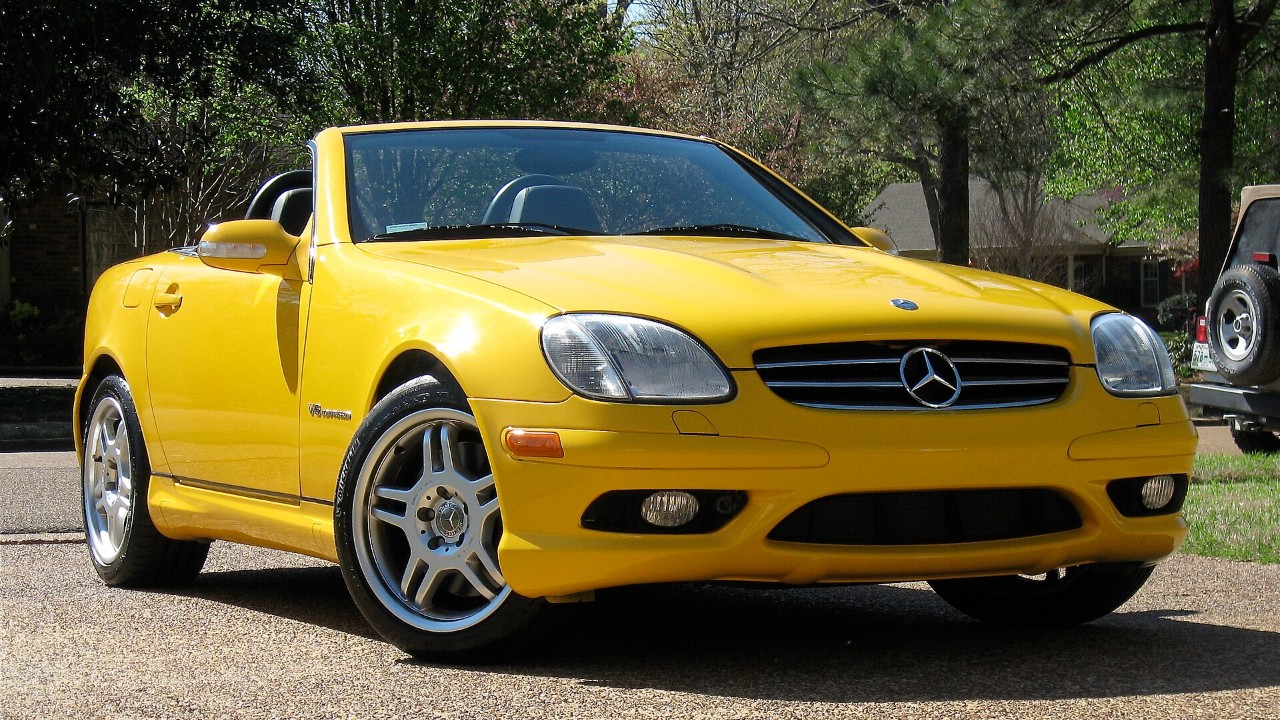
In a 2002 MotorWeek comparison test, the Mercedes-Benz SLK 32 AMG ran from 0 to 60 mph in 4.6 seconds. That beat the BMW M Roadster it faced, and it did it with a five-speed automatic. Not bad for a small Mercedes that looked built for the boulevard.
Roadsters often get judged by their image rather than their stopwatch. A folding roof, a soft ride or a modest badge can make a car look slower than it really is. Meanwhile, some of the quickest open two-seaters of the past 30 years wore plain clothes and kept their numbers to themselves.
These are our picks: 12 roadsters we think were faster than their reputation suggested. The verdict is our opinion. However, every engine, output and acceleration figure below comes from road tests, maker data and published histories.
1. Mercedes-Benz SLK 32 AMG
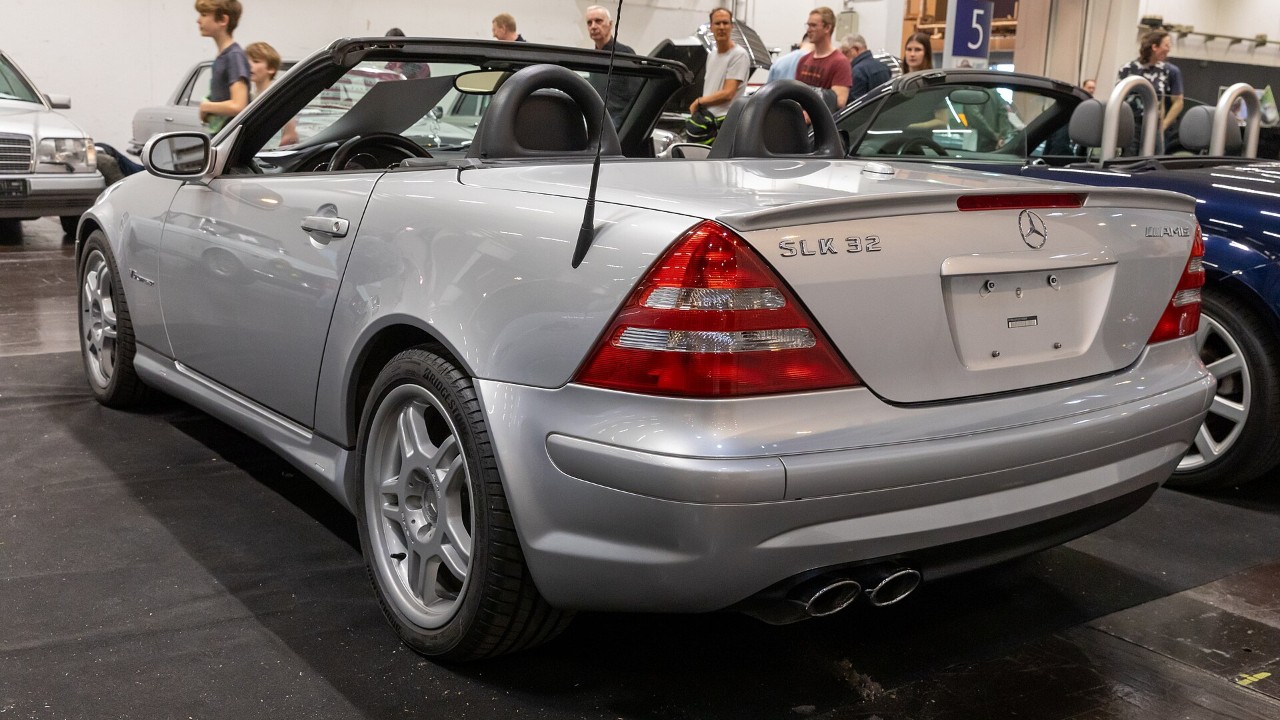
The SLK 32 AMG hid a supercharged, intercooled 3.2-liter V6 under its short hood. It made 349 horsepower and 332 lb-ft of torque, sent through a five-speed automatic with a Speedshift manual mode. In MotorWeek’s 2002 test against the BMW M Roadster, the Mercedes ran the quarter-mile in 13.1 seconds at 110 mph.
The BMW, by comparison, made 315 horsepower and needed a best run of 4.8 seconds to reach 60 mph. Its quarter-mile took 13.3 seconds at 107 mph. In fairness, the SLK 32 AMG weighed 3,220 pounds and cost $55,545 in that test, so it wasn’t light or cheap. The intercooler kept the supercharged air charge cool, which helps on repeated hard runs. Still, it put the sharper-looking BMW behind it on the strip.
Our take: the SLK 32 AMG is the definition of a sleeper roadster. It has a folding hardtop and a polite cabin, yet the supercharger whine tells the real story. We’d look for one with service records, especially for the supercharger and automatic gearbox. Mercedes built the SLK line in Bremen, Germany, and this AMG version remains its most surprising product, in our view.
2. Porsche Boxster S (986)
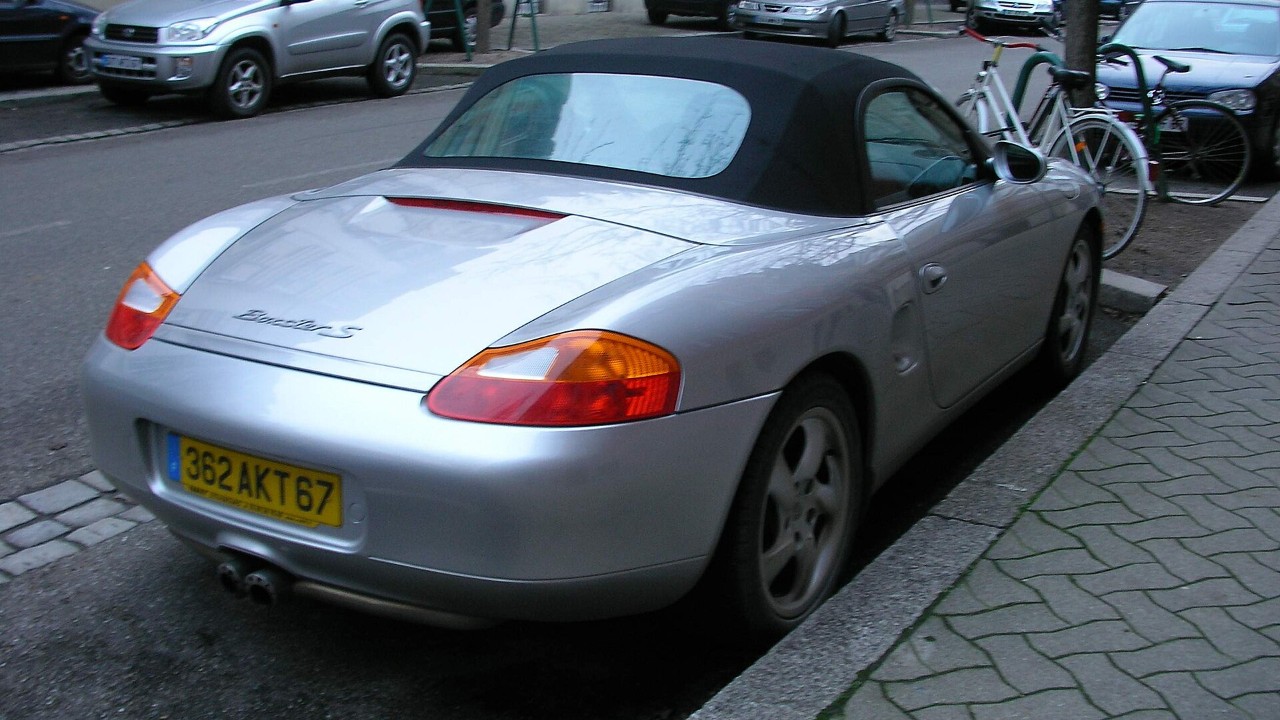
Porsche introduced the first Boxster, the Type 986, in late 1996. Then, in 2000, the Boxster S arrived with a 3.2-liter flat-six. For the 2003 update, Porsche raised engine output on both versions and refreshed the styling. Valmet Automotive also built Boxsters under contract at a plant in Uusikaupunki, Finland.
The Boxster’s reputation suffered from one thing above all: the 911. The 986 shared its bonnet, front wings, headlights, interior and engine architecture with the 996-generation 911. As a result, it’s easy to file the Boxster as the cheaper Porsche rather than a serious sports car. That view ignores the layout. The Boxster’s engine sits in the middle, which gives it a balance the rear-engine 911 has to work harder to find.
Our take: the Boxster S is one of the best-value ways to enjoy a mid-engine Porsche, and it feels quicker on a twisty road than its image implies. If you shop for one, budget for a careful pre-purchase inspection by a Porsche specialist. That money is well spent on any 20-year-old performance car. We’d take a well-kept S over many flashier cars with bigger numbers.
3. 2019 BMW Z4 M40i
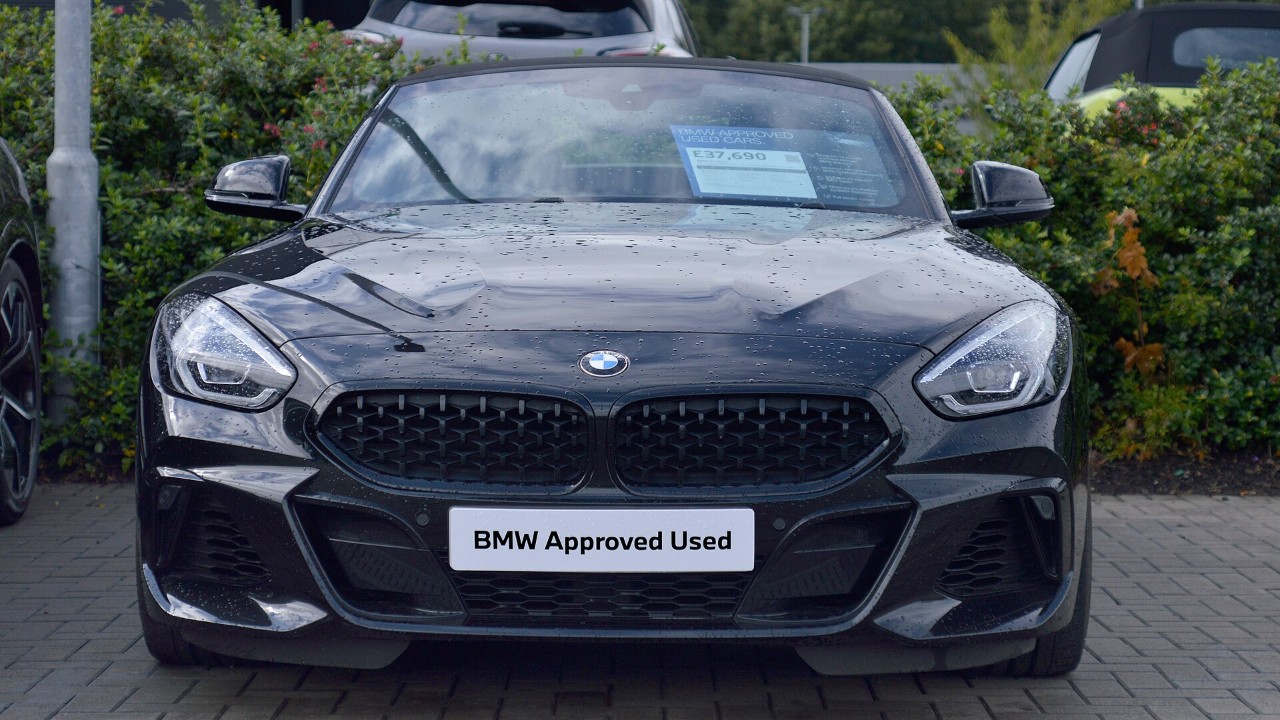
BMW revealed the G29 Z4 at the Pebble Beach Concours d’Elegance on August 23, 2018, and sold it from the 2019 model year. The M40i sat at the top of the range. Its turbocharged inline-six made 382 horsepower in 2020-and-later form.
The official figure is 4.2 seconds from 0 to 62 mph. That’s serious pace for a car many people treated as a stylish cruiser. Interestingly, the Z4 isn’t even built in a BMW factory. Magna Steyr assembled it in Graz, Austria, and BMW developed it alongside the fifth-generation Toyota Supra. A six-speed manual first appeared in July 2019, but only on the four-cylinder sDrive20i. Then, for 2025, a six-speed manual reached the M40i through the Handschalter package.
Our take: the Z4 M40i lived in the Supra’s shadow, even though it shared the same family of hardware and added an open roof. It’s a quick, refined roadster that never shouted about its pace. Production has now ended, too, so the remaining cars are the last of a long Z line. We’d pick a manual Handschalter car if budget allows, simply for the extra involvement.
4. Honda S660
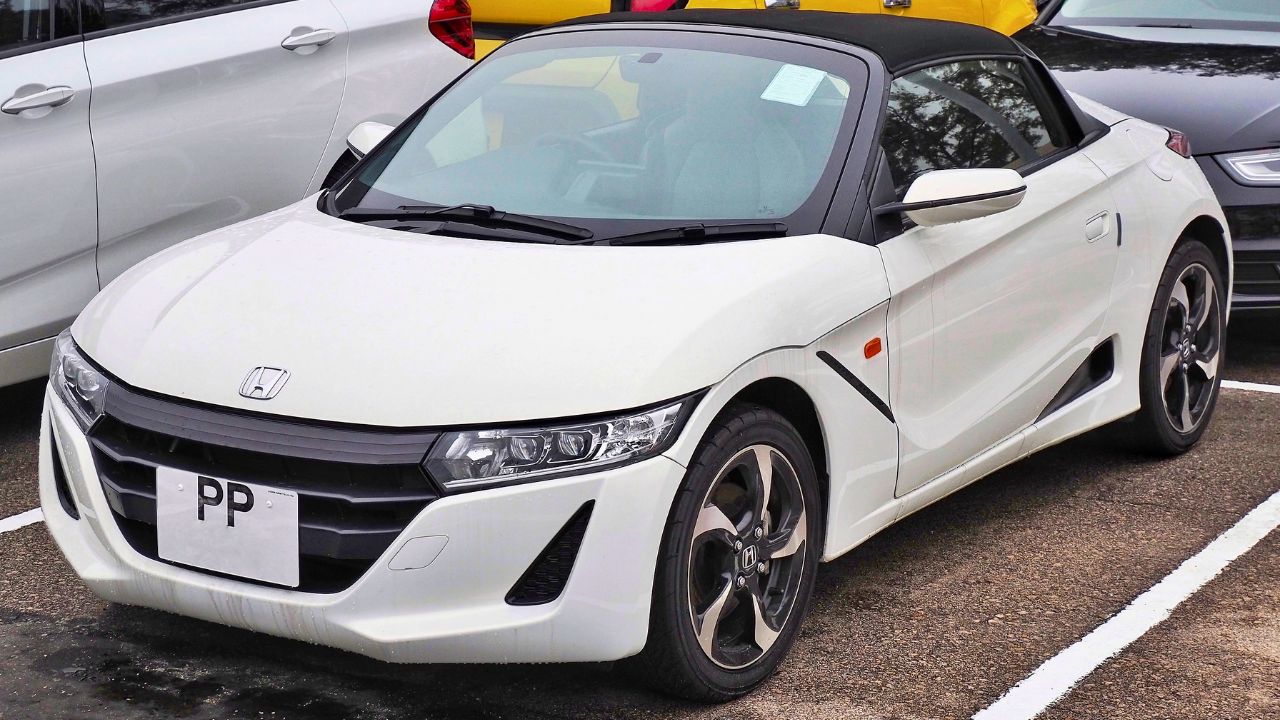
Honda released the S660 on April 2, 2015, as a kei-class sports car. It used a turbocharged 658 cc three-cylinder mounted in the middle and drove the rear wheels. Output was just 63 horsepower at 6,000 rpm, with 77 lb-ft of torque at 2,600 rpm. Moreover, it had a removable targa roof and a choice of a six-speed manual or a CVT with a seven-step manual mode and paddle shifters.
Those numbers sound tiny, but weight changes everything. A manual S660 tipped the scales at about 830 kilograms. In addition, the project began with a young engineer, Ryo Mukumoto, who won Honda’s in-house competition with the idea. Honda built the car in Yokkaichi, Japan, and ended production in March 2022.
Our take: on paper, the S660 is the slowest car on this list, and we won’t pretend otherwise. Yet on a narrow mountain road, it carries speed like a much bigger car because there’s so little mass to slow down. That’s why we think it feels faster than any spec sheet suggests. If you import one, check local rules on right-hand-drive cars first.
5. 2003 MG TF 160
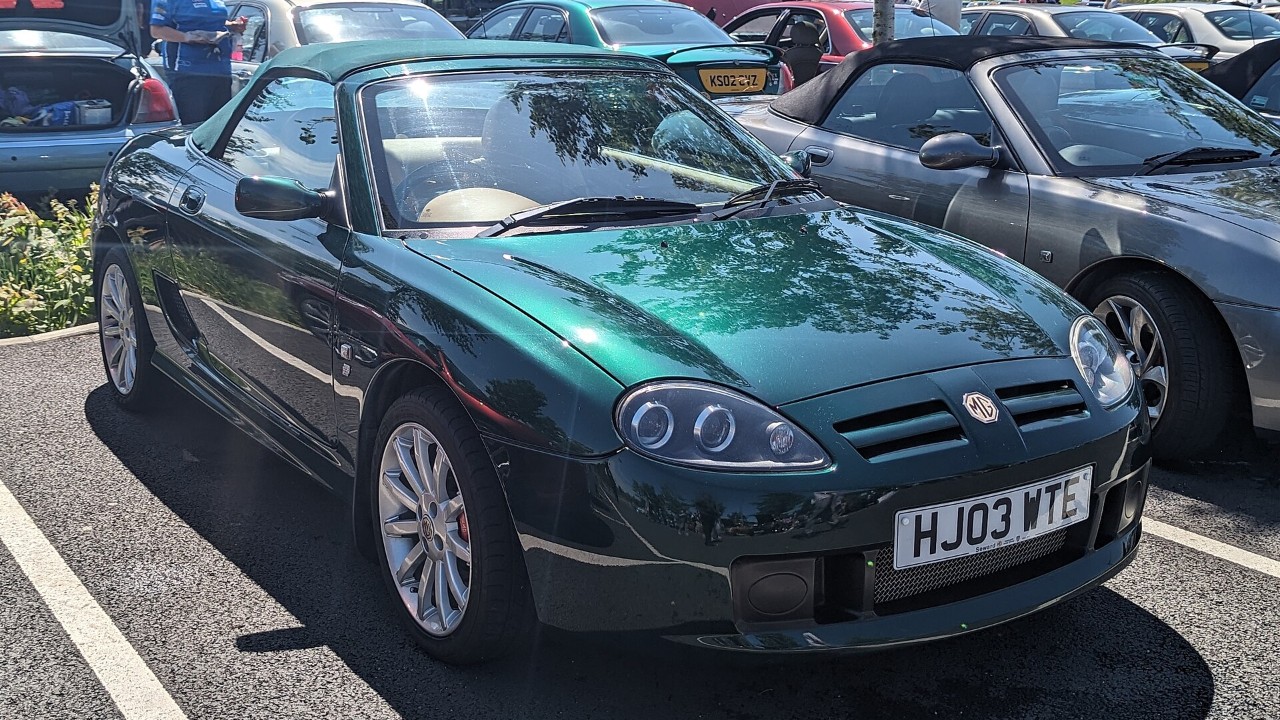
The MG TF 160 put a 1.8-liter four, engine code 18K4K, in the middle of a small British roadster. It made 158 horsepower at 6,900 rpm and 128 lb-ft of torque at 4,700 rpm, so the engine loves to rev. Published figures show 0 to 60 mph in 6.9 seconds and a top speed of 137 mph. For a car many buyers saw as a friendly weekend toy, those are lively numbers.
The TF also changed its suspension. MG abandoned the Hydragas setup of the earlier MG F in favor of conventional coil springs. However, the brand’s troubles soon caught up with it. Production stopped in April 2005, when MG Rover collapsed. Later, Nanjing Automobile Group restarted TF production at its Nanjing factory in March 2007.
Our take: the TF 160 is a genuinely quick car hidden behind a turbulent company story. Mid-engine balance and a rev-happy engine make it a lot of fun for the money. Because any 20-year-old engine needs care, insist on a full service history. With that sorted, we’d happily enjoy one on British B-roads or American back roads.
6. Alfa Romeo Spider 3.0 V6 (916)
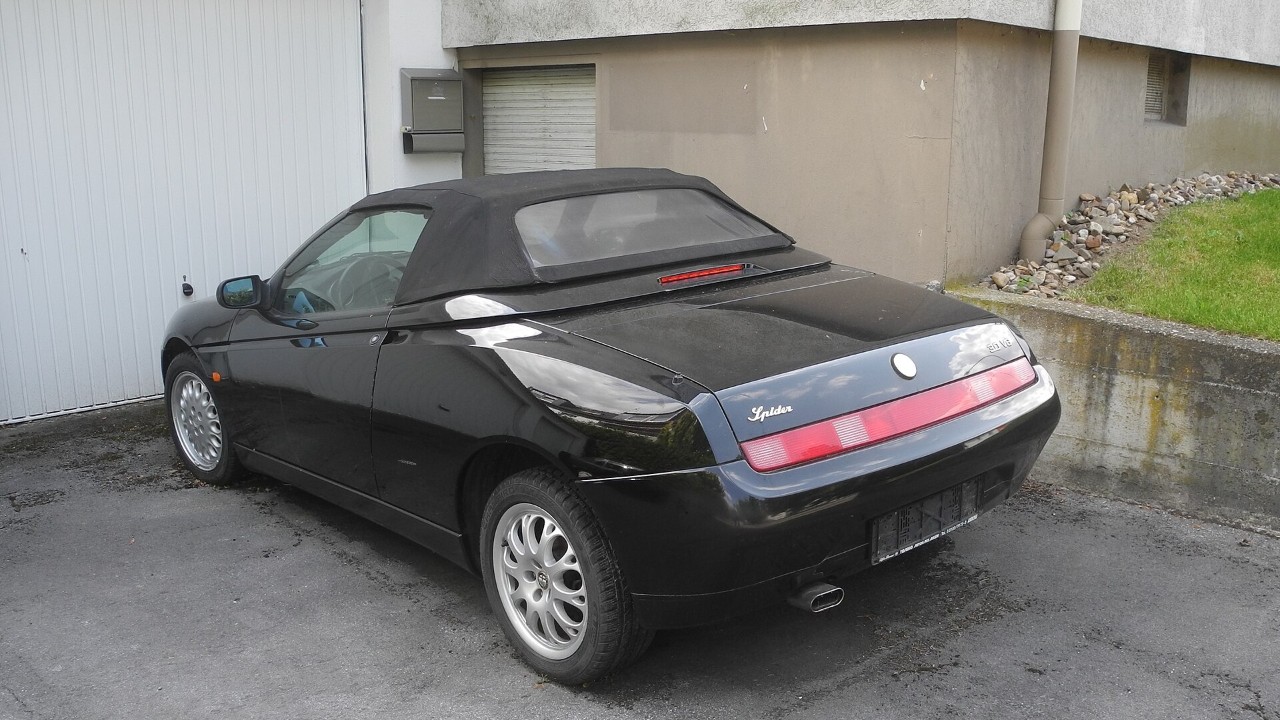
Enrico Fumia at Pininfarina designed the 916-series Spider and its GTV coupe sibling. Meanwhile, Alfa’s own Centro Stile, under Walter de Silva, handled the original interior. The 3.0-liter 12-valve V6 version made 189 horsepower. Then, in August 2000, Alfa replaced it in the Spider with a 24-valve V6. The later 3.2-liter 24-valve engine reached 237 horsepower.
Underneath, the Spider shared its front suspension and drivetrain with the 1992 Alfa 155. Its rear end, however, used a multilink setup designed by Gianclaudio Travaglio. Production began at Arese in Milan and moved to Pininfarina’s San Giorgio Canavese plant in Turin in October 2000. In total, Alfa built 38,891 Spiders. Pininfarina’s own figures show 9,026 of them came from its plant between 2000 and 2004.
Our take: most people remember this Spider for its wedge nose, not its speed. Yet the V6 version brings one of the best-sounding engines of its era to an open car. We think that’s enough to rewrite its reputation. Look for a car with full service records, because a neglected Italian V6 gets expensive.
7. 2019 Abarth 124 Spider
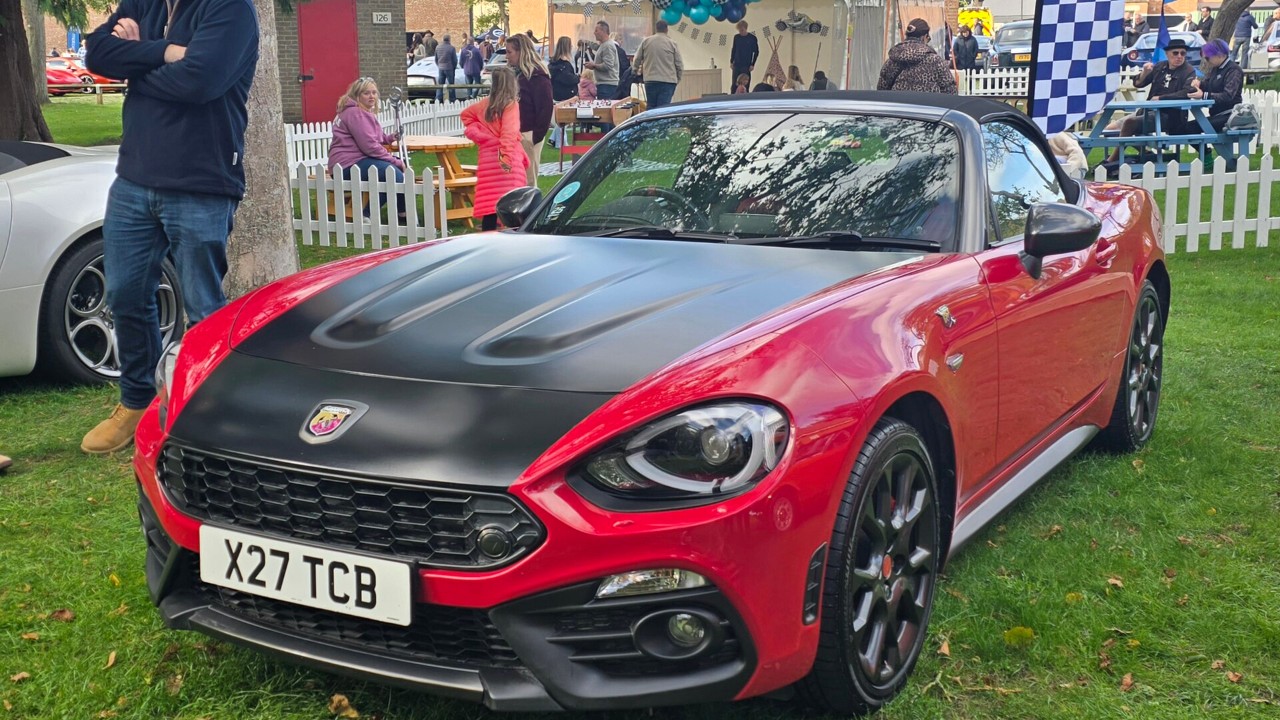
The Abarth 124 Spider began life on the same Hiroshima line as the Mazda MX-5. Mazda built the car, and Officine Abarth in Turin then fitted the model-specific parts. Power came from a 1.4-liter MultiAir turbocharged four with 170 PS in Europe and 164 horsepower in the U.S. It also made 184 lb-ft of torque at just 2,500 rpm.
That torque is the secret. Better still, curb weights for the 124 Spider range sat between 1,050 and 1,080 kilograms, light by modern standards. The Abarth reached 62 mph in 6.8 seconds, and the manual topped out at 144 mph. The pictured car is an automatic, which made the Abarth an even easier car to live with. However, the run was short. Production lasted from 2016 to 2019, and the 2020 model year closed it out in North America.
Our take: it’s easy to dismiss the 124 as an MX-5 with an Italian badge. In our view, the turbo’s low-end shove gives it a different and more urgent personality. We’d seek a manual if you want maximum fun, but an automatic Abarth still makes a fine daily roadster. Either way, the scorpion badge earns its place.
8. Audi TT 3.2 Roadster
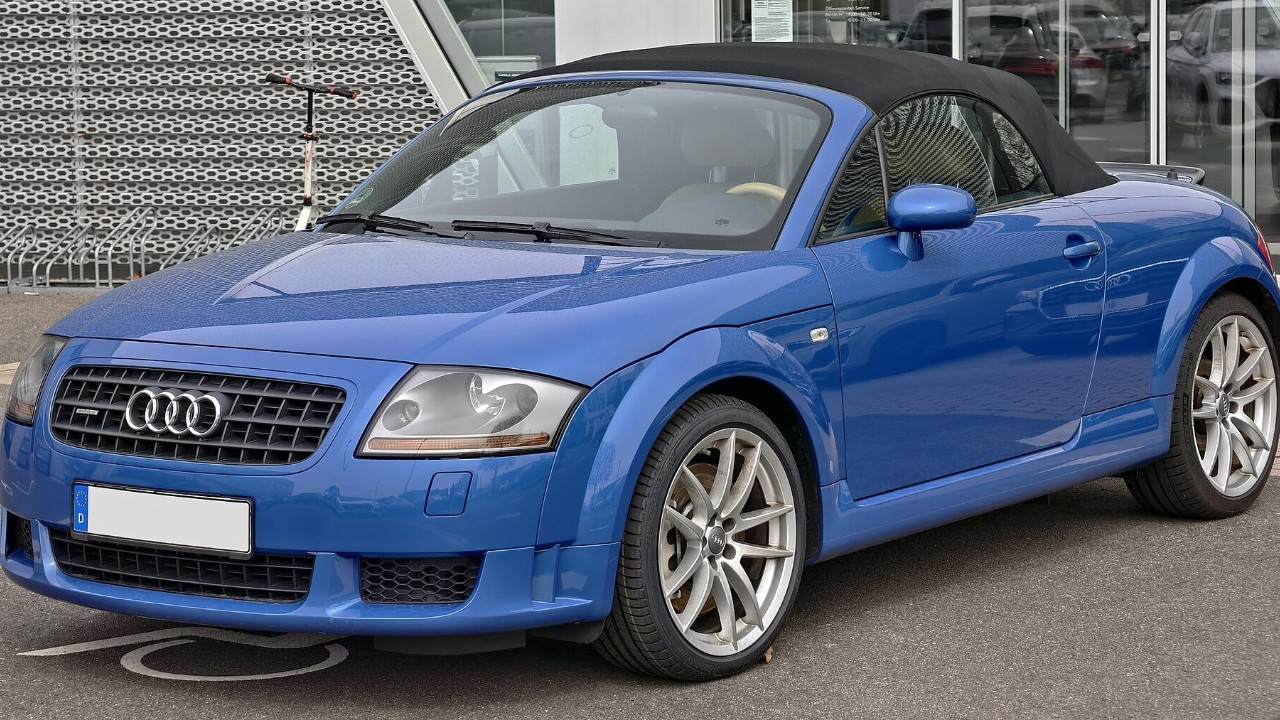
The first-generation TT Roadster launched in August 1999, and the 3.2 VR6 arrived in early 2003. It made 247 horsepower and 236 lb-ft of torque, and quattro all-wheel drive came standard. Then, from July 2003, Audi offered a new six-speed dual-clutch gearbox. That was cutting-edge technology for a roadster, although Volkswagen had already claimed the road-car first for its Golf R32.
The TT’s build story is unusual. Audi made and painted the bodyshells at its Ingolstadt plant, then carried out final assembly in Győr, Hungary. In addition, a recall in late 1999 and early 2000 added stability control and a rear spoiler to early cars, and those changes carried into later production. Meanwhile, the TT’s shape is what most of us remember, so its performance often comes second in conversation.
Our take: the TT 3.2 Roadster is a design icon that also happens to be quick in any weather, thanks to all-wheel drive. The VR6 adds a deep, distinctive sound that the four-cylinder cars lack. We’d look for a car with dual-clutch service history, because those gearboxes reward careful maintenance. On a damp back road, it’ll surprise drivers of more famous roadsters.
9. Nissan 350Z Roadster
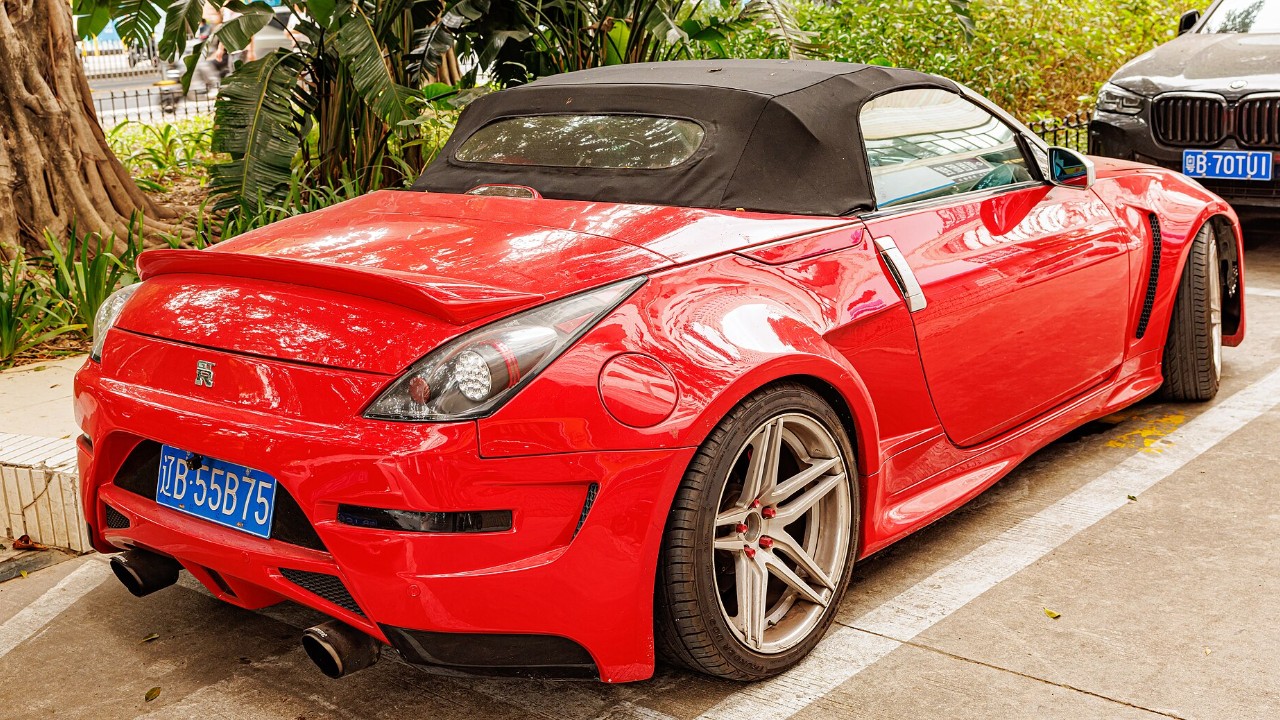
Nissan introduced the 350Z Roadster in 2004, a year after the coupe. It used the FM platform and an electrically retractable soft top. Power came from the VQ35DE V6, rated at 287 horsepower in the early cars. The early engine also made 274 lb-ft of torque. Later, the revised VQ35HR raised output to 306 horsepower in 2007 form, with 268 lb-ft at 4,800 rpm.
Nissan built the 350Z at Kaminokawa in Tochigi, Japan, and the Roadster stayed on sale alongside the new 370Z for 2009. Even so, the Roadster tends to sit in the coupe’s shadow. It’s easy to assume the open car is simply a softer cruiser.
Our take: the 350Z Roadster gives you a big V6, rear-wheel drive and open air for sensible money. It delivers the same honest V6 muscle as the coupe. Drop the top on a warm night, and that V6 sounds even better with nothing overhead. If you shop for one, the later VQ35HR cars are the ones we’d chase for their extra power and rev range. Check the soft top’s motor and seals, since repairs can add up.
10. Mercedes-AMG SLC 43
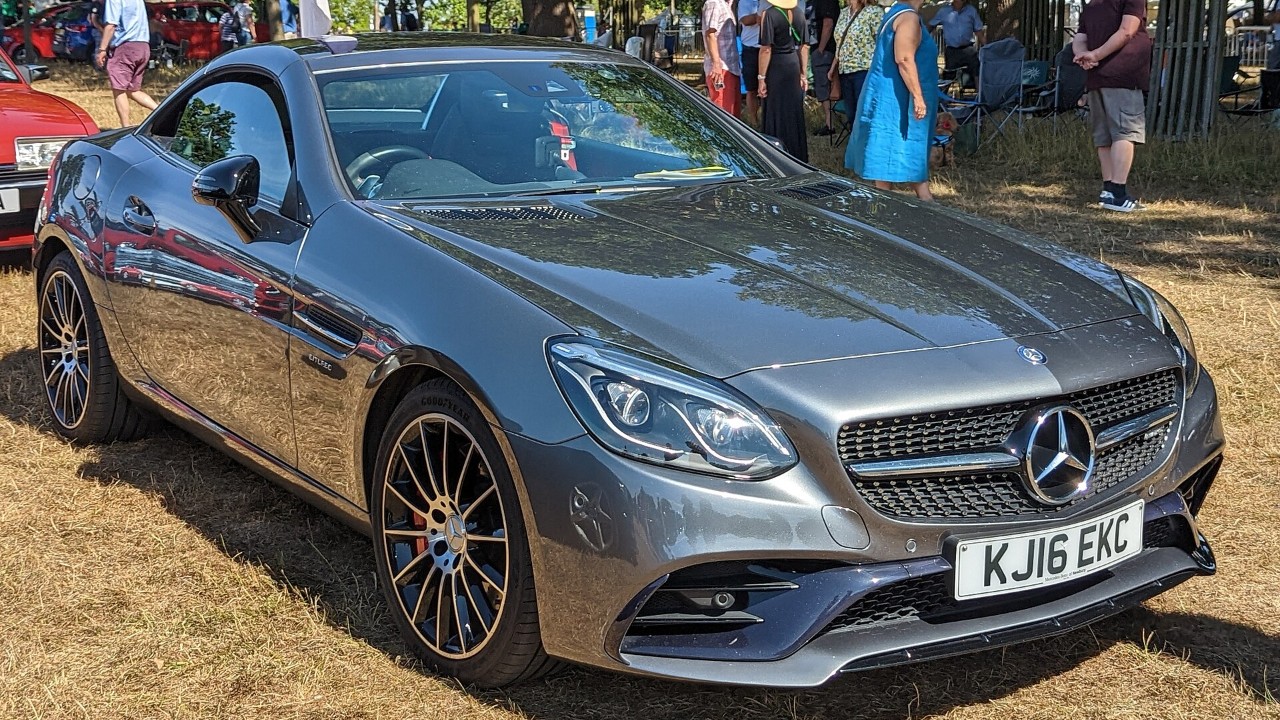
When Mercedes refreshed its compact roadster in 2016, it renamed the SLK as the SLC. The new AMG model, the SLC 43, used a 3.0-liter biturbo V6. According to Mercedes-Benz USA’s launch release, it made 362 horsepower and 384 lb-ft of torque through a nine-speed automatic. That torque peak runs all the way from 2,000 to 4,200 rpm, so the car pulls hard without big revs.
Mercedes quoted 0 to 60 mph in 4.6 seconds and an electronically limited 155 mph top speed. That matches the SLK 32 AMG’s 4.6-second time from MotorWeek’s test, so the family resemblance runs deeper than the badge. Mercedes described the SLK55, with its naturally aspirated V8, as the SLC 43’s predecessor. Then, in 2020, a Final Edition marked the end of production.
Our take: swapping a V8 for a V6 looked like a step down on paper, but the turbo engine’s low-end torque makes the SLC 43 quick in real driving. It’s also a comfortable, secure car with a folding hardtop. We’d choose one as a four-season roadster. It’s the last of a line Mercedes built in Bremen until 2020.
11. Vauxhall VX220
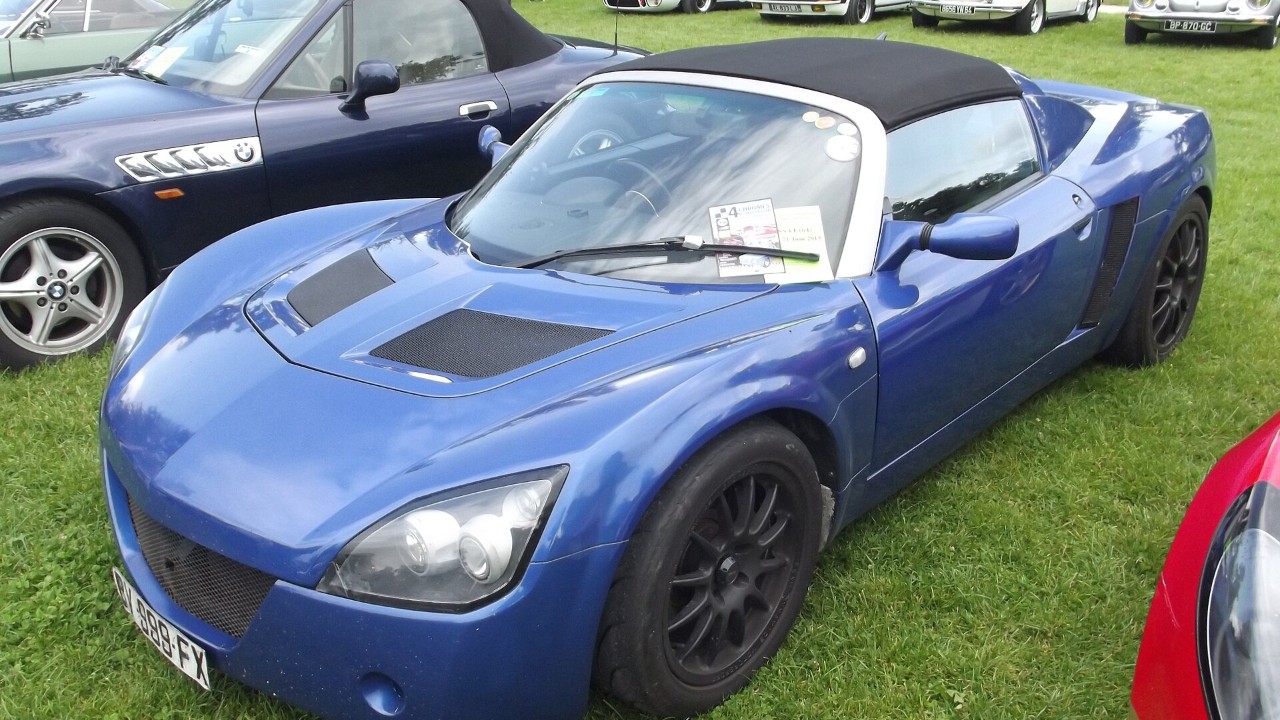
The VX220 wore a Vauxhall badge, but Lotus built it at Hethel, Norfolk. It used a version of the Series 2 Elise chassis with an aluminum frame that weighed 72 kilograms. Compared with the Elise, the wheelbase grew by 30 millimeters. Production ran from July 2000 to July 2005. In mainland Europe, the same car wore Opel badges and the Speedster name.
The standard car used a 2.2-liter Ecotec four, engine code Z22SE, with 145 horsepower and weighed about 870 kilograms. Later, the Turbo version brought a 2.0-liter engine with 200 horsepower. It weighed about 930 kilograms, reached 100 km/h in 4.7 seconds and topped out at 150 mph. In the end, Lotus built only 7,207 of these roadsters. In 2004, a run of 60 VXR220 track editions added 220 horsepower.
Our take: the VX220 suffered from badge snobbery, since a Vauxhall roadster didn’t sound like a serious machine. Yet it’s a Lotus in all but name, and the turbo car is ferociously quick. We’d hunt for a turbo with full records. Bring patience, because the cabin is snug.
12. 2004 Mercedes-Benz SL55 AMG
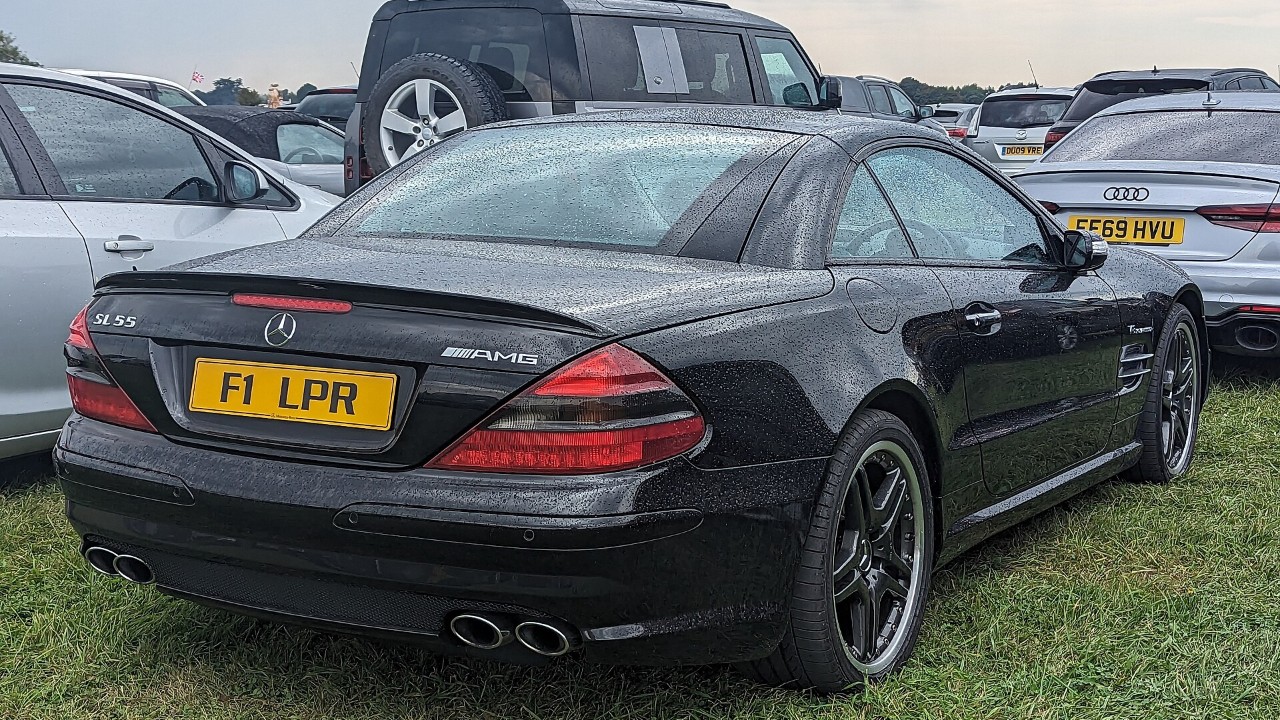
The R230 SL55 AMG arrived in 2002, and its supercharged 5.4-liter V8 made 493 horsepower and 516 lb-ft of torque. That torque peak stretched from 2,650 to 4,500 rpm. Mercedes limited the top speed to 155 mph. However, buyers could pay to raise that limit to 186 mph. Engineers even claimed the car could reach 208 mph without a limiter.
That’s remarkable for a heavy luxury car with a folding metal roof. The roof took about 20 seconds to open, which made the SL55 feel like a grand tourer first. In our eyes, that luxury image hid a supercar rival.
Our take: the SL55 AMG may be the most underestimated car here, because its luxury hides near-supercar pace. For 2006, Mercedes raised output to 510 horsepower and 531 lb-ft. The same update improved Active Body Control, cutting body movement in hard driving by up to 60 percent. Running costs are real, though, so budget for suspension and roof maintenance before you buy. In 2006, Mercedes revised the roof mechanism and cut its opening time from 20 seconds to 16.
More from Fast Lane Only