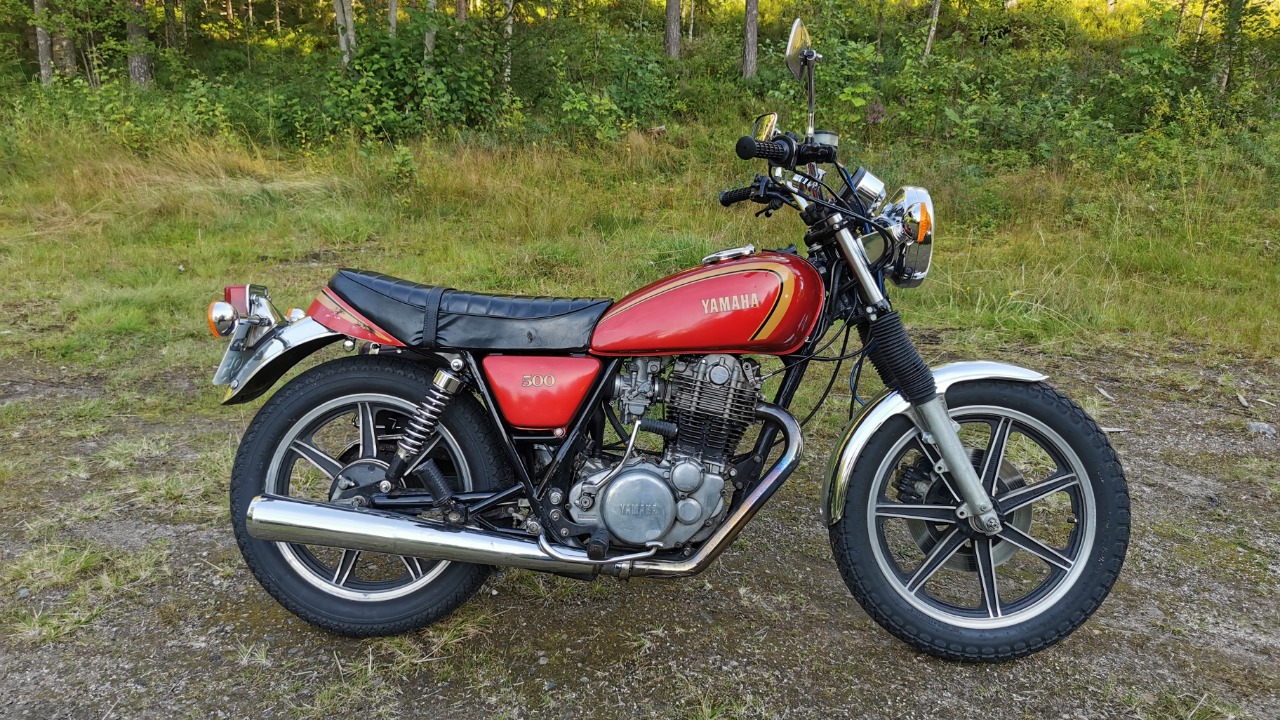
A single-cylinder bike is the simplest kind of motorcycle there is: one piston, one con rod and a beat you can count at idle. In 1961, a near-standard Velocette single averaged more than 100 mph for 24 hours, and in 1979 a Yamaha single won the first Paris-Dakar. Big singles have always done more than their spec sheets suggest.
Today, singles sit in an odd spot. Many are cheap to buy, a few are serious collector items and almost any single-cylinder bike is easy to work on. In our view, they also make you a better rider, because you learn to use torque instead of revs.
These seven are our picks for the singles we’d keep in the garage no matter what someone offered. They span British café racers, Japanese street bikes and desert-racing dirt bikes. The choices are pure opinion, while the dates and specs come from period tests, marque histories and makers’ own records.
1. 1960 Velocette Venom Clubman
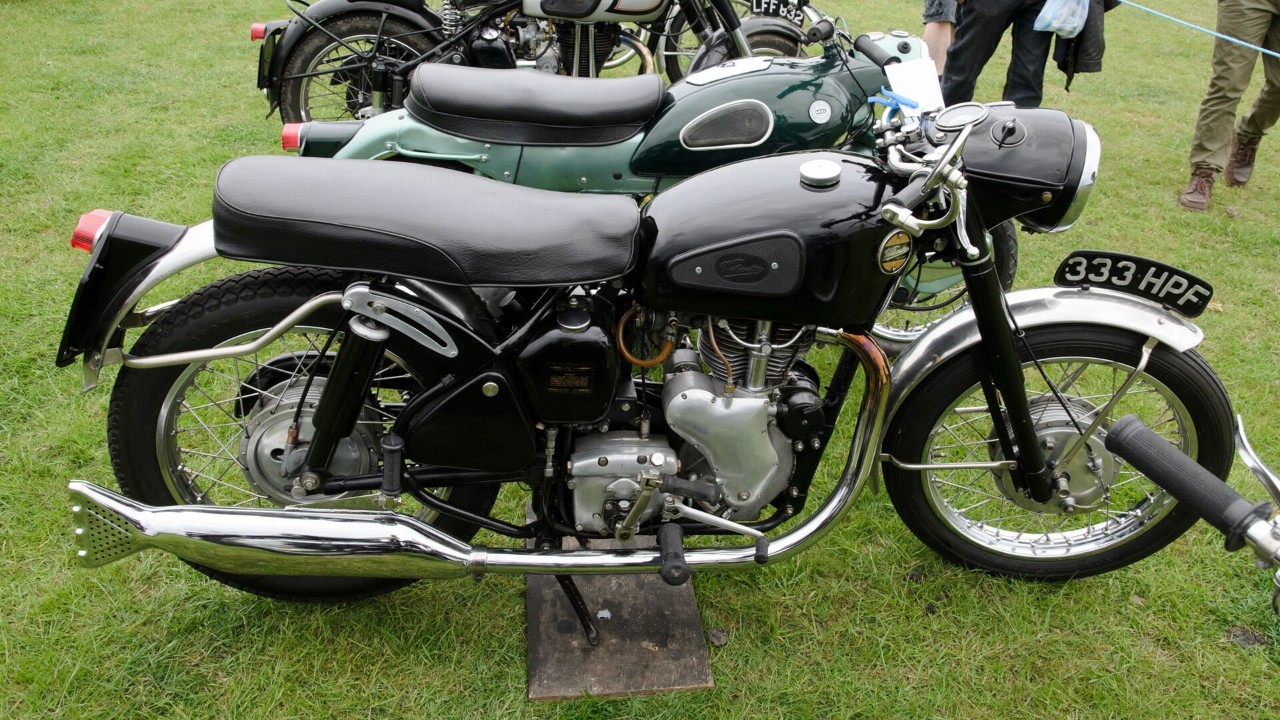
Velocette built the Venom from late 1955 until 1970, around a 499cc overhead-valve single with an 86 mm bore and an 86 mm stroke. From 1960, the Clubman version turned the touring bike into a road racer. It got an Amal TT carburetor, a BTH racing magneto, a close-ratio gearbox and compression raised to 9.3:1. Rearset controls, lowered bars and a steering damper completed the package.
The Clubman’s real reputation came from a French test track. In March 1961, a faired, factory-prepared Venom ran for 24 hours at Montlhéry near Paris and averaged more than 100 mph. The Vintagent’s account of the run lists eight riders, led by Velocette boss Bertie Goodman and French champion Georges Monneret. The engine wasn’t opened before the attempt, and inspectors found it in perfect shape afterward.
Our take: the Venom Clubman is the single-cylinder bike we’d guard most closely. It’s handsome, well engineered and tied to one of the great endurance feats of its era. Velocette built only 5,721 Venoms of all types before the company went into liquidation in 1971. For more British machines in the same spirit, see our list of British motorcycles owners refuse to part with.
2. 1962 BSA Gold Star DBD34
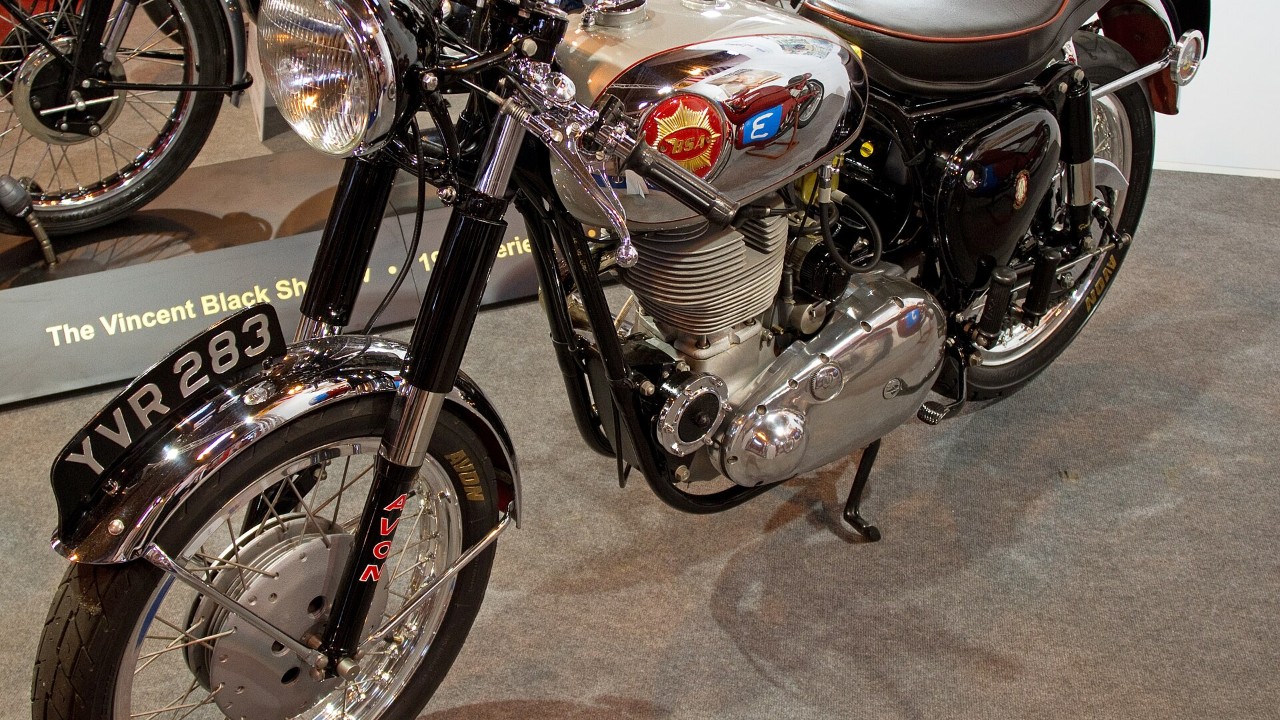
The Gold Star name goes back to 1937. That year, Wal Handley lapped Brooklands at more than 100 mph on a BSA and earned one of the track’s Gold Star badges. The DBD34 arrived in 1956 as the last and fastest of the line. According to Hagerty’s road test of a DBD34, its 500cc single made 42 hp and could touch about 110 mph with the rider tucked in.
The details made it a café racer icon. It had clip-on bars, a swept-back exhaust and a big bell-mouth Amal carburetor. Its ultra-close-ratio gearbox had a first gear so tall that Hagerty’s tester saw roughly 60 mph before shifting. That’s wonderful on a fast road and awkward in town.
Hagerty also lists the quirks honestly. Starting requires a strict routine of fuel, tickler, retarded ignition and decompressor. Below about 3,000 rpm, the engine runs lumpy. However, those flaws are part of the charm. Hagerty puts an average good-condition example at $13,800, and BSA ended Gold Star production in 1963. Our take: a DBD34 is a bike you keep for life, because you’d never find another one like it for the same money. Our list of British motorcycles that still define open-road fun has more of its rivals.
3. 1976 Yamaha XT500
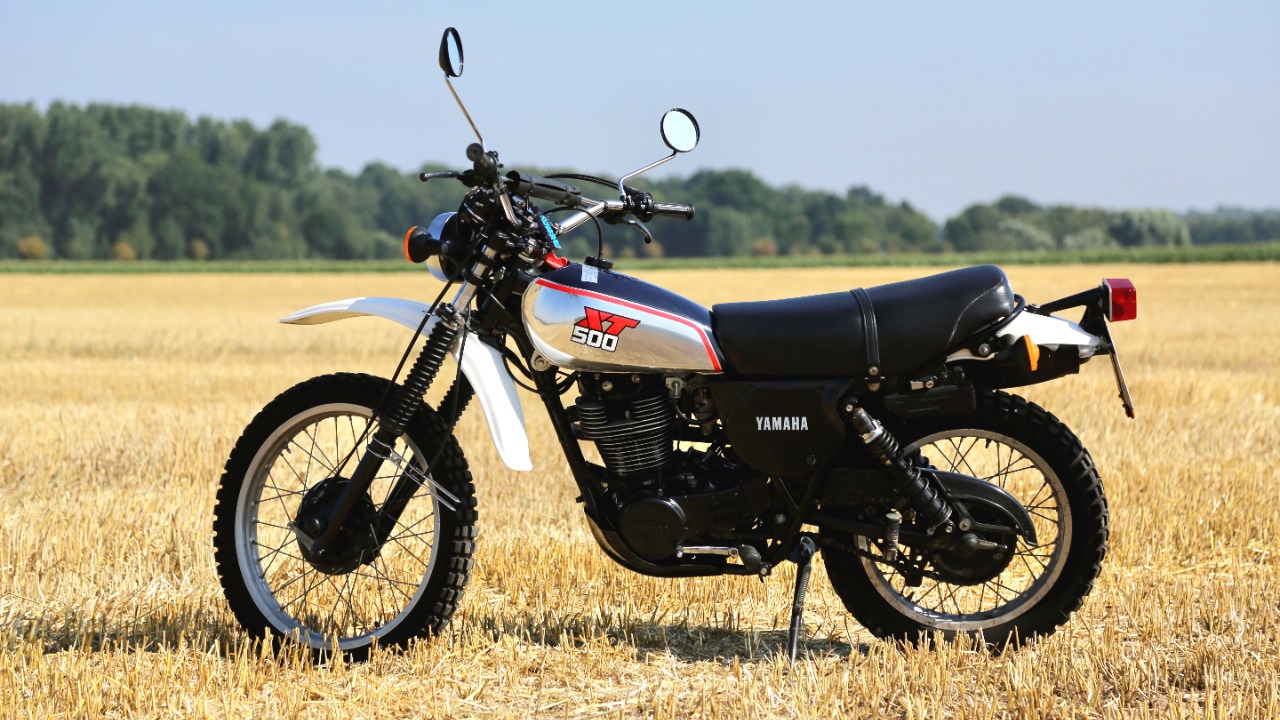
Yamaha first showed the XT500 at its U.S. dealer convention in September 1975, and the bike reached Europe in 1976. It used a 499cc, two-valve, overhead-cam single with an 87 mm bore and an 84 mm stroke. The same engine later powered the SR500 street bike. In France alone, Yamaha sold about 62,000 XT500s between 1976 and 1990.
The desert made its name. Yamaha’s own history of its rally bikes says Cyril Neveu won the first Paris-Dakar in 1979 on an XT500, with Gilles Comte second. In 1980, Neveu won again, and XT500 riders took the top four places. Of the 25 motorcycles that finished that year, 11 were XT500s.
Those wins set the template for Yamaha’s adventure bikes. After the 1981 rally, rider Jean-Claude Olivier and the Sonauto Yamaha team asked Yamaha Japan for a full rally version. That request led to the XT550 and then the XT600 Ténéré, unveiled in Paris in late 1982. Our take: the XT500 is the dual-sport that started a whole category, and it still looks right on a gravel road. We’d never let one go. If you’re buying, we’d favor an honest, unmodified bike over a rally-style replica.
4. 1978 Yamaha SR500 single-cylinder street bike
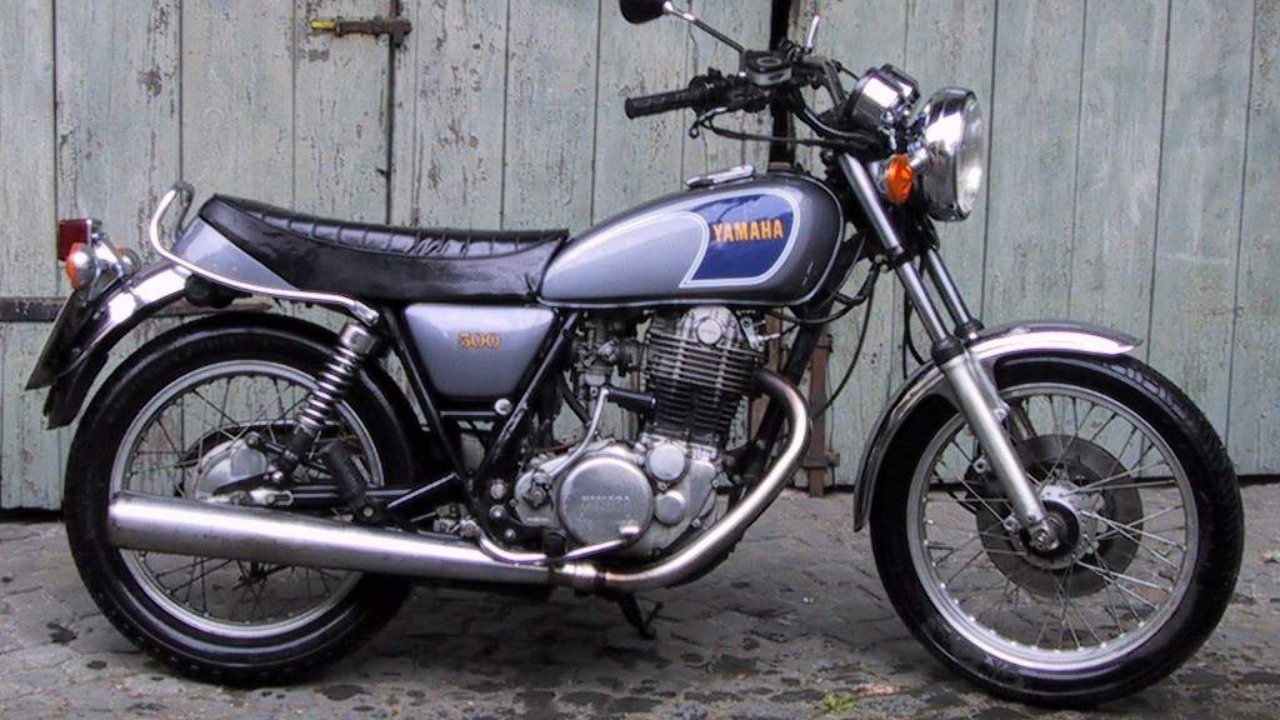
The SR500 took the XT500’s engine and put it in a street frame. A Common Tread retrospective review lists a claimed 31 hp at 6,500 rpm and 26 lb-ft of torque at 5,500 rpm. The frame doubled as the oil tank for the dry-sump engine, and the bike weighed under 350 pounds.
Starting it was a ritual. The SR500 had a kickstarter and no electric starter. Yamaha’s official routine called for the decompression lever and a small sight window on the head. You kicked until a silver tab appeared, released the lever and then gave it a proper kick. In 1978, that felt old-fashioned to many buyers, Common Tread notes. As a result, the bike lasted only a few years in the U.S., and dealers sold leftovers cheaply in the early 1980s.
Yamaha kept building the SR500 for other markets until 1999. Our take: it’s the most honest street single Japan ever sold here, light and simple and easy to fix. Common Tread says the SR holds its value well. We’d keep one because nothing new feels quite like it, as our list of classic bikes pure riders still chase also suggests.
5. 1985 Honda XBR500
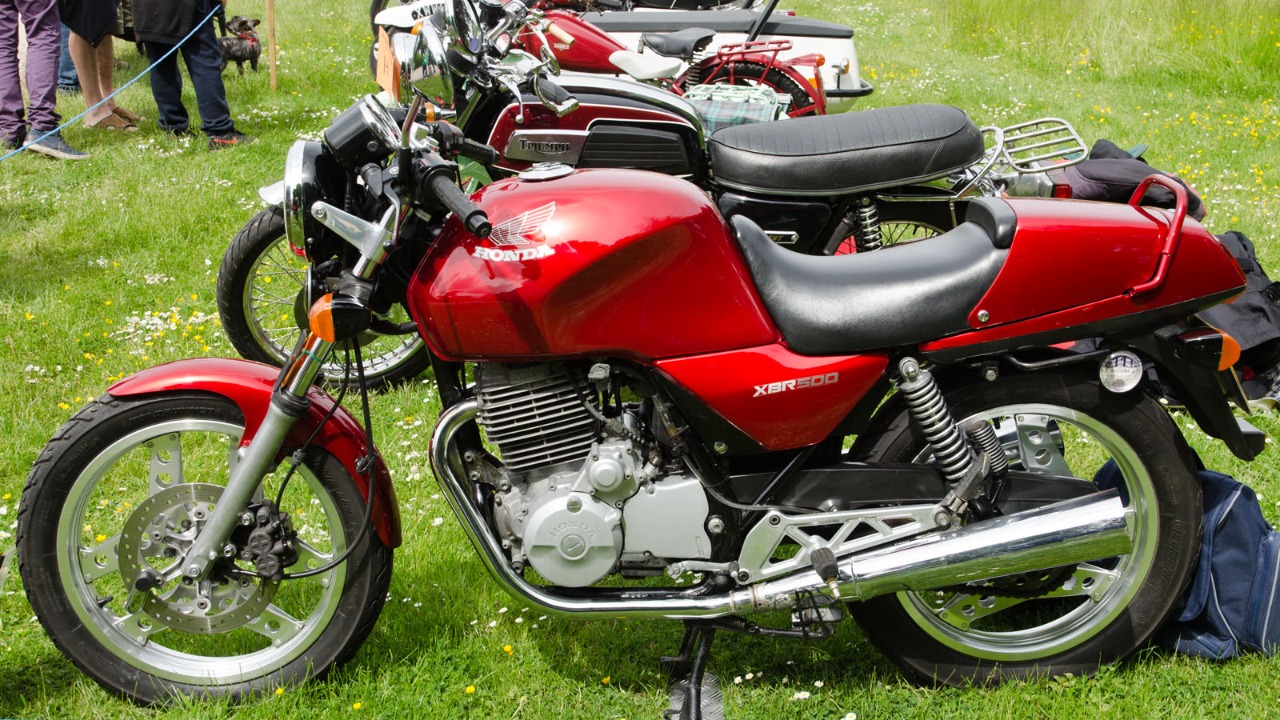
Honda answered the SR500 with the XBR500 in 1985. Instead of a simple two-valve head, it used a 498cc single with four radially arranged valves, Honda’s RFVC design borrowed from the XR off-road bikes. Its 498cc size put it almost exactly level with the SR’s 499cc. Unlike the Yamaha, however, it offered both an electric starter and a kickstarter.
Early bikes rolled on 18-inch Comstar wheels with tubeless tires. Later versions switched to wire wheels with tubed tires. Honda also built a café racer sibling, the GB500 TT, with nearly identical mechanicals, wire wheels and a solo seat in the classic British style. The XBR, by contrast, wore a cleaner, more modern look for its day.
In our view, the XBR500 is the overlooked one of the group, and that’s the reason we wouldn’t sell ours. It’s an easy-starting single with a more advanced head than the Yamaha that Honda set out to beat. Meanwhile, the GB500 gets the attention for its café styling. We think the plainer XBR is the smarter way into the same thumping character. Our take: buy the best original example you can find and keep it.
6. 1996 Royal Enfield Bullet 500
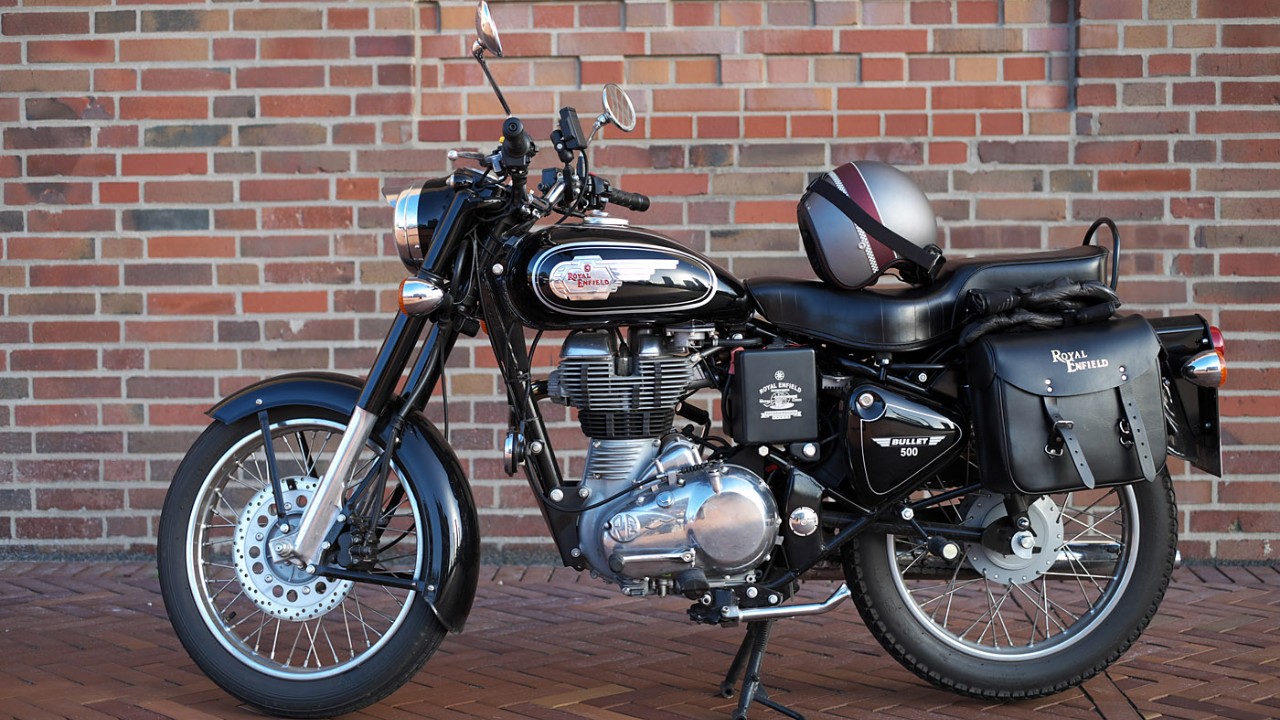
The Bullet has a claim no other motorcycle can match. It has the longest unchanged production run of any motorcycle and has stayed in production since 1932. A 499cc version first appeared in 1953, based on the 350. Then the story moved to India. In 1949, the Indian Army ordered Bullets for border patrol, and Royal Enfield set up a factory in Madras, now Chennai.
By 1955, Bullets were going together in India from kits shipped from Redditch, England. Later, Enfield India built complete bikes under license. Meanwhile, the British company’s own 500 ended in 1961, so a 1996 Bullet 500 is an Indian-built continuation of a 1950s design. It kept the cast-iron engine design that dated from 1955, so it rides like a much older machine.
Our take: a 1990s Bullet 500 is a time machine you can ride every day. Enfield phased out the old cast-iron engine by 2011, and the 500cc engine ended in India in 2020 under new emissions rules. That makes the old-style 500 a closed chapter. We’d keep ours for the slow, steady beat alone.
7. 2000 Honda XR650R
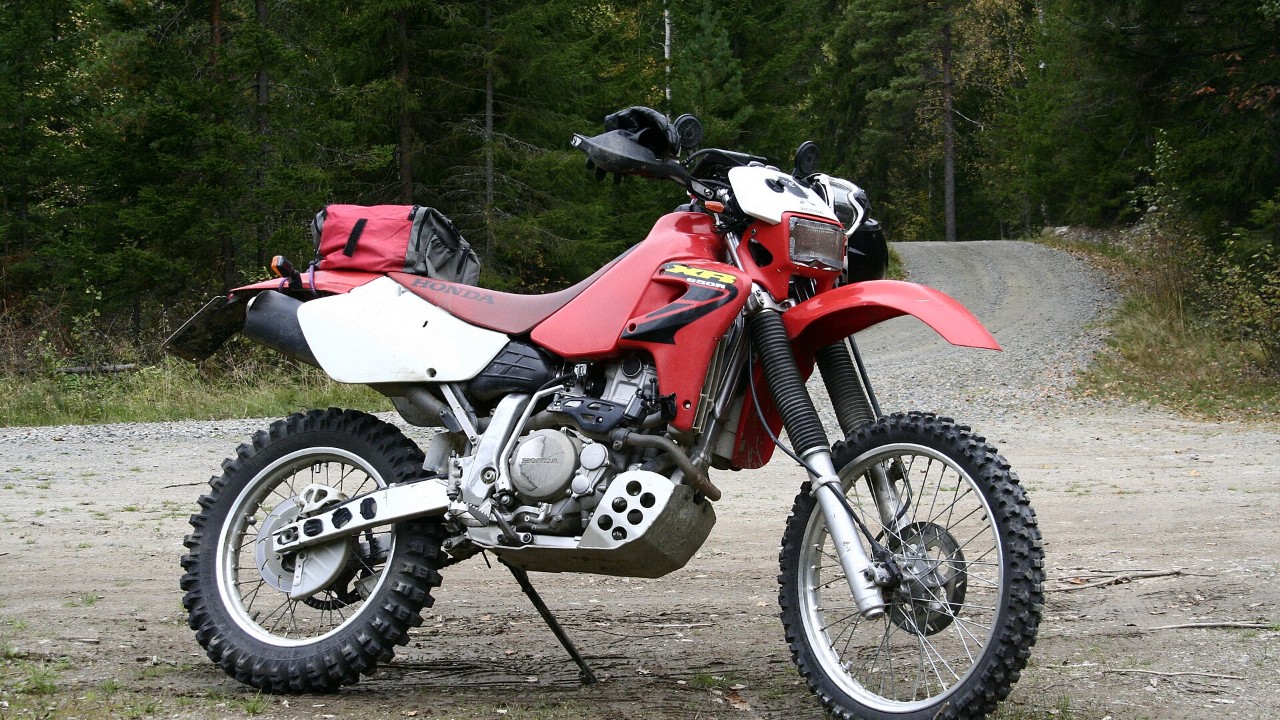
The XR650R arrived in 2000 as Honda’s big desert racer. It used a 649cc liquid-cooled single with an overhead cam, four radial valves and a dry sump, in an aluminum frame. It soon earned the nickname “Big Red Pig.” According to Bikebound’s buyer’s guide, it weighs about 277 pounds dry. Bikebound also lists a 100 mm bore, an 82.6 mm stroke and a 40 mm Keihin carburetor.
The bike earned its reputation in Baja. Team Honda and the XR650R posted numerous Baja 1000 wins during the model’s run, and Bikebound names Johnny Campbell as a rider who won repeatedly on it. Honda built it from 2000 to 2007 and dropped it for the 2008 model year.
It left the factory as an off-road machine only, so a street-legal XR650R is rare in the U.S. Bikebound advises buyers to check any conversion carefully, including a stator rewound to at least 200 watts and clean lighting wiring. Our take: the XR650R is the most capable single-cylinder bike on this list. We’d keep one forever. If you buy one, favor a clean, well-wired conversion over a cheap one, since good electrics add real value.
More from Fast Lane Only